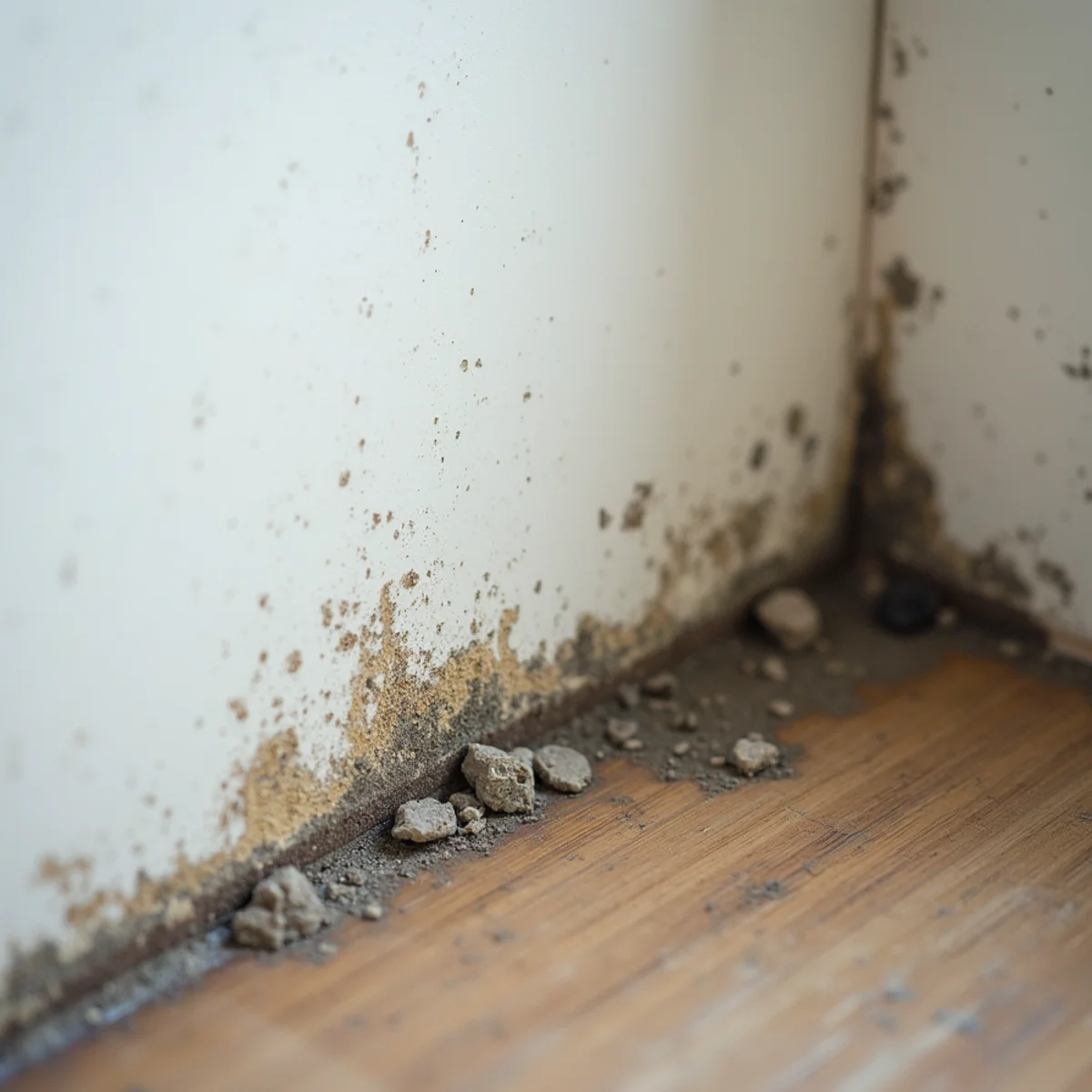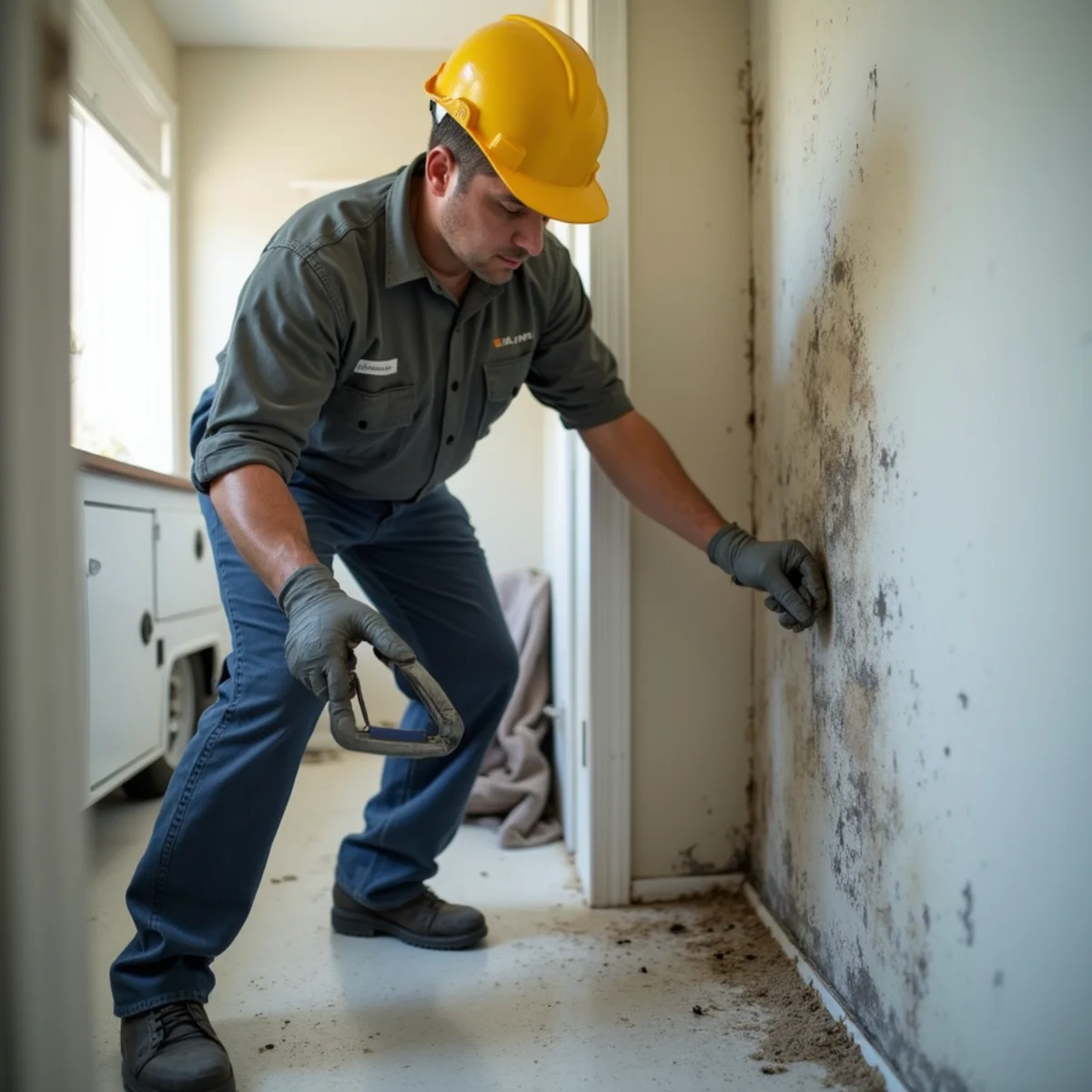
Two mold jobs with the same square footage can look nothing alike on an estimate. These are the factors that set the scope, and the warning signs that a quote is cutting the wrong corners.
Mold remediation cost in Daly City is set by the scope of the job, not by a flat per-foot rate: how much material is contaminated, where it is (an open wall, a wall cavity, an attic, a crawl space or ductwork), whether that material is porous, how much containment is needed, and whether the moisture source has to be repaired. Testing, rebuild work and contents cleaning add to the scope. The only accurate number comes from an on-site assessment.
That is why we do not publish a price list. A small patch of mold on a bathroom ceiling and the same square footage of mold behind a kitchen wall with a slow leak are different jobs with different containment, demolition and repair needs. What follows is the list of factors that move a mold removal estimate up or down, so that when you compare quotes you can see what each one actually includes. For water damage jobs in general, our water damage restoration cost guide works the same way.
Why Online Price Ranges Rarely Match Your Quote
Cost websites average together very different jobs from different regions. They cannot see whether your mold is on the surface of painted drywall or inside the insulation, whether a crawl space is tall enough to work in, or whether a leaking supply line is still feeding the growth. A quote is a description of a specific scope of work. Read it that way, and you can tell whether a low number is efficient or whether it leaves out a step that matters.
The Factors That Set Mold Remediation Scope
| Factor | Why it changes the scope | What to ask the contractor |
|---|---|---|
| Size of the affected area | More contaminated material means more removal, cleaning, bagging and disposal, and larger areas call for stronger containment | How many square feet are you treating, and how did you measure it? |
| Location | Wall cavities, attics, crawl spaces and HVAC systems are harder to reach, contain and clean than an open wall | How will you access it, and what has to be opened? |
| Material type | Non-porous surfaces can usually be cleaned; porous materials like drywall, insulation and carpet usually have to be removed | Which materials are you cleaning, and which are you removing? |
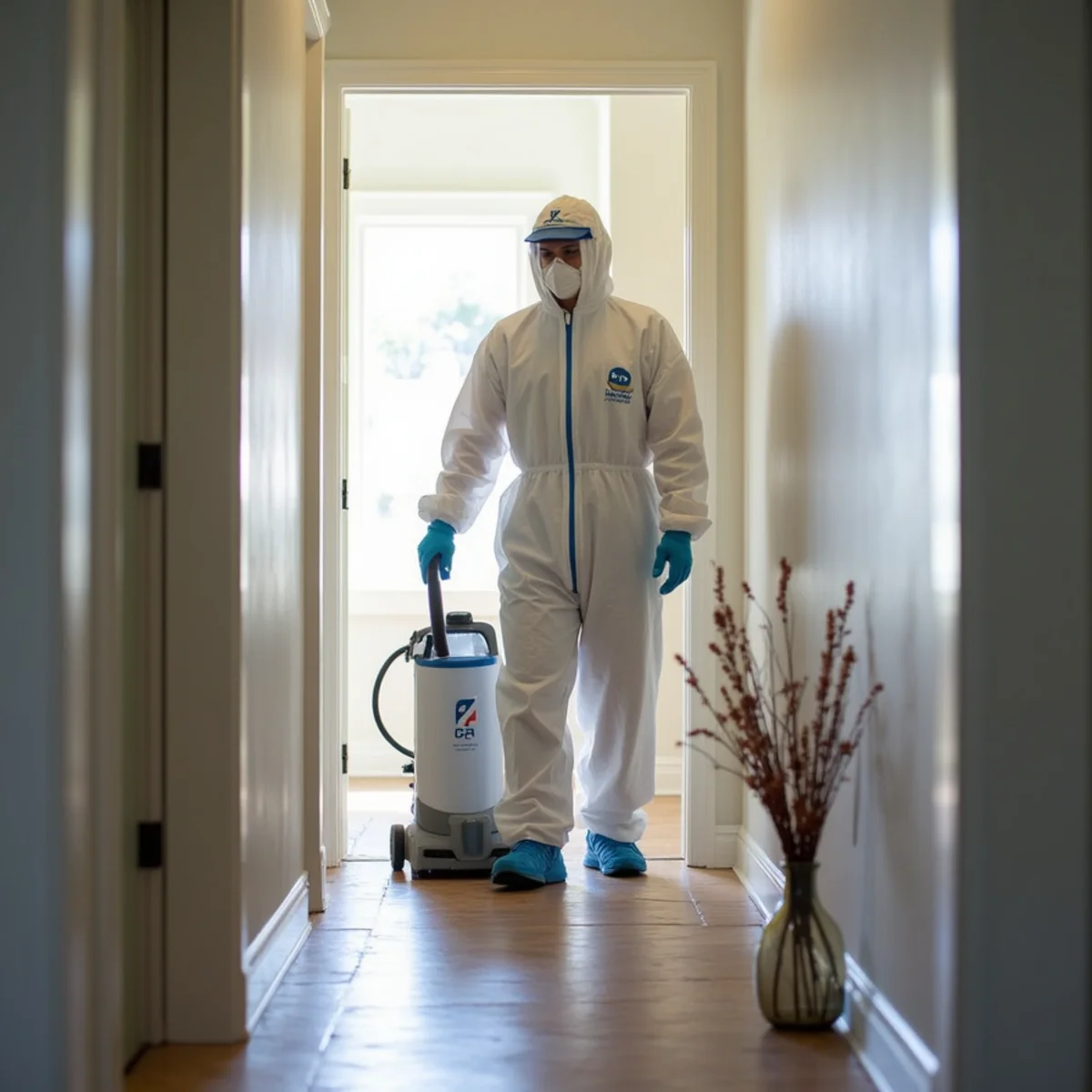
| Containment level | Plastic barriers, negative air pressure and HEPA filtration keep spores out of the rest of the house, and take labor and equipment time | What containment will you build, and will it be under negative pressure? |
| Moisture source | Mold returns if the leak or condensation is not fixed, so leak detection and repairs may be part of the job | What caused this, and who is fixing it? |
| Testing | Pre-remediation sampling and post-remediation verification add lab and inspection time | Do I need testing, who performs it, and what will it tell me? |
| Rebuild | Removed drywall, insulation, flooring and trim have to be replaced and finished | Is reconstruction in this quote or separate? |
| Access and logistics | Furniture moving, occupied rooms, tight crawl spaces and stairs all add labor | What do I need to move, and what will you move? |
| Contents | Upholstered furniture, clothing and boxes in the affected area may need cleaning, pack-out or disposal | Are my belongings included? |
Size of the affected area
Size matters for the obvious reason, more material to remove, and for a less obvious one: it determines the containment. The EPA's mold remediation guidance generally recommends limited containment for roughly 10 to 100 square feet of contamination and full containment above 100 square feet, with the work area kept under negative pressure. Visible mold is also often the smaller part of the problem. Growth on the room side of a wall can be matched by more on the back of the drywall and in the insulation, which is why the measured area sometimes grows once the wall is opened.
Location: open wall, wall cavity, attic, crawl space or HVAC
Mold on an exposed bathroom ceiling is the most straightforward case. Inside a wall cavity, the drywall has to come out within containment, and the studs and bottom plate cleaned and dried. In an attic, the work happens in a cramped space over insulation, often after a roof leak, and may involve attic water damage repair as well. Crawl spaces under raised-foundation homes add tight access and soil moisture, so crawl space drying and a vapor barrier may be part of a lasting fix. Mold in ductwork or an air handler is its own category, because the system can carry spores through the whole house.
Porous vs. non-porous materials
The California Department of Public Health's mold FAQ draws the line clearly: glass, metal, plastic and ceramics can be cleaned, while porous materials such as drywall, ceiling tiles, drapes and upholstered furniture usually cannot. Wood framing sits in between; it can often be cleaned and dried if the growth is on the surface. So the material mix in the affected area matters as much as the square footage. A tiled shower wall and a drywall closet wall of the same size are very different jobs.
Fixing the moisture source
Mold is a moisture problem first. The EPA warns that if you do not address the moisture source, the mold problem may simply reappear. Sometimes the source is obvious: a dripping angle stop under a sink, a failed wax ring, a roof flashing leak. Sometimes it takes leak detection to find a pinhole in an old galvanized line or a slab leak. Whether that repair belongs to a plumber, a roofer or the remediation contractor should be spelled out in the quote, because a remediation without a source fix is money spent twice.
Testing before and after
Testing is one of the most debated line items. CDPH says that if you can already see or smell mold, testing generally does not add useful health information, and that the priority is finding and fixing the moisture. Testing can still be useful to look for hidden growth when there are symptoms or a musty odor with no visible source, to satisfy a landlord, buyer or insurer, or to verify after the job that cleanup worked. Our mold inspection and testing page explains when sampling helps and when a visual and moisture inspection is enough.
Rebuild, access and contents
Remediation ends with clean, dry framing and an empty wall. Putting back insulation, drywall, texture, paint, baseboard or flooring is reconstruction, and some quotes include it while others do not. Access affects labor too: a finished room full of furniture, a garage packed with storage, or a crawl space with a short clearance all take longer. Belongings in the contained area may need HEPA vacuuming, cleaning, pack-out or disposal, and soft items that were wet for a long time are often not worth saving.
Why Mold Is So Common in Daly City Homes
Daly City's summer fog keeps outdoor humidity high for long stretches, and cool, damp air meeting cold exterior walls leads to condensation in closets, behind dressers pushed against outside walls, and in bathrooms without a working exhaust fan. Many 1940s to 1960s homes have ground-level garages and in-law units that sit close to grade and stay cool and damp. Add aging galvanized plumbing that can leak slowly inside walls, and you get mold that often starts out of sight. Our post on the Fog Capital problem goes deeper into the climate side, and mold vs. mildew helps you tell a surface problem from a structural one.
Does Homeowners Insurance Pay for Mold Remediation?
Sometimes. Mold is often covered only when it results from a covered, sudden water event, such as a burst supply line or an appliance failure that was reported promptly. Mold from a long-term leak, chronic condensation or humidity is commonly excluded. Even when mold is covered, many policies cap mold-related costs with a sublimit that may sit in an endorsement rather than on the declarations page. Read your own policy, and ask your agent which section applies. If the mold followed a recent water loss, report it right away; our guide to filing a water damage insurance claim covers the documentation adjusters will want.
Red Flags in a Mold Remediation Quote
- No containment. A quote for removing moldy drywall with no plastic barriers, no negative air and no HEPA filtration risks spreading spores to clean rooms.
- Bleach or spray-only treatment. The EPA says biocides such as chlorine bleach are not recommended as a routine remediation practice, and that dead mold can still be allergenic. Mold has to be physically removed, not just sprayed.
- No plan for the moisture source. If the quote does not say what caused the mold and who will fix it, expect to see it again.
- Fear-based pricing. Urgent pressure, claims about toxic black mold based on color alone, or a scope that grows before anyone has opened a wall. Color does not identify a species; see our black mold removal page for what actually changes the approach.
- No written scope. You should see the areas, materials, containment, disposal and clearance criteria in writing.
- No contractor license for the demolition and rebuild. CDPH notes that California does not license mold remediators specifically, but construction work above a small threshold requires a state contractor's license.
Testing by the same company: the conflict-of-interest debate
Some states that license mold work, including New York and Texas, require the company that assesses mold and the company that removes it to be separate on the same project, so the inspector has no stake in the size of the job. California has no state mold licensing, so no such rule applies here. One view holds that an independent assessor or industrial hygienist protects the homeowner, especially for clearance testing after the work. The other view holds that a qualified remediation company can inspect and verify its own work, and that hiring a second firm adds time and cost the job may not need. A reasonable middle ground: on large jobs, insurance claims or real estate transactions, consider independent post-remediation verification; on small, clearly defined jobs, a documented visual and moisture check may be enough.
How to Get an Accurate Estimate
- Do not disturb the growth. Scrubbing, sanding or tearing out moldy drywall yourself can spread spores and make the job larger.
- Write down what you know: when the leak or smell started, any past repairs, and whether anyone in the home is sensitive to mold.
- Ask for an on-site inspection with moisture meters and, where useful, thermal imaging, so hidden wet areas are found before the scope is written.
- Get the scope in writing, with square footage, materials to be removed, containment type and the clearance standard.
- Compare quotes line by line, not by the total. A higher quote that includes containment, source repair and rebuild may be the better value.
For a full picture of what happens once work begins, read our step-by-step mold remediation process. If you are seeing spots, smelling something musty or dealing with a recent leak, call (201) 277-9344 for a free inspection. We will find the moisture source, measure the affected area, and give you a written scope with no prices guessed over the phone.
Frequently asked questions
For a small area on a hard surface, often yes. The EPA's homeowner guidance says that if the moldy area is less than about 10 square feet, in most cases you can handle it yourself: fix the water problem, scrub hard surfaces with detergent and water, dry completely, and wear gloves, goggles and an N-95 respirator. Larger areas, mold inside walls or HVAC systems, growth after sewage or contaminated water, or anyone in the home with asthma or a weakened immune system are good reasons to bring in a professional.
Because they usually describe different work. One quote may include full containment under negative pressure, removal of drywall and insulation, HEPA cleaning of the framing, a source repair and rebuild. Another may be a surface clean and an antimicrobial spray. Ask each contractor to list the square footage, materials removed, containment, disposal and clearance criteria. Once the scopes line up, the remaining difference is usually labor efficiency, access or rebuild finishes.
Often not. Containment is built to isolate the work area, and HEPA air scrubbers run under negative pressure so the rest of the house stays usable. Moving out briefly can make sense if the contaminated area is large, sits next to bedrooms or the only bathroom, or if someone in the home has asthma, allergies or a weakened immune system. Ask your contractor about the layout and the noise and access you should expect each day.
It depends on the same factors that drive the scope. A small, contained area with no source repair can be finished quickly, while a larger job with wall cavities, drying, testing and rebuild runs longer because each phase has to finish before the next starts. Drying framing to a measured standard and waiting on clearance results are the usual pacing steps. Your written scope should outline the sequence so you can plan around it.