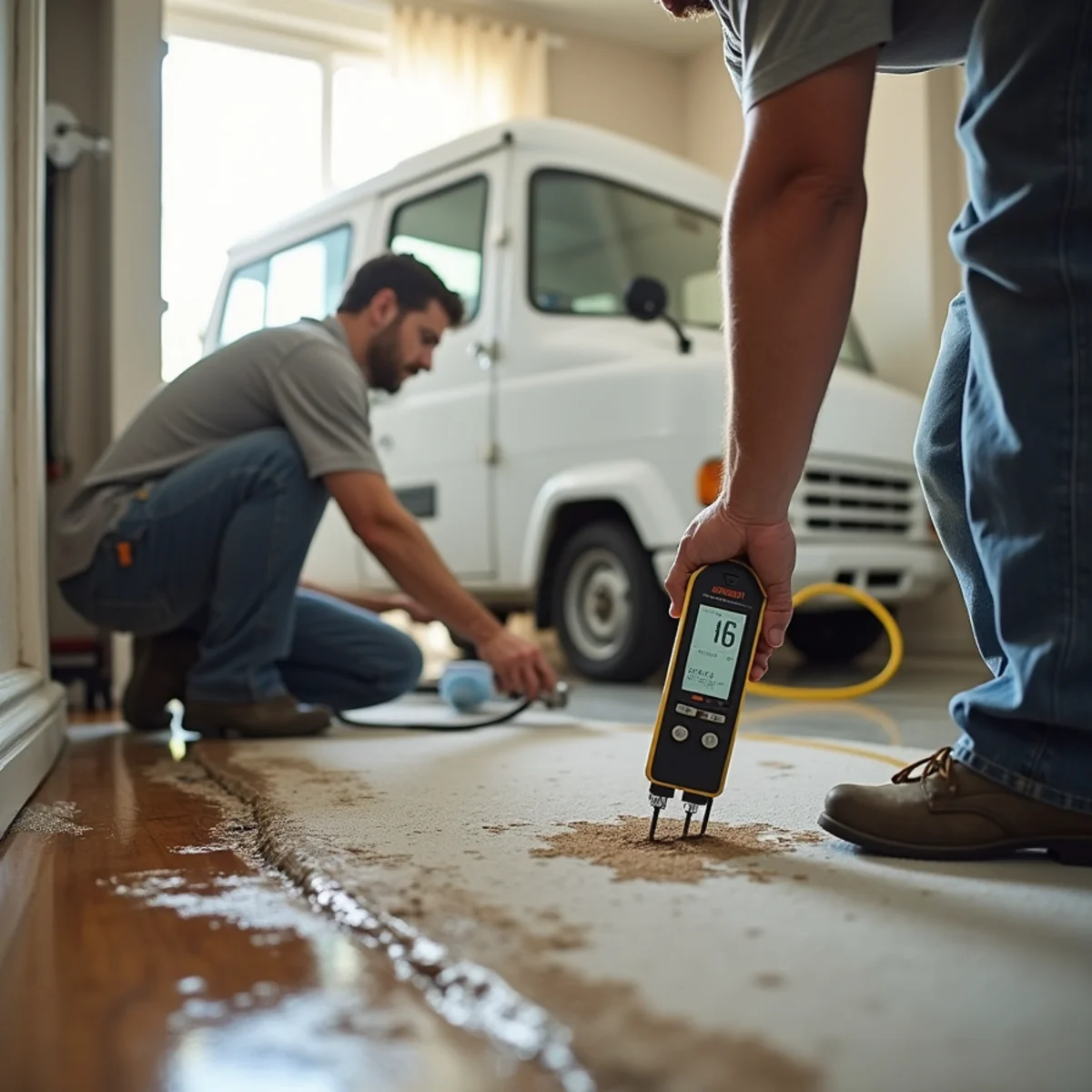
Slab Leak Water Damage Repair in Daly City, CA
On-site in ~60 minutes Licensed & insured IICRC-certified
Get a Free Estimate
Use the form or call our 24-hour hotline at (201) 277-9344.
4.9 / 5 rating
Based on 127 reviews
- IICRC Certified
- Licensed, Bonded & Insured
- 24/7 Emergency Service
- On-Site in ~60 Min
Trusted Slab Leak Water Damage in Daly City
Slab-leak water damage is what happens when a pressurized water line running through or beneath your concrete foundation fails and pushes water up into your floors — and locating it, drying the slab, and rebuilding is what we do 24/7 across Daly City. The first clue is often a warm spot on the floor you can't explain, a patch of tile or laminate that's inexplicably warm underfoot. Or it's the water bill, suddenly higher than it's ever been with nothing in your habits to account for it. Or it's a faint, steady sound of running water in a house where every faucet is off.
Individually each clue is easy to shrug off. Together they point to one thing, and Daly City is full of the homes where it happens. The Doelger "Little Boxes" and the other mid-century tract houses across Westlake and Broadmoor were built slab-on-grade — poured directly on concrete — with copper and galvanized-steel supply lines run through or under the slab. Sixty and seventy years on, those pipes corrode from the inside, develop pinholes, and burst, and the salt in the marine air only speeds the process. This area also sits along the San Andreas Fault near Mussel Rock, where decades of small seismic shifts can stress and shear a line locked in concrete. When a buried pipe lets go, the water has nowhere to travel but into the slab and up into your flooring.
Left alone, a slab leak undermines flooring, wicks moisture up into the base of your walls, and creates the damp, enclosed conditions mold needs to start within a day or two. We locate the leak with moisture meters and thermal imaging, coordinate the pipe repair, extract the water, dry the slab and flooring to a verified standard, and repair the damage the leak left behind. If your floors are warm or damp, or your water bill jumped without explanation, call us at (201) 277-9344 for a free inspection before the damage spreads.
What’s included
- Pinpoint the leak location under the slab with moisture meters, thermal imaging, and a careful read of where the moisture surfaces
- Confirm the source so any pipe access or repair is targeted, keeping the opening in the concrete small
- Extract water that has surfaced through the flooring or pooled along baseboards and walls
- Lift and dry affected flooring, and dry the concrete slab itself, which holds moisture stubbornly
- Dry the base of adjacent walls and cabinet toe-kicks where slab moisture has wicked upward
- Check for mold in flooring, subfloor edges, and lower wall cavities, and treat it with EPA-registered antimicrobial if present
- Rebuild and reinstall flooring, baseboards, and finishes once the slab reads dry to standard
When to call for slab leak damage
Catching these early keeps a small problem from becoming a major one.
A warm or damp spot on the floor
A hot-water line leaking under the slab warms the floor directly above it, while any slab leak can leave flooring damp, cool, or discolored in one patch. An unexplained warm spot on tile or laminate is the classic tell.
A water bill that jumped for no reason
A buried pipe leaking around the clock runs the meter even when the house is quiet. If your usage climbed sharply with no change in your household, water is escaping somewhere you can't see — and under a slab is a common place for it to hide.
The sound of running water when everything is off
Shut off every fixture, stop the ice maker, and listen. A faint hiss or trickle inside the walls or floor often means water is still moving through a broken line under the slab, even with the house at a standstill.
Flooring that's buckling, loose, or lifting
Laminate that cups, tile grout that cracks and lifts, or vinyl planks that separate at the edges can all mean moisture is pushing up from below through the concrete. The failure usually starts over the wet zone and radiates outward.
New cracks in tile or the slab, or doors that suddenly stick
Water moving through and under a slab can shift soil and stress the concrete, cracking tile lines or leaving hairline cracks in the floor. Doors and cabinets that start binding can be an early sign the slab is moving with the moisture.
A musty smell low in the room
An earthy odor that's strongest near the floor or the base of the walls points to moisture trapped under the flooring and wicking into baseboards. In a slab home that damp, unventilated edge is where mold quietly gets started.
How we handle slab leak damage
- 1
Confirm and locate the leak
We verify you're dealing with a slab leak rather than a surface source, then narrow down where it is using moisture meters and thermal imaging across the floor. Pinpointing the leak keeps any access work tight and avoids tearing up concrete and flooring you don't need to touch.
- 2
Coordinate the plumbing repair
The pipe itself has to be repaired, rerouted, or repiped to stop the water. We work shoulder to shoulder with the plumbing repair so restoration picks up the moment the leak is stopped, with no gap where the slab keeps soaking while everyone waits on each other.
- 3
Extract and remove wet materials
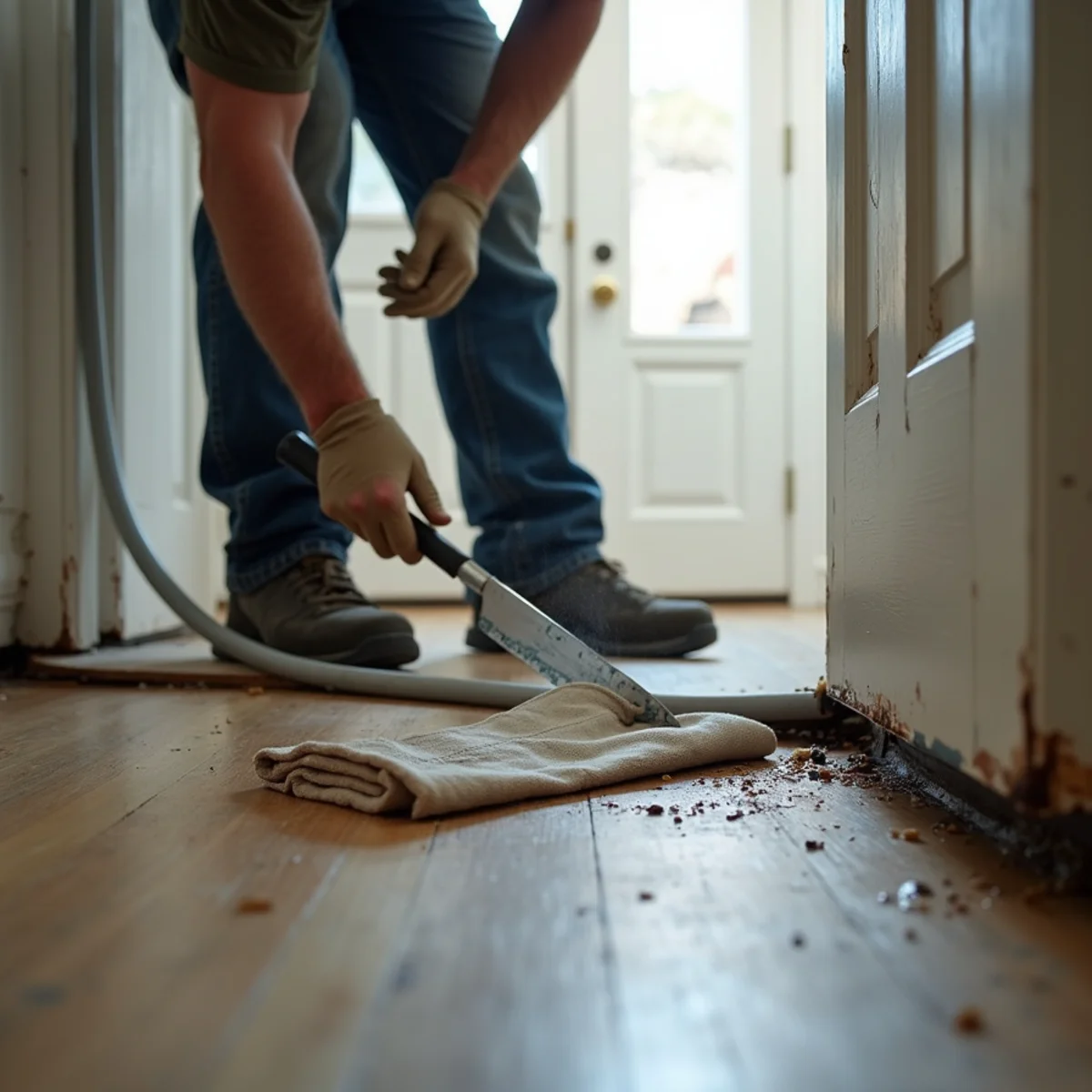
We pull up standing water and lift flooring that's trapping moisture against the slab. Saturated padding, delaminated laminate, and swollen baseboards come out so the concrete underneath can finally release its water instead of being sealed under a wet cap.
- 4
Dry the slab and surrounding structure
Concrete gives up moisture slowly, so we set drying equipment aimed at the slab and run LGR dehumidifiers to draw water out of the floor and the base of nearby walls. We track the readings daily until the slab and the wall bases meet the dry standard, because a slab rushed back into service re-wets the new floor from underneath.
- 5
Repair and reinstall
With the slab verified dry, we reinstall or replace flooring, re-set baseboards, and finish the room. You get back a floor that's dry down to the concrete, not simply covered over — the difference you don't see now but would feel in a year.
What goes into your estimate
Every water loss is different, so we never quote blind. After a free inspection we give you a clear, itemized estimate. These are the factors that move the price:
- How much of the flooring and slab area the leak affected before it was found
- The type of flooring involved and whether it can be dried and saved or has to be replaced
- How long the leak ran, since a slow leak found late saturates far more of the slab
- The difficulty of accessing the leak location under the concrete
- How long the slab and adjacent walls take to dry, which concrete draws out
- Whether moisture wicked into walls, cabinet bases, and MDF trim beyond the immediate floor
- Whether mold developed in flooring, subfloor edges, or lower wall cavities and needs remediation
- Whether the age and condition of the home's pipes point toward a repipe rather than a spot repair
Why Daly City trusts us for this
We know Daly City's slab homes
The Doelger tract houses and their mid-century slab foundations are our backyard. We've seen how these homes leak, where the aging galvanized and copper lines fail first, and how to dry a slab that clings to its moisture for days after the pipe is fixed.
Detection before demolition
We locate the leak with meters and thermal imaging before anyone breaks concrete. That means smaller openings, less flooring disturbed, and a faster path back to a finished room instead of a torn-up house chasing a leak by trial and error.
We dry the slab, not just the surface
Concrete is patient — it releases moisture slowly and re-wets the floor above if you rush the job. Our drying is built for slabs and verified with readings, so the finished floor goes back over material that's genuinely dry underneath.
Insurance help through a tricky claim
Slab-leak claims often turn on whether the damage was sudden or gradual, and the documentation makes the difference. We record the loss thoroughly, bill your insurer directly, and stand behind the restoration with a written workmanship guarantee.
Related Services
Helpful Reading
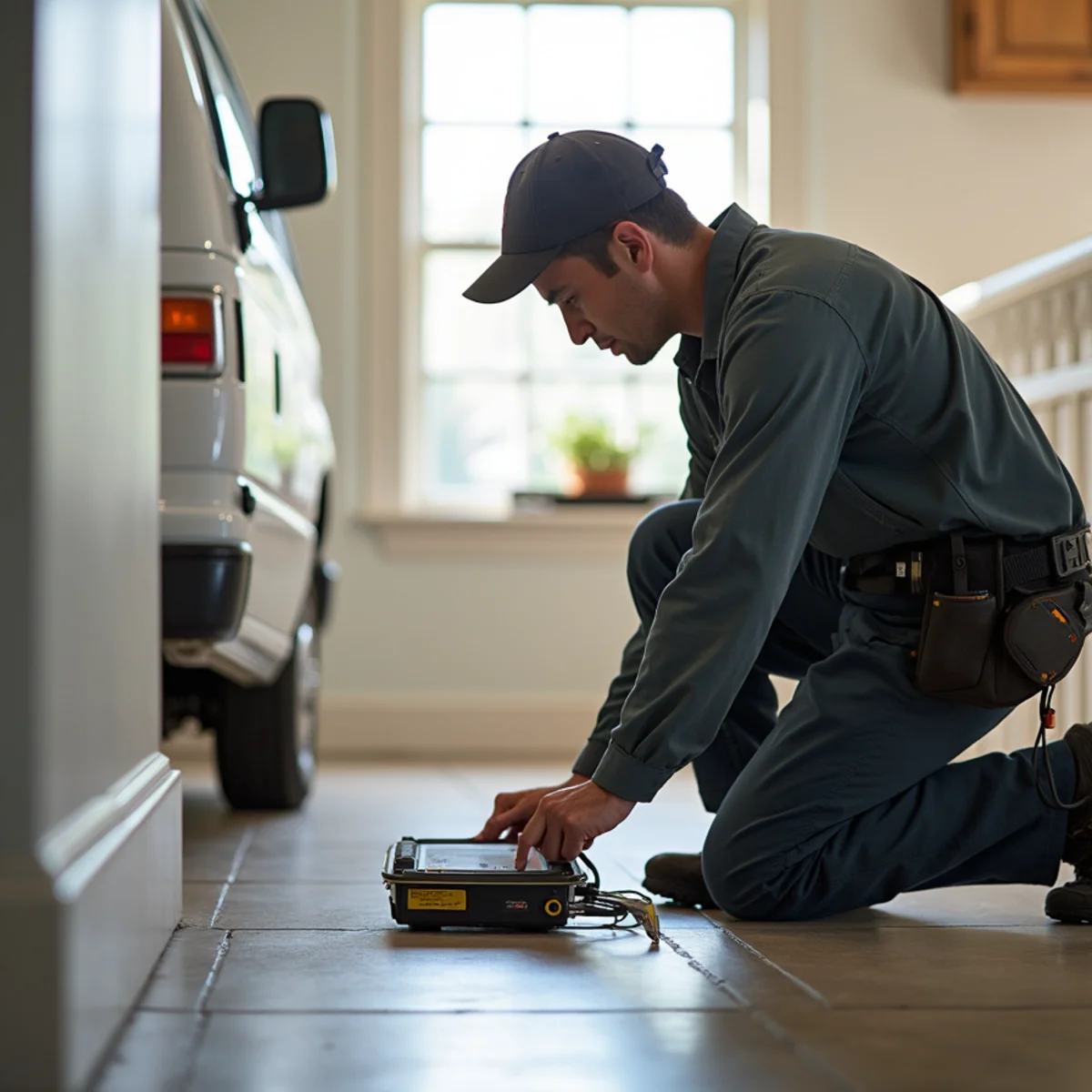
Slab Leaks in Westlake Homes: Why Mid-Century Slab Foundations Leak and What It Costs
Warm floor spots, a spiking water bill, the sound of running water — Westlake’s slab homes have a hidden leak problem.
Read article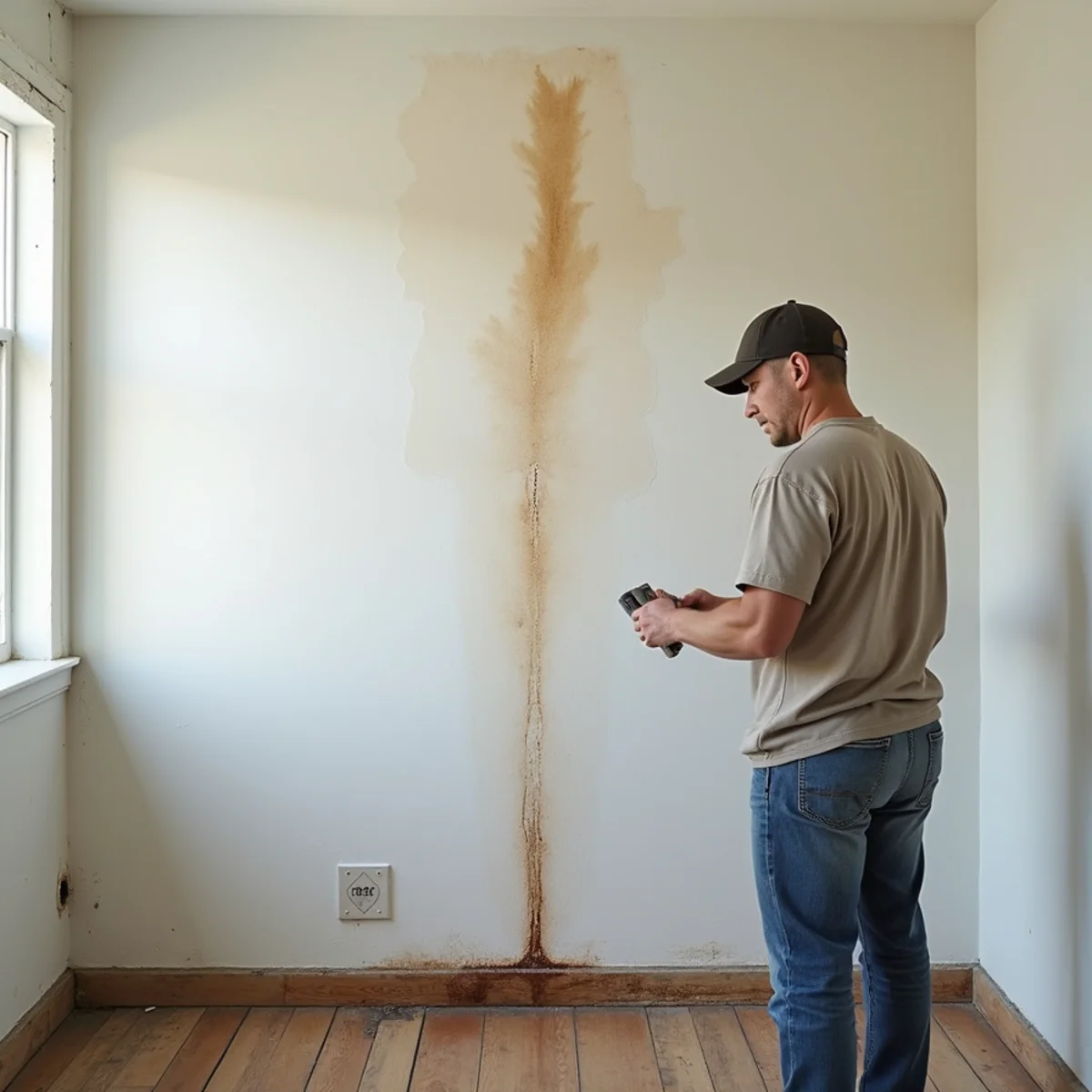
10 Warning Signs of a Hidden Water Leak in Your Home
Most water damage starts small and silent. Catch these ten warning signs early and you can stop a leak before it becomes a rebuild.
Read articleSlab Leak Damage across Daly City & the Peninsula
We provide slab leak damage throughout Daly City’s neighborhoods and the surrounding Peninsula — from the fog-belt hills to the coast to the bay. Not sure if we reach you? Call (201) 277-9344 and ask.
Slab Leak Damage questions, answered
Our focus is the water damage — detection, extraction, drying, and repair — while the pipe itself is repaired, rerouted, or repiped as a licensed plumbing fix. We coordinate closely with that work so drying starts the instant the leak is stopped, and in an older Daly City home we'll flag when a spot repair on decades-old galvanized line is likely to be followed by the next pinhole down the run.
Many Westlake, Broadmoor, and mid-century homes here sit on slab-on-grade foundations with copper and galvanized-steel pipes now sixty to seventy years old. Age and internal corrosion do most of the damage, the salt-laden marine air accelerates it, and small seismic movements near the San Andreas Fault at Mussel Rock add stress to lines locked in concrete until one finally fails.
Concrete holds and releases moisture slowly, but it does release it. We use drying methods and dehumidification aimed at the slab, remove the wet flooring capping it so the water can escape, and verify with moisture readings as it comes down. It takes patience and the right equipment, but a slab can absolutely be dried to standard rather than sealed damp under a new floor.
Usually not. Because we locate the leak first, access can be kept small and targeted rather than opening the whole slab on a guess. We remove only the flooring that's trapping moisture or already damaged, dry the concrete, and reinstall once it reads dry.
Coverage often depends on whether the resulting damage was sudden and accidental versus slow and gradual, and policies vary. We document the loss carefully to support your claim and bill your carrier directly for the restoration, though the pipe repair itself is typically handled as a separate plumbing item under your policy's terms.
24/7 Emergency Response
Need slab leak damage in Daly City? Call now.
Call now for a free inspection. A real person answers day or night, and we’re on-site in about 60 minutes.