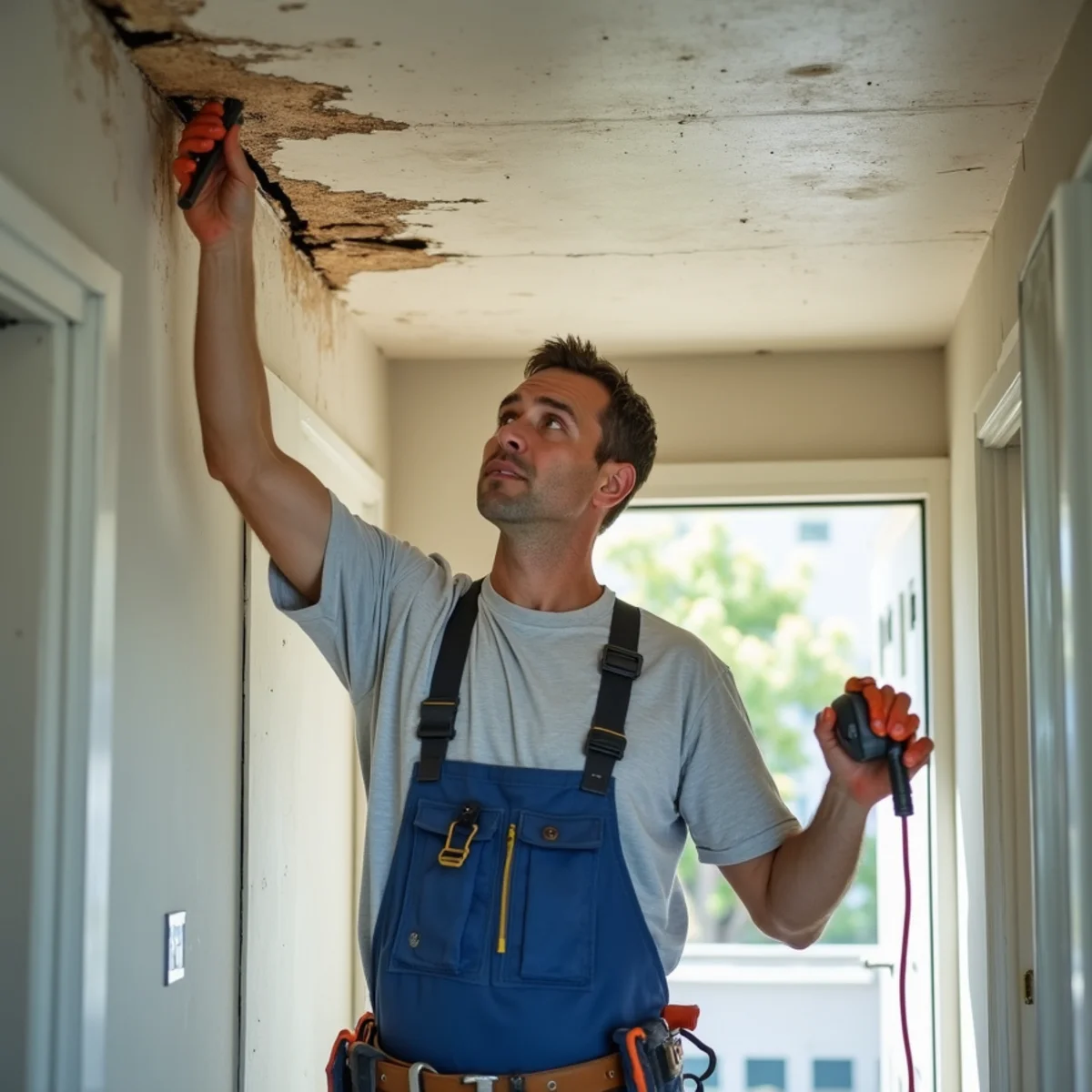
Ceiling Water Damage Repair in Daly City, CA
On-site in ~60 minutes Licensed & insured IICRC-certified
Get a Free Estimate
Use the form or call our 24-hour hotline at (201) 277-9344.
4.9 / 5 rating
Based on 127 reviews
- IICRC Certified
- Licensed, Bonded & Insured
- 24/7 Emergency Service
- On-Site in ~60 Min
Trusted Ceiling Water Damage Repair in Daly City
Ceiling water damage repair means finding what's leaking above your ceiling, drying the hidden cavity, and rebuilding the drywall so the fix disappears — and we handle all of it, 24/7, anywhere in Daly City. It usually starts small: a brown ring in the corner of a room. You tell yourself it's old, that it's been there for years, that it can wait. Then the ring grows. The paint starts to bubble. One morning the drywall is sagging — heavy, soft, and dripping onto the middle of your living room. A wet ceiling is gravity working against you, and it rarely fixes itself.
A stained or sagging ceiling means water is collecting somewhere above it, and in Daly City the source usually falls into a short list. In the condos and townhomes around Serramonte and Southern Hills, it's often the unit upstairs — a failed supply line, an overflowing tub, or a worn wax ring letting a toilet seep with every flush. In single-family homes it's frequently the roof, especially after a winter atmospheric river drives rain sideways under the shingles and flashing. Either way, the water pools on top of the drywall, soaking the paper facing and the insulation above, until the material loses its strength and gives out.
That's where a saturated ceiling turns dangerous. Waterlogged drywall gets heavy fast, and a sagging section can come down without much warning, taking light fixtures and insulation with it. We find the source and stop the pattern, dry the framing and insulation above the ceiling to the IICRC S500 standard, then rebuild and repaint so the repair blends into the room. If you see a growing stain or a soft spot overhead, don't wait for it to fall — call us at (201) 277-9344 for a free inspection.
What’s included
- Assess the ceiling for sag and safety, and relieve a trapped pocket of water in a controlled way before it drops a large section
- Trace the leak to its actual source — upstairs unit, roof, an overhead supply line, or a shower pan — instead of just treating the stain
- Coordinate with the responsible upstairs neighbor, HOA, or property manager when the water is crossing from another unit
- Extract standing water and dry the ceiling cavity, insulation, and framing above the drywall with air movers and dehumidifiers
- Inspect the enclosed space for mold and treat any growth with EPA-registered antimicrobial before it's sealed back up
- Remove and replace unsalvageable drywall, then tape, mud, and match the existing texture
- Seal with a stain-blocking primer, repaint, and feather the new paint into the surrounding ceiling so the patch disappears
When to call for ceiling water damage
Catching these early keeps a small problem from becoming a major one.
A brown or yellow ring on the ceiling
A discolored ring is a water stain, and one that's spreading means the leak is still active. The color comes from minerals and the drywall's paper facing breaking down as water passes through — a fresh, sharp-edged ring is newer than a faded one.
The ceiling is sagging or bulging downward
A bulge is a pocket of water sitting on top of the drywall, and the paper can only hold so much weight. This is the point to leave the room and call for help, because that section can fall without warning.
Paint is bubbling, peeling, or cracking overhead
Moisture behind the paint film lifts it off the surface in blisters and flakes. Even without an obvious stain, peeling paint on a ceiling points to water sitting in the drywall above it.
Drips or a spreading damp patch after rain or an upstairs shower
If the ceiling weeps when it rains or when the unit above runs water, you've found the pattern. A roof leak follows storms and atmospheric rivers; an upstairs-unit leak follows their plumbing use, showing up on their schedule rather than the weather's.
Dark speckling or a musty smell overhead
Black or greenish spotting on the ceiling, or a persistent musty odor near it, means moisture has been sitting in the cavity long enough for mold to start. The enclosed, poorly ventilated space above a ceiling is exactly the environment it needs.
Water tracking to a light fixture or ceiling fan
Water follows the path of least resistance and often exits at a fixture box, so a light that drips or a fan with staining around its base signals water pooling in the cavity. That's an electrical hazard as well as a leak, and the circuit should be treated as live and wet.
How we handle ceiling water damage
- 1
Stabilize and find the source
We first make the area safe, relieving a heavy water pocket in a controlled way if the ceiling is bulging. Then we track the leak to its origin, because rebuilding a ceiling without stopping the water just means doing the whole job twice.
- 2
Open and inspect the cavity
We make a controlled opening to see the framing, insulation, and the back of the drywall, then use thermal imaging and moisture meters to show how far the water traveled across the ceiling and down into the walls. What's visible from below is almost always smaller than what's wet above.
- 3
Dry the space above the ceiling
Wet insulation and enclosed framing dry slowly, so we set air movers and LGR dehumidifiers to bring the cavity to standard, removing saturated insulation that won't recover. In Daly City's damp air, drying this hidden space properly is what actually stops mold from starting in it.
- 4
Rebuild the drywall
We cut out the ruined section, hang new drywall, then tape, mud, and match the existing texture — whether that's a smooth finish or the sprayed knockdown common in local mid-century homes. Getting the texture right is what separates a real repair from an obvious patch.
- 5
Prime, paint, and blend
A stain-blocking primer keeps the old discoloration from bleeding back through the new coat. We repaint and feather the fresh paint into the surrounding ceiling so the light doesn't catch a seam and you can't tell where the damage was.
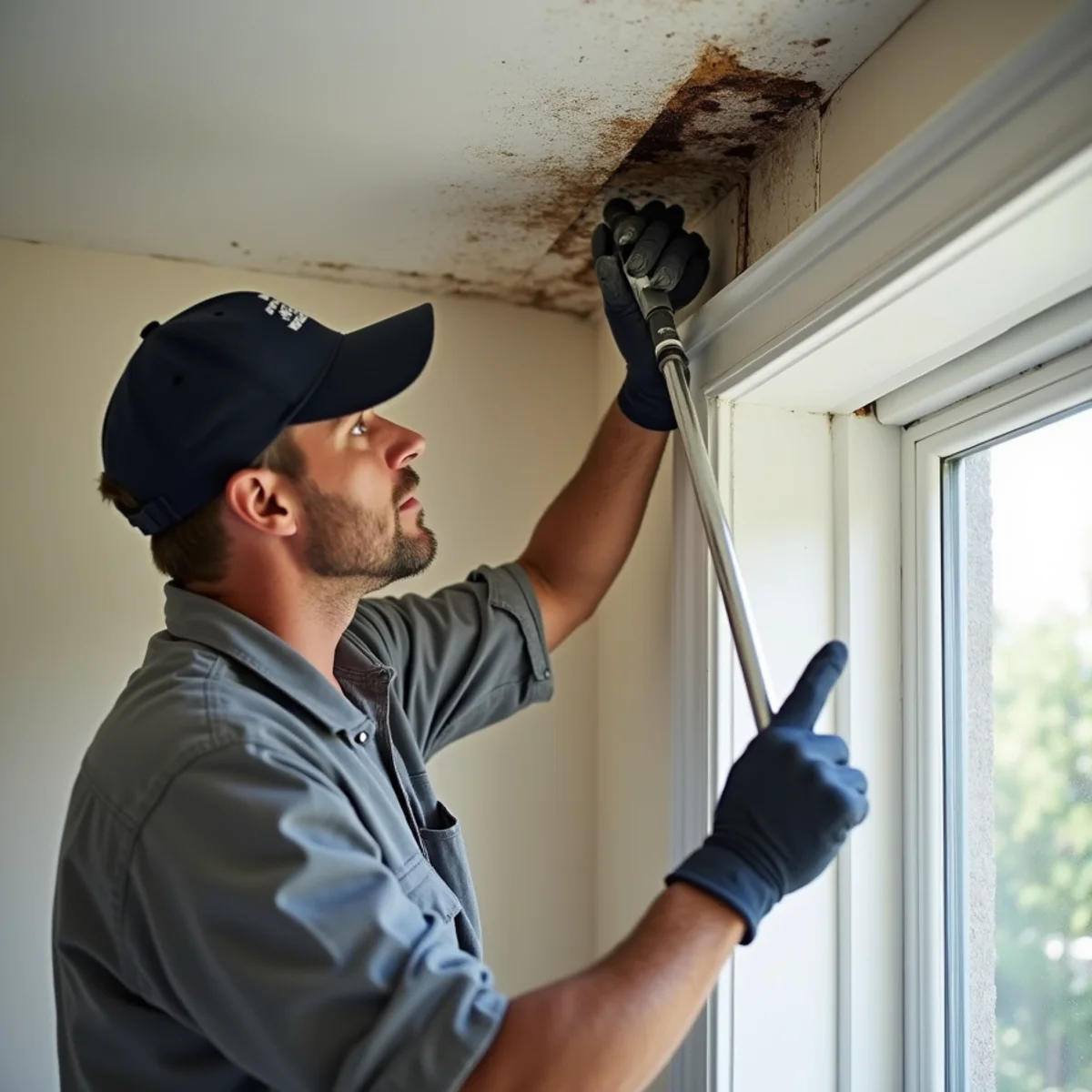
What goes into your estimate
Every water loss is different, so we never quote blind. After a free inspection we give you a clear, itemized estimate. These are the factors that move the price:
- The size of the damaged area and how much drywall must be removed and replaced
- The source of the leak and how hard it is to reach — a roof leak is a different job from an upstairs supply line
- Whether the ceiling texture needs matching, such as a sprayed knockdown, orange-peel, or a smooth finish
- How saturated the insulation and framing are and how long they'll take to dry
- Whether mold has begun growing in the enclosed cavity and needs containment and treatment
- The height of the ceiling and access needs, including scaffolding for a vaulted or second-story ceiling
- The extent of repainting required to blend the repair into the rest of the room
- Whether water tracked into light fixtures or wiring and calls for an electrician before the ceiling closes back up
Why Daly City trusts us for this
We fix the leak, not just the stain
Painting over a water ring hides the symptom and guarantees a repeat. We find and address the source first — the roof, a shower pan, or a neighbor's plumbing — so the ceiling stays fixed instead of staining through again in a month.
We work well with HOAs and upstairs neighbors
Ceiling leaks in Serramonte and Southern Hills condos and townhomes often cross unit lines. We're comfortable documenting exactly where the water originated and coordinating with property managers and HOAs so responsibility and the claim are clear.
Drying and repair under one roof
We handle the whole job — stopping the water, drying the cavity, rebuilding the drywall, and repainting. You don't have to line up a separate drying crew, a drywaller, and a painter, or referee between them when the finish doesn't match.
Texture and paint that actually match
The difference between a good repair and an obvious patch is the finish. We match local ceiling textures and blend the paint so the repaired area reads as part of the original ceiling, not a rectangle you notice every time you look up.
Related Services
Helpful Reading
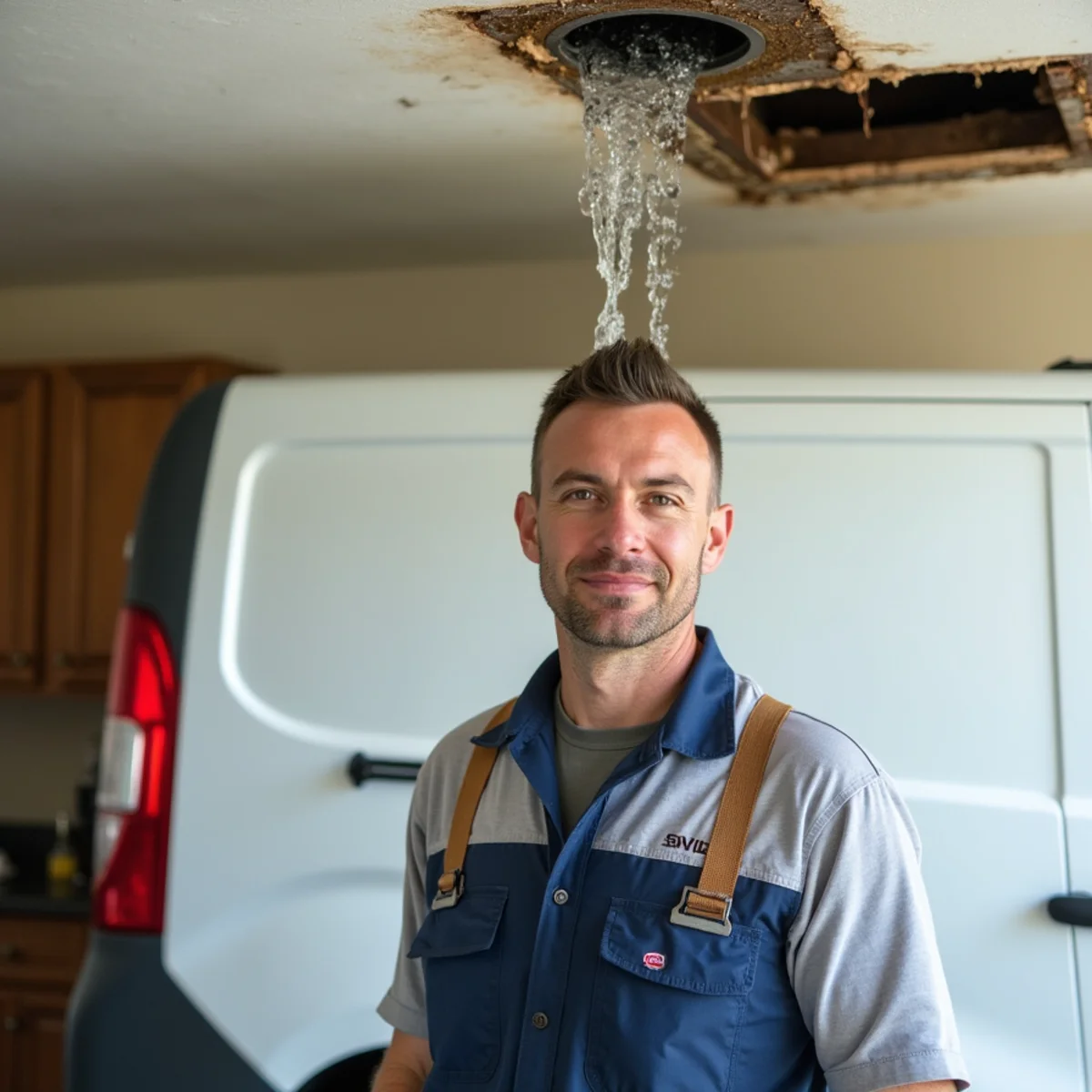
Water Damage in Condos & HOAs: Who Is Responsible — Owner, HOA, or Neighbor?
A leak from the unit above raises one urgent question: whose problem is it? Here’s how condo and HOA responsibility really works.
Read article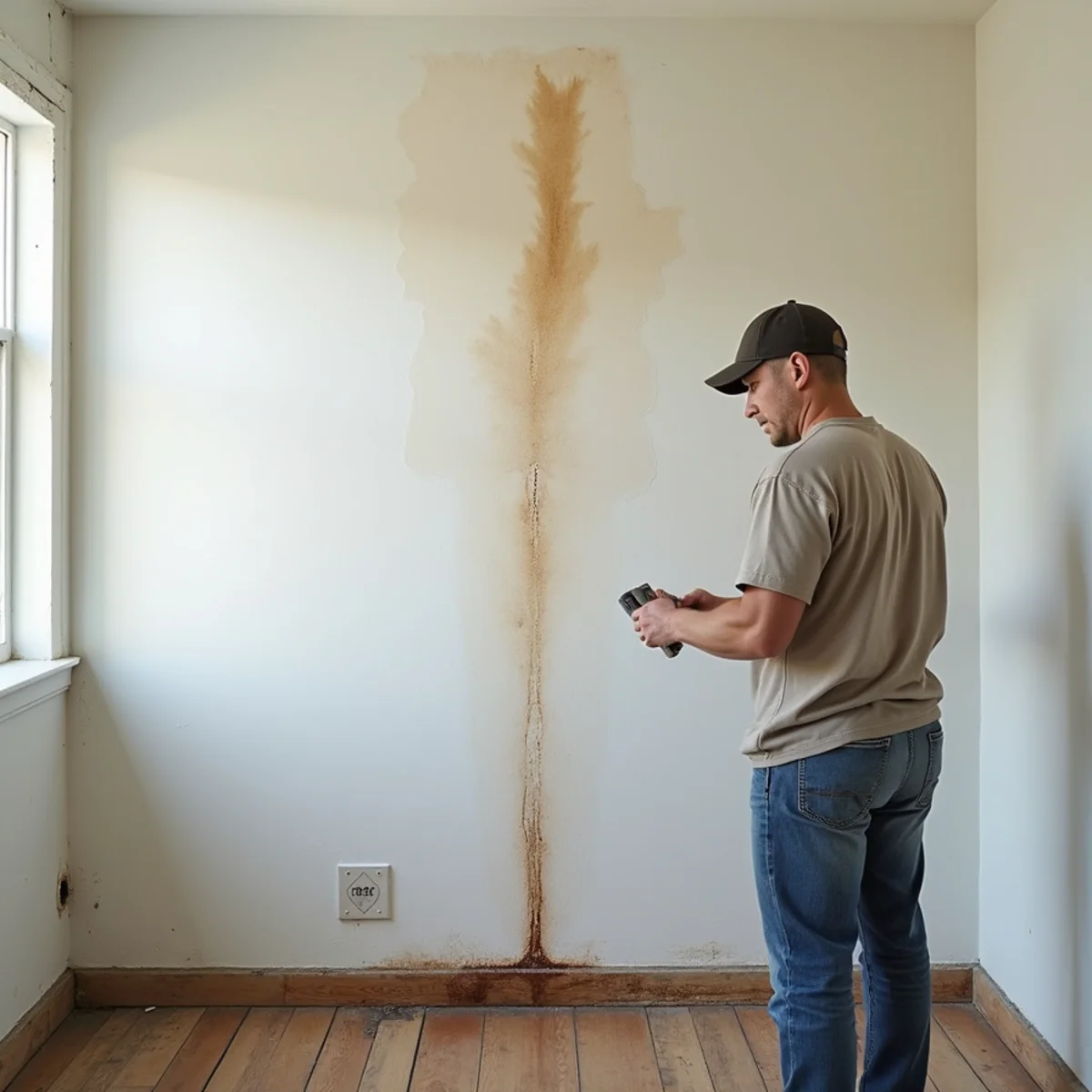
10 Warning Signs of a Hidden Water Leak in Your Home
Most water damage starts small and silent. Catch these ten warning signs early and you can stop a leak before it becomes a rebuild.
Read articleCeiling Water Damage across Daly City & the Peninsula
We provide ceiling water damage throughout Daly City’s neighborhoods and the surrounding Peninsula — from the fog-belt hills to the coast to the bay. Not sure if we reach you? Call (201) 277-9344 and ask.
Ceiling Water Damage questions, answered
A dry-looking stain can still hide active moisture and softening drywall above it. Even a slow, intermittent leak keeps the insulation damp and feeds mold in the cavity, and the fog-belt humidity gives it little chance to dry on its own. It's worth a free inspection to confirm whether the source is still leaking before the drywall weakens further.
In many Daly City condos and townhomes the upstairs owner or the HOA is responsible for the source, while your own policy may cover your ceiling and belongings. We document where the water originated and how far it spread so the right party and insurer can sort out the claim, and we can work with more than one carrier when the loss crosses units.
Yes. Many Daly City homes have a sprayed knockdown or orange-peel texture, and we match it before priming and painting. Done right, the repaired section blends into the surrounding ceiling so the patch isn't the first thing your eye lands on when the light hits it.
It can if you paint straight over it, because the minerals and tannins in the stain keep migrating through ordinary paint. That's why we seal the area with a stain-blocking primer first, which locks out the old discoloration so your finish coat stays clean instead of yellowing back through in a few weeks.
Usually not. Most ceiling repairs are contained to one or two rooms, and we set up so you can stay comfortably in the rest of your home while we work. We'll tell you plainly if a sagging section or an electrical concern makes a specific room temporarily unsafe to use.
24/7 Emergency Response
Need ceiling water damage in Daly City? Call now.
Call now for a free inspection. A real person answers day or night, and we’re on-site in about 60 minutes.