Water Extraction & Removal in Daly City, CA
Answered live 24/7 Free inspection Direct insurance billing
Get a Free Estimate
Use the form or call our 24-hour hotline at (201) 277-9344.
- 24/7 Emergency Service
- Free On-Site Inspection
- Direct Insurance Billing
- Local Daly City Crews
Trusted Water Extraction & Removal in Daly City
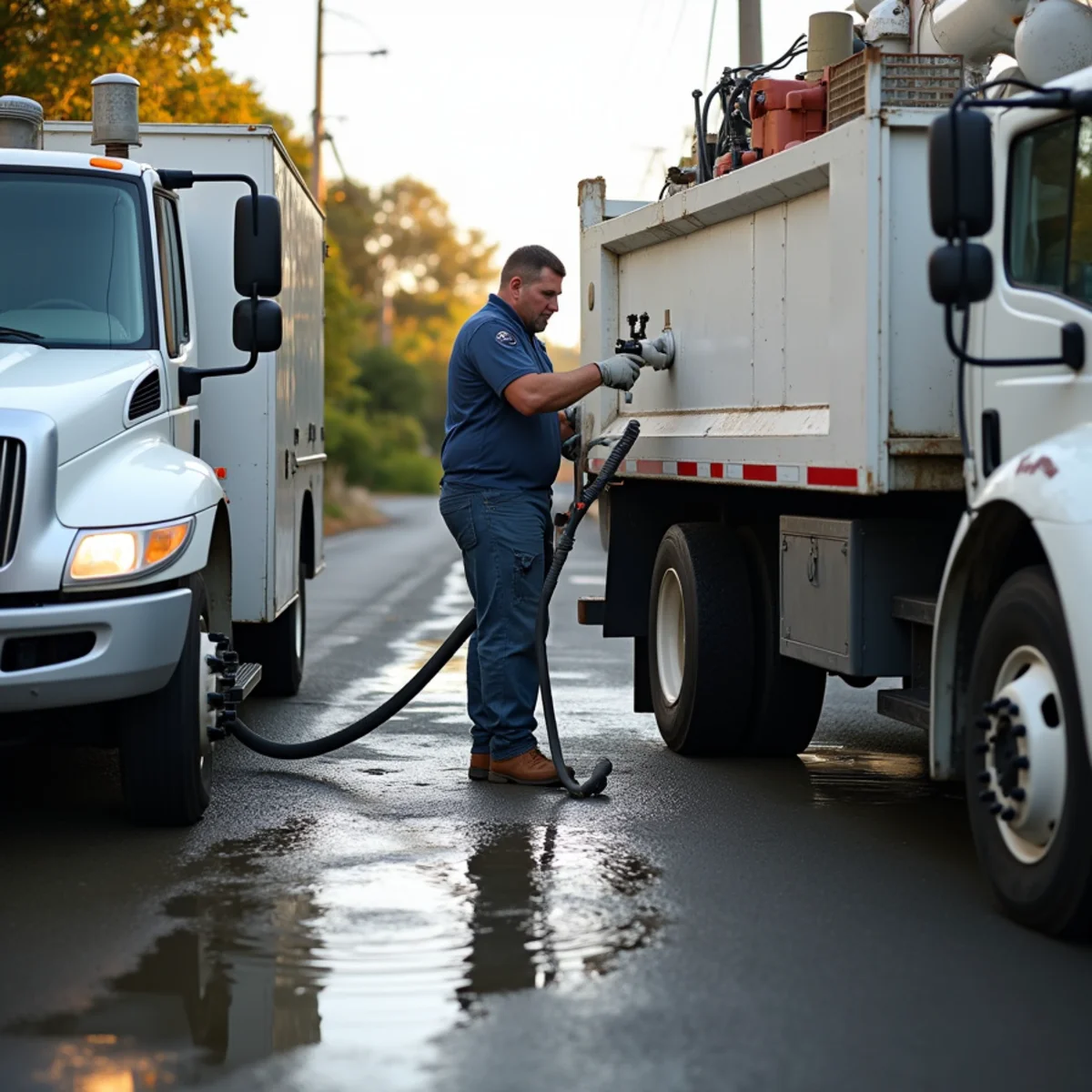
Water extraction is the fast, mechanical removal of standing and absorbed water from your home, and it is the single most damage-limiting step in any water loss. Water Damage Daly City runs truck-mounted extractors and submersible pumps that move serious volume in a hurry, and we head out as soon as you call, day or night. Every minute water sits, it soaks deeper into the subfloor, wicks higher up the drywall, and creeps under baseboards and cabinets toward rooms it has not reached yet, so if you have standing water spreading right now, call (201) 277-9344.
Speed matters for more than the mess you can see. A failed washing-machine hose or a burst galvanized supply line can put out water faster than most homeowners realize, and the longer it pools, the worse the loss gets on every axis at once. Clean Category 1 water slides toward contaminated Category 2 the longer it sits, the class of damage climbs as more porous material saturates, and in the damp Daly City air the countdown to mold has already started. The volume on the floor is only the visible part of the problem; the real damage is what the structure quietly drinks in while everyone waits for help.
We exist for exactly this moment. Extraction is a race, we treat it like one, and because we handle the full recovery there is no gap between pumping the water out and starting the drying. The fans go up the same visit, not next week. Pulling the maximum amount of water mechanically now is what shortens the drying that follows and keeps materials in the save column, so the faster we get there, the less you lose.
What’s included
- Live 24/7 dispatch with a real person on the line guiding you through shut-offs while the crew rolls
- Crews dispatched right away across Daly City and the north Peninsula, gear staged to start pumping on arrival
- Truck-mounted extractors that pull high volume continuously without needing to stop and empty
- Submersible pumps for deep standing water in garages, ground floors, and low rooms
- Portable extraction units and wands for stairs, upper floors, and tight spaces the truck cannot reach
- Deep-extraction passes that pull water out of carpet, pad, hard floors, and the subfloor beneath, not just the surface
- An immediate transition into structural drying so nothing is left damp to wick and spread overnight
When to call for water extraction
Catching these early keeps a small problem from becoming a major one.
Standing water anywhere in the home
Pooled water on a floor is a call-now situation, not a mop-it-later one. It is spreading and soaking in even when the surface looks still, and every hour it sits pushes the loss into higher-cost materials and a longer dry-out.
A garage or low room filling up
Garages sit at the low point of many Daly City homes and open right onto the driveway, so runoff, water-heater failures, and washer overflows collect there first. Water can rise fast against a shared wall and wick into stored belongings before anyone upstairs notices.
Carpet that squishes underfoot
If water rises up around your shoe when you step, the pad beneath is saturated and the subfloor is next in line. Surface blotting and a home vacuum will not touch it, because the water living in the pad and the seams has to be pulled out mechanically with a proper extractor.
Water migrating toward other rooms
Water follows gravity and the path of the framing, sliding under doors and wall plates toward the next room and the next. Extraction has to get ahead of that spread and pull the leading edge, not just clean up the puddle where it started.
A soft, warm, or damp spot on a slab floor
On the slab-on-grade foundations common here, a warm patch, damp flooring with no spill above it, or the faint sound of running water can mean water is surfacing from a failed line under the slab. That water needs extracting and the source found, because it will keep feeding the floor until it is stopped.
What to do before our crew arrives
Safe, simple steps that limit the damage while help is on the way.
- 1
If water is still coming in, stop it at the fixture valve or the main and keep it off.
- 2
Move cars out of a flooding garage and lift boxes, paint cans and garden chemicals onto shelves or a workbench.
- 3
Clear a path from the street to the wet area: open side gates, prop doors and free up driveway space so hoses and equipment can come straight in.
- 4
Don't run a household vacuum on wet floors, and keep extension cords out of standing water.
- 5
If the water came from a toilet or floor drain, treat it as contaminated and stay out of it rather than sweeping it toward a drain.
- 6
Note roughly when the water started and how long it ran; it helps us judge how deep it has soaked.
How we handle water extraction
- 1
Stop the source and make the area safe
We shut the water off at the source if it is still flowing and check for electrical hazards and unstable materials before anyone steps into the affected area. Standing water and live circuits are a dangerous mix, so safety comes before the first gallon is pumped.
- 2
Assess volume and water category
We gauge how much water is present and whether it is clean Category 1, gray Category 2, or contaminated Category 3, because that classification decides which equipment comes in, how the water is disposed of, and what material has to be removed rather than saved.
- 3
Pump out the bulk standing water
Submersible pumps clear the deep water first, moving high volume out of flooded garages, low rooms, and ground floors quickly so the crew can get to the absorbed water underneath. Bulk removal is the fastest single lever on the total drying time.
- 4
Deep-extract carpet, pad, and hard surfaces
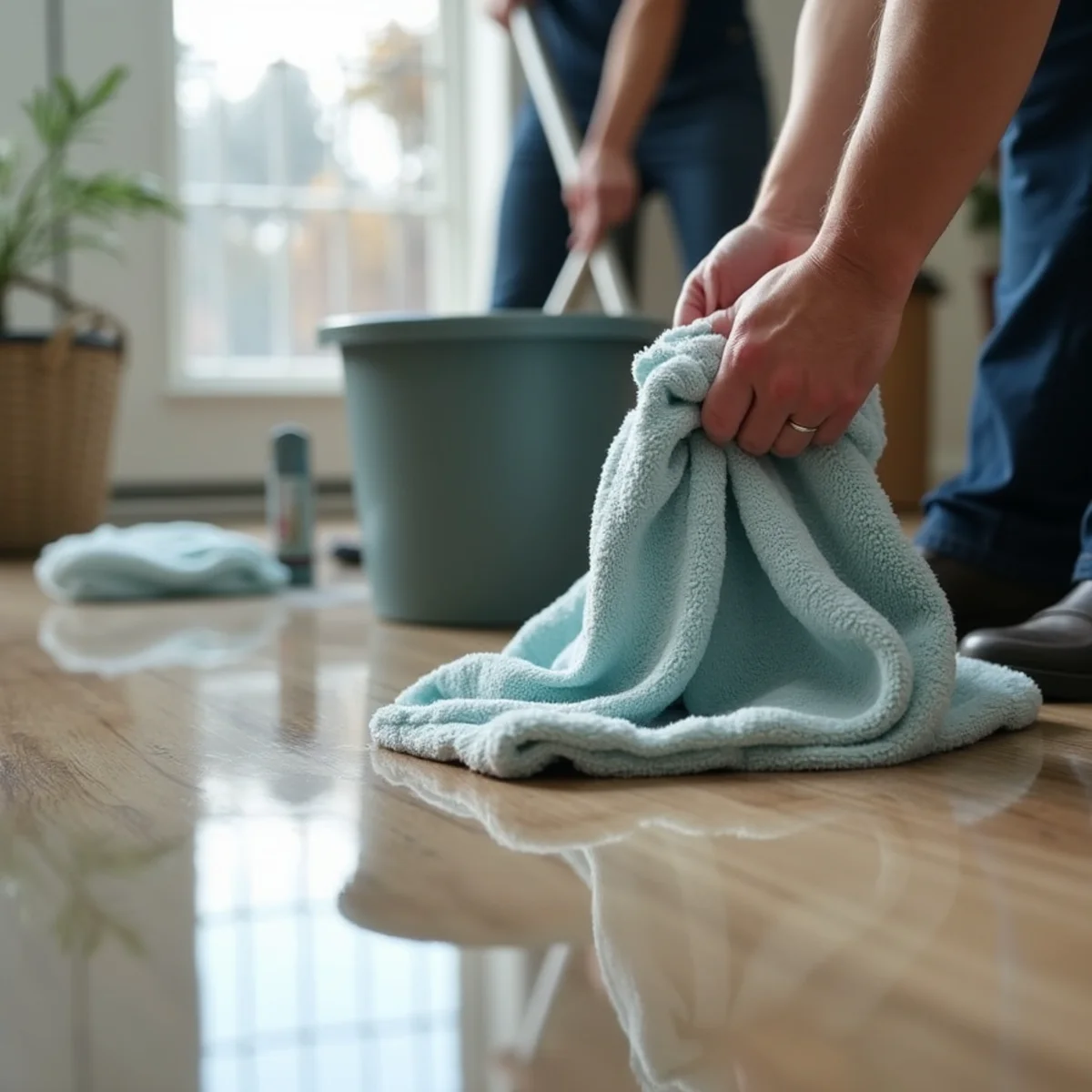
Truck-mounted and portable units make weighted extraction passes to pull the water trapped in carpet, padding, and along the subfloor, reaching what a pump sitting on the surface cannot. The more water we remove now, the less the dehumidifiers have to evaporate later.
- 5
Detect and chase the hidden moisture
We use moisture meters and thermal-imaging cameras to map water that has migrated under walls, beneath cabinets, and across the slab, so nothing wet gets missed once the visible water is gone. Hidden trapped moisture is what rots framing and starts mold, which is why we find it before we leave.
- 6
Hand straight off to drying
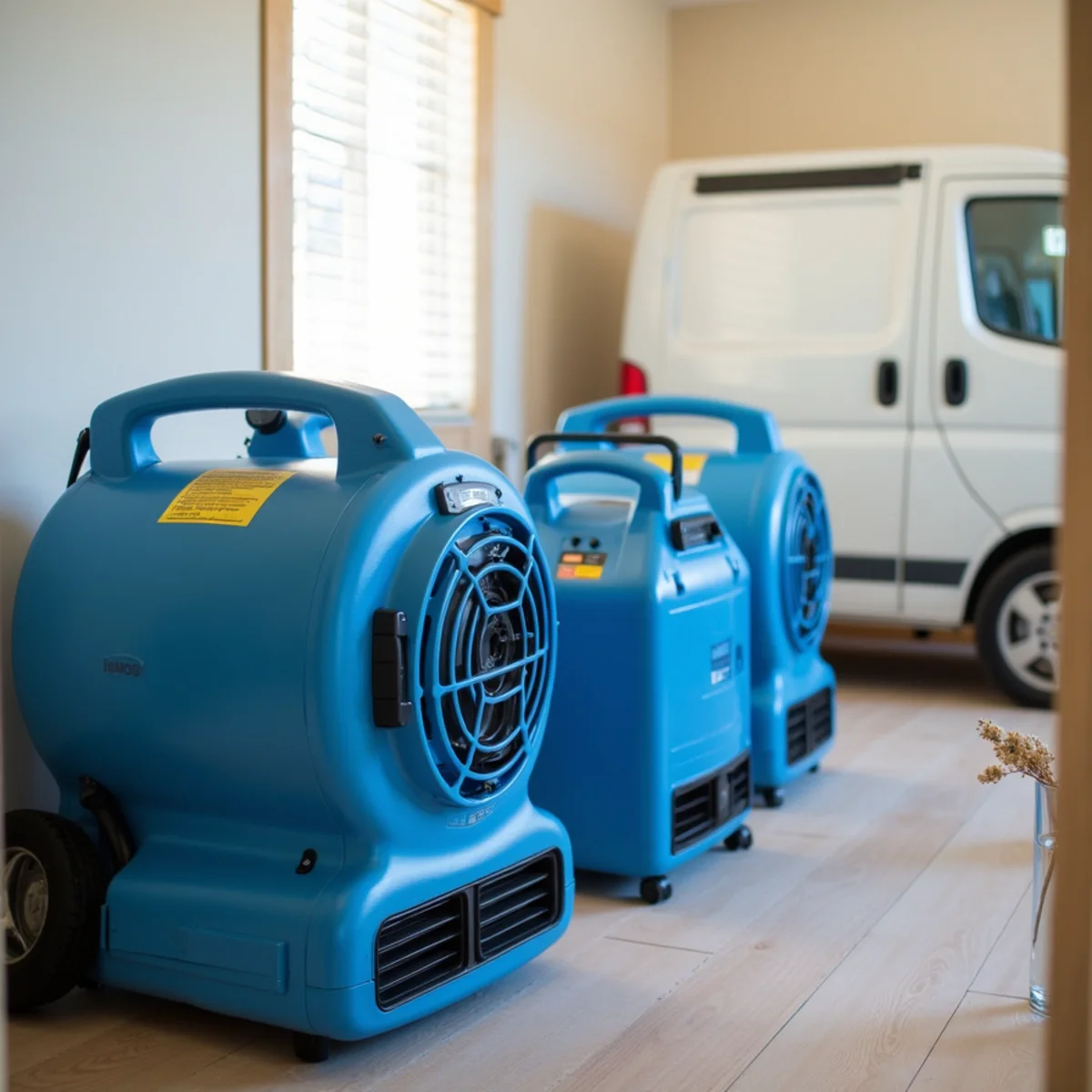
The moment extraction is complete, we set air movers and dehumidifiers so the structure begins drying immediately instead of sitting damp overnight. Because we run the whole recovery, extraction and drying are one continuous visit, not two separate appointments.
How long water extraction takes
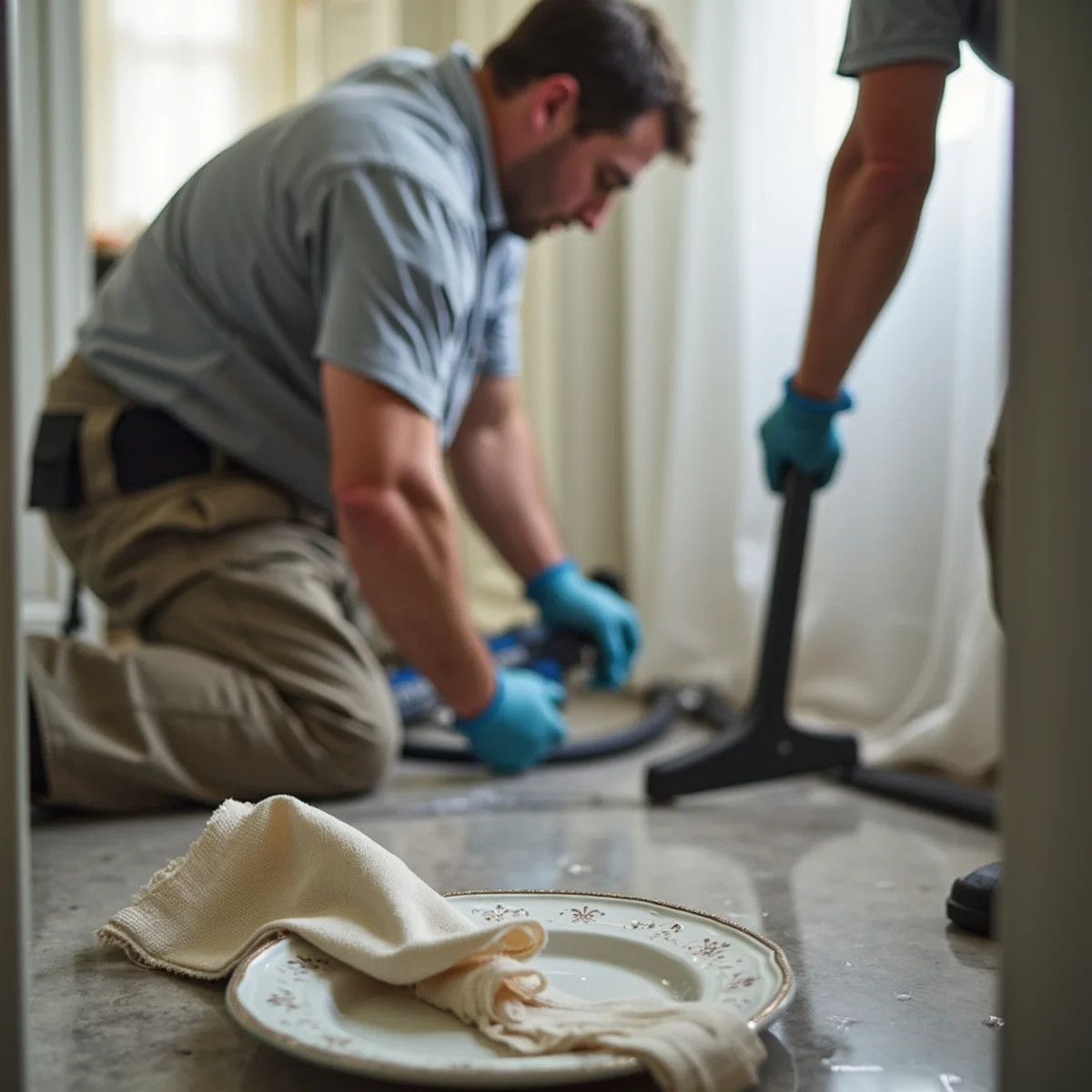
Pumping out standing water is usually the fastest part of a water loss and is often done on the first visit. How long it takes depends on volume, depth and access more than floor area: a flooded open garage clears quicker than the same water spread through carpeted bedrooms upstairs. Carpet and pad need extra passes, and a long hose run up a steep driveway or several flights of stairs slows things down. Extraction takes longer when the water is contaminated and porous materials have to come out at the same time, or when it has slipped under cabinets and walls and must be traced with meters before drying begins.
How to keep it from happening again
- Set the washer, water heater and anything stored in the garage on stands or shelving so a small flood never reaches them.
- Put a water alarm on the garage floor near the water heater and laundry, where many standing-water losses start.
- Keep driveway trench drains and garage floor drains clear of leaves and silt before the rainy season.
- Have the water heater flushed and inspected on the manufacturer's schedule; a rusting tank is a common source of sudden standing water, and our guide to a leaking water heater lists the early signs.
- Close the washer's supply valves when you'll be away for more than a few days.
What goes into your estimate
Every water loss is different, so we never quote blind. After a free inspection we give you a clear, itemized estimate. These are the factors that move the price:
- The total volume of water and the size of the affected area
- The category of water, since contaminated water requires more containment, protective equipment, and disposal
- The depth of standing water and whether submersible pumps or extraction wands are the right tool
- How far the water migrated into carpet, pad, subfloor, and adjacent rooms before it was pulled
- Access to the affected space, including upper floors, stairs, or tight crawl areas that slow the work
- How quickly extraction began before the materials reached full saturation
- Whether saturated carpet pad or other unsalvageable materials must be removed and hauled away
- The number of rooms or levels the water reached and had to be extracted from
Why Daly City trusts us for this
Genuinely fast, because speed is the service
Extraction is a race against absorption, and we run it like one. Live dispatch and local crews across Daly City mean we are pulling water while it is still doing the least damage, not after it has spread through three rooms.
The right pump for the job already on the truck
From truck-mounted extractors for high continuous volume to submersibles for a flooded garage and portable wands for a second-floor hallway, we bring equipment sized to the actual loss rather than a shop-vac and good intentions.
We find the water you cannot see
Thermal-imaging cameras and moisture meters catch water that has slipped under walls, beneath cabinets, and across a slab. Pulling the visible water is the easy part; the trapped water is what quietly causes rot and mold, and that is the water we chase down.
Extraction flows straight into drying
Because we handle the full recovery, there is no dead time between pumping out and drying down. The fans and dehumidifiers go up the same visit, so the structure is never left to sit wet waiting on a second company.
Related Services
Helpful Reading
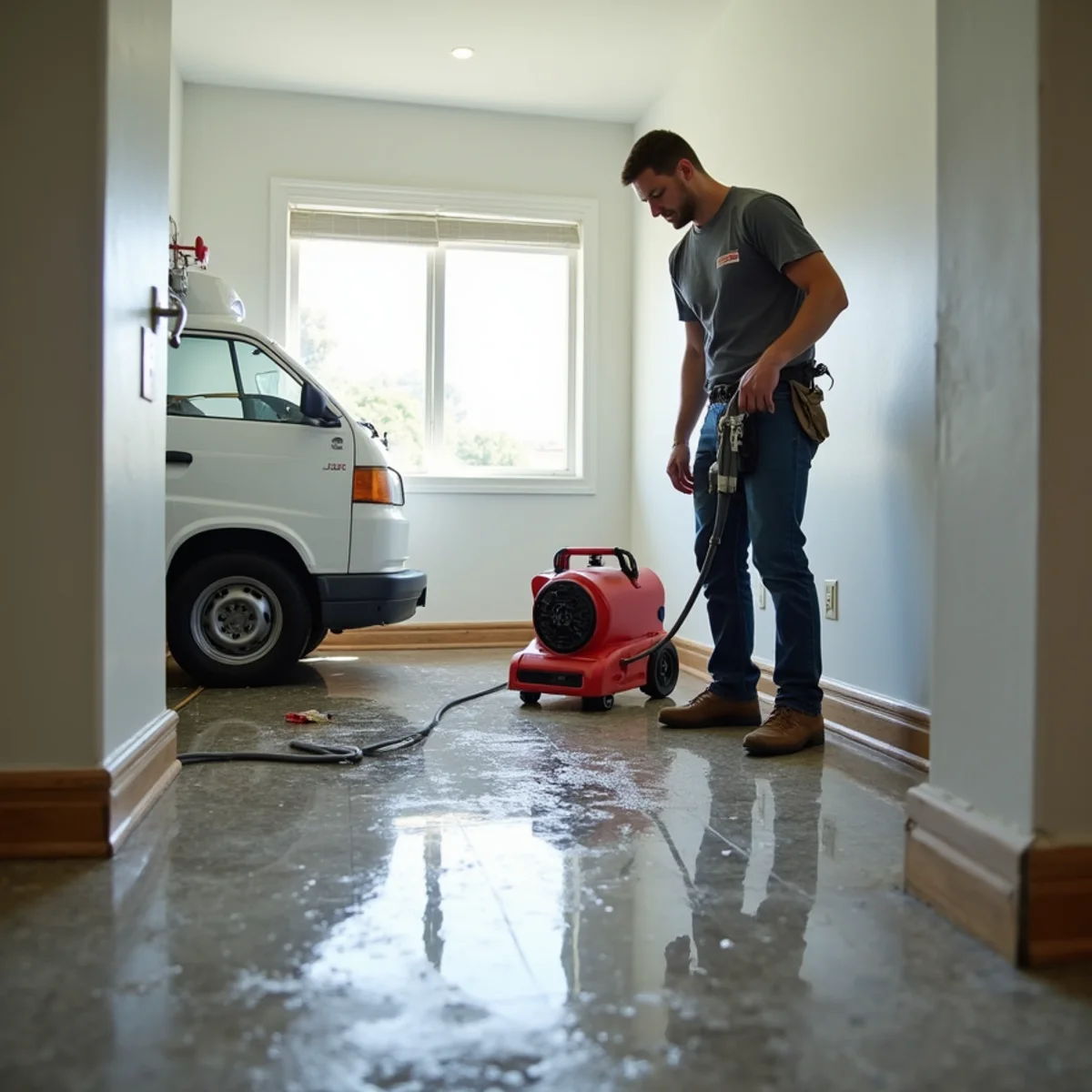
How Long Does Water Damage Take to Dry? Walls, Subfloors, Hardwood and Concrete
Wet drywall, a soaked subfloor and a concrete slab all dry at very different speeds. Here is what controls the timeline, and how a moisture meter, not a fingertip, decides when drying is done.
Read article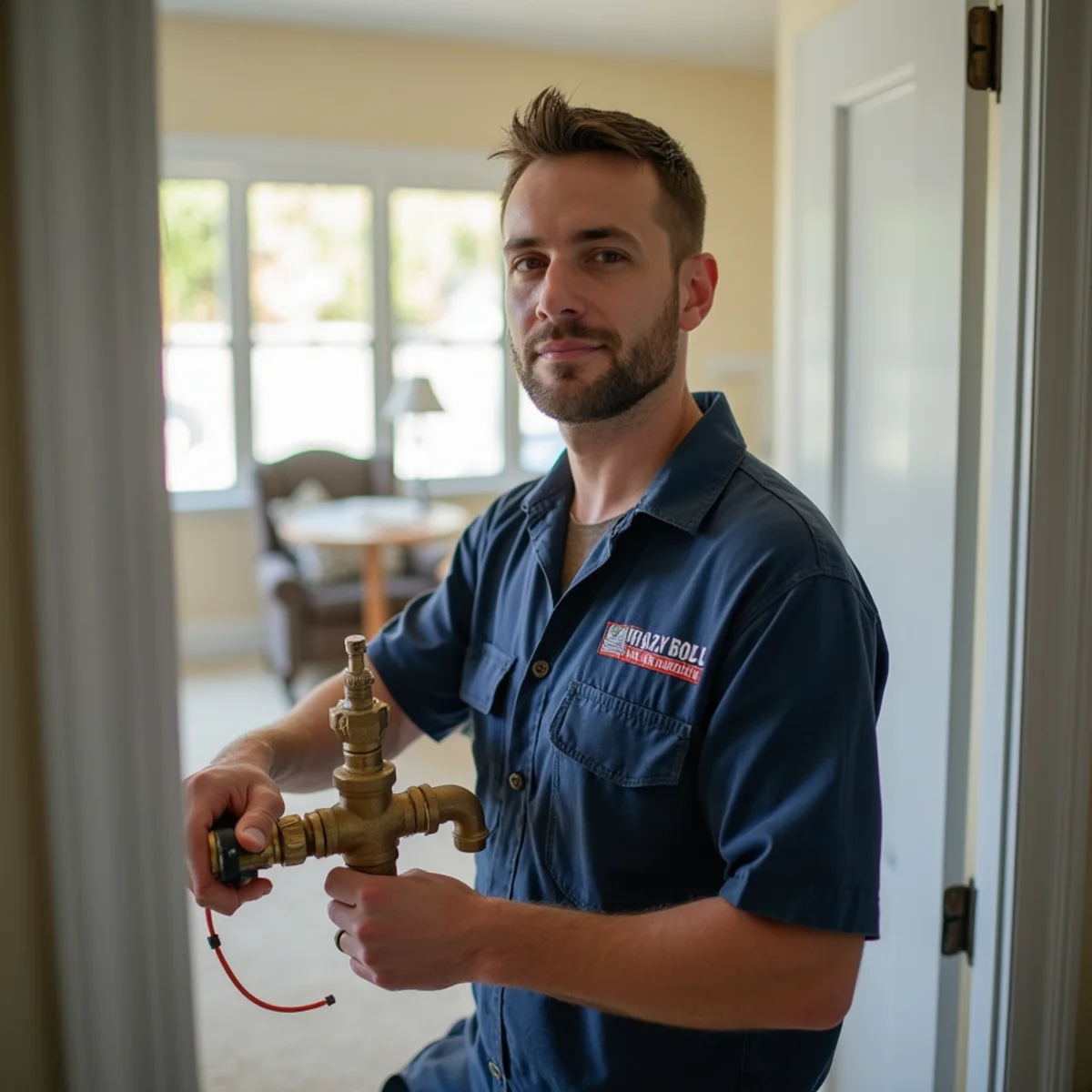
What to Do in the First 24 Hours After Water Damage in Your Daly City Home
The first day decides how much you lose. Here’s exactly what to do — and what to avoid — in the first 24 hours after water damage in Daly City.
Read article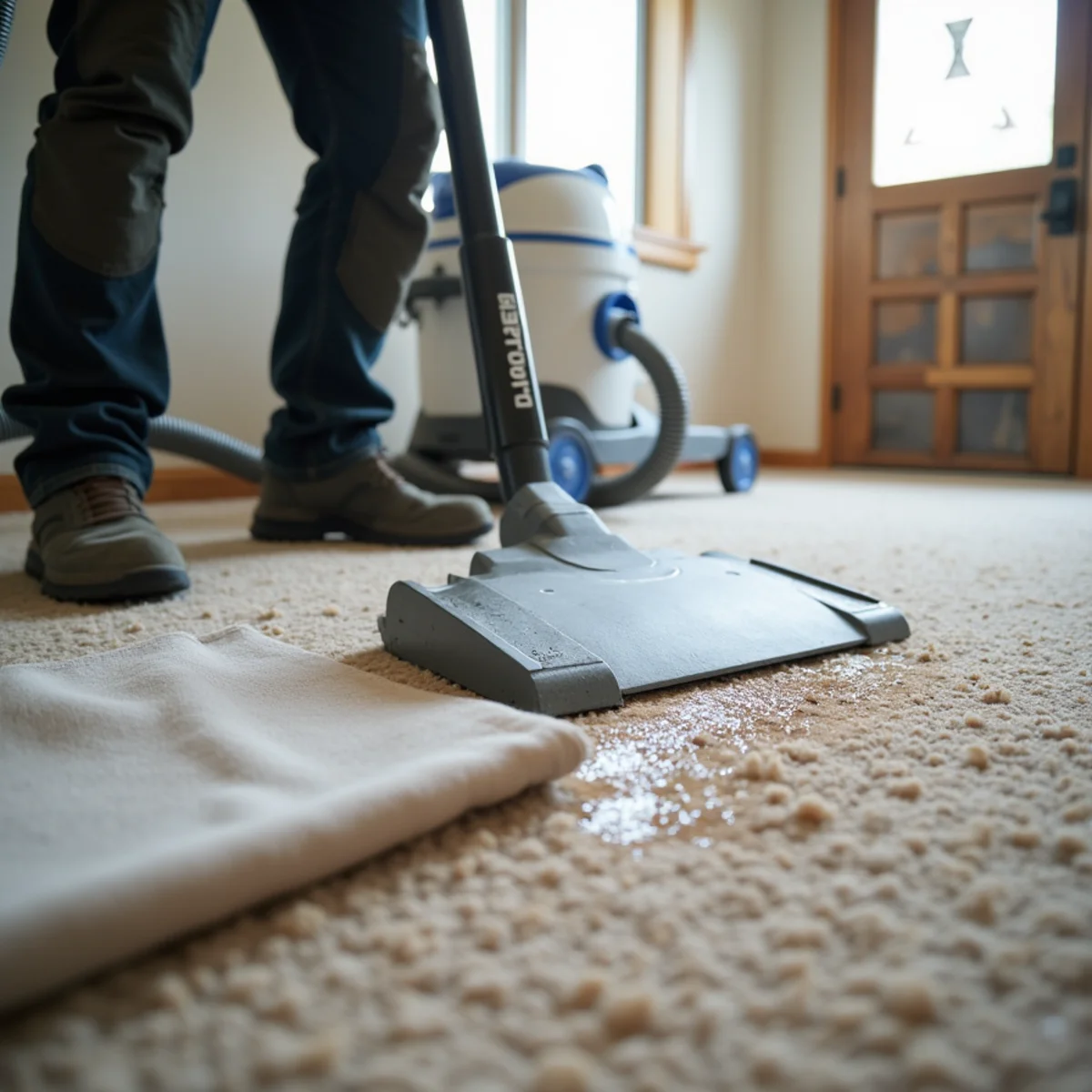
Wet Carpet After Water Damage: Can It Be Saved, and What Happens to the Pad?
The carpet you see and the pad you do not are two different decisions. Here is how to make both, and how to dry what can be kept.
Read articleWater Extraction across Daly City & the Peninsula
We provide water extraction throughout Daly City’s neighborhoods and the surrounding Peninsula — from the fog-belt hills to the coast to the bay. Not sure if we reach you? Call (201) 277-9344 and ask.
Water Extraction questions, answered
We dispatch around the clock the moment you call and give you a real arrival estimate on the phone. With standing water, a fast start directly limits how far the damage spreads and how much material soaks past saving, so we move fast on every call and start coaching you through shut-offs the moment you reach us.
You can remove some surface water, but a home wet vacuum cannot pull the water trapped in carpet pad, subfloor, and wall cavities, which is where the real problem lives. That hidden moisture is what leads to cupped floors, swollen trim, and mold, and it takes truck-mounted extraction and deep-extraction passes to actually get it out.
Yes, and they are among the most common extractions we run here, because garages sit low and catch runoff, water-heater failures, and washer overflows. We use submersible pumps to clear the deep water quickly, then extract and dry the slab and the shared wall that the water wicked into.
We move straight into structural drying, placing air movers and LGR dehumidifiers and taking baseline moisture readings so we can track progress. Extraction removes the bulk, but extraction and drying together are what actually prevent the secondary damage, so we never stop at pumping the water out.
Carpet caught quickly and soaked with clean water can often be saved by extracting and drying it in place, and we lift it to dry the pad and subfloor beneath. The pad, which acts like a sponge, is more often replaced than the carpet itself. Water category matters too, since anything contaminated usually has to go regardless of how fast we arrive.
The main factors are how much water there is and how deep it sits, the category of water, the square footage and number of rooms it reached, and how hard the water is to access — a tight crawl space versus an open floor. How long it sat before extraction also matters, because deeper saturation takes more work to clear. We itemize all of it so you can see exactly what drives the total.
24/7 Emergency Response
Need water extraction in Daly City? Call now.
Call now for a free inspection. A real person answers day or night and dispatches a crew right away.