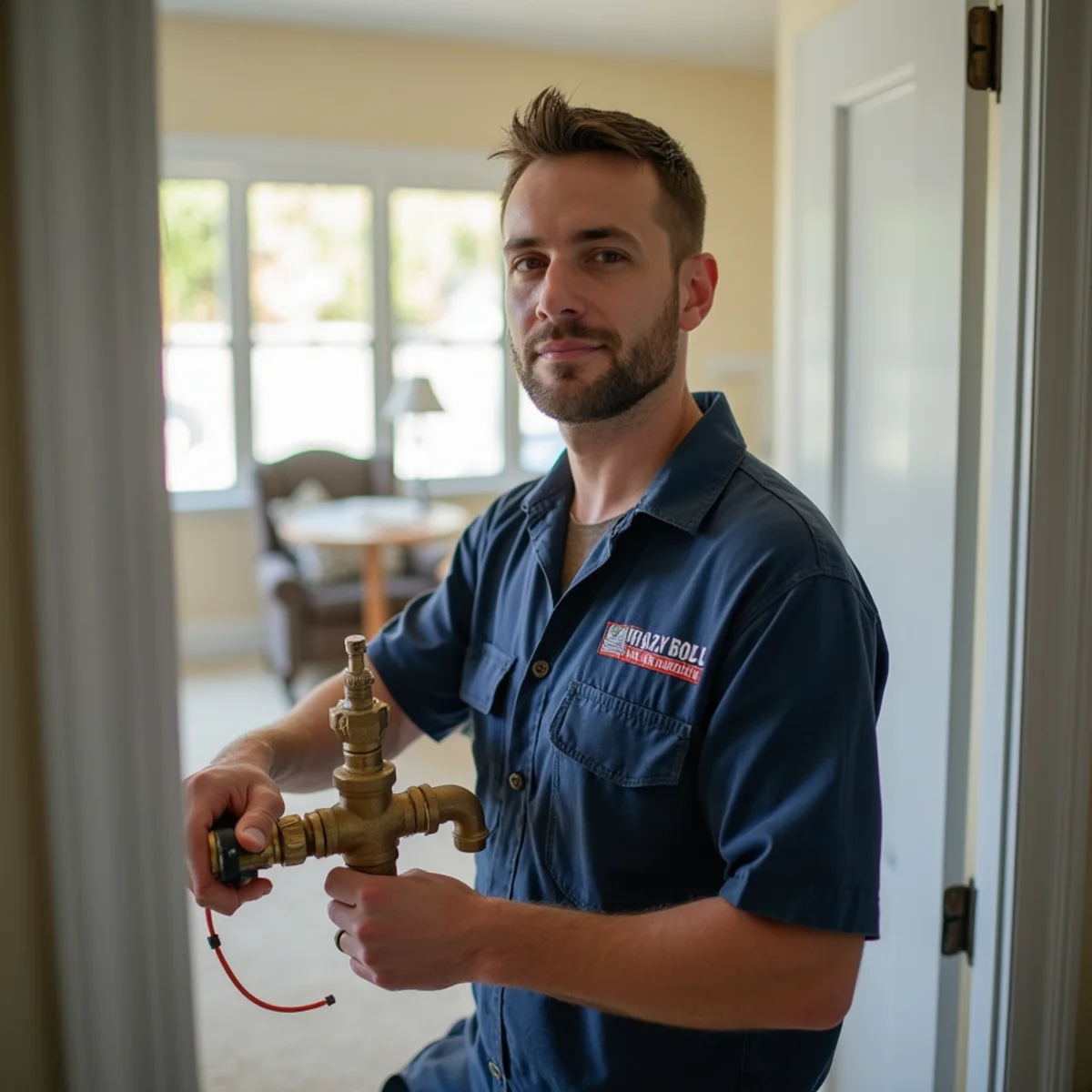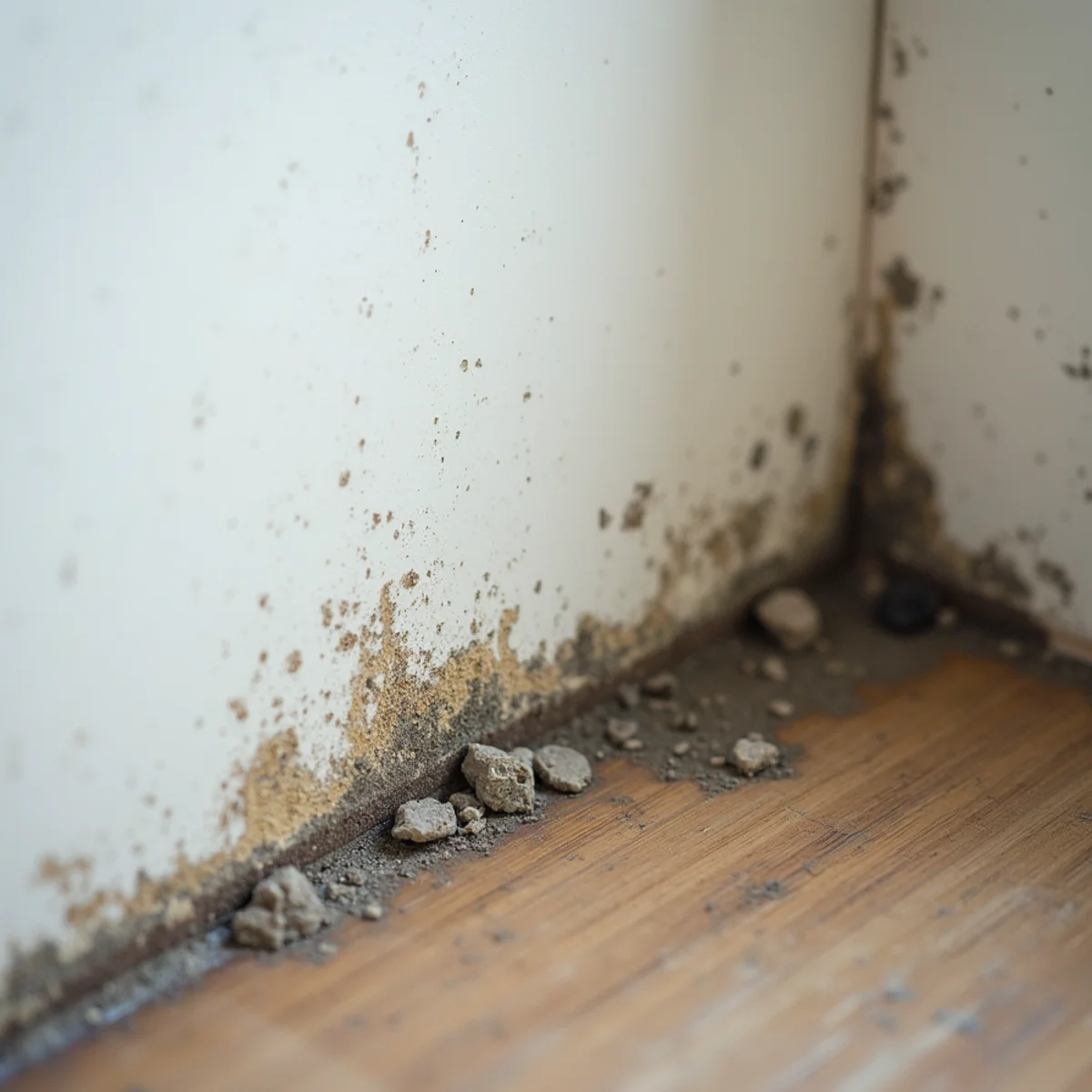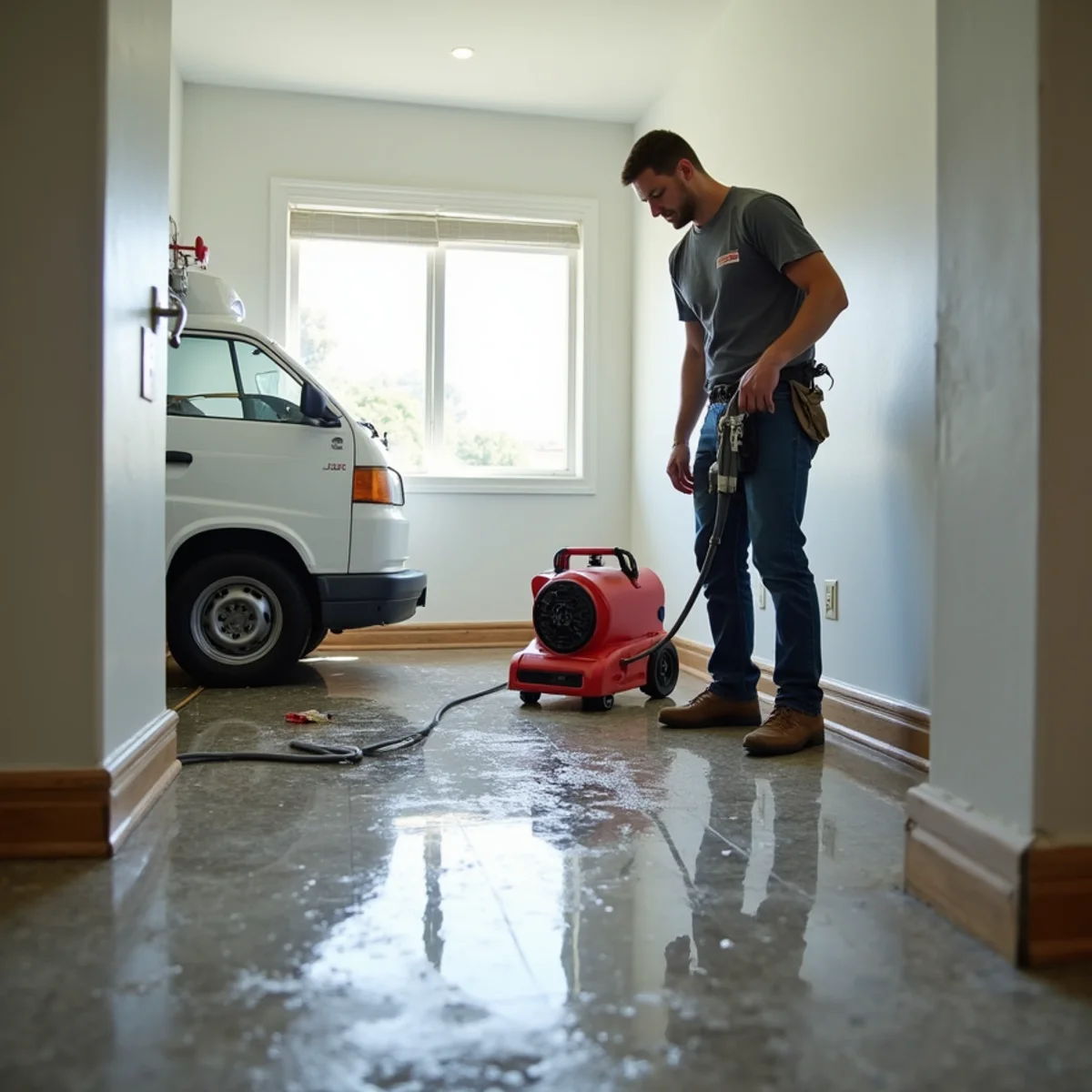
Wet drywall, a soaked subfloor and a concrete slab all dry at very different speeds. Here is what controls the timeline, and how a moisture meter, not a fingertip, decides when drying is done.
There is no single drying time for water damage. A clean-water loss caught quickly and dried with professional equipment is usually a matter of days, while dense materials such as hardwood, plaster and concrete slabs dry much more slowly, and water that sat for a long time or soaked into several layers stretches the timeline further. The real finish line is a moisture-meter reading that matches unaffected material in the same home, not a surface that feels dry.
Homeowners usually ask this question while air movers are roaring in the hallway, so it helps to know what the crew is waiting for. Professional structural drying is controlled evaporation: air movers pull moisture out of materials, dehumidifiers pull it out of the air, and daily readings show whether the plan is working. Here is what controls the speed, how each material behaves, and how a technician decides it is actually done.
Why "Looks Dry" Is Not the Same as Dry
Surfaces dry first. Paint, the face of drywall, and the top of a carpet lose moisture to the air quickly, so a room can look and feel dry within a day while the inside of the wall, the carpet pad, the bottom plate of the framing and the subfloor are still wet. Water also wicks: drywall draws water upward from a wet floor, and plywood or OSB subfloor spreads it sideways under finished flooring. Anything sealed on top, such as vinyl plank, sheet vinyl, tile or a wall with oil-based paint or vinyl wallpaper, traps moisture underneath and slows evaporation dramatically.
That gap between surface and core is why the restoration industry measures moisture rather than judging by touch. A moisture meter reads into the material, and a thermal camera shows the cooler signature of wet areas behind finishes. Close up a wall that is still wet inside and you have built a sealed, damp cavity, which is exactly where mold gets started.
What Controls How Long Drying Takes
- The materials involved. Thin, porous materials like drywall give up water relatively fast. Dense materials like hardwood, plaster and concrete hold water tightly and release it slowly.
- How long the water sat. The longer water stays in place, the deeper it soaks into framing and subfloor, and the further it wicks.
- Water category. Clean water can often be dried in place. Gray or black water usually means removing porous materials rather than drying them, which changes both the timeline and the plan.
- Class of loss. The IICRC S500 standard classifies how much water is present and how hard it will be to evaporate, from a small area of low-porosity material up to specialty drying for dense materials. Our guide to water damage categories and classes explains both scales.
- Indoor humidity and temperature. Air that is already damp cannot absorb much more water. Warm, dry air speeds evaporation.
- Airflow and access. Moving air across wet surfaces, and into wall cavities and under cabinets, speeds drying. Sealed spaces stay wet.
- Equipment sizing. The number of air movers and the capacity of dehumidifiers are matched to the room size and class of loss. Too little equipment stalls the job.
The fog-belt factor
On the Peninsula's foggy west side, outdoor air is often cool and close to saturated, especially in summer. Opening windows to "air things out" on a foggy Daly City afternoon usually adds moisture to the room rather than removing it. Professionals close the area into a drying chamber and let the dehumidifiers control the air inside, which is why the windows stay shut while the equipment runs.
How Each Material Dries
| Material | Why it dries slow or fast | What professionals do |
|---|---|---|
| Drywall | Thin and porous, so it dries relatively quickly once air reaches both sides, but it wicks water upward and the back side sits in a closed cavity | Remove baseboard, drill small vent holes or cut a flood line, and direct air into the cavity |
| Wall insulation | Batt insulation holds water and blocks airflow inside the cavity | Usually removed when saturated, which lets the cavity dry |
| Wood framing (studs, bottom plate) | Solid lumber dries from the outside in, and the bottom plate sits right where water collects | Expose the framing, measure it directly, and keep air and dehumidification on it until readings drop |
| Plywood or OSB subfloor | Layered and often covered by finished flooring, so moisture is trapped between layers | Remove pad or covering where needed, use floor drying systems, and dehumidify the space below if accessible |
| Hardwood flooring | Dense wood absorbs water slowly and releases it slowly, and drying too fast can cause cracking | Specialty drying mats or panels that draw moisture through the boards, with gradual, monitored drying |
| Carpet and pad | Carpet dries readily; pad acts like a sponge and is commonly replaced | Extract thoroughly, remove pad, and float or dry the carpet in place when the water category allows |
| Plaster and lath | Dense and thick, found in older homes, and slow to release moisture | Longer equipment time, targeted airflow, and sometimes heat-assisted drying |
| Concrete slab | Very dense and can hold large amounts of water for a long time | Remove floor coverings, use dehumidification and sometimes heat or desiccant drying, and test before new flooring goes down |
| Particleboard and MDF cabinets | Swell and lose strength when wet and often do not recover | Usually removed; toe kicks pulled so air can reach the floor underneath |
Walls and drywall
The question is often less about how long drywall takes and more about whether it should be dried at all. Clean-water drywall that is not swollen or crumbling can usually be dried in place once air reaches the cavity, while drywall soaked by gray or black water is removed. Our post on whether wet drywall can be saved covers how that call is made.
Subfloors and hardwood
Water that runs under flooring sits between layers with very little airflow. Hardwood floors that have started to cup may flatten again with careful drying, but only if the subfloor underneath dries too. Rushing it with heat can crack boards. Hardwood floor water damage work uses drying mats or panels that pull moisture up through the wood while the room is dehumidified.
Concrete slabs
Many Westlake homes sit on slab-on-grade foundations, and a slab that has been flooded, or fed from below by a slab leak, holds water much longer than the room above suggests. New flooring is the trap here: vinyl, laminate and engineered wood installed over a damp slab can fail later. Flooring manufacturers set their own moisture limits for installation over concrete, so the slab should be tested against those limits before anything goes down.
How Professionals Know It Is Dry
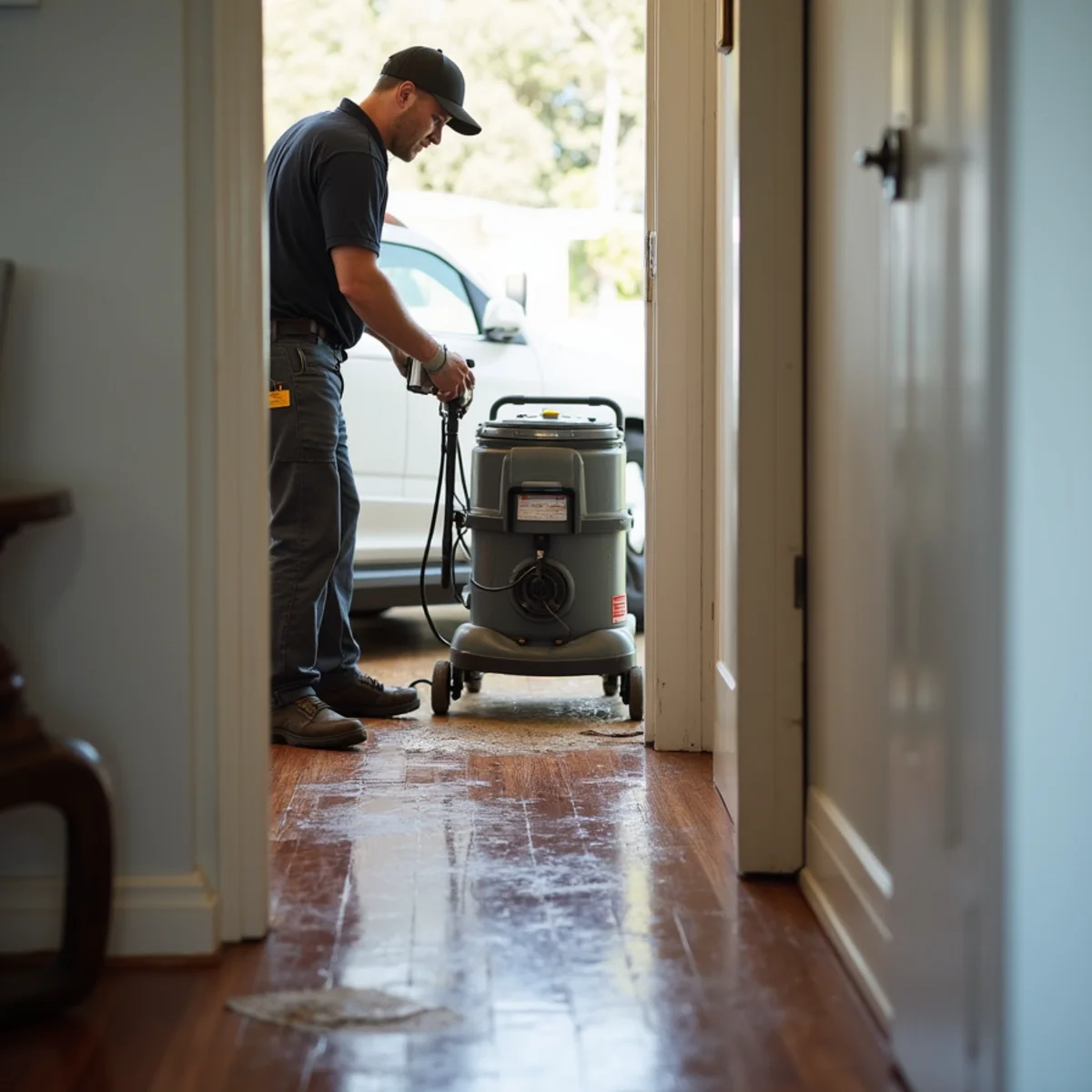
Drying ends on numbers. At the start of the job, the technician takes a dry reference reading from the same type of material in an unaffected part of the home, for example drywall in a room the water never reached. That reading, along with the material type, sets the drying goal. The job is finished when the wet materials reach that goal, a condition the industry calls the dry standard. It is a comparison to your own home, not a generic number, because normal moisture content varies with the material and the local climate.
A proper drying log, kept to the IICRC S500 standard, usually records:
- Moisture readings at the same marked points on each visit, compared against the dry reference.
- Temperature and relative humidity inside the drying area, outdoors, and at the dehumidifier exhaust, so the technician can confirm the dehumidifiers are removing water.
- The number and position of air movers, dehumidifiers and any specialty drying equipment, and changes made each day.
- Materials removed and why, with photos.
Those logs serve two purposes. They tell the crew where to move equipment next, and they give your insurance adjuster proof that drying reached a measured standard. If a company cannot show you readings, ask why. The full sequence is laid out in our guide to the water damage restoration process.
What Slows Drying Down
- Turning equipment off at night or unplugging it to cut the noise. Drying stalls, and wet materials can reabsorb moisture.
- Opening windows in fog or rain, which lets damp outdoor air into the drying chamber.
- Leaving baseboards, toe kicks and wet insulation in place, which keeps air from reaching wet cavities.
- Moving or covering air movers and dehumidifiers. They are placed to aim at specific wet areas.
- An unresolved source. A slow drip from a supply line, a roof leak or groundwater seepage keeps re-wetting the structure.
- Starting late. Every day the water sits before drying starts, it spreads further and soaks deeper.
Can You Dry Water Damage Yourself With Fans?
For a small spill of clean water on a hard floor that you catch right away, yes: mop up, run fans, use a household dehumidifier, and watch for changes over the next few days. Beyond that, fans alone have limits. A box fan moves air across the surface, but without enough dehumidification the moisture it lifts simply stays in the room. Household units are sized for keeping a basement comfortable, not for pulling water out of a soaked wall or subfloor. And without a moisture meter, you cannot tell when the inside of the material is actually dry.
Bring in professional water mitigation when water reached drywall, insulation, carpet pad or subfloor, when it came from a toilet, drain line or outdoor flooding, when it sat for more than a day, or when you plan to file an insurance claim and need drying records.
The Mold Clock Runs While You Dry
The EPA advises drying water-damaged areas and items within 24 to 48 hours to prevent mold growth. That is why extraction and drying start right away, even before the full scope is known, and why materials that cannot be dried fast enough are removed instead. Our post on how fast mold grows after water damage explains what happens inside that window and what to look for if drying started late.
If you have wet walls, floors or a flooded slab, call (201) 277-9344. We will map the moisture, set a drying plan matched to your materials, log readings until everything reaches its dry standard, and start with a free inspection.
Frequently asked questions
Usually, yes, for clean-water losses. The equipment is loud and generates some warmth, and the affected rooms may be closed off, but most families stay home. Leaving can make sense if the water was contaminated, if a kitchen or the only bathroom is out of service, if someone in the home has respiratory sensitivities, or if the drying area includes bedrooms. Ask your technician what to expect and keep the equipment running continuously, including overnight.
To let air into places that would otherwise stay wet. Water collects at the bottom of wall cavities, behind baseboards and under cabinets, and those spaces have almost no airflow. Removing baseboard, drilling small holes behind where it was, or pulling toe kicks lets air movers and specialty systems dry the cavity in place. It often saves the rest of the wall, and the holes are hidden when the baseboard goes back on.
Moderate warmth helps evaporation, but heat alone is not the answer. Warming a room without removing the moisture just raises the humidity, and that damp, warm air can push moisture into unaffected areas and favor mold growth. Heat works when it is paired with dehumidification and airflow, and dense materials like hardwood need careful, gradual drying to avoid cracking. Ask your technician before changing the thermostat; they may want a specific temperature range.
When moisture readings show the materials have reached their drying goal, not when the surface feels dry. For walls, that means the framing and any remaining drywall read close to the dry reference taken from unaffected material. For floors over a slab, it means testing the concrete against the flooring manufacturer's moisture limits. Closing up early traps moisture inside, which can lead to mold, odor and failed flooring. A written drying log is your confirmation.