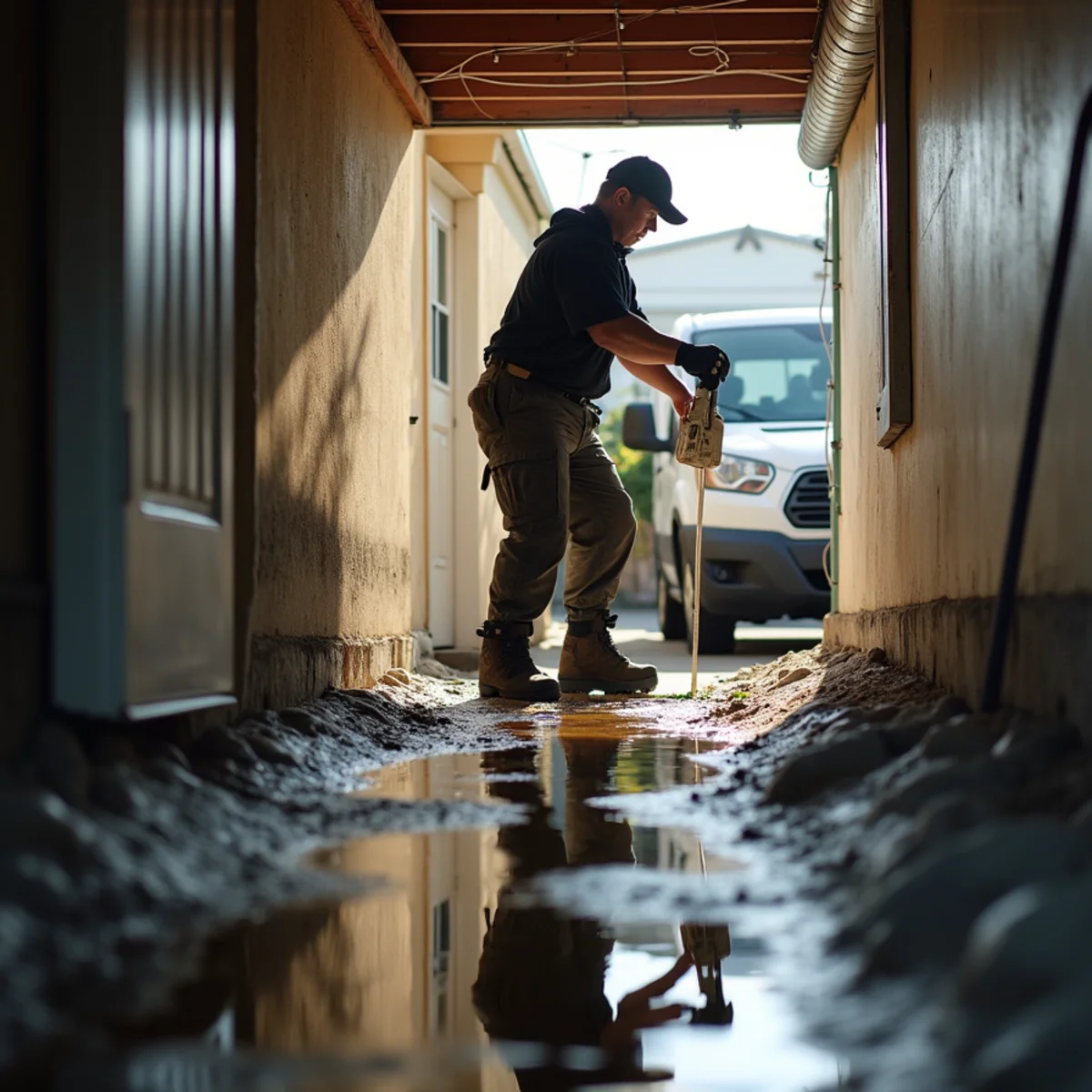
Crawl Space Water Removal & Drying in Daly City, CA
Answered live 24/7 Free inspection Direct insurance billing
Get a Free Estimate
Use the form or call our 24-hour hotline at (201) 277-9344.
- 24/7 Emergency Service
- Free On-Site Inspection
- Direct Insurance Billing
- Local Daly City Crews
Trusted Crawl Space Water Removal & Drying in Daly City
Water Damage Daly City removes standing water from crawl spaces and dries the structure underneath your home. We answer 24/7 and dispatch a crew right away, then go under the house ourselves to pump out the water, dry the joists and subfloor, and treat the wood before mold and rot take hold.
You'll usually smell a wet crawl space before you see it, an earthy, damp odor drifting up through the floor vents, or a chill the furnace never quite beats. Under a Daly City home, in the space you almost never open, the fog belt keeps the ground cool and humid, so standing water doesn't evaporate; it lingers. That constant moisture rots the floor joists and subfloor from below, corrodes the joist hangers and nails, and turns the underside of your house into an ideal mold farm. Storm runoff, a failed sump, a slab or supply leak, and Colma's high water table near the creek can all send water into a crawl space where it sits in the dark for weeks. By the time your floors feel soft or start to bounce, the damage has been building for a long time.
We get the water out, dry the space down, and treat what the moisture left behind. Our crew pumps out the standing water with submersibles, dries the framing with the right equipment, and applies an EPA-registered antimicrobial to stop mold and slow decay. Call (201) 277-9344 and we'll crawl under there, see it for ourselves, and tell you exactly what's happening beneath your feet.
What’s included
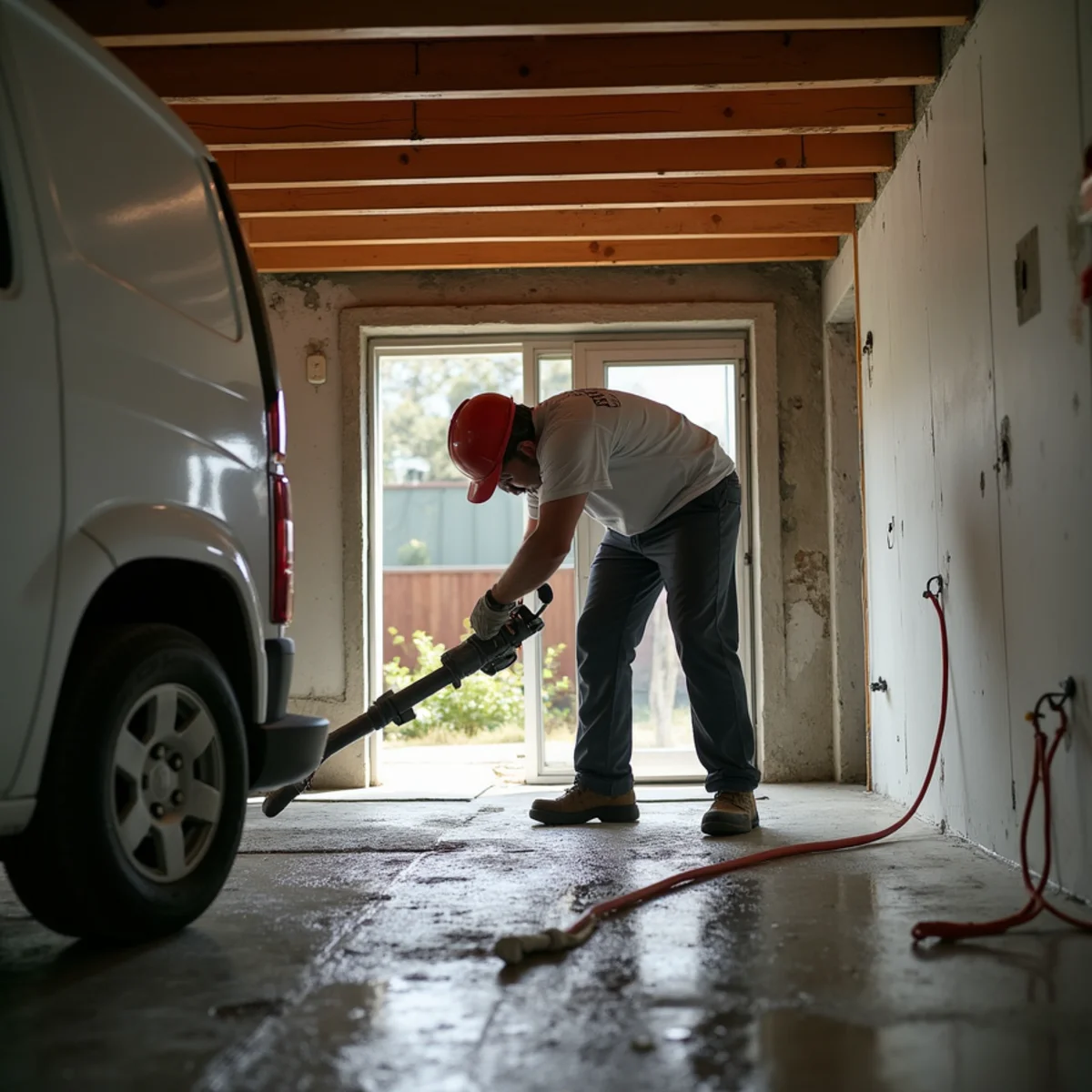
- Pump-out of standing water from the crawl-space soil with submersible pumps
- Structural drying of floor joists, girders, and subfloor from underneath
- EPA-registered antimicrobial treatment to stop mold and wood rot at the source
- Removal of soaked, sagging, or contaminated insulation and torn vapor barrier
- Penetrating moisture readings on the framing to confirm the wood is genuinely dry
- Honest assessment of joist and subfloor condition after prolonged wetness
- Live 24/7 response with a crew dispatched right away
When to call for crawl space water
Catching these early keeps a small problem from becoming a major one.
A musty smell rising through the floors
Air from the crawl space is drawn up into your living space through gaps around plumbing and floor penetrations, the stack effect at work. A persistent earthy or mildew odor upstairs very often begins as standing water underneath.
Soft, bouncy, or sloping floors
When joists and subfloor stay wet, the wood loses stiffness and begins to give. Floors that flex underfoot or slope toward one corner are a warning that the structure below has been compromised by moisture.
Sagging or fallen insulation
Batt insulation soaks up crawl-space humidity, gets heavy, and drops off the underside of the floor. Insulation hanging down or piled on the vapor barrier is a clear sign the space has been holding moisture for a while.
Standing water after a storm or pump failure
A heavy atmospheric river or a sump pump that quit can leave water pooled across the crawl-space soil. In the fog belt it will sit there for weeks instead of drying, keeping the framing wet the entire time.
Rust on joist hangers, nails, and ductwork
Corrosion on the metal connectors, fasteners, and any ducting under the house tells you the air down there stays wet. That same moisture is working on the wood right next to the metal.
Condensation or frost on the subfloor
Beads of water or a damp sheen on the underside of the subfloor mean humid air is condensing on cool wood. Left alone, that surface moisture alone is enough to start mold even without any standing water.
What to do before our crew arrives
Safe, simple steps that limit the damage while help is on the way.
- 1
Do not go into a crawl space with standing water if there is wiring, a pump, or a furnace down there until power to that area is off, and stay out entirely if you smell sewage or gas.
- 2
If ducts or a furnace run through the crawl space, turn the heating system off so it does not pull damp, musty air into the rooms above.
- 3
If the water seems to be coming from a pipe, close the main shutoff; if it is rain, note from the access hatch where it is entering, such as a vent, a low corner, or the foundation wall.
- 4
Take photos or a short video from the access opening without crawling in, so the water level and its source are on record.
- 5
Walk the uphill side of the house and redirect any downspout or hose that is dumping water against the foundation.
- 6
If you see a drain pipe dripping under the house, stop using the fixtures that drain through it until it is checked.

How we handle crawl space water
- 1
Inspect and find the source
We go under the house to see the water for ourselves and read the framing with moisture meters, then trace where the water came from, whether storm intrusion, a plumbing leak, groundwater, or a failed pump. Finding the source matters, because a crawl space that isn't fixed at the cause just re-floods after we leave.
- 2
Pump out standing water
Submersible pumps clear the pooled water off the soil, and we keep going until the ground is no longer holding standing water and the framing is out of the wet. On a slow groundwater source we stage the pumping to stay ahead of it.
- 3
Remove ruined materials
Saturated insulation and torn vapor barrier hold water against the wood and feed mold, so we pull out what's soaked or contaminated and clear it from the space. Wet batt insulation can't be dried back to useful R-value, so removing it is part of drying.
- 4
Dry the structure
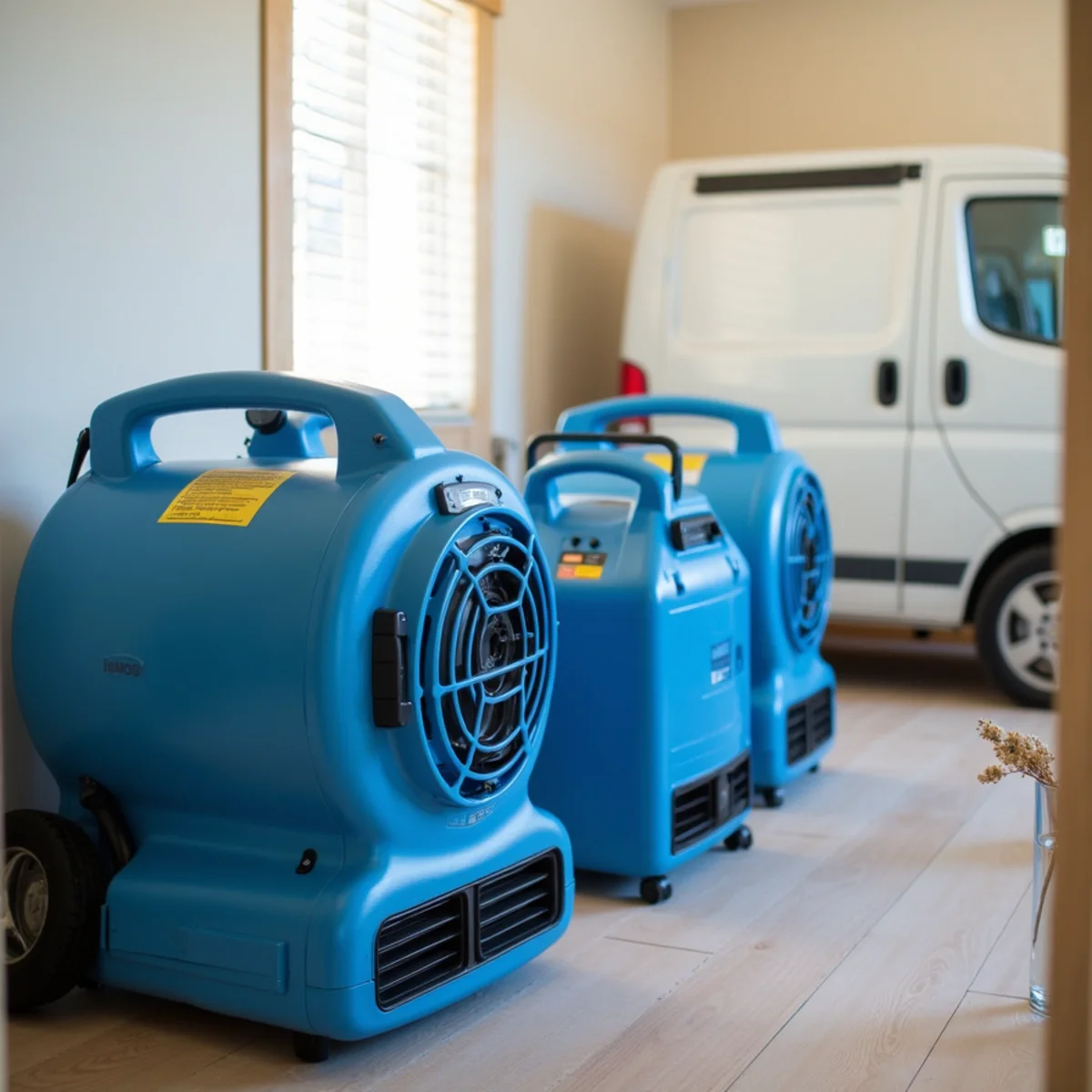
We position air movers and LGR dehumidifiers to pull moisture out of the joists, girders, and subfloor, and we monitor the humidity in the enclosed space with a hygrometer. Drying wood from below takes patience in this climate, so we watch the readings rather than call it done by eye.
- 5
Treat for mold and rot
Once the framing is drying, we apply an EPA-registered antimicrobial to the wood to stop mold and slow decay per S520 standards. This step matters because the fog belt is constantly trying to re-wet the space.
- 6
Verify and advise
We confirm dry framing with penetrating moisture readings and report on the real condition of the joists and subfloor. If we find rot or a persistent groundwater source, we tell you plainly what it will take, whether a vapor barrier, better drainage, or a sump, to keep the space dry long-term.
How long crawl space water takes
Pumping out standing water is normally a first-visit task, but drying the framing from underneath is the slower part. Joists, girders, and subfloor generally need several days of dehumidification after the water is gone, and that stretches when the soil keeps feeding moisture back, when tight access limits where equipment can go, or when insulation and vapor barrier have to come out before the wood can dry. A groundwater source that keeps seeping during a long storm can mean coming back to pump again as the rain continues. Joist or subfloor repair waits for dry readings, and drainage improvements are often best scheduled for the dry season.
How to keep it from happening again
- Keep a continuous vapor barrier over the crawl-space soil, overlapped at the seams and run up the foundation walls, and repair any tears after work under the house.
- Look under the house with a flashlight from the access hatch before and after each rainy season for standing water, fallen insulation, or drips.
- Make sure downspouts discharge well away from the foundation and that the soil around the house slopes outward, not toward the vents.
- Keep foundation vent openings clear of soil, plants, and debris, and make sure none sits at or below grade where runoff can pour in.
- Have any plumbing in the crawl space checked when fittings show corrosion or white crust, since a slow drip there can run unseen for months.
What goes into your estimate
Every water loss is different, so we never quote blind. After a free inspection we give you a clear, itemized estimate. These are the factors that move the price:
- The depth and area of standing water across the crawl-space soil
- How long the water sat and how deeply it soaked into the framing
- Whether soaked insulation and vapor barrier need removal and replacement
- The source and category of the water, from clean groundwater to a contaminated backup
- Access and headroom, which set how quickly a crew can work underneath
- Drying time, which the fog-belt humidity and cool soil tend to extend
- The extent of any mold treatment or joist and subfloor repair required
Why Daly City trusts us for this
We understand the fog belt from below
We know Daly City crawl spaces stay damp and won't dry on their own, so we don't just pump and leave. We dry to a verified reading and treat the wood, because half-drying a crawl space in this climate all but guarantees mold comes back.
We protect the structure, not just the space
The joists and subfloor are what keep your floors solid and level. We assess the wood honestly and address it directly, so a moisture problem underneath doesn't quietly turn into a structural repair on top.
We handle the local causes
From hillside runoff in Serramonte and St. Francis Heights to Colma's high water table and sumps that fail mid-storm, we've seen what actually floods crawl spaces around here. We remove the water and point you straight at the cause.
Thorough, start to finish
We dry to measured moisture targets and treat mold following the industry's S520 guidance. We're the ones willing to put on the suit, crawl under, and do the uncomfortable work the right way.
Related Services
Helpful Reading
Why Does My House Smell Musty? Causes, How to Find the Source, and How to Fix It
That damp-basement smell is a moisture problem announcing itself. Here is where it usually comes from in fog-belt homes, how to track it down, and why air fresheners only buy time.
Read article
The “Fog Capital” Problem: How Daly City’s Fog Causes Hidden Moisture and Mold
The fog that defines Daly City also keeps homes damp enough to grow mold you never see. Here’s the local science.
Read article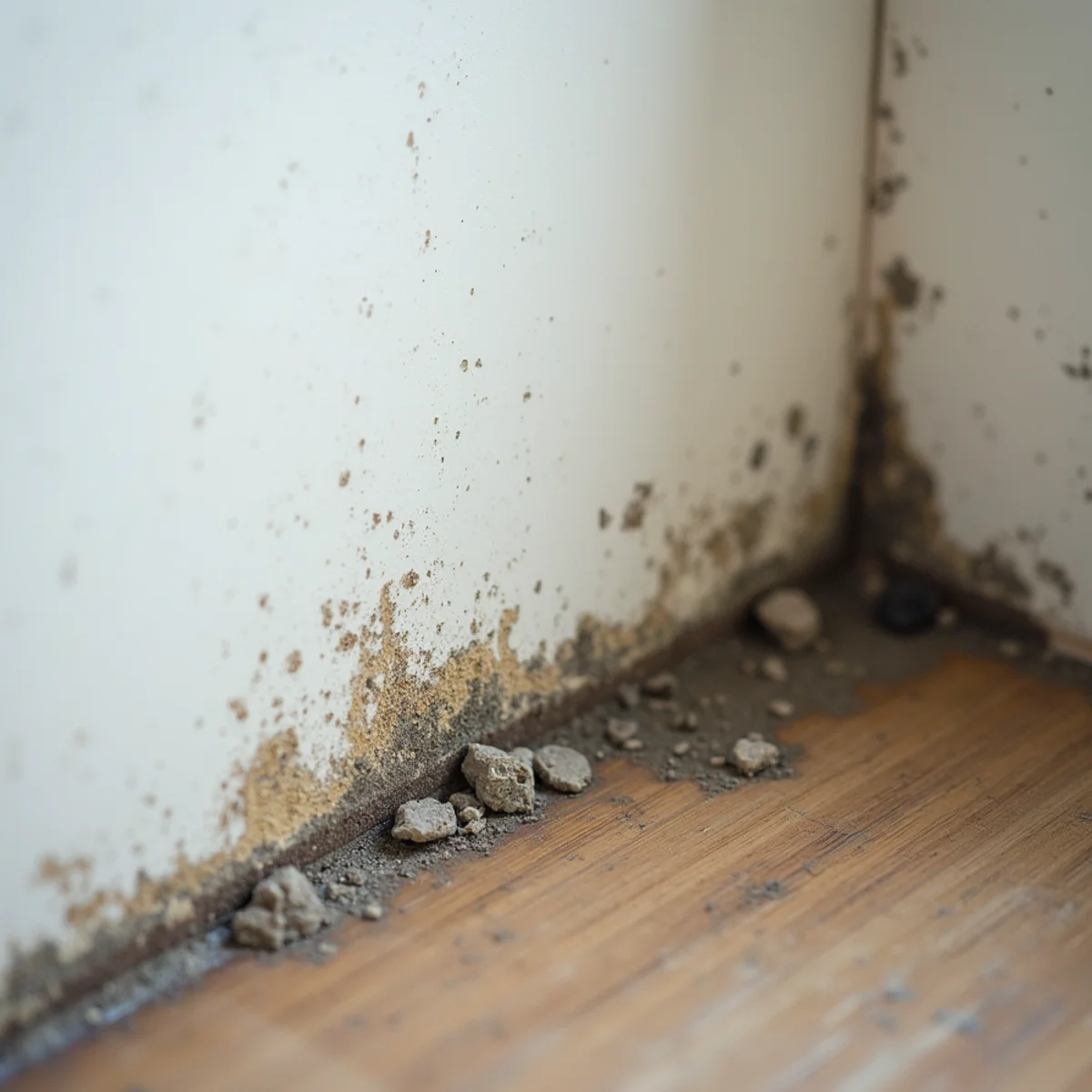
How Fast Does Mold Grow After Water Damage? The 24–48 Hour Rule
Mold doesn’t wait. In Daly City’s damp, foggy climate it can take hold in a day. Here’s the real timeline and how to beat it.
Read articleCrawl Space Water across Daly City & the Peninsula
We provide crawl space water throughout Daly City’s neighborhoods and the surrounding Peninsula — from the fog-belt hills to the coast to the bay. Not sure if we reach you? Call (201) 277-9344 and ask.
Crawl Space Water questions, answered
The common tells are a musty smell rising through the floors, floors that feel soft or bouncy, insulation sagging off the joists, and a chill that lingers no matter how high you run the heat. You often don't have to open the crawl space yourself; if you suspect it, we'll come out and inspect it directly during a free inspection.
The fog belt keeps the ground and the air under your home cool and humid, so any standing water evaporates painfully slowly and the wood can't shed moisture into already-saturated air. That's exactly why crawl spaces here need active drying with dehumidifiers and antimicrobial treatment, not just a one-time pump-out.
Yes, and it's one of the most common structural issues we see. Prolonged moisture rots the joists and subfloor that carry your floors, which is what produces the soft spots, the bounce, and the slope you feel upstairs. Removing the water and drying the wood early is what prevents an expensive framing repair later.
It can. Air rises from the crawl space into the living area through the stack effect, carrying odors and spores with it, which is why a crawl-space problem so often shows up as a smell on the main floor. Drying the space and treating the framing is what keeps that from reaching the air you breathe.
After we pump out the water and dry the space, we can talk through measures that reduce the odds of it coming back, such as improving drainage, grading, and a proper vapor barrier. Daly City's high water table in low spots like Colma and the near-constant fog keep crawl spaces damp, so prevention matters here. We'll point out what's actually driving the water rather than sell you a one-size fix.
We start by tracing the source, whether it's a failed pipe, groundwater seepage, or storm runoff finding its way under the house. We handle the water removal, drying, and any structural repairs from the moisture, and we'll tell you plainly if a plumber or drainage specialist is needed for the root cause. Removing the water without addressing the source just resets the clock.
24/7 Emergency Response
Need crawl space water in Daly City? Call now.
Call now for a free inspection. A real person answers day or night and dispatches a crew right away.