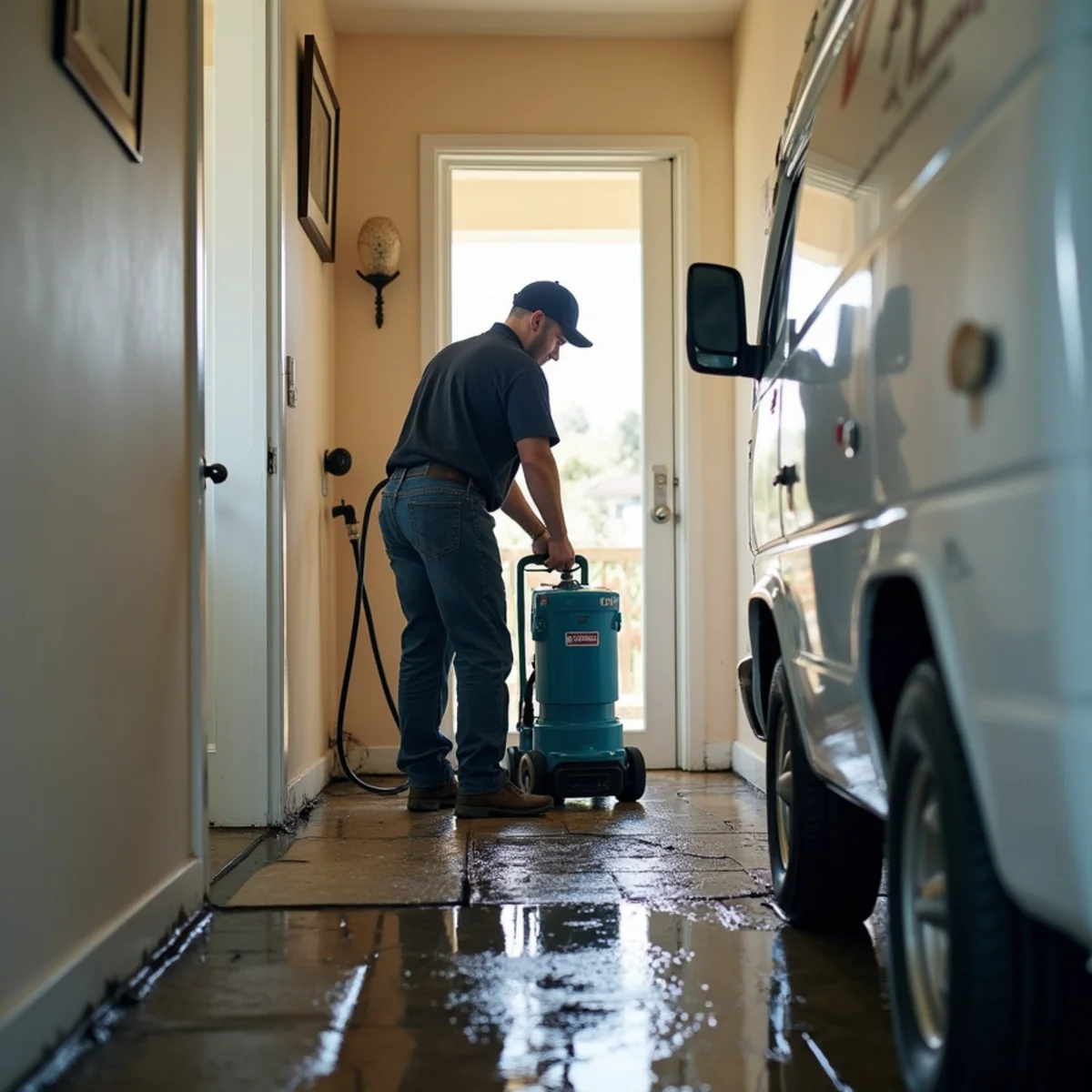
Water Mitigation in Daly City, CA
Answered live 24/7 Free inspection Direct insurance billing
Get a Free Estimate
Use the form or call our 24-hour hotline at (201) 277-9344.
- 24/7 Emergency Service
- Free On-Site Inspection
- Direct Insurance Billing
- Local Daly City Crews
Trusted Water Mitigation in Daly City
Water mitigation is the emergency phase of a water loss: stopping the source, getting the water out with water extraction, removing the materials that cannot be saved, and drying the structure back to a measured dry standard, with every step documented for your insurer. It is the work that keeps a leak from turning into a mold job, and it ends before any rebuilding starts. Water Damage Daly City runs mitigation around the clock across Daly City, the north Peninsula, and southern San Francisco, so a supply line that lets go at midnight gets the same response as one that fails at noon.
The trouble with water is that the damage keeps growing after the leak stops. Drywall wicks moisture upward from the floor line, carpet pad passes it down into the subfloor, and water runs along the bottom plate into rooms that look dry. A clean supply-line leak can degrade toward a contaminated category if it sits, and the industry guidance in the IICRC S500 standard treats the first day or two as the window that decides how much of the structure can be dried in place rather than cut out. In the fog belt, where outdoor air rarely helps a wet house dry on its own, waiting usually means more demolition, a longer drying job, and a harder claim.
Mitigation is often approved and billed separately from the rebuild, and most homeowner policies expect you to take reasonable steps to prevent further damage once you discover a loss. That makes the paperwork as important as the equipment. We photograph the loss before we touch it, record moisture readings every day of drying, log each material we remove and why, and hand your adjuster a line-item record of the emergency work. Once the structure reads dry, you can choose the rebuild contractor, including us — our water mitigation vs. restoration guide explains how the two phases differ. Call (201) 277-9344 and we will walk you through shutting off the water while a crew is on the way.
What’s included
- Live 24/7 answer and a crew dispatched with extraction, drying, and documentation equipment on the truck
- Source control first: shutting off the supply, isolating the failed fixture, or tarping a roof opening so no new water enters
- Truck-mounted extraction and submersible pumps for standing water, plus weighted wands for carpet and pad
- Moisture mapping with thermal imaging and pin and pinless meters to find water inside walls, cabinets, and subfloor
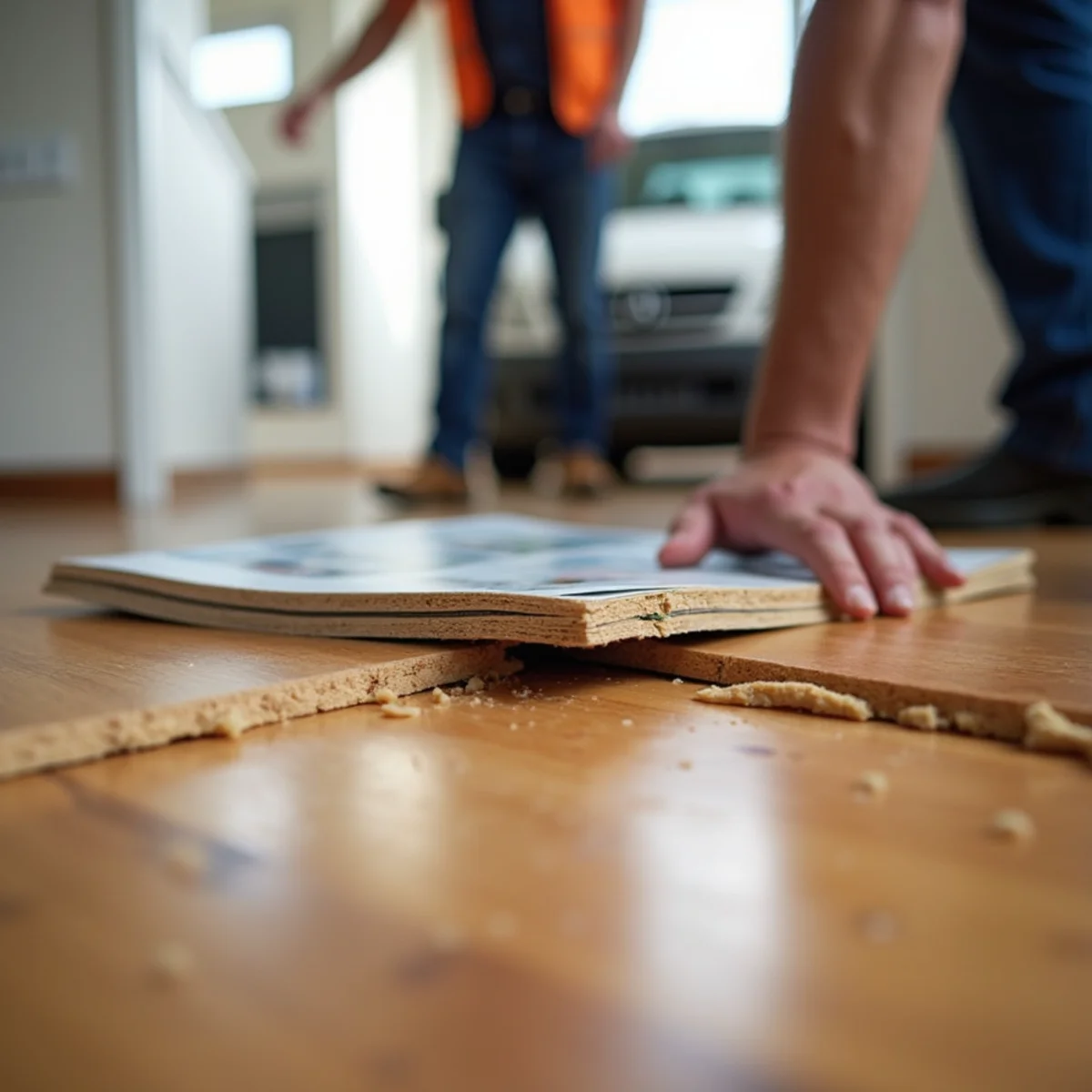
- Controlled demolition of non-salvageable materials such as saturated pad, swollen particleboard toe-kicks, and wicked drywall, done to protect what can be dried
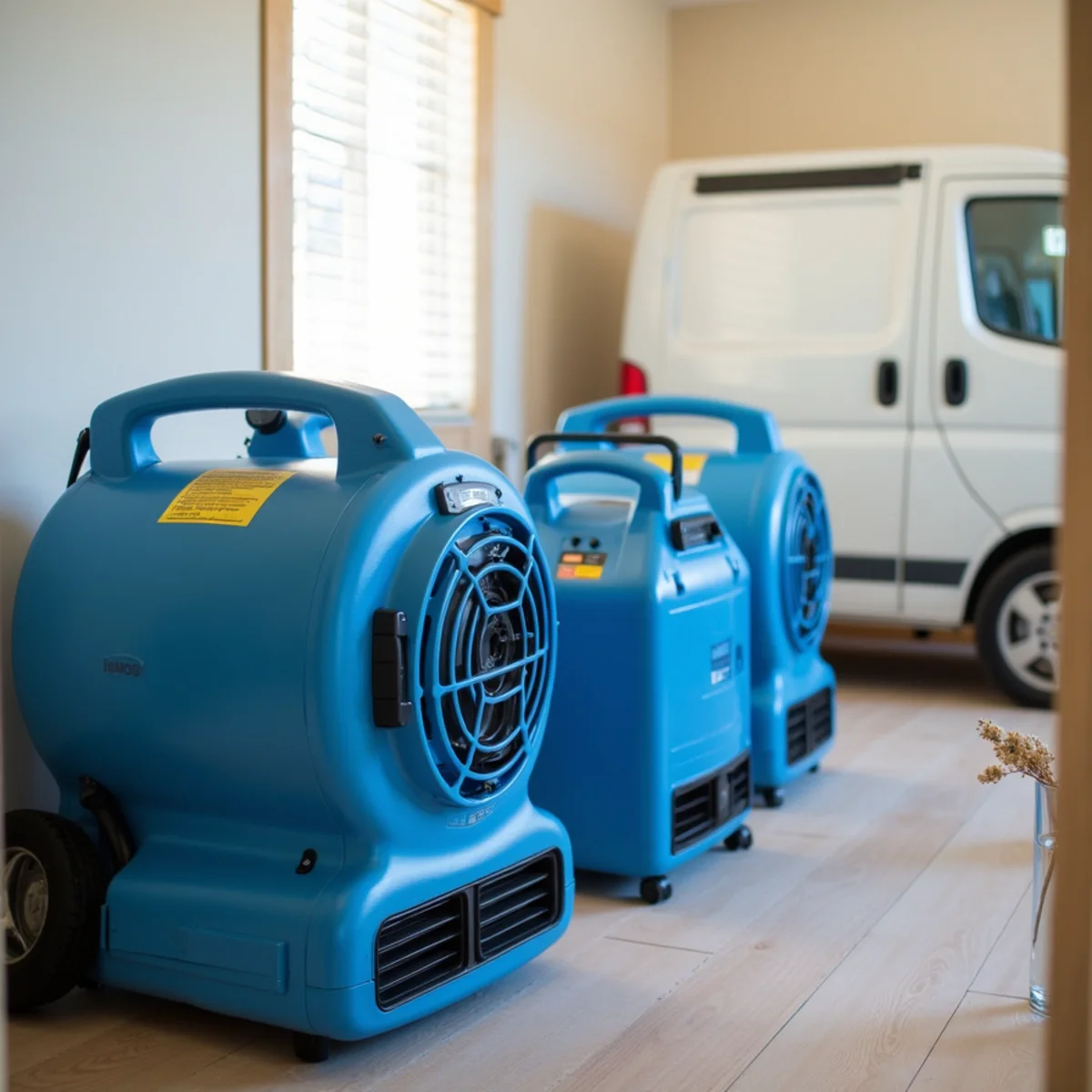
- Air movers, LGR dehumidifiers, and wall-cavity drying systems sized to the room, with daily readings until materials reach dry standard
- Photo, moisture-log, and line-item documentation formatted for your adjuster, with direct insurance billing available
When to call for water mitigation
Catching these early keeps a small problem from becoming a major one.
Water is still coming in
If a line is still spraying, a toilet supply keeps running, or rain is entering through a roof or window, mitigation starts with stopping it. Drying a room while water keeps arriving wastes equipment time and leaves the adjuster asking why the loss kept growing.
Standing water or soaked carpet
Anything deeper than a film on hard flooring, or carpet that squishes underfoot, needs extraction rather than towels and box fans. Bulk water removal is the single step that shortens drying the most, and it is the step most often skipped in a DIY cleanup.
Wet walls you cannot see behind
A damp baseboard or a dark band at the bottom of the drywall means water has already climbed inside the cavity. Insulation and the bottom plate stay wet long after the paint feels dry, which is why mitigation relies on meters and thermal imaging instead of touch.
A ceiling stain spreading from the floor above
In two-story homes, condos, and stacked in-law units, water from an upstairs bathroom or laundry pools on top of the ceiling drywall below. A bulge or sag means the board is holding water and should be relieved under control rather than left to fail on its own.
Water from a drain, toilet, or the outdoors
Water that came up through a floor drain, overflowed a toilet with waste, or ran in from the street is treated as contaminated. Mitigation then includes containment, protective gear, removal of porous materials it touched, and antimicrobial treatment before drying.
You need to open a claim fast
Adjusters want to see the loss as found, the moisture readings, and a clear reason for every material removed. If you are about to call your carrier, mitigation documentation started on day one makes the rest of the claim easier to support.
What to do before our crew arrives
Safe, simple steps that limit the damage while help is on the way.
- 1
Find the shutoff that controls the leak, either the fixture valve or the house main, and close it fully; if a valve is stuck, leave it rather than forcing it.
- 2
Switch off breakers for any room where water has reached outlets, cords, or baseboard heaters, but only if the panel is dry and you can reach it without standing in water.
- 3
Take wide photos and short videos of every wet room before moving anything, including close-ups of the water line on walls and the failed part if you can see it.
- 4
Lift rugs, cardboard boxes, and paper off wet floors and set furniture legs on foil or plastic lids so stain and dye do not transfer into the carpet.
- 5
Keep the failed part, such as a split supply line or cracked fitting, in a bag; adjusters and plumbers often want to see it.
- 6
Write down the time you found the water and when you shut it off, then call your insurer to open a claim number.
How we handle water mitigation
- 1
Stop the source and make the space safe
We shut off or isolate the water, check for electrical hazards where water has reached outlets or fixtures, and identify the category of water so the crew knows whether containment and protective gear are needed. If the source needs a plumber or roofer, we stabilize the area until they can repair it.
- 2
Inspect, map moisture, and photograph the loss
Before anything is moved, we photograph the affected rooms and take baseline readings. Thermal imaging and moisture meters show how far water traveled under flooring, behind cabinets, and up wall cavities, and those readings become the drying map and the first page of your claim file.
- 3
Extract standing and absorbed water
Truck-mounted extraction and submersible pumps remove bulk water, then weighted extraction tools pull water out of carpet and pad. Every gallon removed mechanically is a gallon the dehumidifiers do not have to pull out of the air, which is why thorough extraction shortens the drying schedule.
- 4
Remove what cannot be dried in place
Saturated carpet pad, particleboard cabinet bases, swollen MDF trim, and drywall that wicked contaminated water are removed with clean cuts at measured heights. We keep the removal to what the readings and water category justify, and we log each item so the rebuild scope is clear later.
- 5
Set up a controlled drying system
Air movers sweep moisture off wet surfaces while LGR dehumidifiers pull it from the air, and wall-cavity or floor drying systems reach materials that surface airflow cannot. Equipment placement follows the S500 approach of matching drying capacity to the amount of wet material and the class of water damage.
- 6
Monitor daily and record every reading
We return to take readings against unaffected reference materials, adjust equipment, and log the results. In Daly City, where the marine layer can keep indoor humidity high, daily monitoring is how we confirm that materials are actually releasing moisture rather than holding it.
- 7
Verify dry standard and hand off the file
When framing, subfloor, and remaining drywall reach dry standard, we pull the equipment and give you the moisture logs, photos, and line-item mitigation record. From there the rebuild can be scoped as its own phase, by us or by the contractor you choose.
How long water mitigation takes
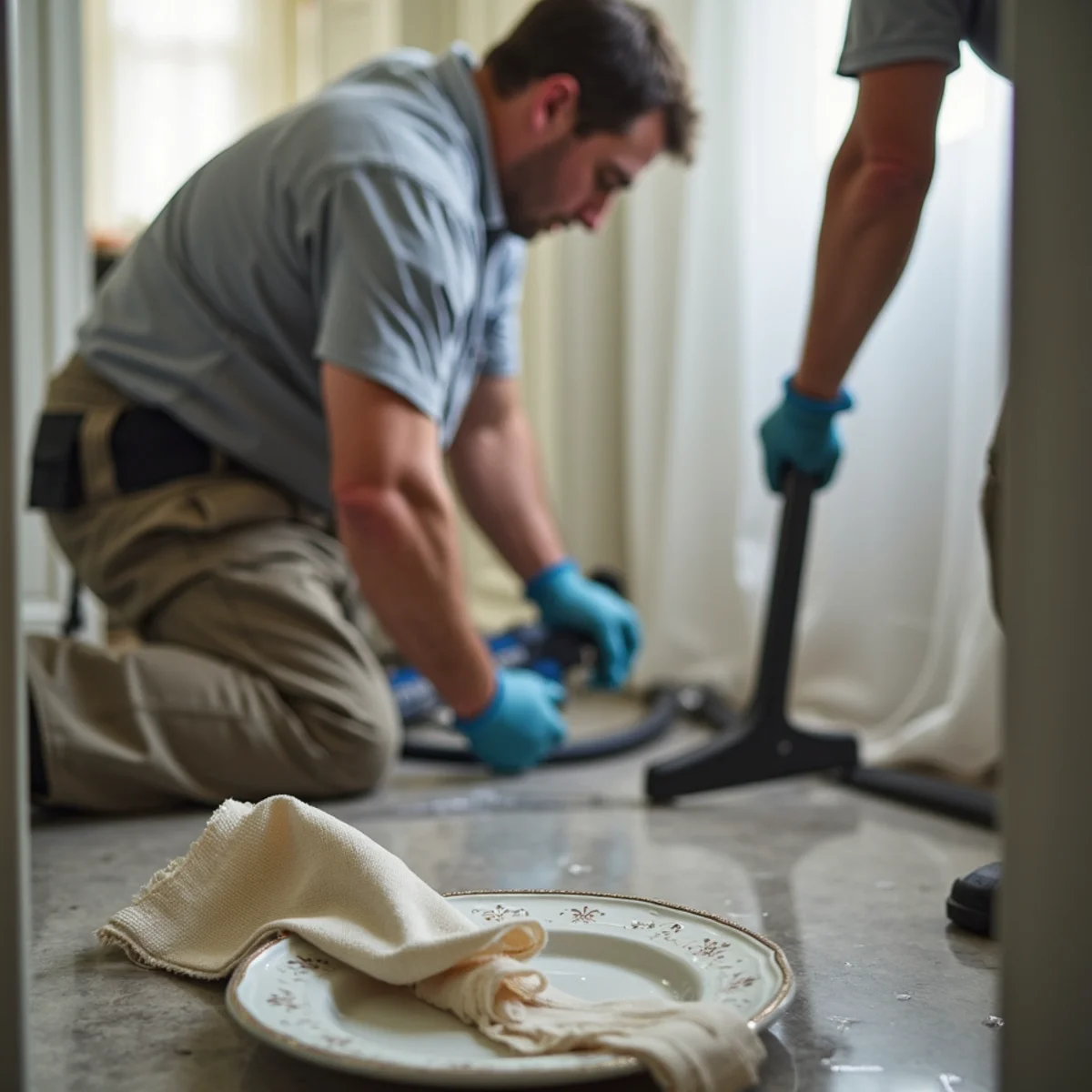
The emergency part of mitigation, meaning source control, extraction, and setting up equipment, usually happens on the first visit. Drying then runs over several days with daily check-ins, and the end date comes from moisture readings rather than the calendar. Jobs finish sooner when water is caught early, stays on hard surfaces, and touches mostly drywall and carpet. They run longer when the water sat overnight or longer, soaked into hardwood, plaster, or framing, reached more than one level, or was contaminated and required removal before drying could start. Waiting on an adjuster to approve material removal can also add days. Our guide on how long water damage takes to dry explains the variables in more detail.
How to keep it from happening again
- Learn where your main shutoff is, label it, and turn it off and on once a year so it does not seize when you need it.
- Put inexpensive water sensors under sinks, behind the washer and fridge, and beside the water heater; a whole-home automatic shutoff valve goes further by closing the main when a sensor trips.
- Replace rubber and plastic supply lines at toilets, faucets, and appliances with braided stainless lines, and note the install date on a piece of tape.
- Keep indoor relative humidity in check with exhaust fans and a dehumidifier where needed; the EPA recommends staying below 60 percent, ideally 30 to 50 percent, which matters in fog-belt homes.
- Keep a phone video inventory of each room and your policy number somewhere outside the house, so a claim can start quickly after a loss.
What goes into your estimate
Every water loss is different, so we never quote blind. After a free inspection we give you a clear, itemized estimate. These are the factors that move the price:
- The category of water, from clean supply water to contaminated drain or outdoor water, which changes containment, protective gear, and how much material must be removed
- The class of water damage, meaning how much porous material is wet and how deeply, which sets the amount of drying equipment
- The square footage and number of rooms or levels the water reached
- How long water sat before mitigation started, since delay pushes more materials from dry-in-place to remove-and-replace
- The materials involved, such as carpet and pad, hardwood, laminate over slab, plaster, or built-in cabinetry
- The number of drying days needed to reach dry standard, including the effect of fog-belt humidity on the drying rate
- Whether contents need to be moved, blocked up, or packed out so the structure underneath can dry
Why Daly City trusts us for this
Mitigation first, sales pitch never
Our first job is to stop the loss from spreading. We do not push a rebuild contract on the first visit, and you are free to choose who handles repairs once the structure is dry.
Documentation adjusters can follow
Photos before work, daily moisture logs, and a reason for every material removed. A clear mitigation file is what keeps an emergency invoice from turning into a back-and-forth with your carrier.
Drying to a number, not a feeling
We dry to measured dry standard against reference readings from unaffected materials in your own home, following the IICRC S500 approach, and we do not pull equipment because a wall feels dry to the touch.
Local housing knowledge
Slab-on-grade homes in Westlake, galvanized supply lines in the older Doelger tracts, and ground-level garages and in-law units all hide water in different places. Knowing where to look shortens the mapping and the drying.
Related Services
Helpful Reading
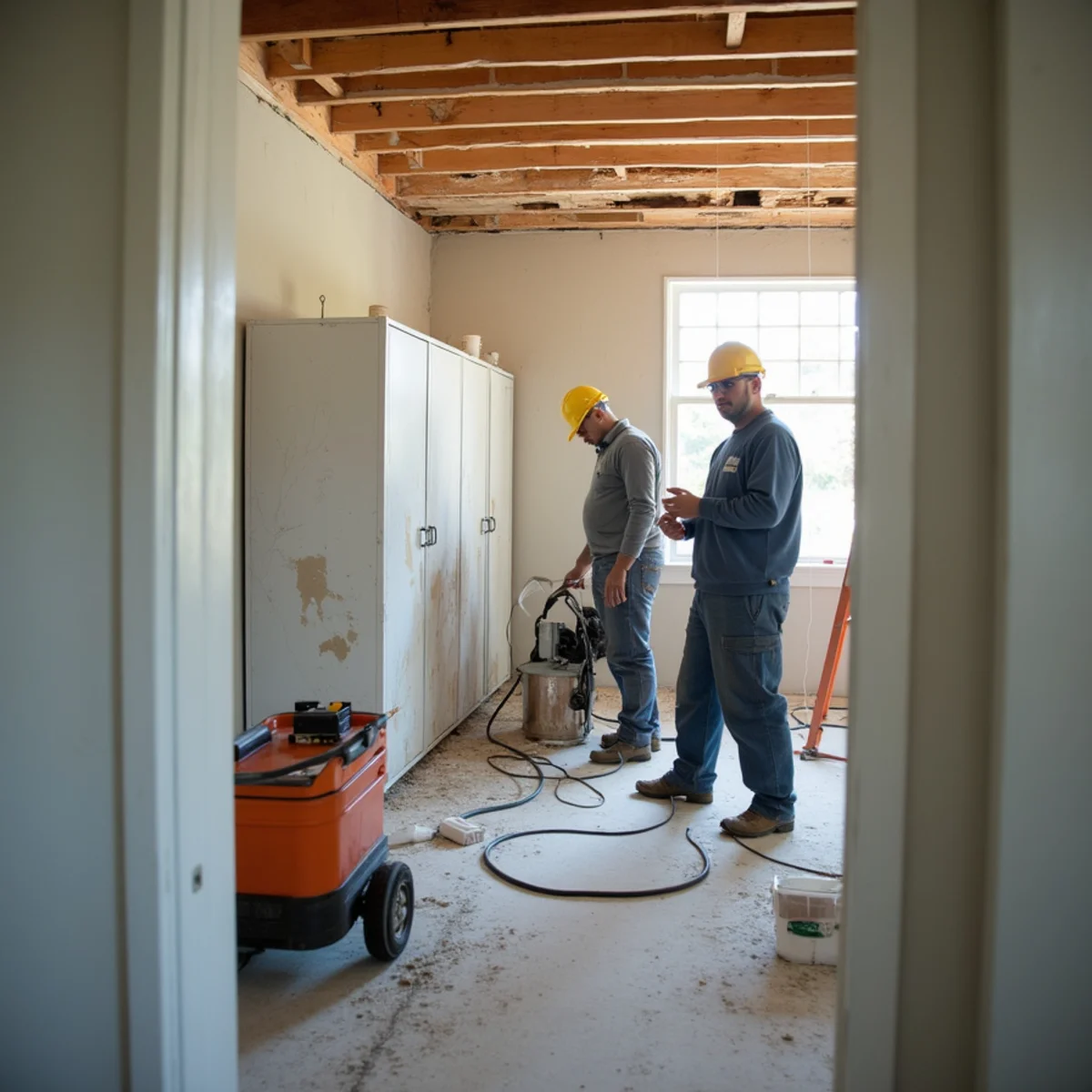
Water Mitigation vs. Restoration: What's the Difference, and Why Does the Order Matter?
Mitigation, remediation, restoration, reconstruction: four words that contractors and adjusters use differently. Here's what each one covers, side by side, and how to read an estimate that splits them.
Read article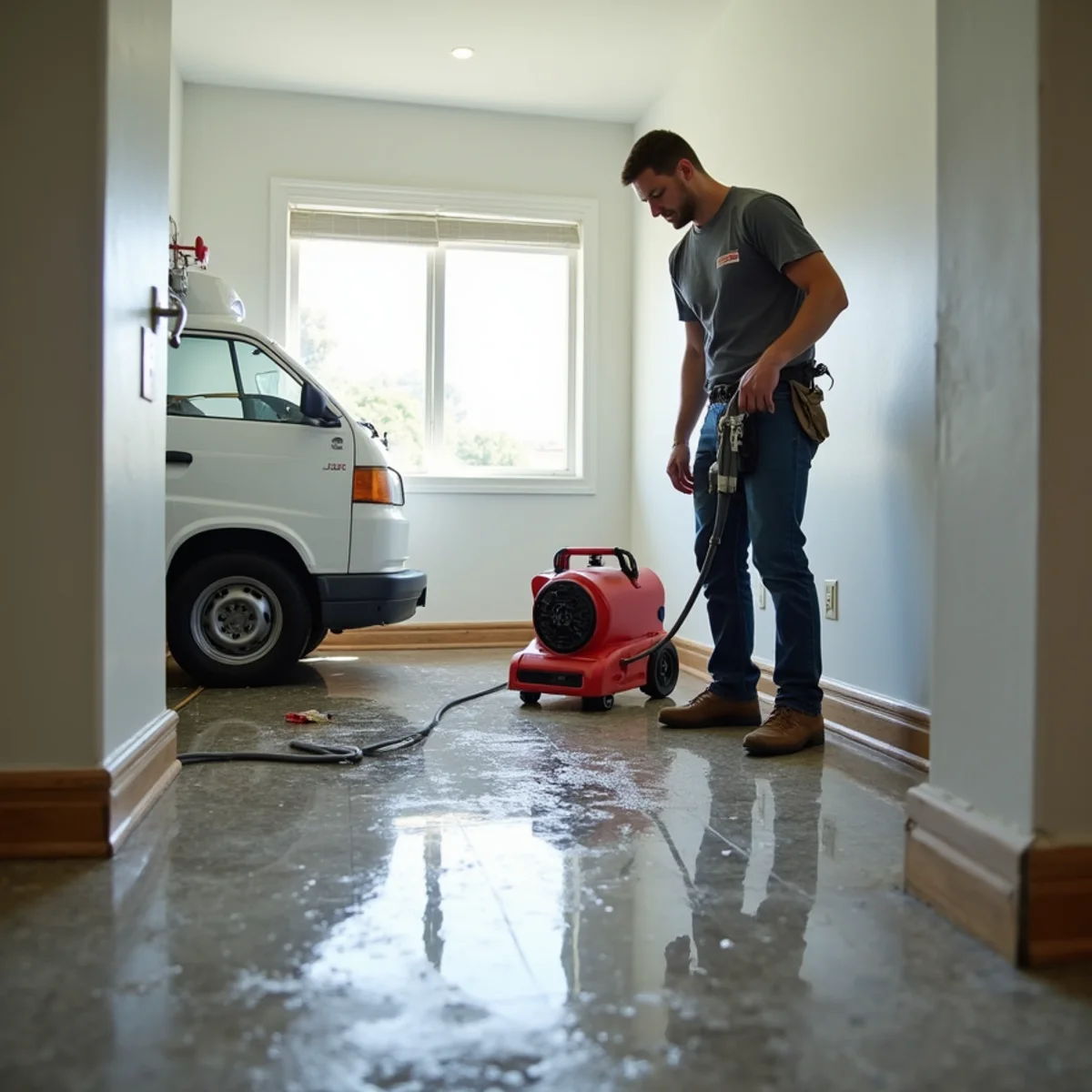
How Long Does Water Damage Take to Dry? Walls, Subfloors, Hardwood and Concrete
Wet drywall, a soaked subfloor and a concrete slab all dry at very different speeds. Here is what controls the timeline, and how a moisture meter, not a fingertip, decides when drying is done.
Read articleWater Mitigation across Daly City & the Peninsula
We provide water mitigation throughout Daly City’s neighborhoods and the surrounding Peninsula — from the fog-belt hills to the coast to the bay. Not sure if we reach you? Call (201) 277-9344 and ask.
Water Mitigation questions, answered
Mitigation is the emergency phase that stops damage from spreading: source control, extraction, removal of non-salvageable materials, drying, and documentation. Restoration, sometimes called rebuild or repair, is the phase after the structure is confirmed dry, when drywall, flooring, cabinets, trim, and paint are replaced. Insurers often treat the two as separate parts of a claim with separate estimates. Mitigation is time-sensitive and usually starts the same day, while the rebuild can be scoped and scheduled once the drying file shows the house is dry.
The on-site emergency work, meaning source control, extraction, and setting up equipment, usually happens in the first visit. Drying then runs for several days depending on how much material is wet, how long it sat, and indoor conditions. Dense materials like hardwood, plaster, and framing take longer than drywall and carpet. We take readings daily and remove equipment only when materials reach dry standard, so the schedule is driven by the readings rather than a fixed number of days.
When the loss is sudden and accidental, such as a burst supply line or a failed water heater, mitigation is commonly part of a covered claim, and many policies require you to take reasonable steps to prevent further damage. Gradual leaks, flooding from surface water, and sewer backups depend on your policy and any endorsements. Read your declarations page or ask your agent. We document the loss and can bill your carrier directly, but coverage decisions are made by your insurer.
No. Mitigation and rebuild are separate scopes of work, and you can choose different contractors for each. Some homeowners prefer one company for continuity, since the crew that removed materials already knows what needs to go back. Others get separate bids for the rebuild. Either way, a complete mitigation file with photos, moisture logs, and a removal list makes it easier for any contractor and your adjuster to agree on the repair scope.
Generally you are expected to prevent further damage without waiting, which means stopping the water and getting it out. Before you move or discard anything, photograph and video the affected rooms and damaged items, and keep samples of removed materials like a section of carpet or pad if your carrier asks for them. When we perform mitigation, we photograph the loss as found before starting, so the adjuster sees the condition that justified the work.
Small holes drilled near the bottom of a wall, often behind the baseboard, let drying systems push air into a wet wall cavity without removing the whole sheet of drywall. Larger flood cuts are made when drywall has wicked contaminated water or cannot reach dry standard in place. Both are part of drying the structure rather than leaving moisture sealed inside the wall, and both are covered by the rebuild phase once the cavity reads dry.
24/7 Emergency Response
Need water mitigation in Daly City? Call now.
Call now for a free inspection. A real person answers day or night and dispatches a crew right away.