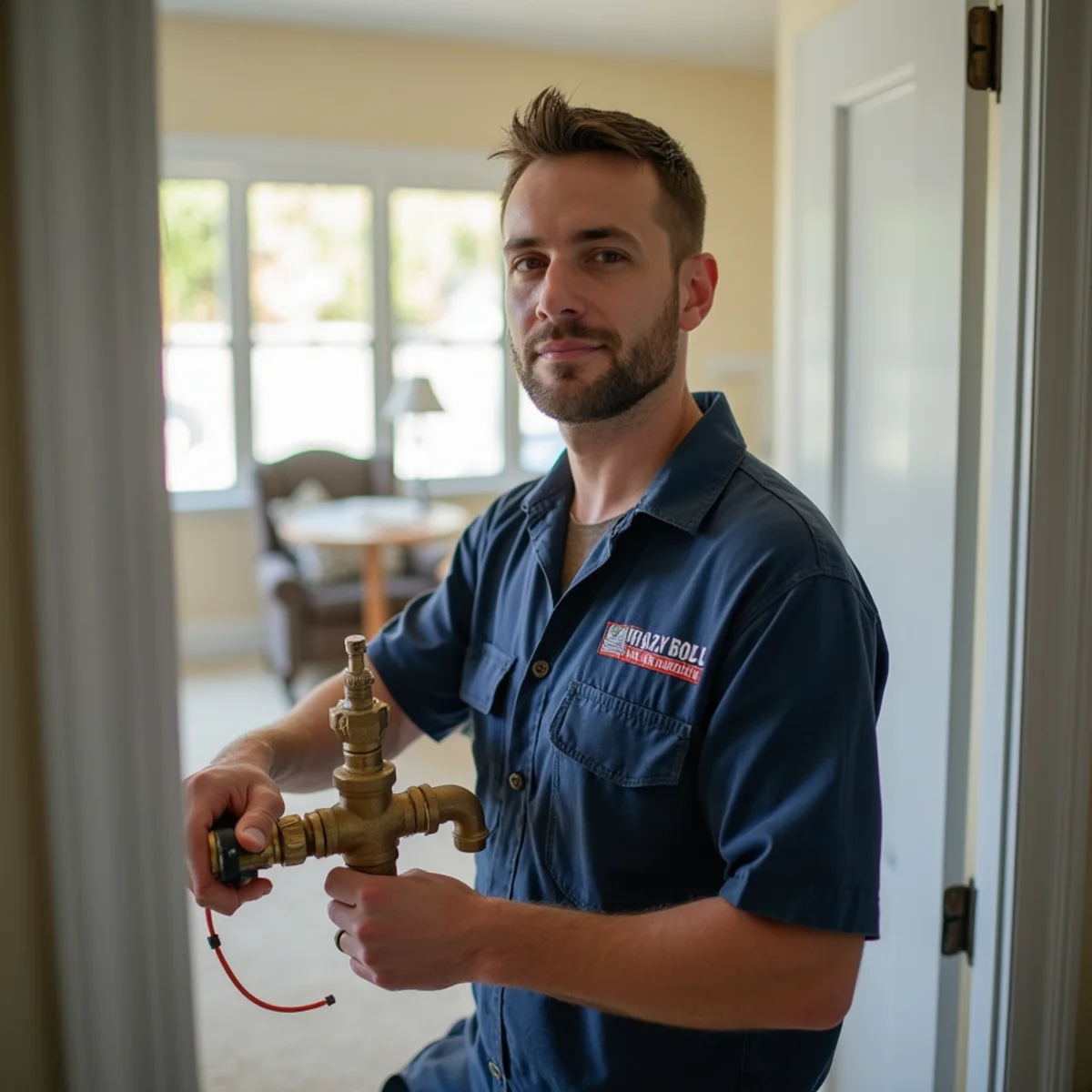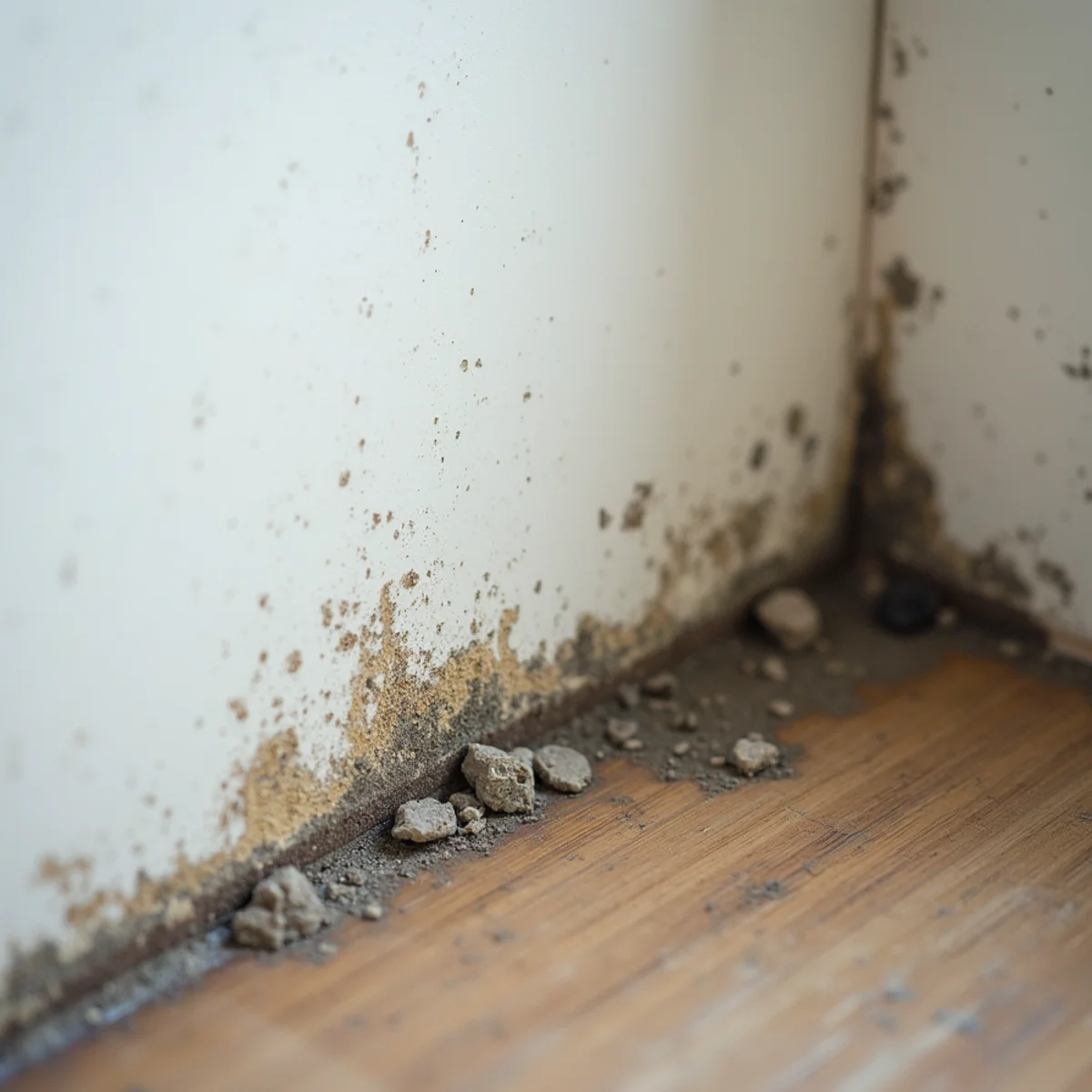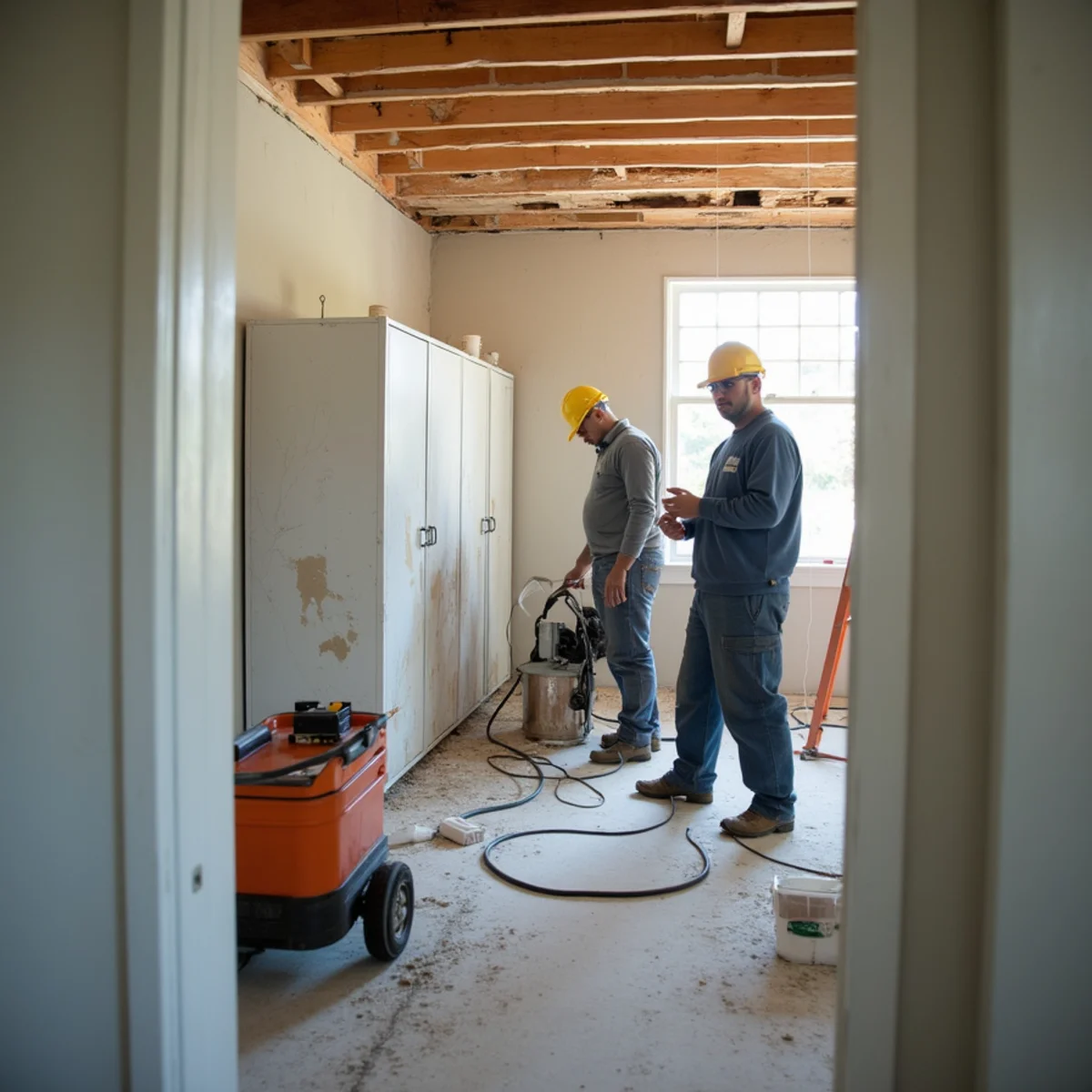
Mitigation, remediation, restoration, reconstruction: four words that contractors and adjusters use differently. Here's what each one covers, side by side, and how to read an estimate that splits them.
Water mitigation is the emergency work that stops water damage from getting worse: stopping the source, extracting water, removing what can't be saved, and drying the structure to a measured standard. Restoration is the repair work that follows, returning drywall, flooring, cabinets, and finishes to their pre-loss condition. Mitigation always comes first, it's usually documented and billed separately, and the rebuild shouldn't start until drying is verified.
The terms blur because one phone call often starts both, and because adjusters, contractors, and websites use them loosely. But the line between them matters. It decides who you need first, what your insurer asks for, and how you read the two very different documents you'll probably receive. A water mitigation crew is there to stabilize the house; a rebuild crew is there to put it back together.
This guide stays on the comparison. If you want the day-by-day sequence of a full job, from the first call to the final walkthrough, our step-by-step restoration process guide covers it.
Four Terms, Four Different Jobs
Most of the confusion clears up once you separate four words that get used as if they meant the same thing.
Water mitigation
Mitigation means reducing the loss. In practice that's the emergency phase: finding and stopping the water, extracting standing water, pulling saturated carpet pad, flood-cutting drywall that can't be dried in place, setting air movers and dehumidifiers, and taking moisture readings until materials reach a dry standard. It also covers protecting what isn't wet yet, such as blocking furniture legs off damp carpet, moving contents out of the path, and setting up containment so one wet room doesn't spread moisture or dust through the house. The goal isn't to make anything look finished. It's to stop the damage clock.
Water remediation
Remediation means removing contamination. On a clean supply-line leak there may be almost none. On a toilet overflow, a washing machine discharge, a sewer backup, or runoff that came in under a garage door, remediation is the cleaning, the removal of contaminated porous materials, and the antimicrobial treatment that make the space safe again. Mold removal is also called remediation. On most estimates, remediation tasks sit inside the mitigation scope; the word mainly signals that contamination is involved. How dirty the water was, its category, is explained in our guide to water damage categories and classes.
Water damage restoration
Restoration is the umbrella term for the whole recovery, from the first extraction to the last coat of paint. When a company says it does water damage restoration, it usually means it handles both the emergency phase and the repairs. When an estimator or adjuster says "restoration," they sometimes mean only the repair half, which is one reason the words get tangled.
Reconstruction
Reconstruction, also called rebuild or build-back, is the repair half on its own: hanging and finishing new drywall, matching texture, painting, installing baseboard and door casing, replacing flooring and cabinets, and any permitted electrical or plumbing work exposed during demolition. It's construction, scoped and priced like construction, and it should begin only after drying is signed off. Our reconstruction services page describes what that phase includes.
Mitigation vs. Restoration, Side by Side
| Aspect | Mitigation | Restoration / reconstruction |
|---|---|---|
| Goal | Stop the damage from spreading and stabilize the structure | Return the home to its pre-loss condition |
| Timing | Starts immediately, ideally within hours of discovery | Starts after drying is verified and the repair scope is agreed |
| Typical tasks | Source control, extraction, carpet pad removal, flood cuts, antimicrobial treatment on contaminated losses, drying, daily moisture readings | Drywall, texture, paint, baseboard, flooring, cabinets, trim, final cleaning |
| Equipment | Truck-mounted and portable extractors, air movers, LGR dehumidifiers, HEPA air scrubbers, moisture meters, thermal cameras | Construction tools; little or no drying equipment |
| How long it runs | Usually days, set by the materials and the moisture readings | Days to weeks, set by the scope and material lead times |
| Who does it | A water mitigation or restoration crew | A licensed contractor, sometimes the same company |
| Key documents | Photos, moisture map, daily drying logs, equipment log, category and class of the loss | Line-item repair estimate, change orders, permits where required |
| How insurers tend to treat it | Often reviewed early as emergency work that limits the loss | Usually scoped and approved separately, often after an adjuster inspection |
Why the Order Matters
Rebuilding over wet materials is the most expensive mistake in water damage, and it's an easy one to make, because drywall and framing can feel dry to the touch long before they are. Close up a wall cavity that's still holding moisture and you've built a dark, damp box. The EPA's guidance on mold and moisture is to dry water-damaged areas and items within 24 to 48 hours to prevent mold growth; sealing moisture behind fresh paint does the opposite. Flooring has the same problem: hardwood or laminate laid over a subfloor that hasn't dried can cup and buckle within weeks.
Daly City adds a local wrinkle. The marine layer keeps outdoor air damp much of the year, so a wall left to "air dry" with the windows open may barely change. Mitigation equipment controls the indoor air on purpose, and the moisture log proves when the structure has reached its dry standard. That log is the hand-off document between the two phases: no verified log, no rebuild. Drying time varies a lot by material, and our guide on how long water damage takes to dry walks through the variables.
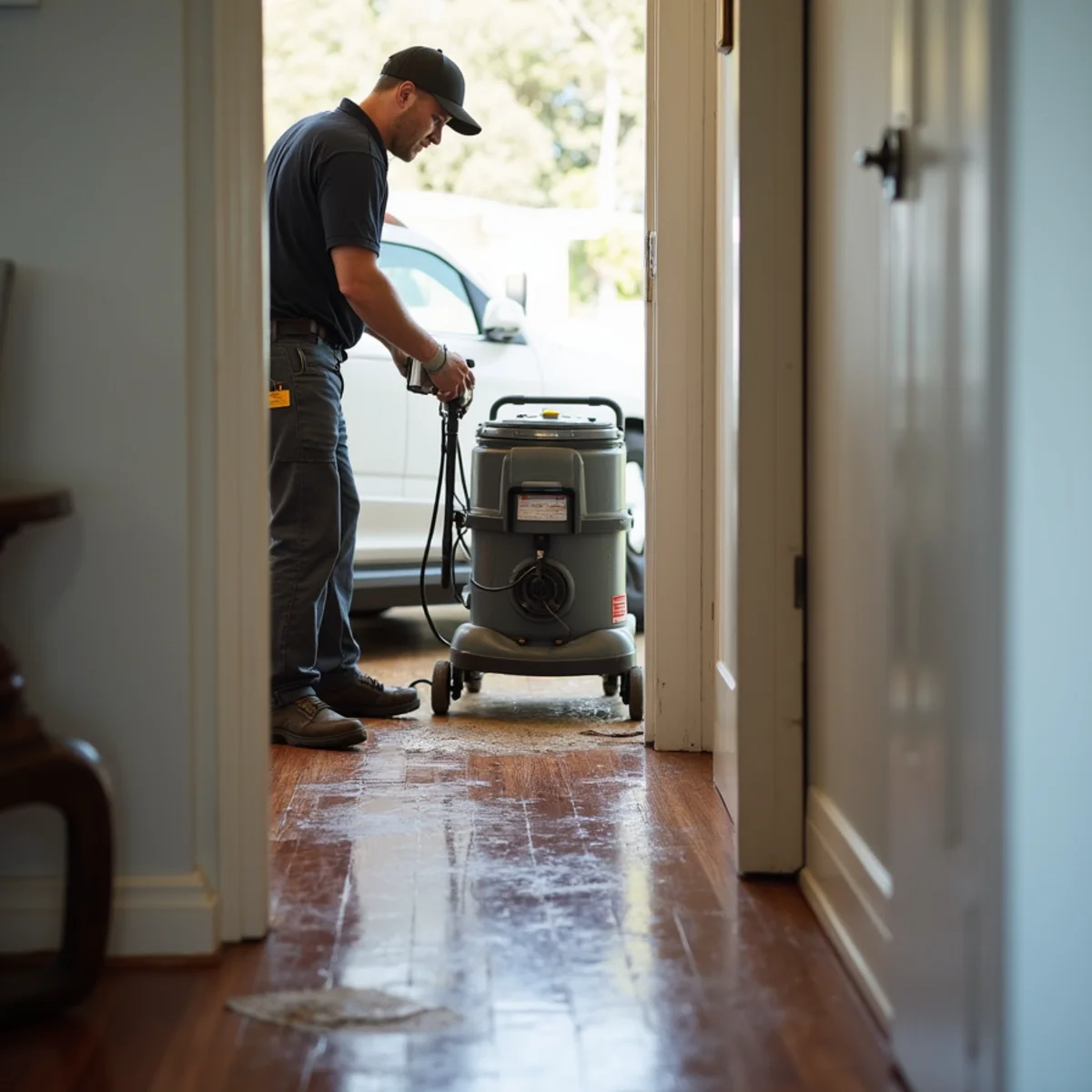
What Happens When Mitigation Is Skipped or Rushed
A common pattern: someone mops up, runs a box fan for a weekend, and repaints. The room looks fine for a while. These are the problems that tend to follow:
- Mold behind finished surfaces, often noticed first as a musty smell or bubbling paint weeks later, when the fix now includes containment and removal instead of just drying.
- Swelling and delamination. MDF baseboard, particleboard cabinet bases, and laminate flooring absorb water at their cut edges and don't recover.
- Cupped or crowned hardwood. Boards sanded or refinished before the subfloor dried can distort all over again.
- Wet framing nobody checked. Bottom plates on slab-on-grade homes, common in parts of Westlake, can stay wet under baseboard that looks perfectly normal.
- Claim friction. The California Department of Insurance residential claims guide notes that a policy may not cover ensuing damage if reasonable steps weren't taken to protect the property. Prompt mitigation is that reasonable step.
Can One Company Handle Both Mitigation and Rebuild?
Yes, and many do, including us. The advantages are real: one point of contact, no gap between the drying crew leaving and a contractor showing up, and a rebuild scope written by the people who saw the wall open. There's also a fair reason to stay attentive: a company writing both scopes has every incentive to make them line up, so it's reasonable to ask for the moisture logs and demolition photos before you sign the repair estimate.
Whichever route you choose, a few things should be true:
- The rebuild is done under a California contractor's license, which you can look up on the Contractors State License Board site.
- Mitigation and reconstruction appear on separate documents or clearly separate sections, so you and your adjuster can review each one.
- You know how vendor choice works under your policy. Insurers may recommend companies; ask your adjuster whether a recommendation is a requirement.
- Drying is signed off with readings before the first sheet of new drywall goes up.
How to Read an Estimate That Splits Mitigation and Rebuild
Many insurers and restoration companies write estimates in line-item software such as Xactimate, so the format looks similar from company to company. Expect two documents, or one document with two clearly separated sections.
Mitigation line items you should expect
- Emergency service call, including after-hours response
- Water extraction, measured by area, from carpet, hard floors, or both
- Removal and disposal of carpet pad, wet drywall (often a flood cut at a set height), insulation, and baseboard
- Antimicrobial application, expected on gray- and black-water losses
- Equipment days: each air mover, dehumidifier, and air scrubber multiplied by the days it ran
- Daily monitoring visits and moisture documentation
- Containment, moving or blocking contents, and debris haul-off
What to check: Do the equipment days match the drying log? Is the demolition consistent with the photos and moisture map? Is the water category stated, since it's what justifies removing materials instead of drying them?
Rebuild line items you should expect
- Drywall hang, tape, and finish for every area that was cut out, plus texture matching, which matters in older homes with hand-applied textures
- Primer and paint, often carried to the nearest corner or break line so the color matches
- Baseboard, door casing, and trim
- Flooring and underlayment, including transitions
- Cabinet or vanity replacement, and countertop detach and reset
- Permits and any trade work, such as electrical or plumbing, disturbed during demolition
What to check: Does the repair scope cover everything the mitigation crew removed? Gaps between what came out and what goes back are where most disputes start. Our guide on how to file a water damage insurance claim explains how these documents move through a claim.
Questions to Ask Before You Sign Anything
- Is this a mitigation agreement, a repair contract, or both? What exactly am I authorizing today?
- What category and class of loss did you find, and how does that change what you're removing?
- What dry standard are you drying to, and will I get copies of the daily readings?
- Why is each material being removed rather than dried in place?
- Who handles the rebuild, and under whose contractor's license?
- Will you bill my insurer directly, and what will I be responsible for, such as the deductible or anything outside coverage?
- What happens if the adjuster disagrees with part of the scope?
If you're looking at a wet floor right now, the next step is mitigation; everything else can wait until the structure is dry and the scope is clear. Call Water Damage Daly City at (201) 277-9344 for a free inspection. We'll find the source, map the moisture, tell you plainly what needs to come out and what can be dried in place, and keep the mitigation and rebuild paperwork separate so your claim is easy to follow.
Frequently asked questions
When the water came from a covered cause, such as a burst pipe or a sudden appliance failure, the emergency work to limit the damage is typically treated as part of that covered loss. Coverage depends on the cause, not the label: gradual leaks, flooding from outside, and sewer backups each have their own rules and may need separate coverage or an endorsement. Call your insurer early, keep receipts, and ask your mitigation company for the drying logs and photos so the adjuster can review the work.
For a clean-water loss caught quickly, mitigation commonly runs a few days: extraction on the first visit, then drying equipment and daily readings until the materials reach their dry standard. Dense materials like hardwood, plaster, and concrete, or water that sat for days before anyone found it, stretch the timeline. The finish line is set by moisture readings compared against dry reference material, not by the calendar or by how the room feels.
Yes. Some homeowners prefer a contractor they already know for the repairs, and that's a reasonable choice. Make sure the mitigation company hands over the moisture logs, demolition photos, and a clear list of materials removed, because the rebuild contractor and your adjuster both need them to write an accurate repair scope. Confirm the rebuild contractor holds a California license, and don't schedule the drywall delivery until drying has been signed off.
A flood cut is a straight horizontal cut through wet drywall a set distance above the floor, removing the soaked lower section so the cavity, insulation, and framing behind it can be dried or cleaned. It's standard on gray- and black-water losses, where contaminated drywall can't be saved, and it's used on clean-water losses when a wall cavity is holding water. The height depends on how far moisture wicked up, which is why technicians measure before cutting.