Coverage is only half the question. Here is how a water damage claim actually moves, from the first call to your insurer to the final check, and the paperwork that keeps it moving.
To file a water damage insurance claim, stop the water and protect the property first, document everything before it is moved, report the loss to your insurer promptly and get a claim number, then meet the adjuster with moisture readings, photos and an itemized scope in hand. Keep every receipt, return any proof-of-loss form on time, and do not make permanent repairs until the adjuster has seen the damage.
Whether your policy covers the loss is a separate question, and we answer it in our guide to what California homeowners insurance covers for water damage. This post is about the mechanics: what happens in what order, what the adjuster will ask for, and where claims tend to stall. If you would rather hand the paperwork side to people who do it every week, our insurance claims assistance service documents the loss to the standard carriers expect and bills your insurer directly. Your policy and your carrier still have the final word on coverage.
Before You Call Anyone: Stop the Water and Protect the Property
Almost every homeowners policy includes a duty to take reasonable steps to protect the property from further damage after a loss. The California Department of Insurance puts it plainly in its residential property claims guides: a policy may not cover ensuing damage if you did not take reasonable steps to secure the property, and the insurer generally reimburses reasonable protection costs as long as you keep the receipts. In practice, that means shutting off the water at the main or the fixture valve, cutting power to wet areas if you can do so safely, and getting standing water out and drying started.
That emergency work has a name on the claim: mitigation. It is billed separately from the rebuild, and it is the part of the claim insurers most want to see done quickly, because every day a wall stays wet adds to what they will eventually pay. Professional water mitigation covers extraction, removal of materials that cannot be saved, and drying to a measured standard. The difference between the two phases is explained in our post on water mitigation vs. restoration.
The Water Damage Claim Process, Step by Step
- Stop the source and start mitigation. Shut the water off, make the area safe, and get extraction and drying underway. Keep receipts for anything you buy or rent.
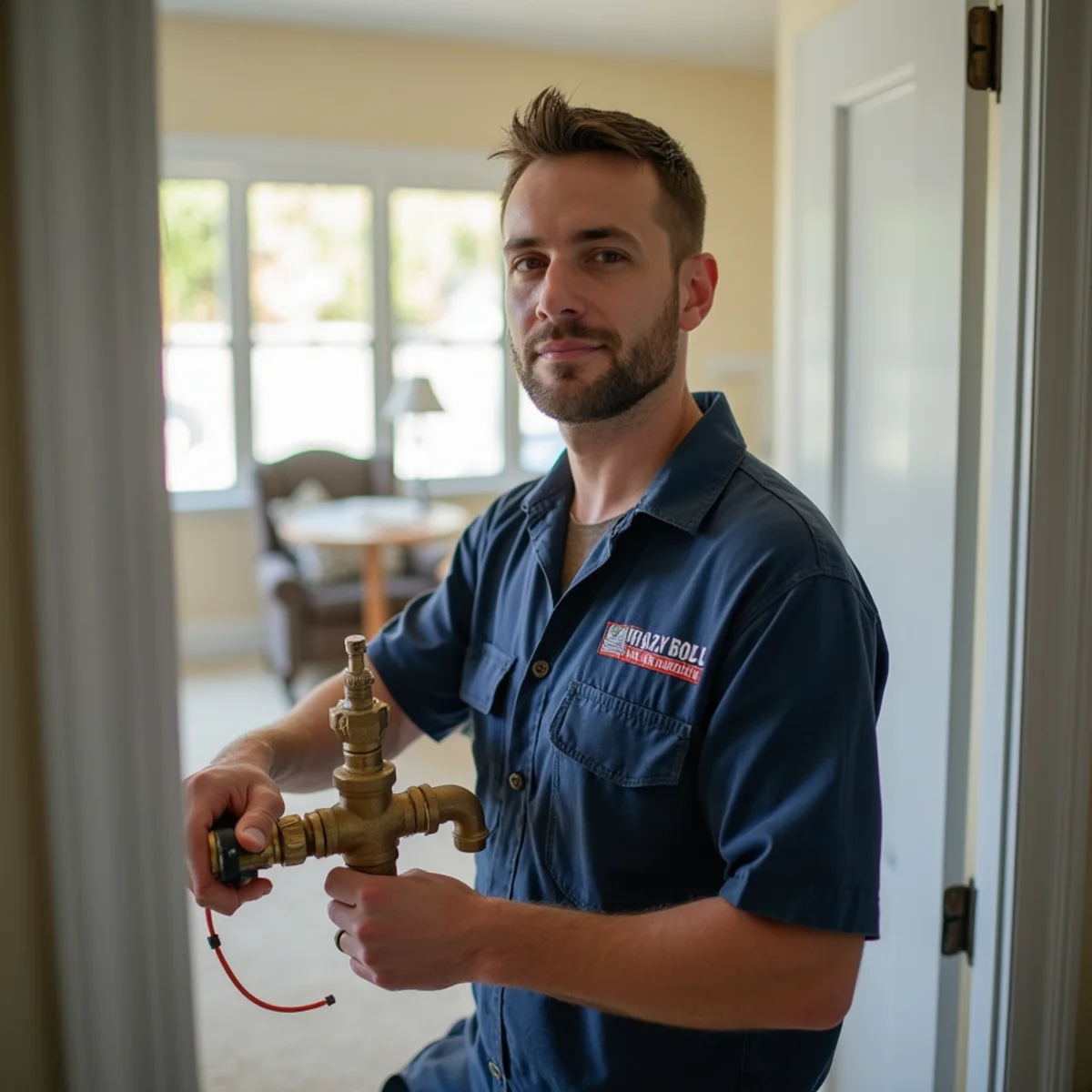
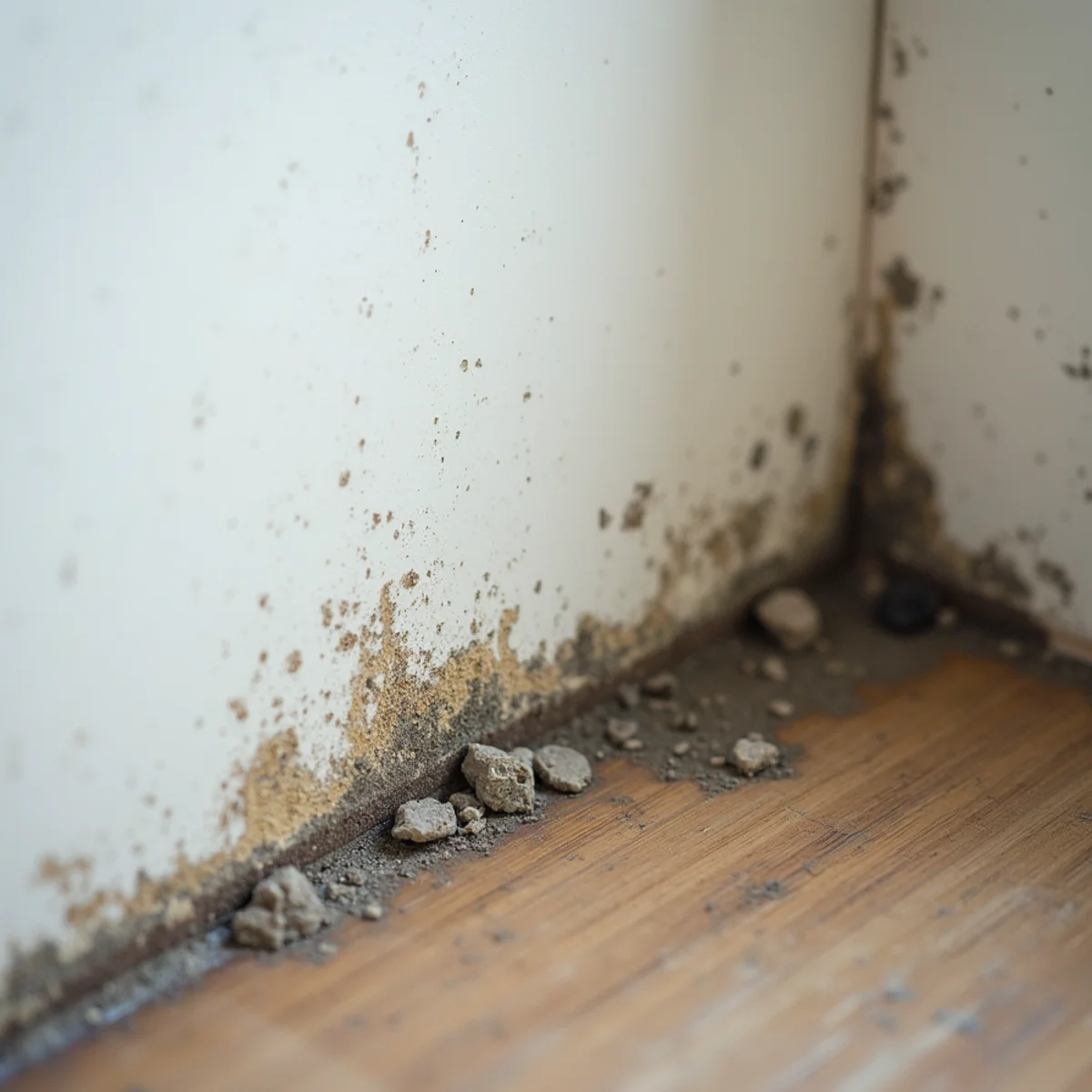
- Document before anything moves. Photograph and video every affected room, wide shots first and then close-ups, including the source: the failed supply line, the cracked fitting, the corroded water heater tank. Hold on to the failed part itself if it can be removed.
- Notify your insurer promptly. Call the claims line or your agent, give the date, the cause as you understand it, and the rooms affected, and write down the claim number and the name of everyone you speak with.
- Start a claim diary. The Department of Insurance recommends logging every call and email, with dates and what was said. If an adjuster says something is excluded or limited, ask which policy provision they are relying on.
- Get a full copy of your policy. Ask for the complete policy, not just the declarations page, so you can read the water, mold, and loss-of-use sections yourself.
- Meet the adjuster. Walk them through every affected area, including the room below a second-floor leak and the inside of any opened walls. Have moisture readings and the drying plan ready.
- Submit the mitigation invoice and the repair estimate. These are usually two separate documents: one for the emergency drying work, one for putting the home back together.
- Track additional living expenses. If the home is unsafe to live in, keep receipts for temporary housing, meals beyond your normal food costs, and similar costs covered under loss of use.
- Complete the proof of loss, if requested. This is a formal statement of what you are claiming. Read the deadline on the form and return it on time.
- Receive payment and close out. Expect separate checks for the structure, contents, and living expenses, and know that the first check is often an advance rather than the final payment.
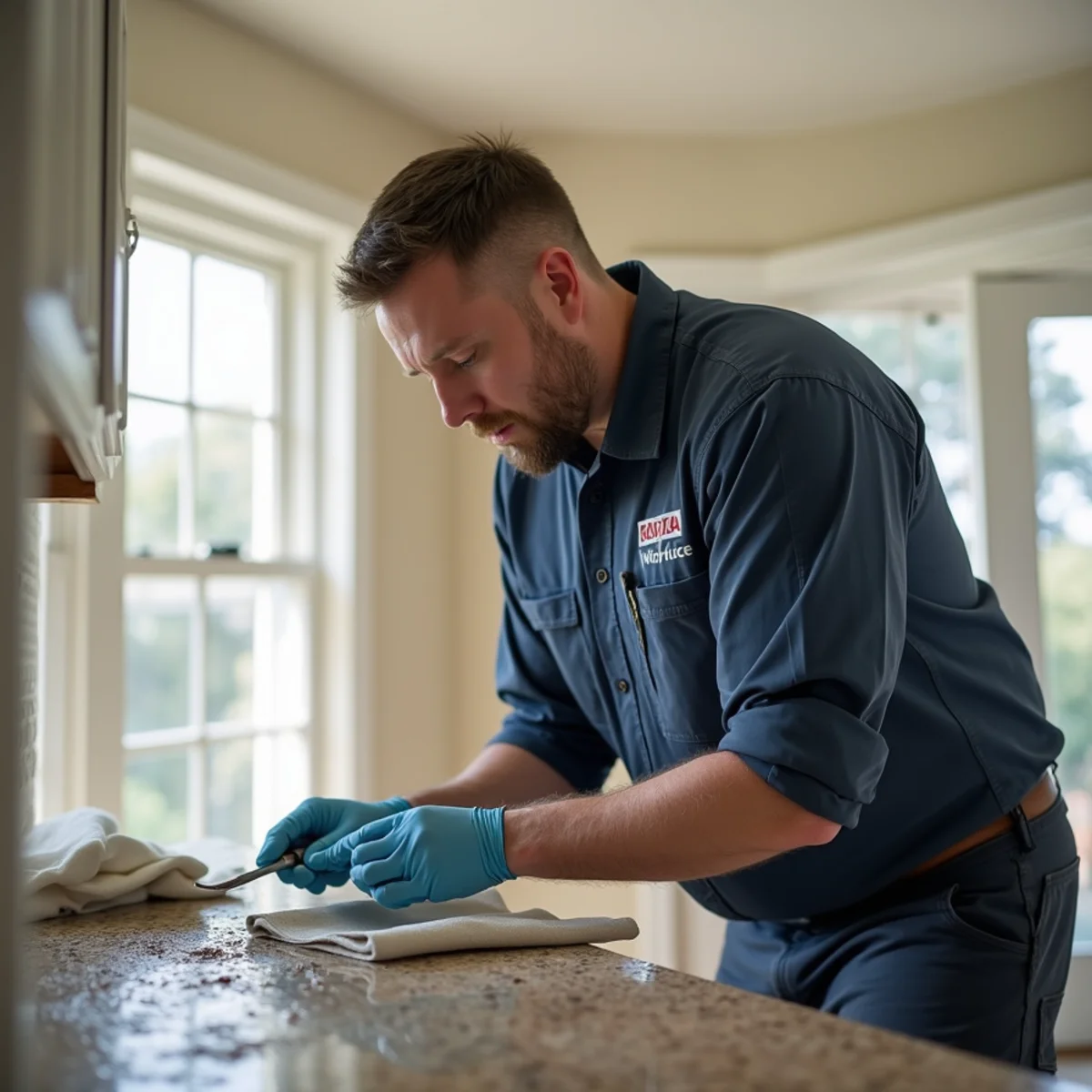
The adjuster visit
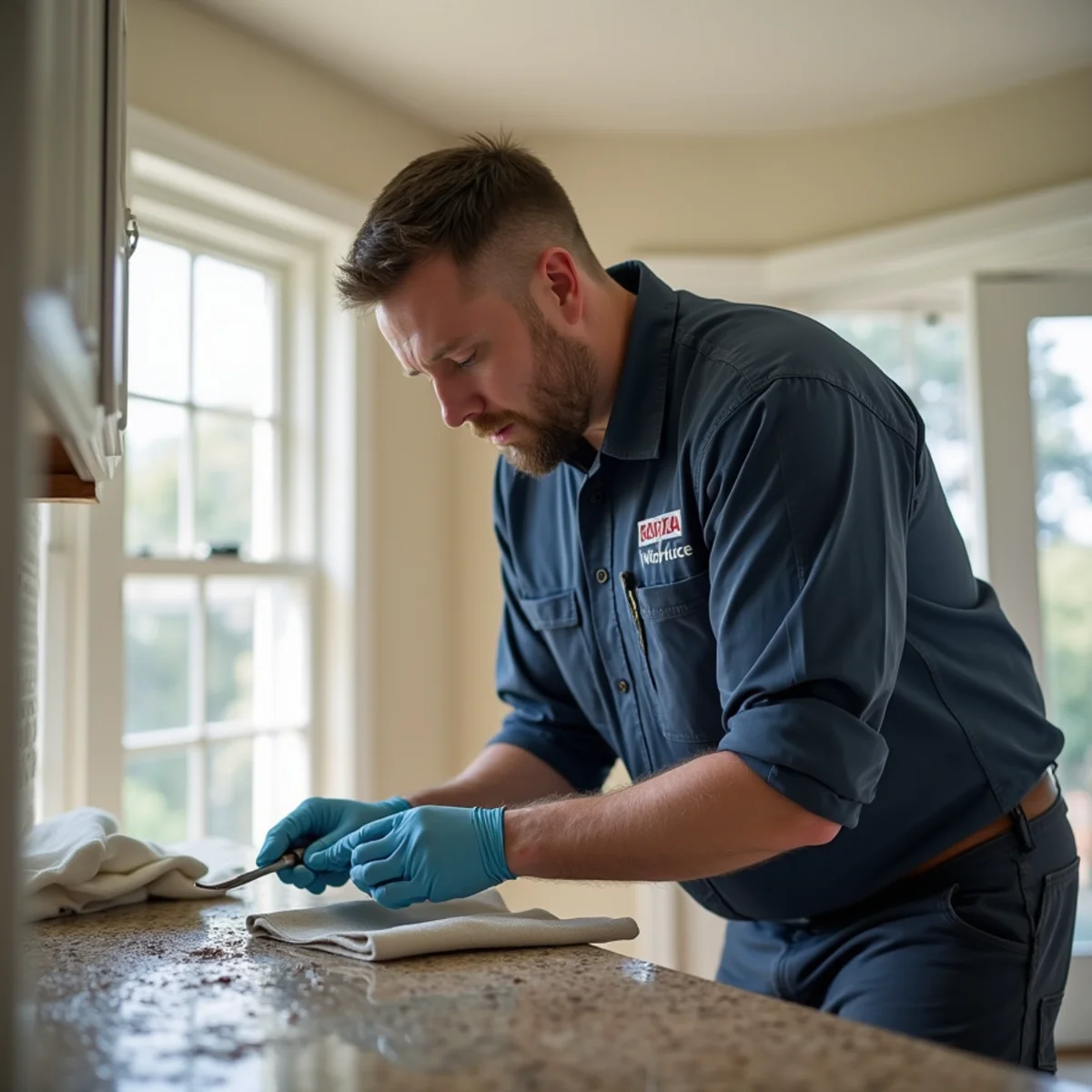
The adjuster is trained to measure and price the damage, and the visit goes faster when the evidence is already organized. Some adjusters do a quick first pass, sometimes called scoping the loss, and come back later to finish the inspection. Be there in person if you can, point out every affected area, and mention anything you suspect but cannot see, such as water that ran into a wall cavity or under cabinets. Do not throw away damaged items until the adjuster says you can.
Mitigation estimate vs. rebuild estimate
Homeowners are often surprised to see two estimates. The mitigation invoice covers the emergency phase: extraction, tear-out of unsalvageable material, equipment days, antimicrobial application, and monitoring. The rebuild estimate covers drywall, texture, paint, flooring, baseboard, cabinets and trim. Both should be itemized line by line, with quantities and measurements, so the adjuster can compare them against their own figures. A single lump-sum number with no breakdown is the fastest way to start a dispute.
Additional living expenses and loss of use
If a kitchen is torn out or the only bathroom is under containment, you may qualify for loss-of-use coverage. The Department of Insurance lists costs such as temporary housing, extra transportation, storage, and furniture rental as examples. You will need to account for every expense, so keep a folder of receipts from day one, and ask your adjuster whether an advance is available.
How the payment arrives
If your home has a mortgage, the check for structural repairs is usually made out to you and the lender together. The lender typically has to endorse it, may hold the funds in escrow, and may release them in stages as the work is completed, sometimes after an inspection. Ask your lender about their process early, because it affects when the contractor can start. Be wary of any settlement offer presented as final that asks you to release further claims. Under most circumstances, if more damage turns up later, you can notify the insurer and ask to reopen the claim.
What Documentation Adjusters Want to See
Adjusters are not looking for a dramatic story. They want measurable evidence that the loss happened when you say it did, that it came from a covered cause, and that the work being billed was necessary. This is what a complete file usually contains:
| Document | What it proves | Who usually produces it |
|---|---|---|
| Date-stamped photos and video | The extent of damage before anything was removed, and the source of the water | You, then the restoration crew |
| Moisture map and daily drying logs | How far the water traveled, and that drying reached a measured standard | The mitigation company |
| Water category and class of loss | Whether the water was clean, gray or black, and how much drying was needed (see water damage categories and classes) | The mitigation company, following the IICRC S500 standard |
| Itemized mitigation invoice | Equipment, labor and materials for the emergency phase | The mitigation company |
| Itemized repair estimate | Line-by-line scope and quantities for the rebuild | Your contractor, compared against the adjuster's estimate |
| Contents inventory | Damaged belongings, with brand, model and approximate age | You, or a contents pack-out team |
| Plumber's or roofer's report | The cause of loss, such as a sudden pipe failure rather than a long-term leak | The trade that fixed the source |
Why Water Damage Claims Get Delayed or Denied
Most disputes come down to the cause of the water and the timing of the report, not the size of the bill. The patterns we see most often:
- Gradual leakage. Policies generally cover sudden and accidental discharges, and many exclude damage from a leak that went on for weeks or months. Rot, layered staining and established mold behind a wall all suggest a long-term leak.
- Maintenance and wear. A worn-out water heater, a failed shower pan or old caulking may be treated as maintenance, even though the sudden water damage that results is sometimes covered.
- Late reporting. Waiting weeks to notify the insurer makes it harder to show the damage came from one event, and can give the carrier grounds to question the claim.
- Flood and surface water. Standard homeowners policies exclude flood, meaning rising surface water such as storm runoff entering a ground-level garage or in-law unit. That needs separate flood coverage.
- Sewer and drain backup. Often excluded unless you added a backup endorsement.
- Mold limits. Mold that follows a covered water event is often covered only up to a sublimit, which may be listed in an endorsement rather than on the declarations page.
- Missing evidence. Damage that was torn out and hauled away without photos or readings is hard to pay on.
In older Peninsula housing stock, the gradual-versus-sudden line comes up constantly. A pinhole leak in 1950s galvanized pipe can drip inside a wall for a long time before a stain appears, and the adjuster will look closely at how long the water was there. A plumber's written opinion on the failure, plus photos of the pipe, helps establish what actually happened.
Condos and Townhomes: Your HO-6 and the HOA Master Policy
In a condo, there may be two policies and two claims. The HOA master policy usually covers the building structure and common elements, while your HO-6 policy covers your unit's interior finishes, improvements and belongings, with the exact split set by your CC&Rs. If the water came from a neighbor's unit or a common pipe, notify your own insurer, the HOA or property manager, and the neighbor, in writing. The master policy deductible can be large, and some owners are surprised by a loss assessment. Our guide to condo and HOA water damage responsibility walks through who usually pays for what.
Should You Hire a Public Adjuster?
A public adjuster is a licensed professional who represents you, not the insurance company, in preparing and negotiating a claim. They are typically paid a percentage of the settlement, so the fee comes out of what you receive. Some homeowners find them worthwhile on large or complicated losses, or when they do not have the time to manage a claim; others resolve claims without one. If you consider hiring one, confirm their license through the Department of Insurance, get the fee agreement in writing, and understand what you are signing before you sign. A restoration company is not a public adjuster and should not negotiate coverage on your behalf.
If You Disagree With the Insurer's Decision
- Ask for the decision in writing, with the specific policy language it relies on. California's Fair Claims Settlement Practices Regulations require a written denial with reasons.
- Answer the stated reason with evidence: drying logs, a plumber's report on the failure, photos, or a second itemized estimate.
- Escalate to the claims manager, and send a letter with copies of your documents to the claims office listed in your policy.
- Contact the California Department of Insurance consumer hotline at 1-800-927-4357, or file a Request for Assistance through its Getting Help page. The Department reviews complaints about claim handling, including delays and denials.
- For large disputes, consider speaking with an attorney who handles insurance claims.
The Department's winter storm tips are also worth reading after an atmospheric-river storm, since they cover wind-driven rain, fallen trees, and checking a contractor's license with the Contractors State License Board before you hire.
How We Help With the Claim Side
From the first visit, we photograph the damage and the source, map moisture with meters and thermal imaging, record the water category and class of loss, and keep daily drying logs. We write an itemized scope in the format carriers use, coordinate with your adjuster, and bill the insurer directly. We serve homeowners from Daly City down the coast to Half Moon Bay and across San Mateo County. What we do not do is decide coverage or negotiate your policy; that stays between you and your carrier.
If you have water in the house and a claim to file, call (201) 277-9344. We will stop the damage, start the documentation the same day, and give you a free inspection with a written scope you can hand to your adjuster.
Frequently asked questions
Stop the water first, then make both calls the same day. Mitigation should not wait for the adjuster, because your policy expects you to prevent further damage and wet materials get worse by the hour. Calling a restoration company first gets extraction and drying started and begins the documentation. Notify your insurer as soon as you reasonably can, get a claim number, and tell them mitigation is underway. Most carriers are comfortable with this sequence as long as the work is photographed and itemized.
In most cases you can choose your own company. Insurers sometimes recommend contractors from a preferred-vendor program, and using one can be convenient, but it is generally your choice. Whoever you hire should document the loss with photos, moisture readings and an itemized scope, and should be willing to work with your adjuster. Read your policy and ask your carrier if you are unsure about any requirement before work begins.
According to the California Department of Insurance, under most circumstances you can ask to reopen a claim if additional damage is discovered later. Notify your insurer as soon as you find it, just as you did with the original loss, and document it the same way: photos, moisture readings and an itemized estimate. This is one reason to be careful with any settlement offer described as final that asks you to release further claims.
It can. Insurers consider claims history when they renew or price a policy, and water claims in particular can draw attention because water losses are common and can recur. That is not a reason to skip a legitimate claim for real damage, but for a very small loss close to your deductible it may be worth asking your agent how a claim would be treated before you file. Your agent can explain how your specific carrier handles this.