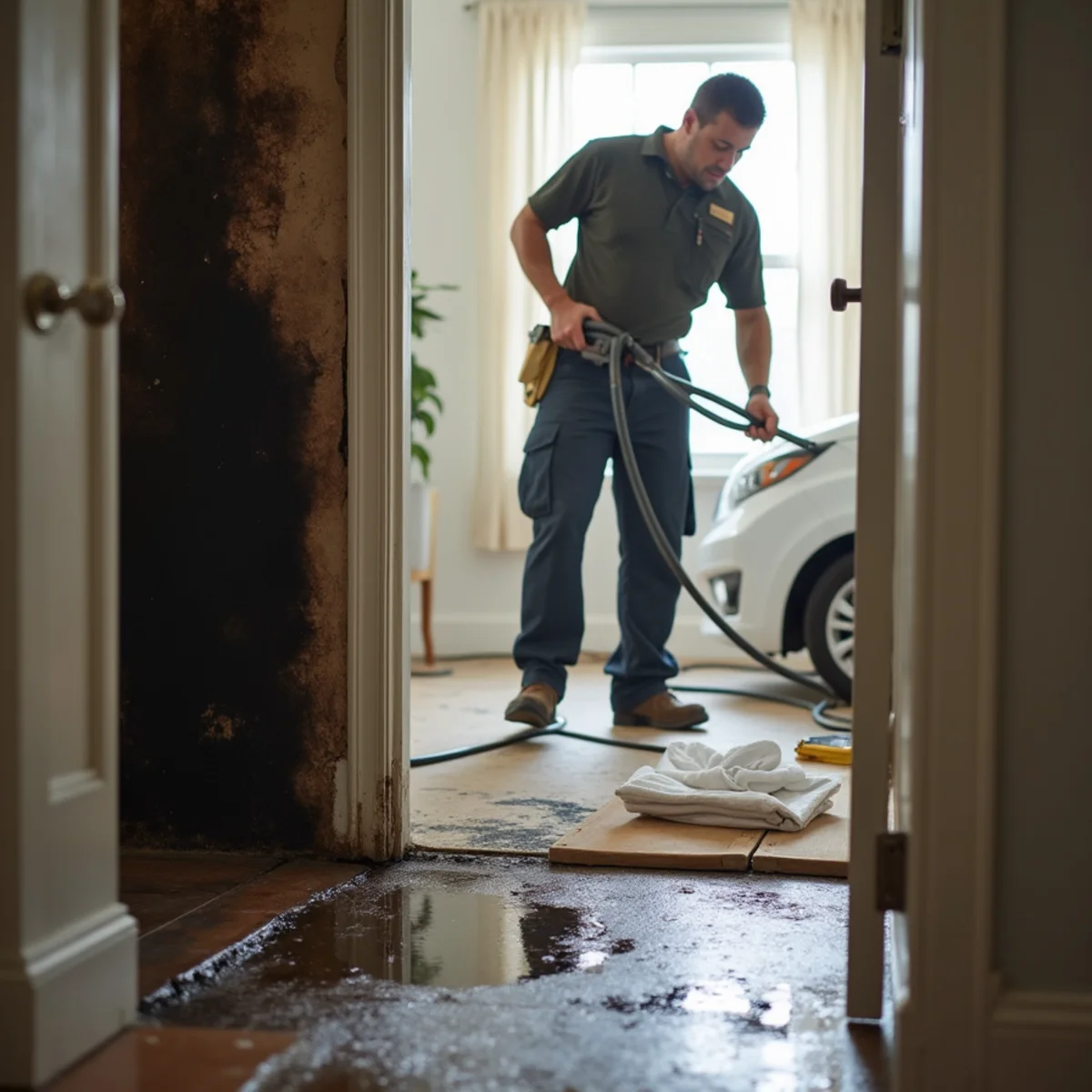
Smoke Damage Restoration in Daly City, CA
Answered live 24/7 Free inspection Direct insurance billing
Get a Free Estimate
Use the form or call our 24-hour hotline at (201) 277-9344.
- 24/7 Emergency Service
- Free On-Site Inspection
- Direct Insurance Billing
- Local Daly City Crews
Trusted Smoke Damage Restoration in Daly City
Smoke damage restoration is the cleanup of soot, smoke residue, and odor after a fire, including fires that never touched your rooms. A grease fire on the stove, a small electrical fire contained to one outlet, a fire in the unit next door, or a regional wildfire smoke event can all leave a fine film on walls and ceilings, residue inside the ductwork, and a smell that returns every time the heat comes on. Water Damage Daly City cleans smoke-affected homes across Daly City and the Peninsula, and when there is structural fire damage our fire damage restoration crew handles the rebuild as well.
Smoke residue is harder to clean than it looks, and the wrong first attempt can make it permanent. Wiping dry soot with a damp rag smears it deeper into flat paint and textured ceilings. Kitchen fires leave protein residue, a nearly invisible yellow-brown film with a strong, sour odor that clings to cabinets and paint. Smoky, smoldering fires leave sticky wet-smoke residue, and fast, hot fires leave powdery dry soot. Each one needs a different cleaning method, and soot left on surfaces can discolor plastics, etch glass and metal finishes over time, and keep the odor alive.
We start by identifying the residue type room by room, then work from dry removal to wet cleaning so we lift soot instead of spreading it. Odor removal follows cleaning, never the other way around, and any surface that cannot be fully cleaned is sealed with an odor-blocking primer before repainting. In shared-wall buildings and in-law units we coordinate with owners and HOAs, and we document residue and odor for your insurance claim. If you're dealing with the aftermath of a fire right now, read what to do after a house fire, then call (201) 277-9344 for a free inspection before you start scrubbing.
What’s included
- Room-by-room residue assessment to identify protein, dry, and wet smoke residue before any cleaning starts
- HEPA vacuuming and dry chemical sponges to lift loose soot without smearing it into paint and texture
- Wet cleaning with residue-specific detergents and degreasers for cabinets, walls, ceilings, and fixtures
- HVAC and duct inspection, with filter replacement and coordination of duct cleaning when smoke was drawn through the system
- Odor treatment after cleaning: HEPA air scrubbing, hydroxyl generators, thermal fogging, and ozone only in unoccupied spaces
- Contents cleaning or pack-out for clothing, soft goods, dishes, and electronics exposed to smoke
- Odor-sealing primer on cleaned surfaces before repainting, plus photo documentation for your claim
When to call for smoke damage restoration
Catching these early keeps a small problem from becoming a major one.
A kitchen fire left a sticky, sour film
Burned food and grease produce protein residue that is hard to see but easy to smell. It coats cabinet faces, range hoods, and walls in nearby rooms, and household cleaners often move it around rather than removing it.
Gray or black soot on walls and ceilings
Soot settles heaviest on ceilings, upper walls, and cooler surfaces like exterior walls and window frames. Dry soot should be vacuumed and sponged before any liquid touches it, or it can stain the surface permanently.
Smoke came through a shared wall or ceiling
In condos, duplexes, and homes with a downstairs unit, smoke from a neighboring fire travels through outlets, plumbing penetrations, attic spaces, and shared ventilation. Your unit may have no fire damage at all and still need full smoke cleaning.
The house smells like smoke after a wildfire event
During Bay Area wildfire smoke events, fine particles enter through window gaps, vents, and HVAC intakes. If the odor lingers after the air outside clears, residue has settled on surfaces, soft goods, and the HVAC system.
Odor returns when the heat comes on
If the smell gets stronger when the furnace or fan runs, residue is likely in the filter, blower, or ductwork, and the system is redistributing it through the house each time it cycles.
Discoloration on plastics, grout, or fixtures
Yellowing outlet covers, dulled chrome, and darkened grout lines are signs that residue is sitting on surfaces and reacting with them. The sooner these are cleaned, the more likely they can be restored rather than replaced.
What to do before our crew arrives
Safe, simple steps that limit the damage while help is on the way.
- 1
Do not wipe soot off walls, ceilings, or lampshades; dry soot smears under a damp cloth and can stain permanently.
- 2
Leave the furnace and any ventilation fan off, and if it already ran, pull the filter and set it aside in a bag so it can be photographed.
- 3
Throw out open food, drinks, and medications that sat in the smoke or heat, and do not use pans or utensils from the area until they are washed.
- 4
Bag smoky clothes and bedding separately and hold off on the hot dryer, which can set odor into the fabric before it is properly cleaned.
- 5
Keep people who have asthma or other breathing conditions, and pets, out of the affected rooms until residue is cleaned and the air is filtered.
- 6
Photograph soot on window sills, outlet covers, and the inside of cabinets for your claim before anyone starts cleaning.
How we handle smoke damage restoration
- 1
Assess residue type and spread
We walk every room, test surfaces to identify protein, dry, or wet smoke residue, and trace how smoke moved through the home, including closets, attic access, and the HVAC system. This determines the cleaning method for each area and the documentation for your claim.
- 2
Protect the air and the unaffected rooms
HEPA air scrubbers capture airborne particles while we work, and we isolate clean rooms so soot is not tracked or blown into them. If the HVAC system carried smoke, we shut it down until filters and ducts are addressed.
- 3
Dry soot removal
HEPA vacuuming removes loose soot from ceilings, walls, and horizontal surfaces, followed by dry chemical sponges that lift residue from flat paint and texture. Removing dry residue first prevents the smearing that wet cleaning would cause.
- 4
Wet cleaning matched to the residue
Protein and wet-smoke residue need degreasers and detergents suited to the surface, applied and rinsed in sections. Cabinets, trim, fixtures, windows, and hard flooring are cleaned by hand; delicate finishes get gentler methods.
- 5
Contents and HVAC
Clothing, bedding, and soft goods are laundered or specialty-cleaned, hard contents are wiped and deodorized, and items that need off-site work are inventoried and packed out. Filters are replaced and duct cleaning is coordinated when smoke was drawn through the system.
- 6
Odor treatment after cleaning
Once the residue is gone, we treat what remains in porous materials. Hydroxyl generators can run while the home is occupied; thermal fogging reaches into fabrics and cavities; ozone is used only in a sealed, unoccupied space, followed by ventilation, because ozone irritates the lungs and can degrade rubber and some fabrics.
- 7
Seal, repaint, and verify
Surfaces that were cleaned but may still hold odor are sealed with an odor-blocking primer before finish paint. We walk the home with you to confirm the odor is gone under normal conditions, including with the heat running.
How long smoke damage restoration takes
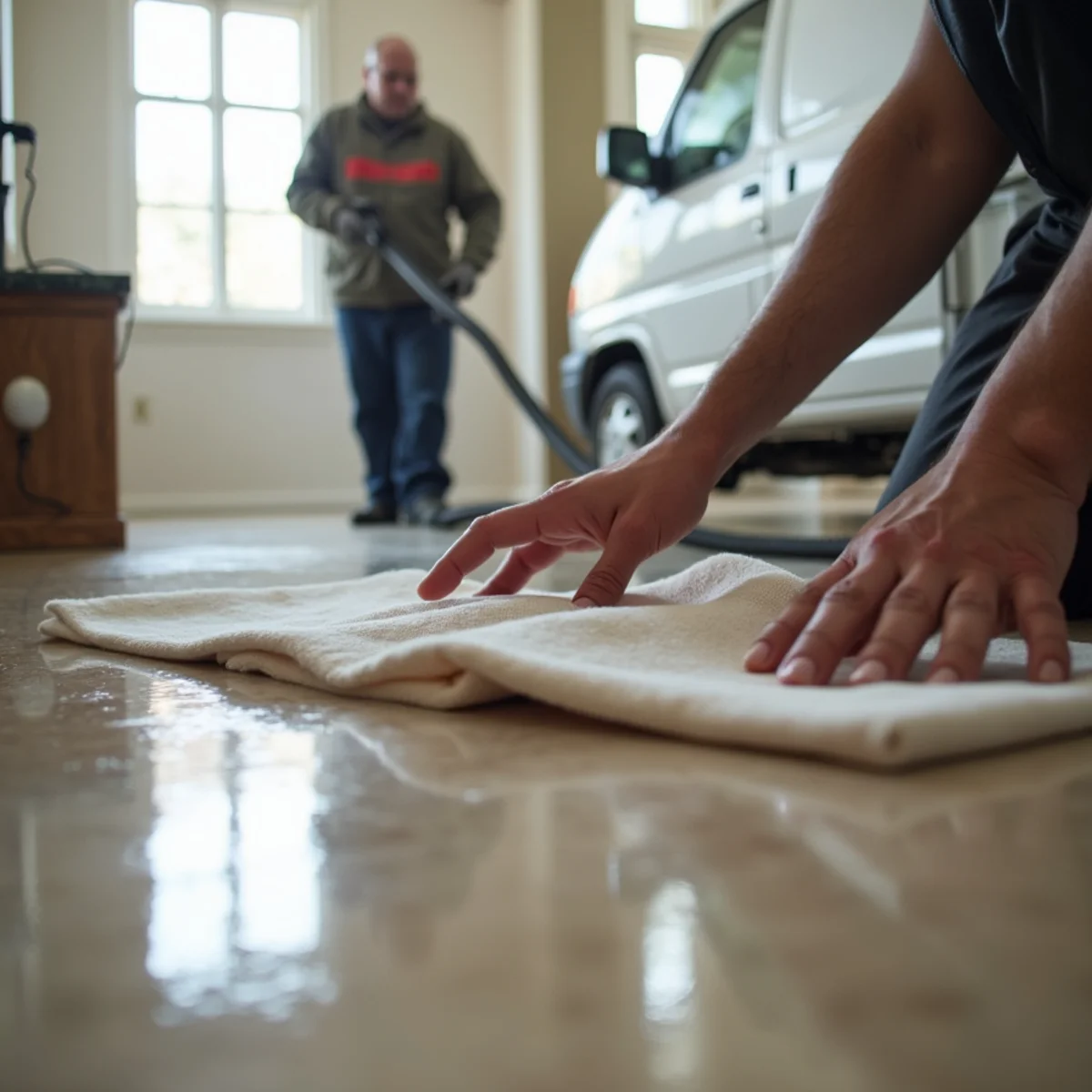
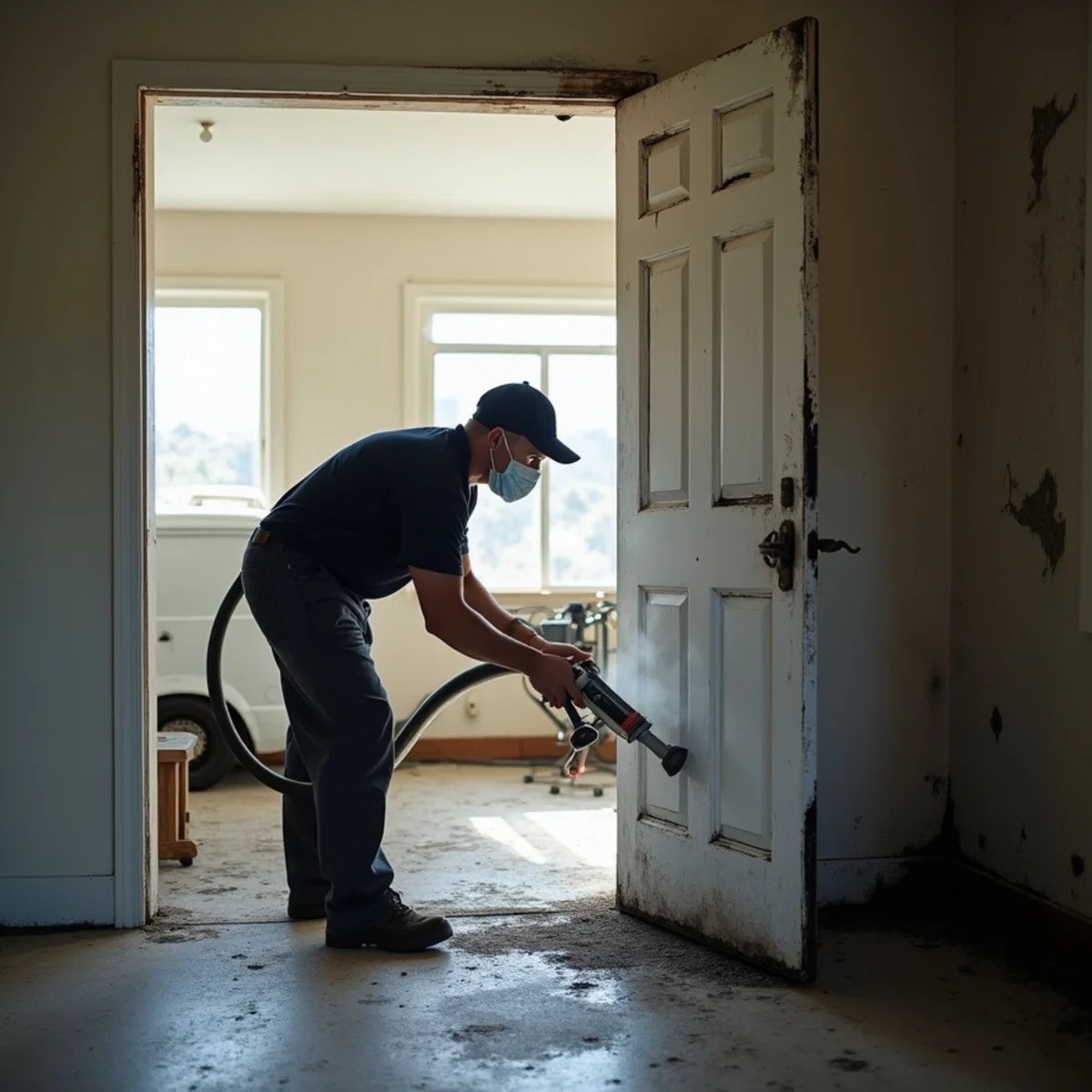
A small kitchen fire with residue confined to a few rooms is often cleaned within a few working days, with odor treatment running during or right after. The job grows when smoke traveled through the HVAC system, reached closets and soft goods, or came from a slow, smoldering fire that left sticky residue on every surface. Contents cleaning and pack-out add time, and so does sealing and repainting at the end. If firefighting or a sprinkler head also left water behind, drying has to finish before final cleaning and paint. Waiting on an adjuster's walkthrough can pause work, so we document early to keep the schedule moving. If sprinklers or hoses were involved, water mitigation runs alongside the smoke cleaning.
How to keep it from happening again
- Stay in the kitchen while anything is frying or broiling, and keep a lid within reach to smother a pan fire instead of carrying it or adding water.
- Test smoke alarms monthly, replace batteries on the schedule printed on the unit, and replace the alarm itself when it reaches its expiration date.
- Clean the dryer lint screen every load and have the full dryer vent run cleaned, especially where it snakes through a garage wall or up to the roof.
- Before wildfire season, buy spare HVAC filters rated for fine particles that your system is designed to handle, and learn how to set it to recirculate.
- Keep space heaters three feet from curtains and bedding and plug them directly into the wall rather than an extension cord or power strip.
What goes into your estimate
Every water loss is different, so we never quote blind. After a free inspection we give you a clear, itemized estimate. These are the factors that move the price:
- The type of residue, since protein and wet-smoke residue take more labor and stronger chemistry than dry soot
- How many rooms and how much surface area the smoke reached, including closets and attic space
- Whether the HVAC system ran during or after the fire and needs filter replacement or duct cleaning
- The volume of contents that need cleaning, laundering, or pack-out
- The odor treatment method and how long it needs to run
- Whether surfaces need sealing and repainting after cleaning
- Any water damage from firefighting or sprinklers that must be dried at the same time
Why Daly City trusts us for this
Smoke cleaning and water drying under one roof
Even small fires often involve water from a sprinkler head, a fire extinguisher, or the fire department. We dry and clean in the same job, so you are not coordinating two companies.
Cleaning before deodorizing
Masking a smoke smell with fragrance or running ozone over residue does not last. We remove the residue first, then treat odor in what is left, then seal.
Shared-wall and multi-unit experience
Smoke from a neighbor’s unit raises questions about whose policy pays and who authorizes the work. We document conditions in each affected unit and work with owners, tenants, and HOAs.
Measured safety around ozone and chemicals
We explain each treatment before it runs, keep people and pets out of any ozone treatment, ventilate afterward, and use HEPA filtration while we clean so particles do not settle back onto finished surfaces.
Related Services
Helpful Reading
What to Do After a House Fire: A Checklist for the First 72 Hours
The fire is out and the questions start. Here's what to do, and what to leave alone, in the first three days, from the fire department's report to the first call with your insurer.
Read article
The Water Damage Restoration Process Explained (Step by Step)
Knowing what happens next lowers the stress. Here’s the full restoration process, step by step, the way we run it.
Read articleSmoke Damage Restoration across Daly City & the Peninsula
We provide smoke damage restoration throughout Daly City’s neighborhoods and the surrounding Peninsula — from the fog-belt hills to the coast to the bay. Not sure if we reach you? Call (201) 277-9344 and ask.
Smoke Damage Restoration questions, answered
Light, dry residue on washable, hard surfaces can sometimes be handled by a careful homeowner, but there are risks. Wiping dry soot with water often smears it into flat paint, and household cleaners may not cut protein residue from a kitchen fire. Soft goods, ductwork, and textured ceilings are harder still. If the smell persists after an initial cleaning, or if you are filing an insurance claim, have the residue assessed before you scrub, since the first cleaning attempt affects what can be saved.
Odor lasts as long as residue remains. Smoke particles settle on surfaces, inside porous materials like carpet, drywall, and upholstery, and in the HVAC system, and they release odor whenever temperature and humidity change. Airing out the house helps temporarily, but the smell usually returns until the residue is cleaned and any remaining odor in porous materials is treated. Fog-belt humidity can make lingering smoke odor more noticeable on damp days.
Ozone can be effective on smoke odor, but it is a lung irritant and should only be used in a sealed space with no people, pets, or plants present, followed by thorough ventilation before anyone returns. It can also degrade rubber, some plastics, and certain fabrics with long exposure. For occupied homes we typically use hydroxyl generators instead, which work more slowly but can run while people are present. Either way, odor treatment works best after the residue is cleaned.
Smoke damage is commonly a covered peril under homeowner and renter policies, including when the fire started elsewhere, but coverage depends on your specific policy and the extent of the damage. Wildfire smoke claims often turn on whether there is visible residue or measurable damage. Photograph soot on surfaces, filters, and window sills, and keep a log of the odor. We document residue room by room to support the claim; your insurer makes the coverage decision.
Not until the system has been checked. If the furnace or fan ran during or after the fire, smoke and soot were likely drawn into the filter, blower, and ducts, and running it again spreads residue to clean rooms. Replace the filter at minimum and have the system inspected. During wildfire smoke events, a higher-efficiency filter rated for fine particles can reduce what reaches the house, if your system is designed to handle it.
Painting over smoke residue without cleaning it usually fails. Soot and protein residue can bleed through latex paint as yellow or brown staining, and trapped residue continues to release odor through the new coat. The correct order is to remove the residue, let the surface dry, apply an odor-blocking and stain-blocking primer, then apply finish paint. That sequence is what keeps both the stain and the smell from returning.
24/7 Emergency Response
Need smoke damage restoration in Daly City? Call now.
Call now for a free inspection. A real person answers day or night and dispatches a crew right away.