Water Heater Leak & Burst Cleanup in Daly City, CA
Answered live 24/7 Free inspection Direct insurance billing
Get a Free Estimate
Use the form or call our 24-hour hotline at (201) 277-9344.
- 24/7 Emergency Service
- Free On-Site Inspection
- Direct Insurance Billing
- Local Daly City Crews
Trusted Water Heater Leak & Burst Cleanup in Daly City
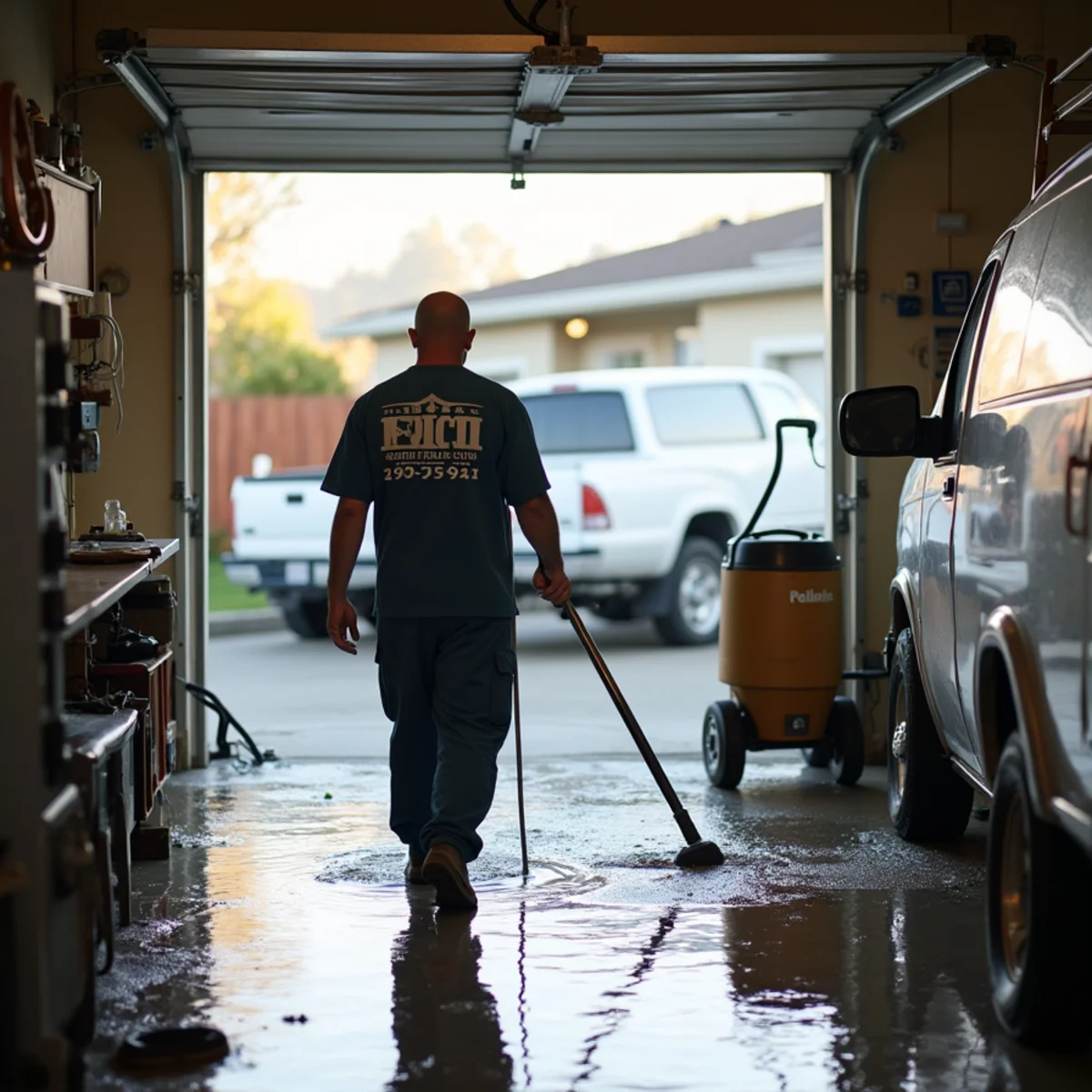
Water-heater leak cleanup is the fast extraction and drying we do when a tank fails and floods the space around it, available 24/7 across Daly City. You walk into the garage and step in water. The tank in the corner, the one you have not thought about in years, has finally given out, and 40 to 50 gallons are spreading across the slab toward the boxes, the drywall, and the door into the house. A water heater does not politely drip when it fails; it ruptures, and the whole tank comes out at once.
Because most Daly City heaters sit in the garage or a utility closet, the water heads straight for stored belongings, the bottom of the drywall, and any adjoining room on the same level. On a slab-on-grade foundation it runs flat and fast, wicking up wall bases and under thresholds by capillary action. Left to sit, that pool soaks cardboard, particleboard, MDF cabinet bases, and framing, and in the fog belt's persistent damp it dries slowly enough to start growing mold within a day or two.
We clear it fast. Call (201) 277-9344 and we dispatch a crew right away to extract the water, move and protect what can be saved, and dry the garage or closet before the damage deepens. We dry to measured moisture targets and bill your insurer directly, so a failed tank is a bad morning instead of a lingering problem.
What’s included
- 24/7 dispatch with local crews sent right away to Daly City garages and homes
- Fast extraction of the full tank's worth of water off slab and flooring
- Help shutting off the cold-water supply and the gas or power to the failed heater
- Moving and protecting stored belongings out of the water's path
- Drying of wet drywall bases, wall cavities, and any adjoining rooms
- Moisture checks under thresholds and along shared walls into the house
- Coordination on heater replacement and rebuild of damaged materials
When to call for water heater leak
Catching these early keeps a small problem from becoming a major one.
A sudden pool of water around the tank
Water spreading out from the base of the heater usually means the tank itself has failed, not just a fitting or a valve. That is the full volume coming out at once, and it needs extraction now, not a towel and a hope it stops.
Rust, corrosion, or weeping at the base
A tank rusting or seeping around the bottom seam is close to letting go, and salt-laden coastal air only speeds that corrosion along. Catching it at the weeping stage can turn a rupture into a planned, controlled replacement.
Water creeping toward the door into the house
On a level slab, a garage leak does not stay in the garage. Water sliding under the interior door soaks the flooring and wall bases of the next room before you have even found the source.
Wet, softening drywall along the garage walls
Drywall wicks water upward from the slab, so a dark, soft band along the bottom of the wall means moisture is already climbing into the cavity. Behind it, the insulation and bottom plate are getting wet too.
A drip pan overflowing or a discharge line running
Water in the drip pan or a temperature-relief line that keeps discharging is the heater telling you it is failing. It is an early warning that the tank is under stress and may soon give way.
A rotten-egg smell or discolored hot water
Rusty, discolored hot water or a sulfur smell points to a corroding tank interior nearing the end of its life. It is worth addressing before the corrosion becomes a leak on your garage floor.
What to do before our crew arrives
Safe, simple steps that limit the damage while help is on the way.
- 1
Close the cold-water valve on top of the tank; if it will not turn, close the house main instead.
- 2
For a gas heater, turn the control knob to off or pilot; for an electric heater, switch off its breaker before touching the unit.
- 3
Do not drain the tank yourself while it is still hot; the water can scald, and the drain valve on older tanks can break.
- 4
Lift boxes and anything made of cardboard or pressed wood off the floor around the heater and toward the dry side of the garage.
- 5
Check the interior door from the garage to the house and lay towels along the threshold to slow water heading inside.
- 6
Take a clear photo of the heater's label showing the model and serial number, which helps both your insurer and your plumber.
How we handle water heater leak
- 1
Shut off the heater
We help close the cold-water supply valve at the top of the tank and shut down the gas or the breaker to it, stopping the flow and making the area safe before we start. On a gas unit that also prevents the burner from firing on an empty or damaged tank.
- 2
Extract the water
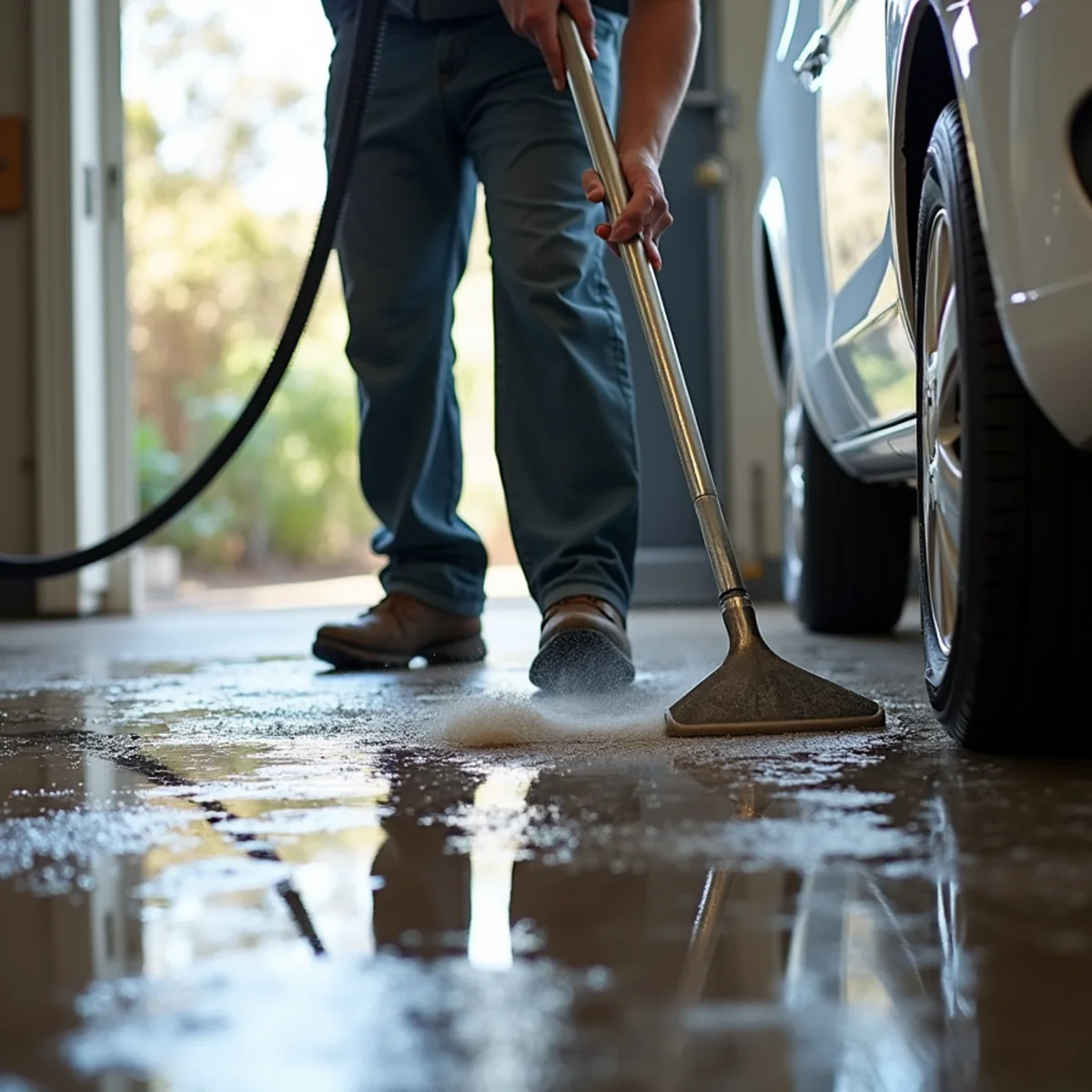
Truck-mounted and portable extractors pull the standing water off the slab and out of any flooring fast, before it spreads further under walls and thresholds. Moving the volume quickly is what keeps a garage loss from becoming a whole-floor loss.
- 3
Protect the contents
We move stored belongings out of the water, set salvageable items aside to dry, and document anything the water ruined for your claim. Garages hold a lot of porous cardboard and pressed wood, so getting items up early saves what we can.
- 4
Check adjoining spaces
We follow the water with meters into wall cavities and any neighboring room, since a slab lets it travel well past where you can see it. Shared walls and the threshold into the house are the first places we confirm.
- 5
Dry it out
Air movers and LGR dehumidifiers dry the drywall, framing, and slab area until readings confirm the space is genuinely dry, not just dry to the touch. Concrete and bottom plates hold moisture, so we monitor them to their dry reference.
- 6
Rebuild what was lost
We coordinate on the new heater with your plumber and rebuild any drywall and finishes the water damaged, documenting the job throughout for direct insurance billing. One hand-off from wet garage to finished space.
How long water heater leak takes
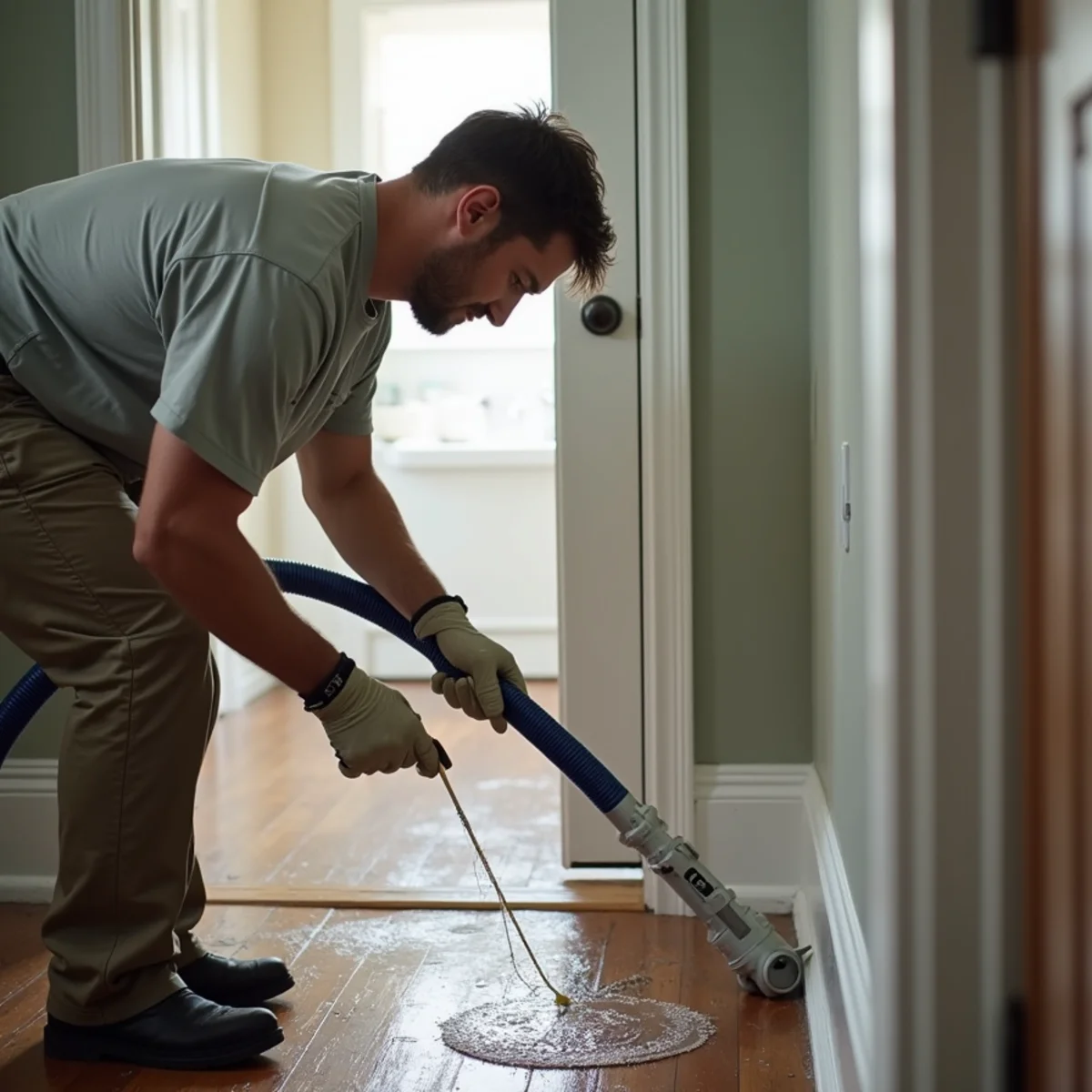
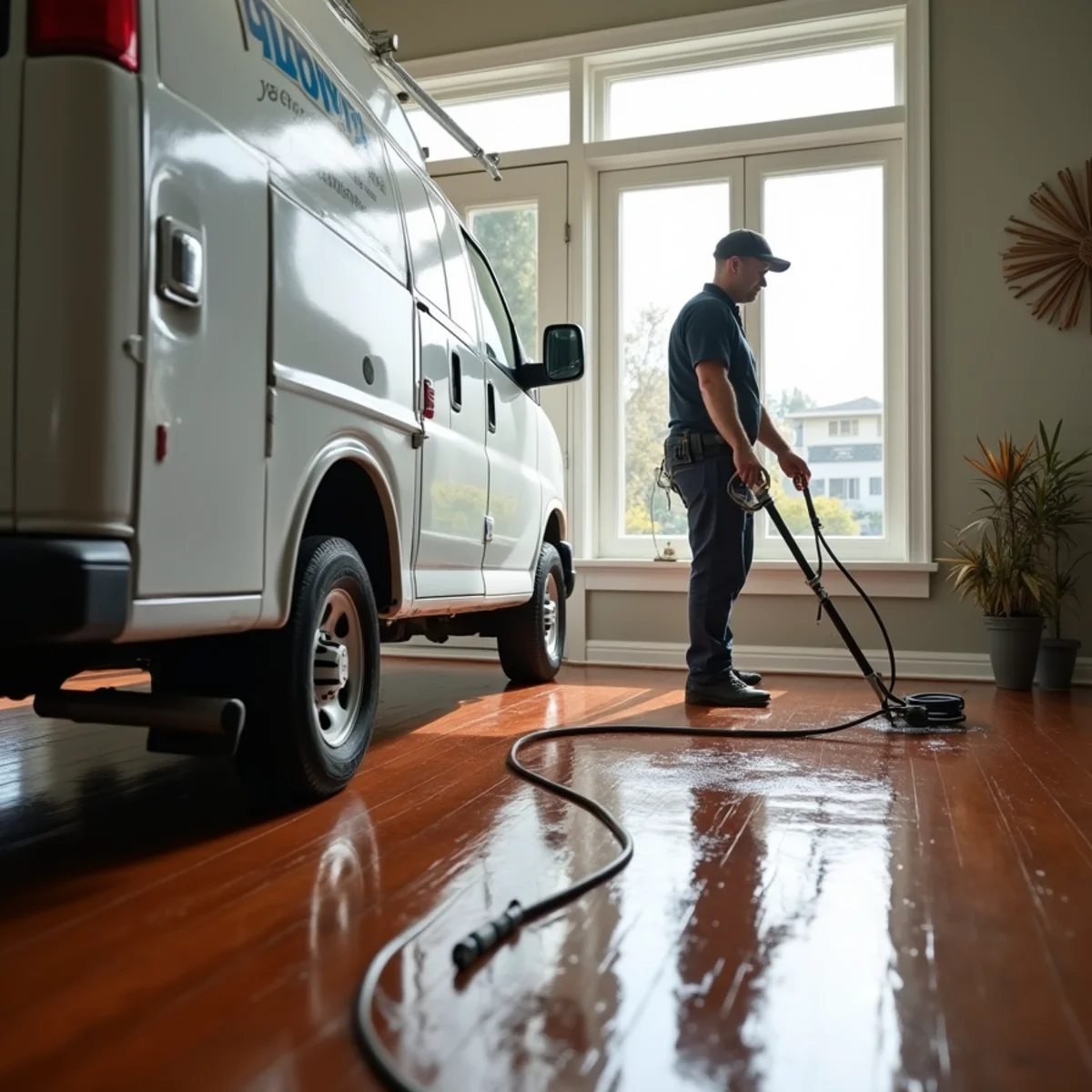
Extracting the tank's water and setting up drying usually happens on the first visit. When the water stays on a garage slab and touches only the lower drywall, drying tends to be on the shorter end. It takes longer if the water ran under the door into finished rooms, soaked carpet or engineered flooring, or reached a closet heater inside a condo and seeped into the unit below. Replacement of the heater itself depends on the plumber's schedule and parts, and any drywall or flooring rebuild follows once readings show the space is dry. Our guide to a leaking water heater covers early warning signs.
How to keep it from happening again
- Confirm the tank has seismic straps at the top and bottom of the tank; California requires water heaters to be braced, and an unstrapped tank can tip in an earthquake and break its water and gas lines.
- Make sure the temperature-and-pressure relief valve has a discharge pipe running to the outside or a drain, not ending a few inches above the floor.
- Have the tank flushed periodically to clear sediment and have the anode rod checked, following the manufacturer's maintenance guide.
- If your home has a pressure-reducing valve or backflow device, ask a plumber if a thermal expansion tank is needed to protect the heater.
- Install an automatic shutoff valve with a floor sensor at the heater, which closes the supply when it detects water.
What goes into your estimate
Every water loss is different, so we never quote blind. After a free inspection we give you a clear, itemized estimate. These are the factors that move the price:
- How much of the tank's volume was released and how far it spread
- Whether the water stayed in the garage or reached adjoining living space
- The amount of drywall and framing that wicked moisture and must be dried or removed
- The quantity and condition of stored belongings that need moving, drying, or cleaning
- Access around the heater and how much has to be cleared to work safely
- Drying time for the slab, wall bases, and any enclosed wall cavities
- Whether the water reached porous MDF cabinet bases or finished flooring
- The scope of drywall and finish rebuild after the space is confirmed dry
Why Daly City trusts us for this
We know the garage floods first
In Daly City's slab homes the water heater usually sits at ground level, and that is exactly where a rupture spreads fastest and reaches the house door soonest. We plan the response around how these garages actually flood, so we are checking the right places from the moment we arrive.
We save what we can
Garages hold the things people mean to sort out someday, much of it in porous cardboard boxes that fail fast in water. We move and protect belongings early so the water takes as little as possible with it.
We follow the water into the house
A level slab lets a garage leak reach the next room quietly, under the threshold and up the shared wall. Our meters check those walls and thresholds so we dry the whole affected path, not just the puddle you can see.
We account for salt-air corrosion
Coastal air corrodes tanks and fittings faster here than inland, so we look at the connections and the pan while we are on-site. Flagging what is close to failing can save you the next flood.
Fast response, full rebuild
We dispatch a local crew right away, we dry to measured moisture targets, and we handle the drywall rebuild and direct insurance billing, so it is one clean project from the failed tank to the finished wall.
Related Services
Helpful Reading
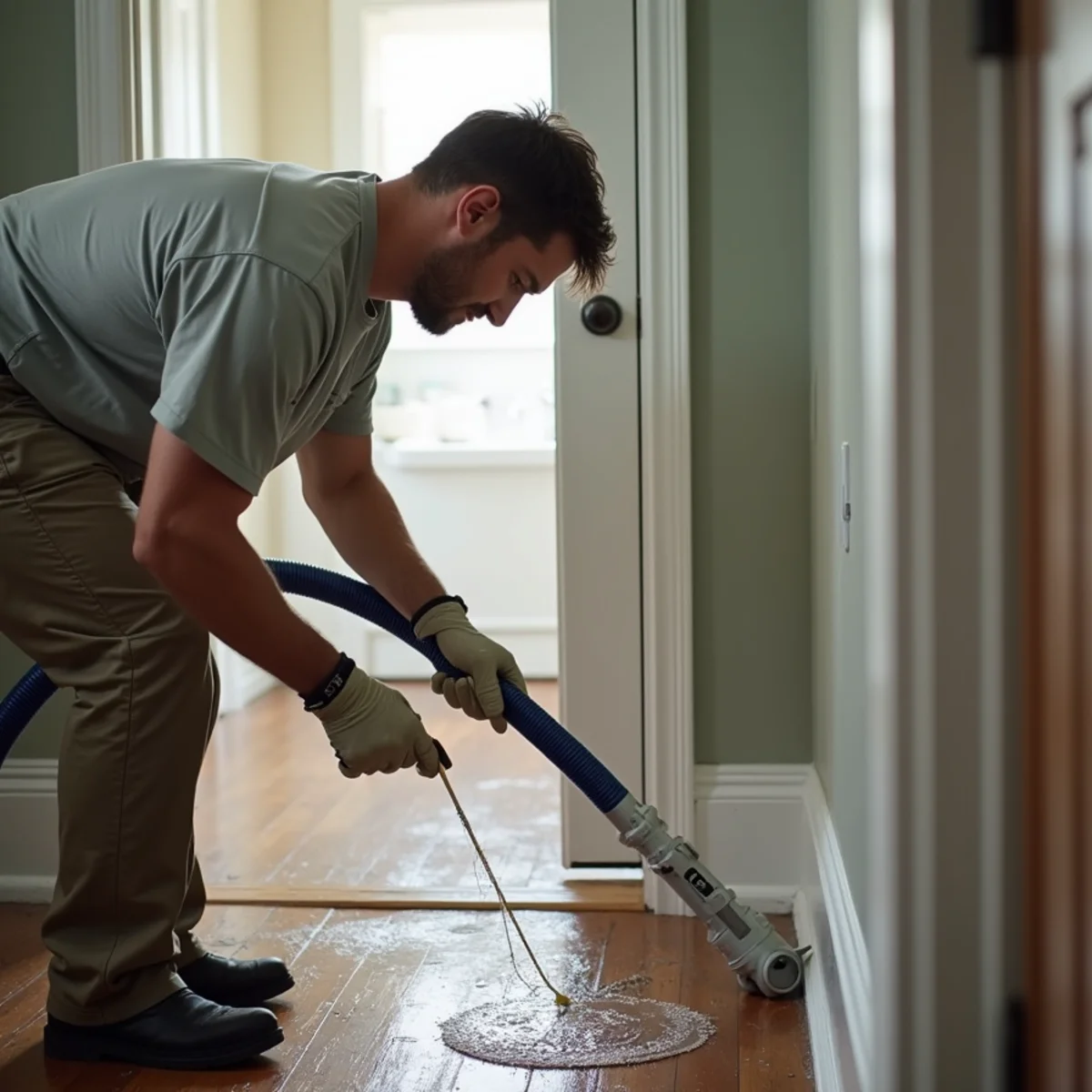
Water Heater Leaking? What to Do Right Now, Where the Leak Is Coming From, and Who to Call
A puddle under the water heater can be a loose fitting or a tank on its way out. Here is how to make it safe, find the source, and protect the garage or closet around it.
Read article
What to Do in the First 24 Hours After Water Damage in Your Daly City Home
The first day decides how much you lose. Here’s exactly what to do — and what to avoid — in the first 24 hours after water damage in Daly City.
Read article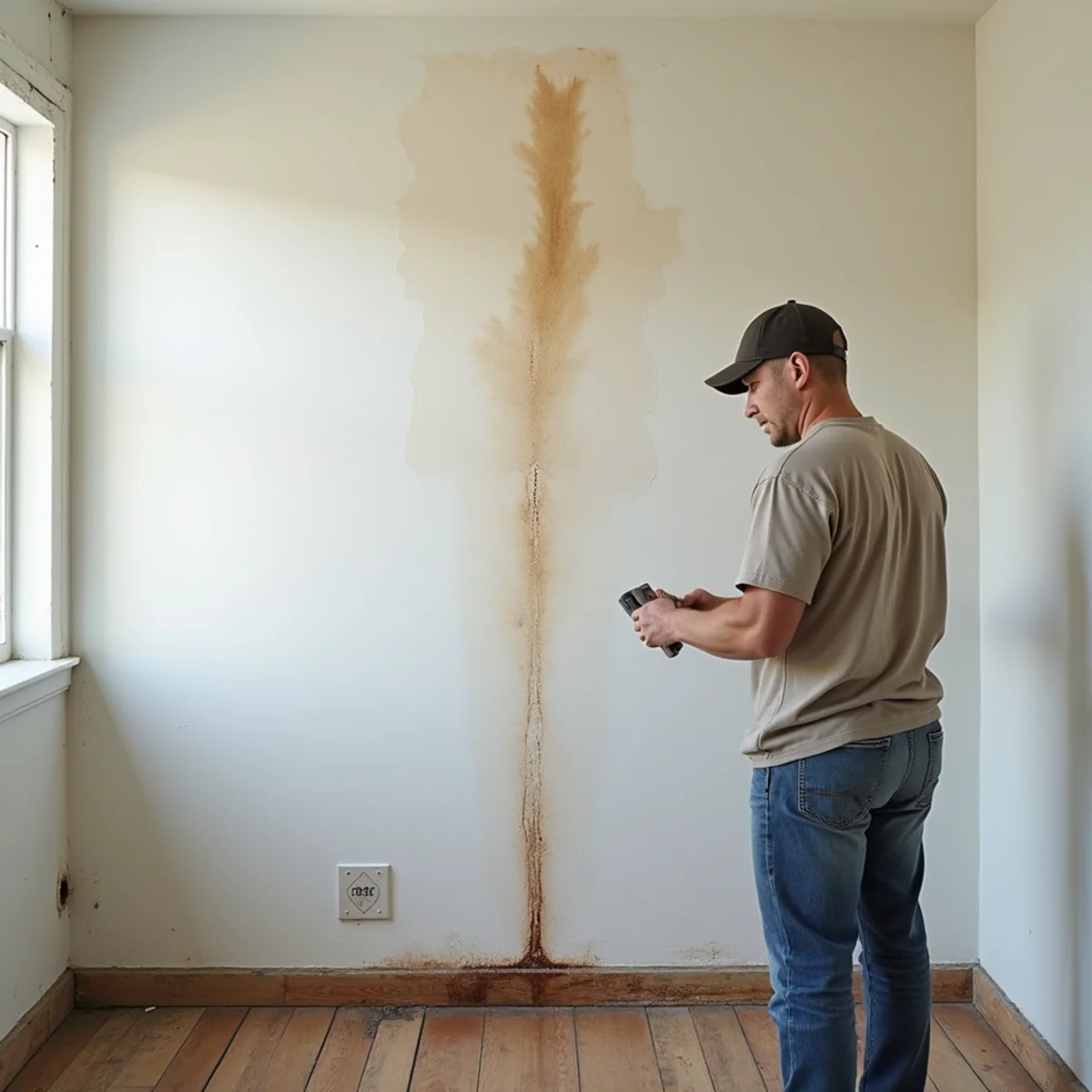
10 Warning Signs of a Hidden Water Leak in Your Home
Most water damage starts small and silent. Catch these ten warning signs early and you can stop a leak before it becomes a rebuild.
Read articleWater Heater Leak across Daly City & the Peninsula
We provide water heater leak throughout Daly City’s neighborhoods and the surrounding Peninsula — from the fog-belt hills to the coast to the bay. Not sure if we reach you? Call (201) 277-9344 and ask.
Water Heater Leak questions, answered
Shut off the cold-water supply valve on top of the tank to stop the flow, then turn off the gas valve or the breaker so the unit is not heating an empty tank. Keep out of the water if it is anywhere near outlets or the panel, and clear a path from the pooling water toward a drain if there is one. Then call us to extract the water and dry the slab, walls, and anything the water reached.
Absolutely. Garage water wicks up into drywall and bottom plates, soaks stored belongings, and on a slab it travels under the threshold into the house before you notice. Left to dry on its own in the fog belt's damp air, that moisture invites mold within a day or two. Drying it quickly protects the structure, your belongings, and any adjoining rooms, and stops the loss from growing past the garage.
We focus on the water damage cleanup, drying, and restoration, and we coordinate with a licensed plumber on the new tank so the replacement and the rebuild line up without lost days in between. We dry and prepare the space, the plumber sets the new heater, and we handle the drywall and finish repair, so you are not managing separate trades yourself.
Sudden, accidental tank failures are frequently covered under a standard homeowners policy, though gradual seepage or a unit that leaked for a long time can be treated differently, and it always depends on your specific policy. We do not guess at your coverage, but we document the failure, the category of water, and the full scope to standard, then bill your carrier directly to make the claim as smooth as possible.
Once the water is extracted, drying the slab, walls, and any soaked materials usually runs three to five days with our air movers and dehumidifiers, though a leak that sat and spread can take longer. Daly City's damp, fog-belt air slows natural drying, so we rely on commercial equipment and daily moisture checks rather than open windows. We pull the gear only when readings confirm the area is dry.
Look for rust or moisture around the base of the tank, listen for popping or rumbling that signals sediment buildup, and remember that most tanks start failing somewhere past the ten-year mark. A drip pan with a drain line and a simple water alarm give you early warning, which matters most for the garage-installed heaters common in Daly City homes. If yours is aging, replacing it on your schedule beats cleaning up after it lets go.
24/7 Emergency Response
Need water heater leak in Daly City? Call now.
Call now for a free inspection. A real person answers day or night and dispatches a crew right away.