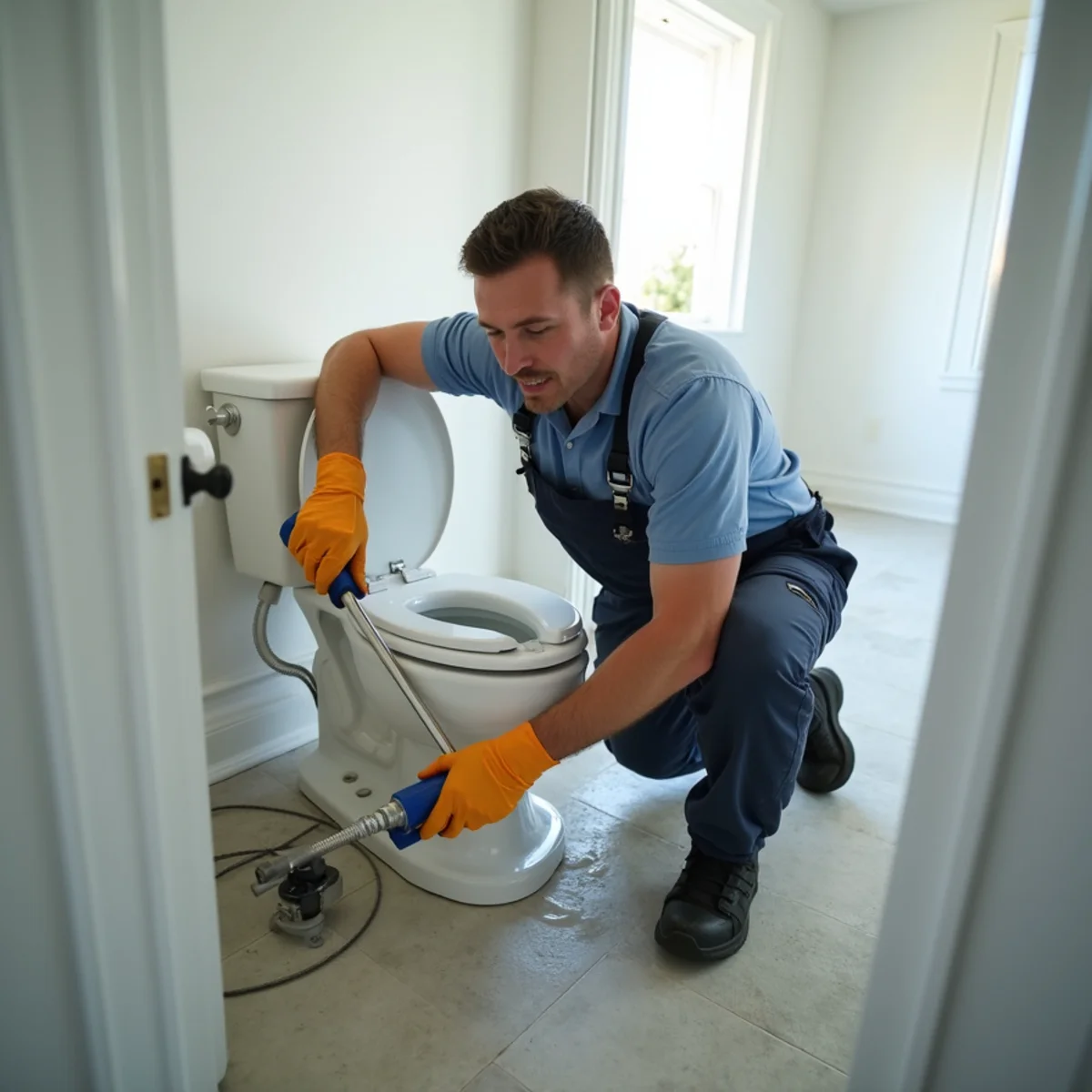
Toilet Overflow & Sewage Backup Cleanup in Daly City, CA
Answered live 24/7 Free inspection Direct insurance billing
Get a Free Estimate
Use the form or call our 24-hour hotline at (201) 277-9344.
- 24/7 Emergency Service
- Free On-Site Inspection
- Direct Insurance Billing
- Local Daly City Crews
Trusted Toilet Overflow & Sewage Backup Cleanup in Daly City
Water Damage Daly City responds to toilet overflows and sewage backups 24/7, because this is one emergency that goes from minor to serious in the time it takes to find the shutoff. The bowl fills, the water crests the rim, and it sheets across the bathroom floor toward the hallway and the vanity. The panic is real, and so is the health concern, because not all toilet water is the same. A clean-water overflow from the supply side is one thing. A backup that pushes wastewater up through the bowl is another entirely.
That distinction drives everything we do. Water that has contacted human waste is Category 3 under IICRC S500, what the industry calls black water, and it can carry bacteria, viruses, and other pathogens. It doesn't belong being mopped up with a bath towel and forgotten. It soaks into unsealed grout lines, wicks under the vanity kick, seeps beneath vinyl and the subfloor, and climbs the bottom edge of the drywall by capillary action. If it isn't removed and disinfected correctly, it leaves a contaminated, odor-prone mess behind the surfaces you can see. In older Daly City homes still running on 60- and 70-year-old cast-iron drain lines, main-line backups are more common than people expect, and they rarely happen just once.
We respond to toilet overflows and sewage backups across Daly City around the clock. We assess the water category first, remove it safely with dedicated equipment, disinfect to S500 protocol, and dry the structure so nothing lingers behind the tile. If you're standing in it right now, call (201) 277-9344 and we'll walk you through staying safe until we arrive.
What’s included
- Assess the water category so contaminated water is handled with proper PPE and Category 3 protocol from the first minute
- Contain the affected area and set a HEPA air scrubber to keep contaminants from tracking into clean rooms
- Extract the standing water with equipment dedicated to contaminated losses, never shared clean-water gear
- Remove and bag unsalvageable porous materials such as soaked flooring, padding, and the wicked base of the drywall
- Apply EPA-registered antimicrobial disinfectant to every affected surface the water touched
- Dry the subfloor, wall cavities, and framing to a verified moisture standard
- Deodorize at the source so no sewage smell is left behind in the bathroom or the wall
When to call for toilet overflow
Catching these early keeps a small problem from becoming a major one.
Water that rose from the bowl, not the tank
If the overflow came up through the toilet during a flush or on its own, treat it as contaminated. That water likely carries waste and needs professional removal and disinfection, not a household cleanup with a mop and bucket.
Overflow that reached the hallway or an adjoining room
Once water crosses the threshold onto carpet, into a hallway, or under a doorway, it has spread contamination and soaked into materials that hold it. The affected footprint is almost always larger than the wet floor you can see, especially where it runs under baseboards.
A recurring or slow backup
If more than one fixture gurgles or backs up when you flush, the problem is likely in the main drain line, not the toilet. In Daly City's older homes, corroded cast-iron mains and tree-root intrusion at the joints are frequent culprits, and those backups tend to repeat until the line is cleared.
A lingering sewage odor after cleanup
If you cleaned the surface but still catch the smell, contamination has soaked into grout, subfloor, or the base of the wall where a rag can't reach. That odor is a reliable sign the source material is still there and needs proper removal or remediation.
Staining or peeling at the base of the vanity or baseboards
A dark line, bubbling paint, or swelling along the bottom of the vanity and the baseboards means water wicked up into those materials and likely into the wall cavity behind them. Surface drying leaves the moisture and contamination trapped where you can't see it.
What to do before our crew arrives
Safe, simple steps that limit the damage while help is on the way.
- 1
Lift the tank lid and push the flapper down to stop the flow, then close the shutoff valve behind the toilet by turning it clockwise.
- 2
Stop flushing every toilet in the house and avoid showers, sinks, and the washer until you know whether the main drain is blocked.
- 3
Keep children and pets out of the bathroom and the hallway, and close the bathroom door.
- 4
Wear rubber gloves and boots if you must step in the water, and wash hands thoroughly afterward.
- 5
Set wet towels and bath mats aside in a plastic bag instead of putting them in the washer with other laundry.
- 6
If water is dripping through a ceiling below, switch off any light fixture in that ceiling at the breaker.
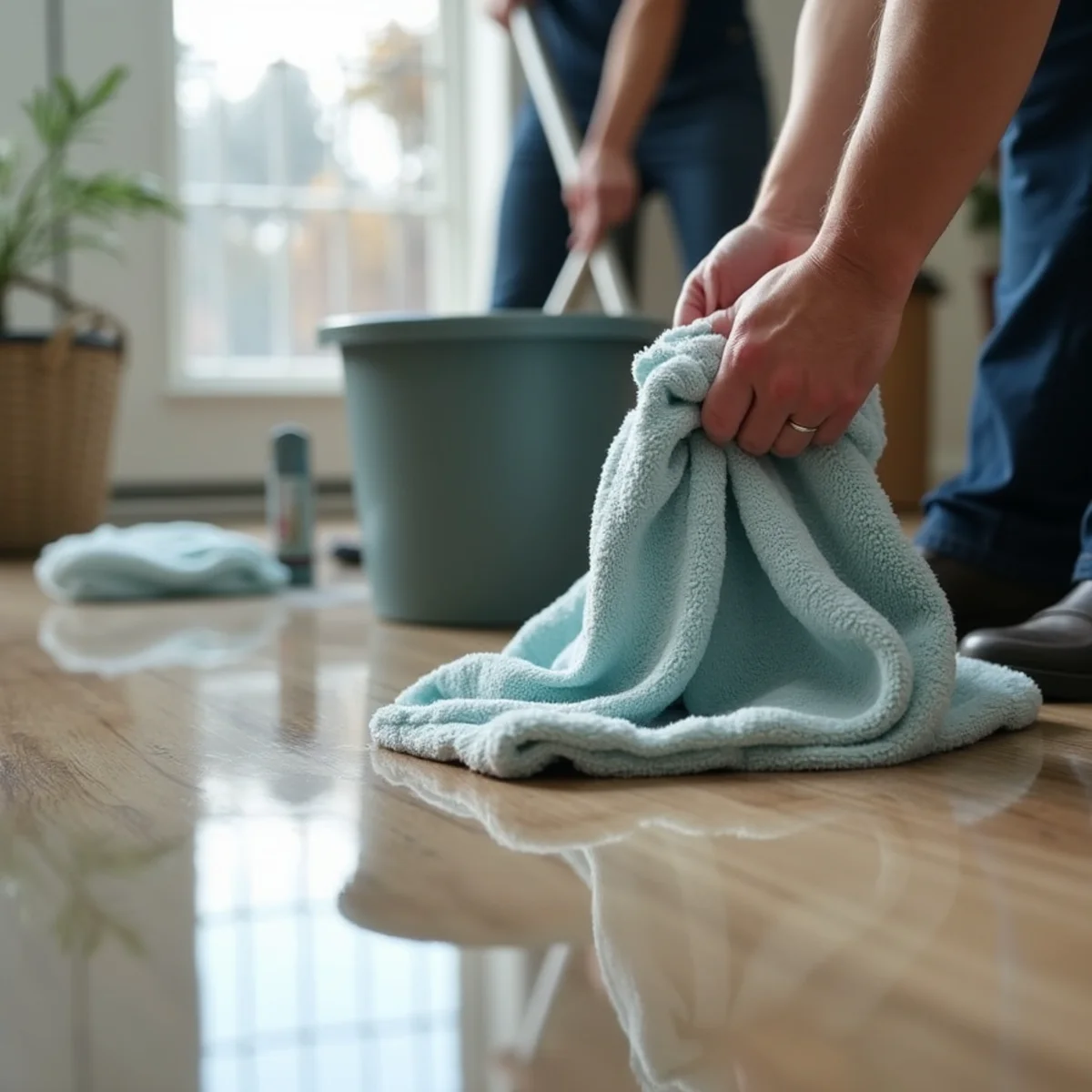
How we handle toilet overflow
- 1
Categorize and contain
We determine whether you're dealing with clean, gray, or black water and set up containment right away, sealing the doorway and running a HEPA air scrubber so contaminants don't spread to unaffected rooms while we work.
- 2
Safe extraction
Wearing appropriate PPE, we extract the standing water using tools reserved strictly for contaminated jobs, keeping the work zone controlled and negative to the rest of the home so nothing migrates during removal.
- 3
Remove unsalvageable materials
Porous materials that absorbed Category 3 water, including affected flooring, carpet padding, and the wicked lower few inches of drywall, are cut out and bagged for disposal. Under S500 these can't be reliably disinfected, so drying them in place is not a safe option.
- 4
Disinfect the structure
We apply EPA-registered antimicrobials to the subfloor, framing, and every hard surface the water touched, following S500 protocol for Category 3 losses so the space is returned to a biologically sound condition, not just a dry one.
- 5
Dry and verify
Air movers and LGR dehumidifiers bring the structure back to a normal moisture content, and we confirm with meter readings against an unaffected reference before rebuilding anything. Sealing up a cavity that still reads wet only traps the problem.
- 6
Deodorize and restore
We neutralize odor at its source rather than masking it with fragrance, then repair the flooring and drywall so your bathroom is clean, dry, and safe to use again. You receive the documentation of the category, the removals, and the drying for your carrier.
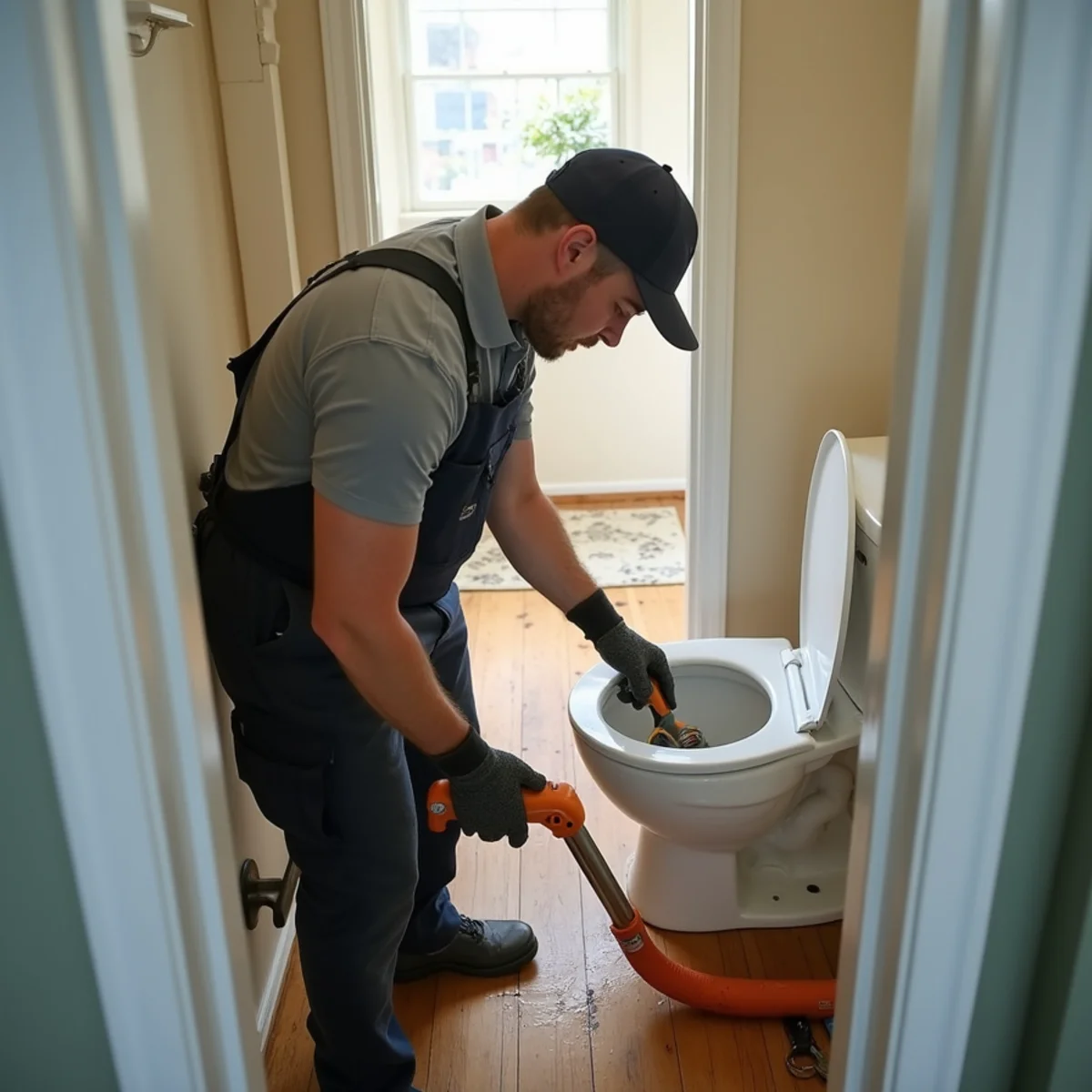
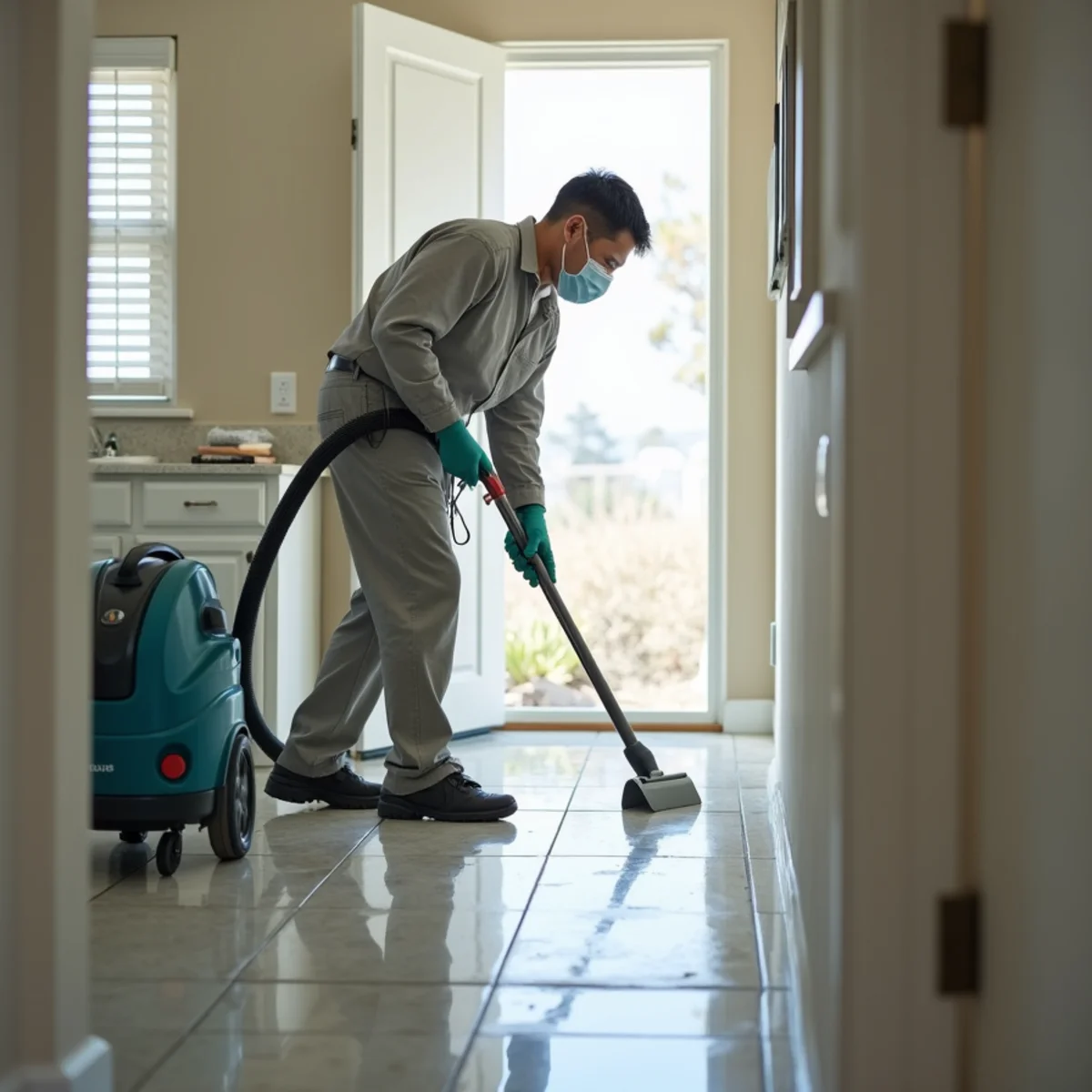
How long toilet overflow takes
A clean-water overflow caught quickly, with the water on tile only, is often extracted, cleaned, and set up for drying in one visit, and drying finishes within a few days. A backup involving waste takes longer because porous materials it touched, such as baseboards, the lower drywall, and sometimes flooring or underlayment, must be removed and the area disinfected before drying starts. Overflows that seeped around the toilet flange into a subfloor or the ceiling below add more time. If the cause is a blocked main line, drain clearing has to happen before the bathroom can be used again. Our sanitization and disinfection page explains that step.
How to keep it from happening again
- Throw away wipes, even ones labeled flushable, along with paper towels and hygiene products, since they snag in older drain lines.
- Turn the toilet shutoff valve closed and open once a year so it still works when you need it, and replace it if it leaks or will not turn.
- Replace a sticking flapper or a fill valve that runs on, which can let a clogged toilet keep filling.
- In older homes with mature trees, have the sewer lateral camera-inspected and cleared before repeated backups start.
- Keep a flange plunger in each bathroom and show kids how to stop a flush by closing the valve.
What goes into your estimate
Every water loss is different, so we never quote blind. After a free inspection we give you a clear, itemized estimate. These are the factors that move the price:
- The category of water, since a contaminated backup requires more PPE, disposal, and disinfection than a clean supply-side overflow
- How far the water spread beyond the bathroom into hallways, closets, or adjacent rooms
- The amount of porous material that must be removed and replaced rather than dried
- Whether the backup originated in the main line and needs coordinated drain clearing
- The extent of antimicrobial disinfection and source deodorization required
- Drying time for the subfloor and wall cavities in an enclosed bathroom
- Reconstruction scope, such as flooring, baseboard, vanity, and drywall replacement
- Access and layout, since a small tiled bathroom with fixtures to work around slows both removal and drying
Why Daly City trusts us for this
We treat contaminated water as contaminated
A sewage backup isn't a mopping job. We follow S500 Category 3 protocol with proper PPE, dedicated equipment, containment, and full disinfection, so your family isn't left with a hidden biological hazard under the tile.
24/7 live dispatch
Toilet overflows don't wait for business hours. A real person answers when you call, walks you through shutting the supply and staying out of the water, and we dispatch a local crew right away anywhere in Daly City.
We understand old Daly City plumbing
Many homes here still run on decades-old cast-iron drain lines prone to corrosion, scale, and root intrusion at the joints. We know these backup patterns and dry and disinfect with that aging housing stock in mind, and we flag when the main line is the real culprit.
Documented for your claim
We photograph and log the category, the removals, and the moisture readings to insurer standards and bill your carrier directly. That matters because sudden sewage backups often hinge on specific coverage terms, and clean documentation protects your claim.
Related Services
Helpful Reading
Sewage Backup in Your Home: Safety Steps You Must Take Immediately
Sewage water carries bacteria and viruses. Before you touch anything, read these safety steps.
Read article
Water Damage Categories and Classes Explained: Clean, Gray, and Black Water, Class 1 to 4
Two labels on your estimate, category and class, quietly decide what gets dried, what gets torn out, and what your adjuster expects to see. Here's what they mean in plain terms.
Read article
What to Do in the First 24 Hours After Water Damage in Your Daly City Home
The first day decides how much you lose. Here’s exactly what to do — and what to avoid — in the first 24 hours after water damage in Daly City.
Read articleToilet Overflow across Daly City & the Peninsula
We provide toilet overflow throughout Daly City’s neighborhoods and the surrounding Peninsula — from the fog-belt hills to the coast to the bay. Not sure if we reach you? Call (201) 277-9344 and ask.
Toilet Overflow questions, answered
Not always. If clean supply water overflowed before anything was flushed, it may start as Category 1. But any overflow that involves waste, or clean water that sat long enough to degrade and absorb contaminants, is treated as Category 2 or 3. We assess it on arrival based on the source and how long it has been sitting, then handle it accordingly rather than guessing.
For a small clean-water spill you catch immediately, careful cleanup can be enough. For anything involving waste, or water that reached flooring, grout, and the base of the walls, bleach wiped on the surface doesn't disinfect what soaked underneath, and it doesn't remove the porous materials that hold contamination. That situation needs professional extraction, targeted removal, and EPA-registered antimicrobial treatment.
Because the contamination soaked into porous materials, the grout, the subfloor, or the wicked base of the drywall, that surface cleaning simply can't reach. The odor is coming from the source material still sitting behind and beneath the finishes. We remove or disinfect those materials and deodorize at the source so the smell is eliminated for good, not covered up.
Sudden, accidental overflows are frequently covered, though sewage backup that originates in the main line sometimes requires a specific backup endorsement on your policy. We document everything thoroughly, from the water category to the moisture logs, and bill your carrier directly. We'll also help you understand what your coverage says so there are no surprises.
A contained clean-water overflow caught quickly might be handled and drying within a day, while a Category 3 backup that soaked flooring and drywall takes longer because contaminated materials have to be removed and the area sanitized. Drying then runs a few days with our equipment before anything is rebuilt. We give you a timeline once we see how far the water traveled.
We handle the water damage and decontamination, not the plumbing repair itself. We will help you pin down whether it was a simple clog, a failed fill valve, or a deeper drain-line issue so your plumber can address the cause. Fixing the toilet matters, because sanitizing the bathroom does no good if it overflows again next week.
24/7 Emergency Response
Need toilet overflow in Daly City? Call now.
Call now for a free inspection. A real person answers day or night and dispatches a crew right away.