Leak Detection Services in Daly City, CA
On-site in ~60 minutes Licensed & insured IICRC-certified
Get a Free Estimate
Use the form or call our 24-hour hotline at (201) 277-9344.
4.9 / 5 rating
Based on 127 reviews
- IICRC Certified
- Licensed, Bonded & Insured
- 24/7 Emergency Service
- On-Site in ~60 Min
Trusted Leak Detection Services in Daly City
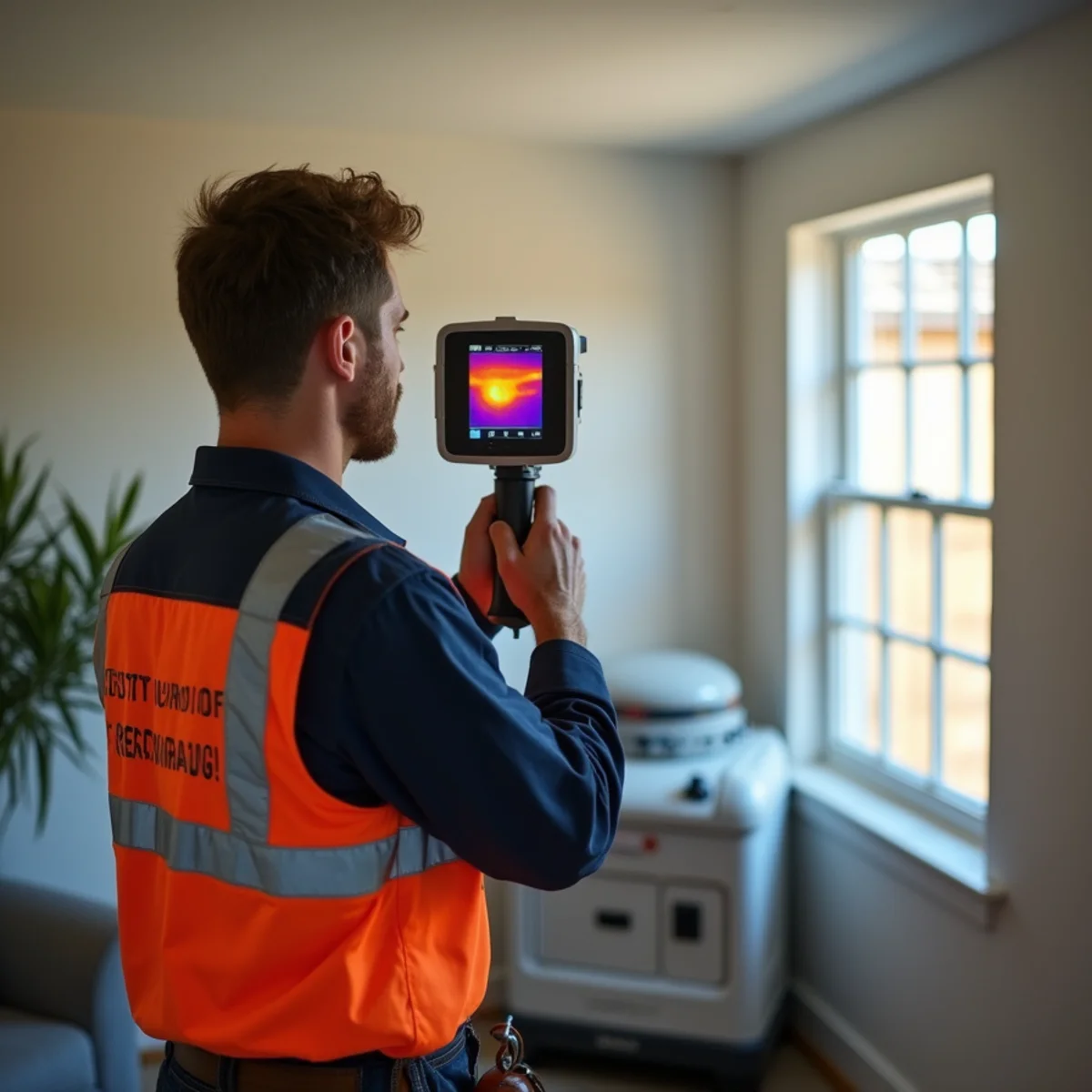
Water Damage Daly City locates hidden leaks without tearing your home apart. We answer live 24/7 and arrive on-site in about 60 minutes, reading your walls, ceilings, and slab with thermal-imaging cameras and calibrated moisture meters to find where water is escaping before a single cut is made. You get the source, not a guess.
The trouble with a hidden leak is that it rarely announces itself. You hear a faint hiss behind the drywall, watch a water bill climb for no reason, or notice a warm patch on the kitchen tile that shouldn't be warm. In Daly City's fog belt the damp never fully burns off, so a pinhole in a supply line behind a Westlake wall can rot a stud and feed mold for weeks before a stain ever reaches the paint. Many of the original Doelger "Little Boxes" still run on galvanized-steel pipe that's now six or seven decades old and corroding from the inside, and slab-on-grade foundations hide leaks under solid concrete where you'd never think to look.
Chasing that with a reciprocating saw means opening walls you never needed to touch. We do the opposite: trace the wet path back to its origin, confirm it, and show you exactly where it is so the repair is surgical. Call (201) 277-9344 for a free inspection, and we'll pinpoint the leak instead of hunting for it.
What’s included
- Non-invasive leak location using thermal-imaging cameras and pin and pinless moisture meters
- Slab-leak detection for the mid-century slab-on-grade homes common across Daly City
- Pressurized supply-line and gravity drain-line tracing behind walls, ceilings, and floors
- Full moisture mapping that outlines the entire wet area, not just the spot you can see
- Clear marking of the exact leak source before any drywall or concrete is opened
- A free, no-obligation inspection with a written, photo-documented explanation of what we found
- Live 24/7 phone and on-site arrival in about 60 minutes, same day
When to call for leak detection
Catching these early keeps a small problem from becoming a major one.
Unexplained high water bill
Your usage climbs but nothing in your routine changed, and a running toilet or dripping faucet doesn't account for it. A pressurized supply leak keeps counting on the meter around the clock, even overnight while the whole house is asleep.
Warm spots on the floor
A patch of floor that's warmer than the tile around it usually means a hot-water slab line is leaking beneath the concrete. It's one of the most reliable tells in Daly City's many slab-on-grade homes, and it often arrives alongside a spike in the gas bill.
Musty smell with no visible cause
A closet, cabinet base, or wall that smells earthy in the fog belt almost always has moisture feeding it out of sight. That odor is airborne mold activity, and it shows up well before any stain reaches a surface you can actually see.
The sound of running water
You hear water moving inside a wall or under the floor with every fixture shut off. That's pressurized water escaping a supply line, and a leak you can hear is usually one that's already been running for a while.
Bubbling paint or soft drywall
Paint that blisters, or a wall that gives slightly when you press it, means water has already saturated the gypsum from behind. By the time it reaches the painted face, the cavity and framing behind it have been wet for days or longer.
A sudden drop in water pressure
When a supply line bleeds water to a hidden leak, the pressure at your fixtures can sag. If the shower and faucets weakened together with no plumbing change, water is likely escaping the line somewhere upstream.
How we handle leak detection
- 1
Walk-through and history
We start with what you've noticed, when the bill jumped, where the house feels damp, and which fixtures act up. Your observations narrow the search area before we bring out a tool, and they often separate a supply leak from a drain issue right away.
- 2
Thermal imaging scan
A thermal-imaging camera reads surface-temperature differences across walls, ceilings, and floors. Cool evaporative patches from clean-water leaks and warm streaks from hot-water lines both show up as clear signatures, telling us where to concentrate before we open anything.
- 3
Moisture meter confirmation
Thermal imaging shows where to look; moisture meters tell us how wet it actually is. We take non-penetrating readings across the surface and penetrating pin readings into the material, then compare them against a dry reference area to map how far the water has traveled inside the assembly.
- 4
Source isolation
We work back along the wet path to the true origin, whether it's a corroded galvanized fitting, a copper pinhole, a slab line, a drain, or a failing fixture supply. We confirm the source with our own eyes rather than assuming the nearest fixture is to blame.
- 5
Minimal-access verification
When a small inspection opening is the only way to be certain, we cut the smallest possible port in the least visible spot, verify the leak directly, and mark it for repair. A two-inch confirmation cut beats an exploratory wall every time.
- 6
Findings and next steps
You get a plain-language report of what's leaking, how far the moisture spread, and what it will take to fix, dry, and rebuild, with photos your insurer can use. From there the decision is yours, and there's no pressure to move faster than you want.
What goes into your estimate
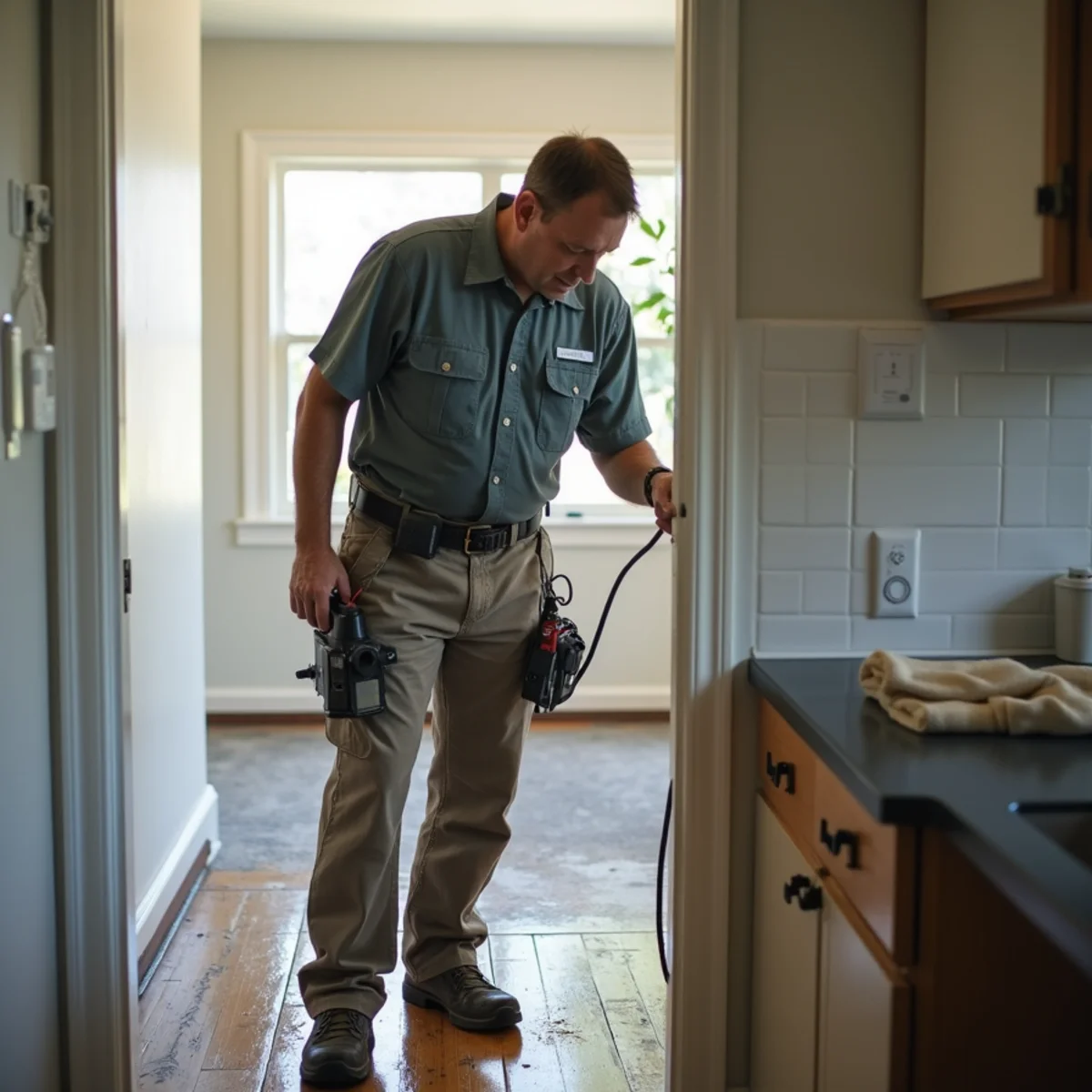
Every water loss is different, so we never quote blind. After a free inspection we give you a clear, itemized estimate. These are the factors that move the price:
- Whether the leak sits in an accessible wall or ceiling or under a concrete slab
- The square footage that has to be scanned, mapped, and confirmed
- Pressurized supply-line versus gravity drain-line leaks, which hide and behave differently
- How long the leak has run and how far moisture has wicked into framing and finishes
- Whether small inspection openings are needed to confirm the exact source
- Access conditions, such as tight crawl spaces, finished basements, or built-in cabinetry
- The category of water involved once the source is exposed, from clean to contaminated
- Whether follow-up structural drying or mold treatment is required after the source is found
Why Daly City trusts us for this
We find it before we open it
Our entire method is built on locating the leak with cameras and meters first, so we open the least possible amount of your home. No blind demolition, no cutting three holes and hoping one is right.
We know the local plumbing
We've traced failing galvanized supply pipe inside Westlake's Doelger homes and hot-water slab leaks under mid-century slabs across the city. We know which houses fail where, and that pattern recognition shortens the search.
Detection tied to restoration
Because the same crew also dries, repairs, and remediates, our detection stays honest. We're not looking for reasons to demolish; we're finding the source so the drying and rebuild come out clean and complete.
Certified and accountable
Our technicians are IICRC-certified, and the company is licensed, bonded, and insured. You leave with a documented, photographed finding, not a hunch scribbled on the back of a business card.
Related Services
Helpful Reading
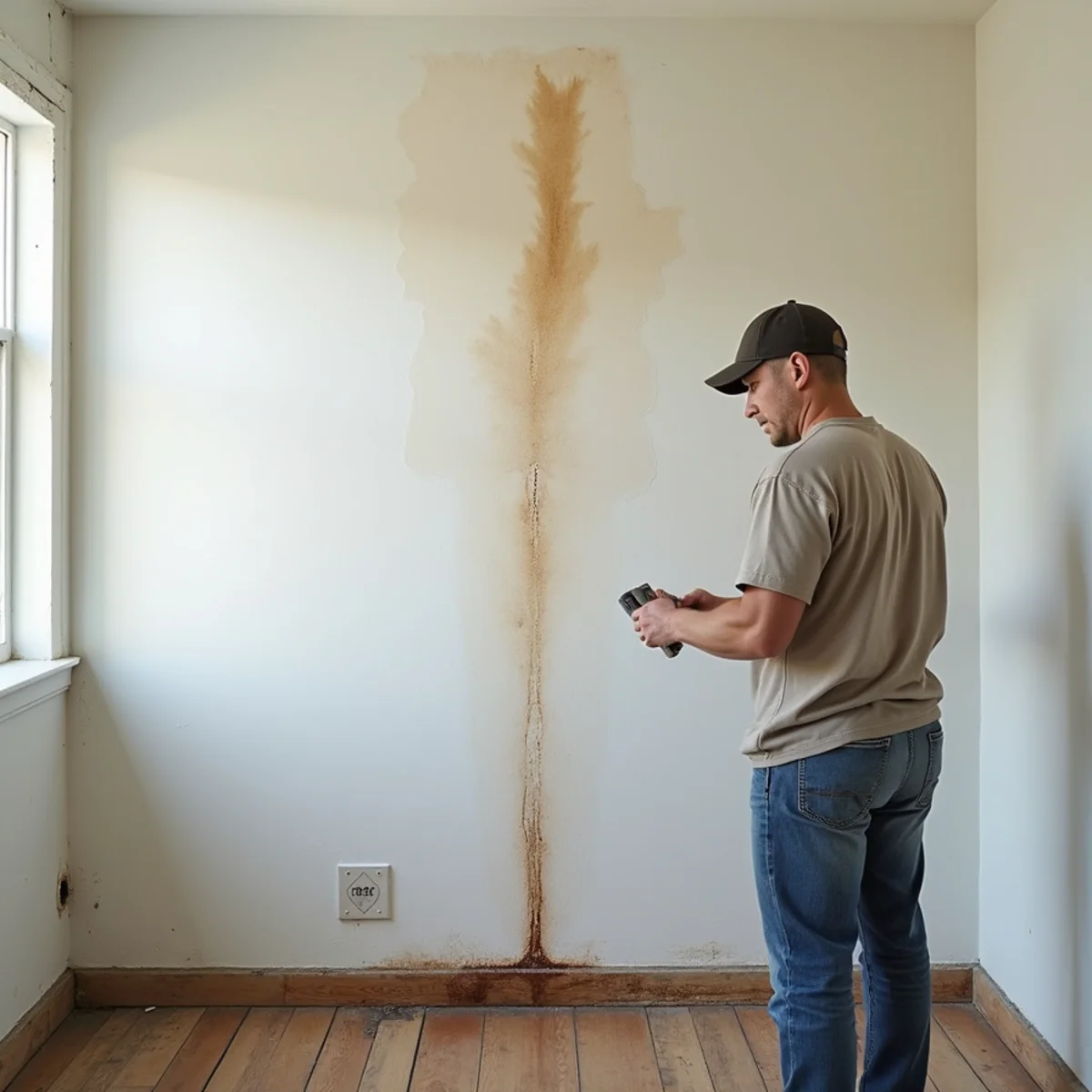
10 Warning Signs of a Hidden Water Leak in Your Home
Most water damage starts small and silent. Catch these ten warning signs early and you can stop a leak before it becomes a rebuild.
Read article
Slab Leaks in Westlake Homes: Why Mid-Century Slab Foundations Leak and What It Costs
Warm floor spots, a spiking water bill, the sound of running water — Westlake’s slab homes have a hidden leak problem.
Read articleLeak Detection across Daly City & the Peninsula
We provide leak detection throughout Daly City’s neighborhoods and the surrounding Peninsula — from the fog-belt hills to the coast to the bay. Not sure if we reach you? Call (201) 277-9344 and ask.
Leak Detection questions, answered
Usually, yes. Thermal-imaging cameras and moisture meters locate the great majority of leaks non-invasively, so we can pinpoint the source through an intact wall. If a small confirmation opening is ever needed, we make it only after the scan points us to a specific spot, and we keep it as small and hidden as possible.
Slab leaks leave signatures we can read from above the concrete: warm floor patches from a hot-water line, moisture gradients at the slab edge and along the base of walls, and a meter that keeps counting with everything shut off. We combine those readings to isolate the run before any concrete is opened, which is what keeps the eventual repair targeted.
The constant fog-belt damp means a hidden leak almost never dries on its own; it just keeps feeding mold in the dark. Layer that over the aging galvanized pipe in the older Doelger tract homes and the slab foundations that conceal leaks entirely, and small leaks here do outsized, invisible damage before you ever notice a sign.
We pinpoint the source, dry the affected structure, and handle the full water-damage restoration and any mold work to standard. For the plumbing repair itself, we coordinate the sequence so the pipe is fixed before we dry and rebuild, because closing a wall over an active leak only guarantees a repeat.
Yes. The initial inspection to assess visible and suspected water damage is free and carries no obligation. We'll tell you what we found and what we'd recommend, in writing, and whether you move forward is entirely up to you.
24/7 Emergency Response
Need leak detection in Daly City? Call now.
Call now for a free inspection. A real person answers day or night, and we’re on-site in about 60 minutes.