Most water damage starts small and silent. Catch these ten warning signs early and you can stop a leak before it becomes a rebuild.
The most reliable signs of a hidden water leak are a water bill that jumps for no reason, a meter that keeps creeping with everything shut off, a musty smell, ceiling or wall stains, a warm spot on the floor, dropping water pressure, and the faint sound of running water inside a wall. Two or three of these together mean you should act now.
The worst water damage is the kind you never see coming. A pipe inside a wall or under a slab can leak for weeks or months, quietly rotting framing and feeding mold long before a drop ever shows on a ceiling. By the time the stain appears, the real damage is already done behind the surface. The good news is that hidden leaks almost always leave clues — you just have to know what you're looking at. Here are ten warning signs every homeowner should recognize, and what to do the moment you spot one. Catch a leak at sign number one, and you may save yourself a full water damage repair down the line.
1. Your Water Bill Jumps for No Reason
A sudden, unexplained rise in your water bill is one of the most reliable signs of a hidden leak, because the water you're paying for is going somewhere you can't see. If your habits haven't changed but the bill climbed, compare a few months side by side and look at the daily average — a steady creep upward, or a jump that holds, is a red flag. A running toilet flapper or an outdoor line can mimic it, so rule those out, but an unexplained increase paired with any other sign here deserves a real look.
2. The Meter Test Fails
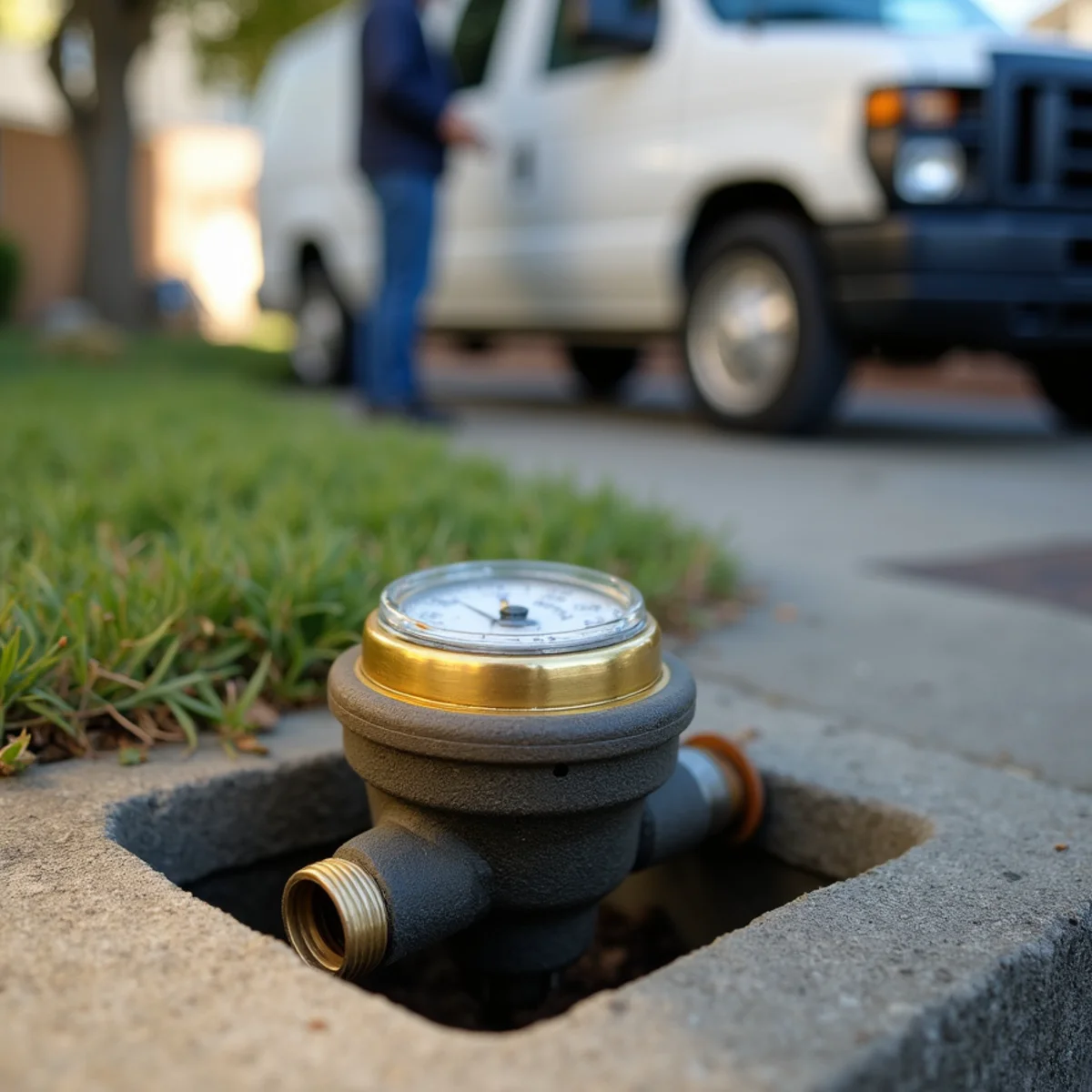
Here's a simple check anyone can do. Turn off every water fixture and appliance in the house, then find your water meter and note the reading, or watch the small low-flow leak indicator many meters have. Wait an hour without using any water and look again. If the number moved or the indicator spun, water is flowing somewhere inside your plumbing — a leak, by definition. To narrow it down, shut off the valve where the main line enters the house and repeat: if the meter stops, the leak is inside; if it keeps moving, it's on the supply line between the meter and the house.
3. A Musty, Earthy Smell
Persistent mustiness, especially in a closet, garage, cabinet under a sink, or one corner of a room, means moisture is feeding mold or mildew nearby — that earthy smell is literally the microbial byproduct of active growth. In Daly City's fog-belt climate this is easy to write off as normal marine-layer damp, but there's a difference: general damp airs out, while a localized musty odor that lingers in one spot and won't clear usually has a hidden water source behind the wall or under the floor at that exact spot. Trust your nose to point you at the area even before anything shows.
4. Stains and Discoloration
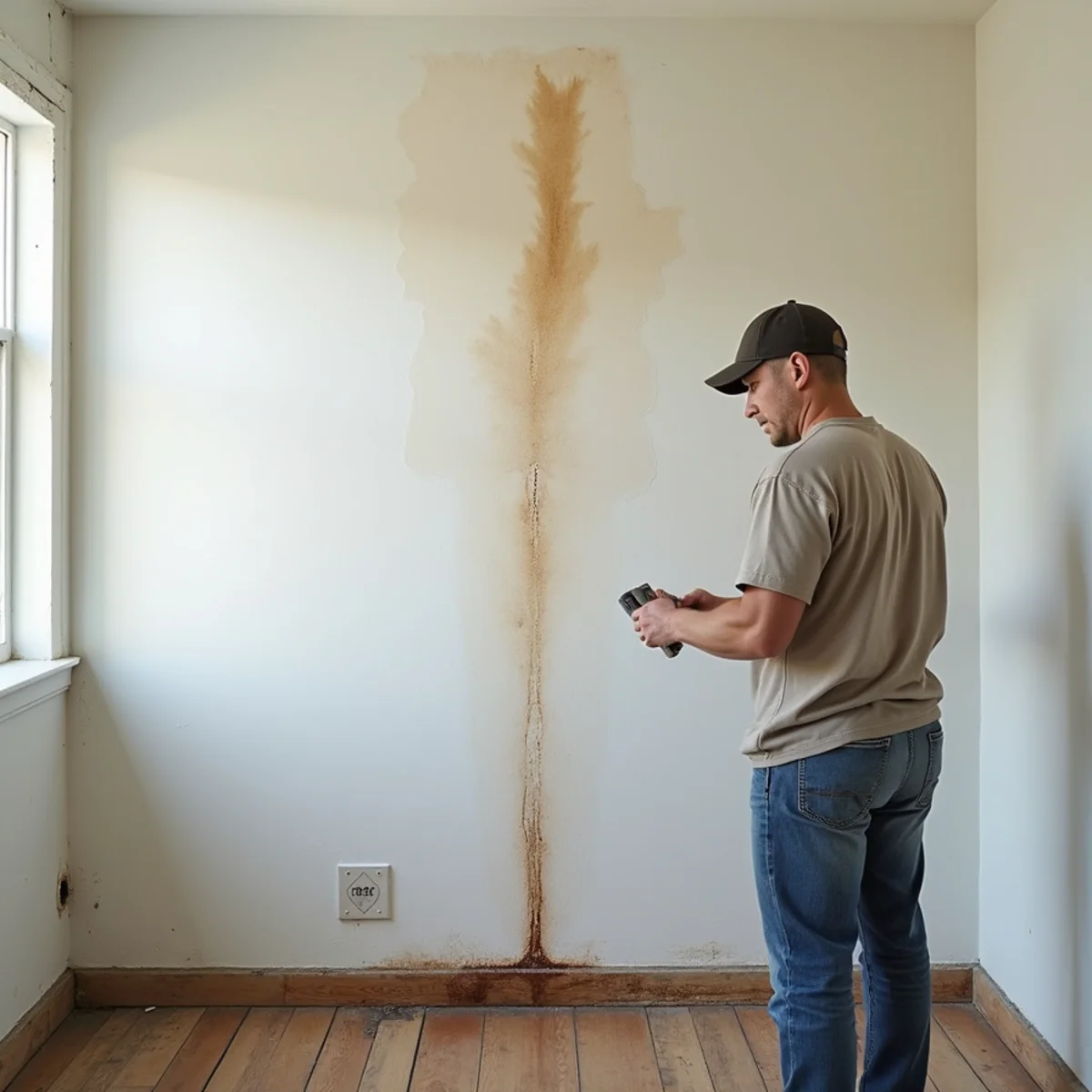
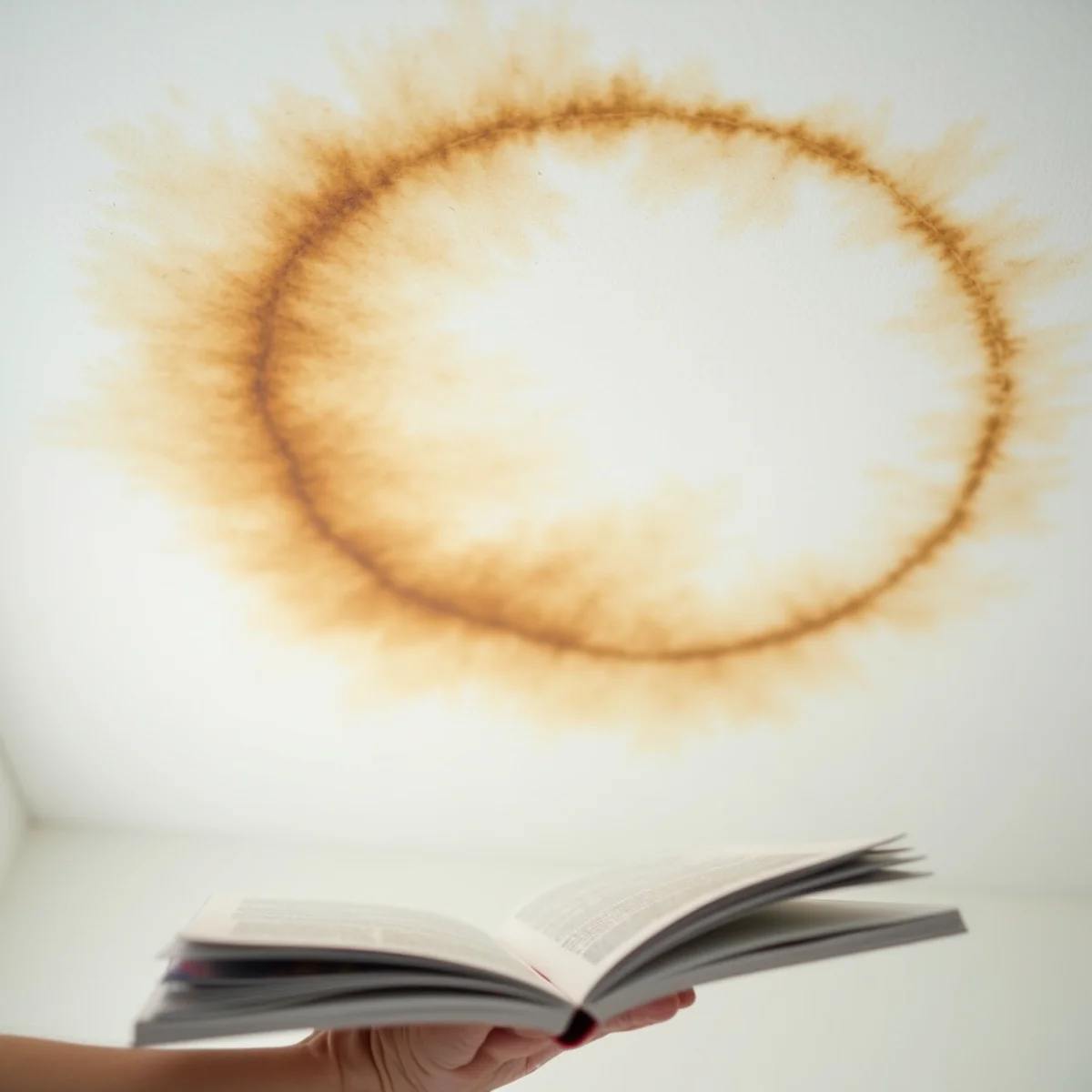
Brown or yellow rings on a ceiling, creeping shadows on a wall, bubbling paint, or peeling wallpaper all point to water moving through building materials and leaving minerals behind as it dries. The visible stain is almost always smaller than the wet area behind it, because water spreads sideways through drywall and along framing before it surfaces. A stain that grows, darkens, or comes back after you paint over it is still active — painting a water stain doesn't stop the leak, it just hides the evidence for a while.
5. A Warm Spot on the Floor
If one patch of floor is warm underfoot for no reason, you may have a hot-water slab leak beneath it, where a pressurized hot line running through the concrete is escaping and heating the slab above. This is a classic sign in Daly City's many mid-century slab-on-grade homes, where supply lines were cast into or run under the concrete. A warm floor paired with a spiking water bill, or with the sound of running water, is a slab leak until proven otherwise — and the sooner it's located, the less floor has to come up to reach it.
6. A Drop in Water Pressure
When water escapes through a leak upstream, less of it reaches your faucets, so a gradual or sudden loss of pressure — especially one that affects the whole house rather than a single fixture — can mean a compromised supply line. In the original galvanized-steel plumbing still found in Doelger-era and other 1950s Daly City homes, decades of internal corrosion narrow the pipes and open pinhole leaks, and weak pressure is often the first symptom before the first drip ever appears. Aging galvanized lines don't fail all at once; they announce themselves slowly.
7. Visible Mold or Mildew
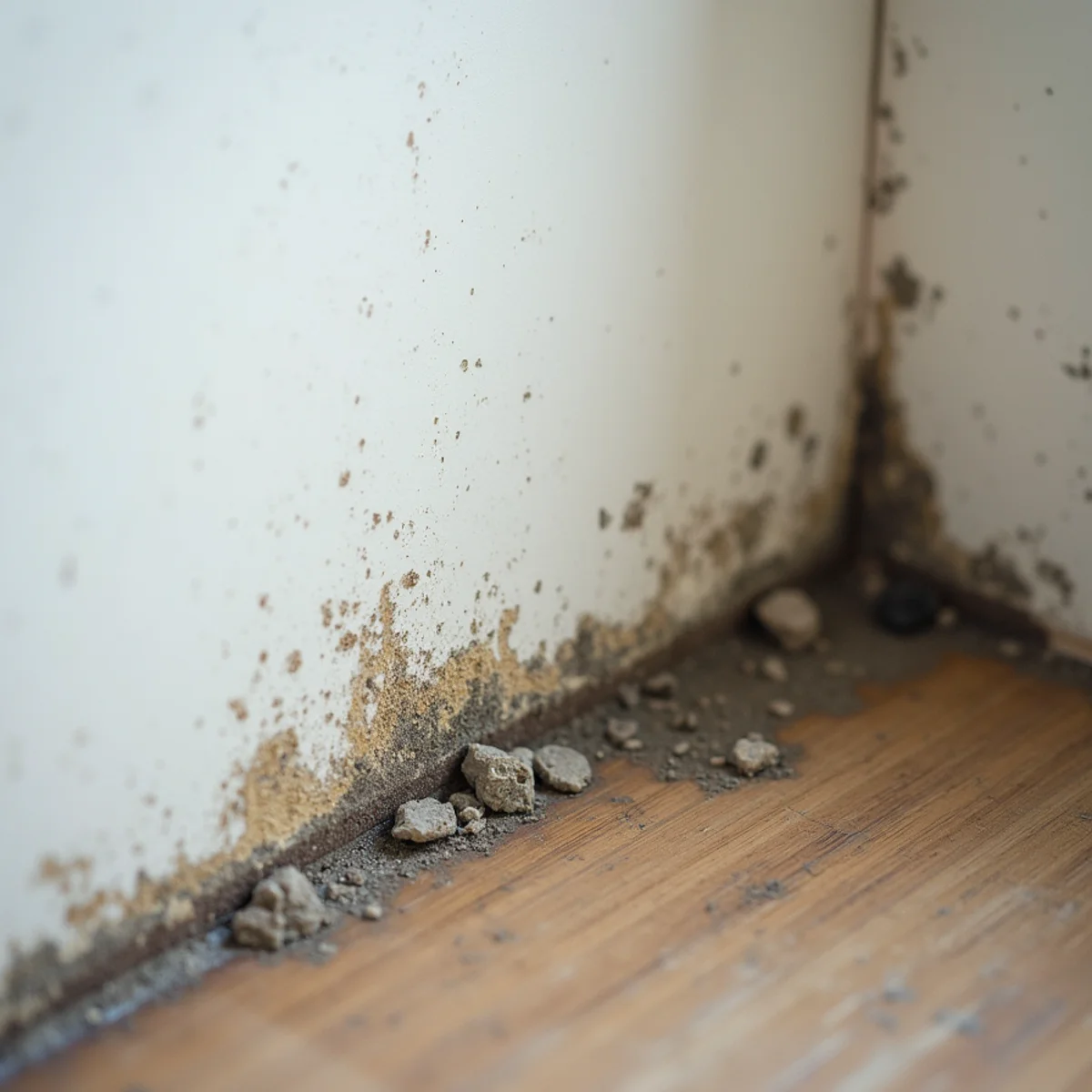
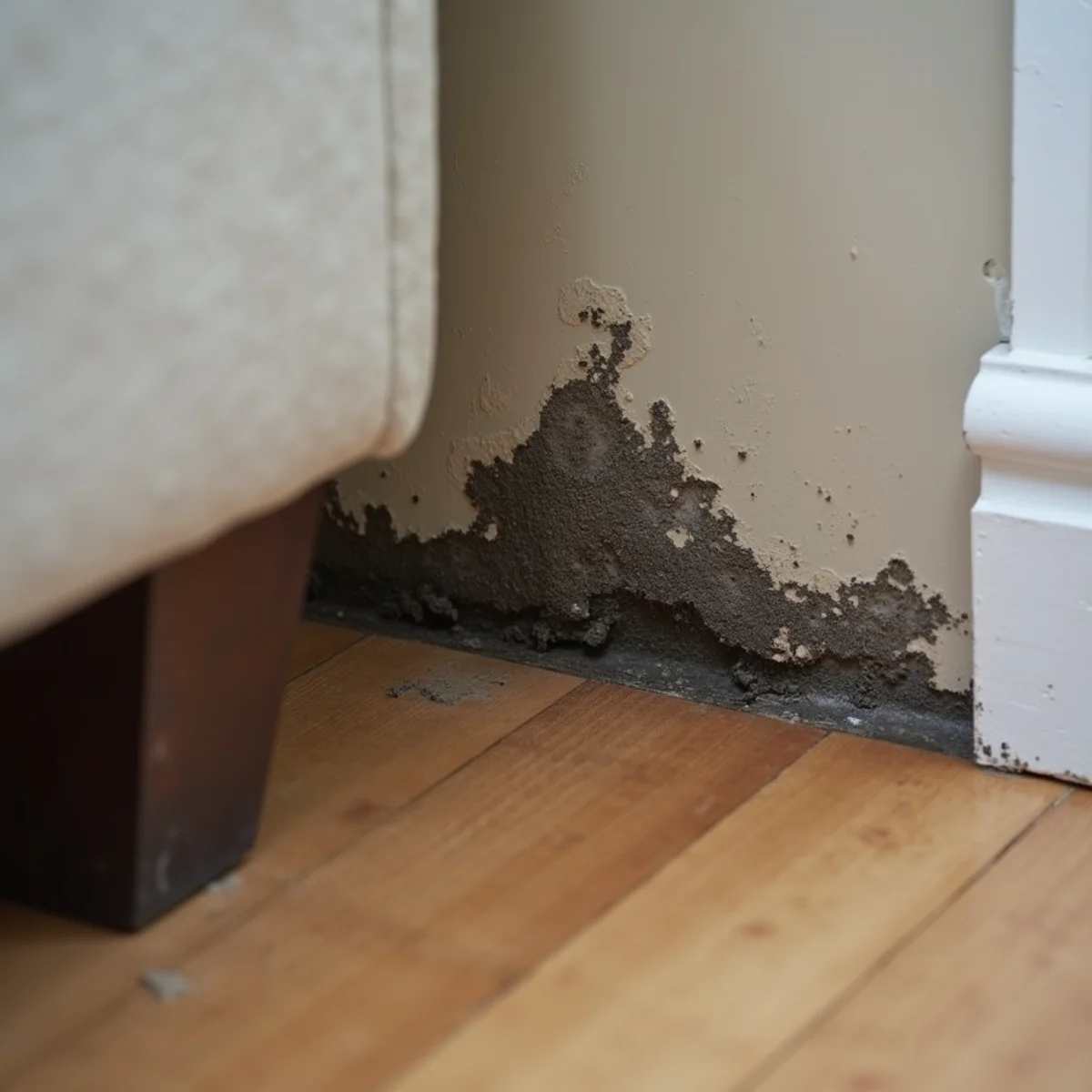
Mold growing on a wall, baseboard, or ceiling — particularly somewhere that isn't a bathroom or a known damp spot — is telling you there's a moisture source feeding it. Mold needs water, a food source like the paper facing on drywall or wood framing, and a little time, and if it keeps coming back after you clean it, you're treating the symptom while the leak feeds the cause. Mold exposure can also aggravate allergies and breathing problems for some people, which is another reason not to ignore recurring growth. Cleaning the surface without finding and fixing the water source only resets the clock.
8. The Sound of Running Water
If you hear water running, trickling, or hissing when everything is turned off, trust your ears. A faint sound inside a wall or under the floor when the house is quiet — often easiest to catch late at night — is one of the earliest and most useful leak signs, because it frequently shows up before any stain or warp does. A high-pitched hiss can indicate a pressurized supply leak, while a trickle or drip points to a slower drain or fitting leak. Either way, sound with no faucet running means water is moving where it shouldn't.
9. Cracks in the Foundation
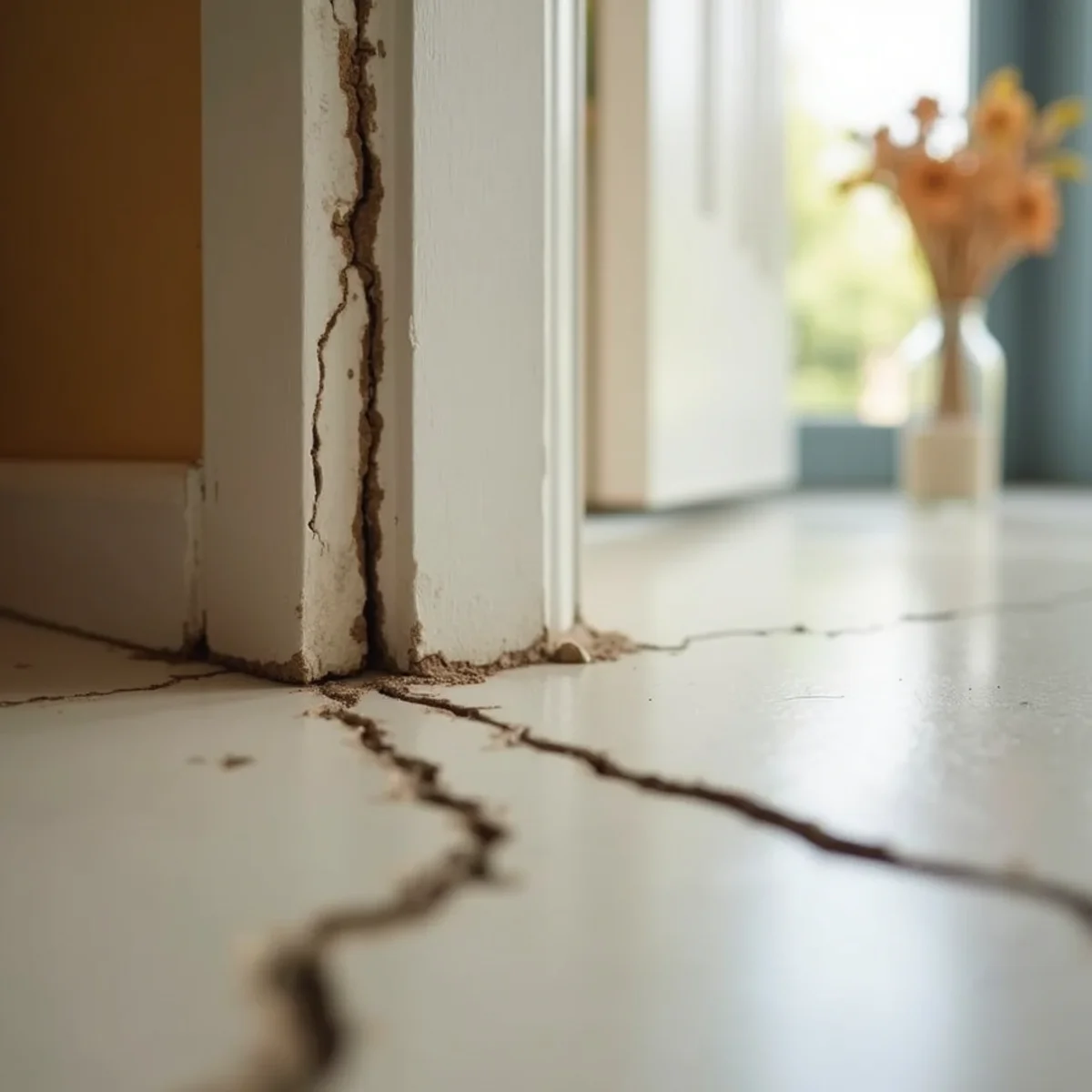
New or widening cracks in a foundation or slab can mean a long-running leak is eroding or saturating the soil underneath, undermining support, or that water is working directly on the concrete. On our hillside lots and along the fault-influenced ground near the coast — the San Andreas runs right through the Mussel Rock area — ground movement and moisture together can shear or crack the pipes cast into a slab, so a foundation change and a plumbing symptom appearing together deserve a closer look rather than a coat of crack filler.
10. Spongy, Warped, or Buckling Floors
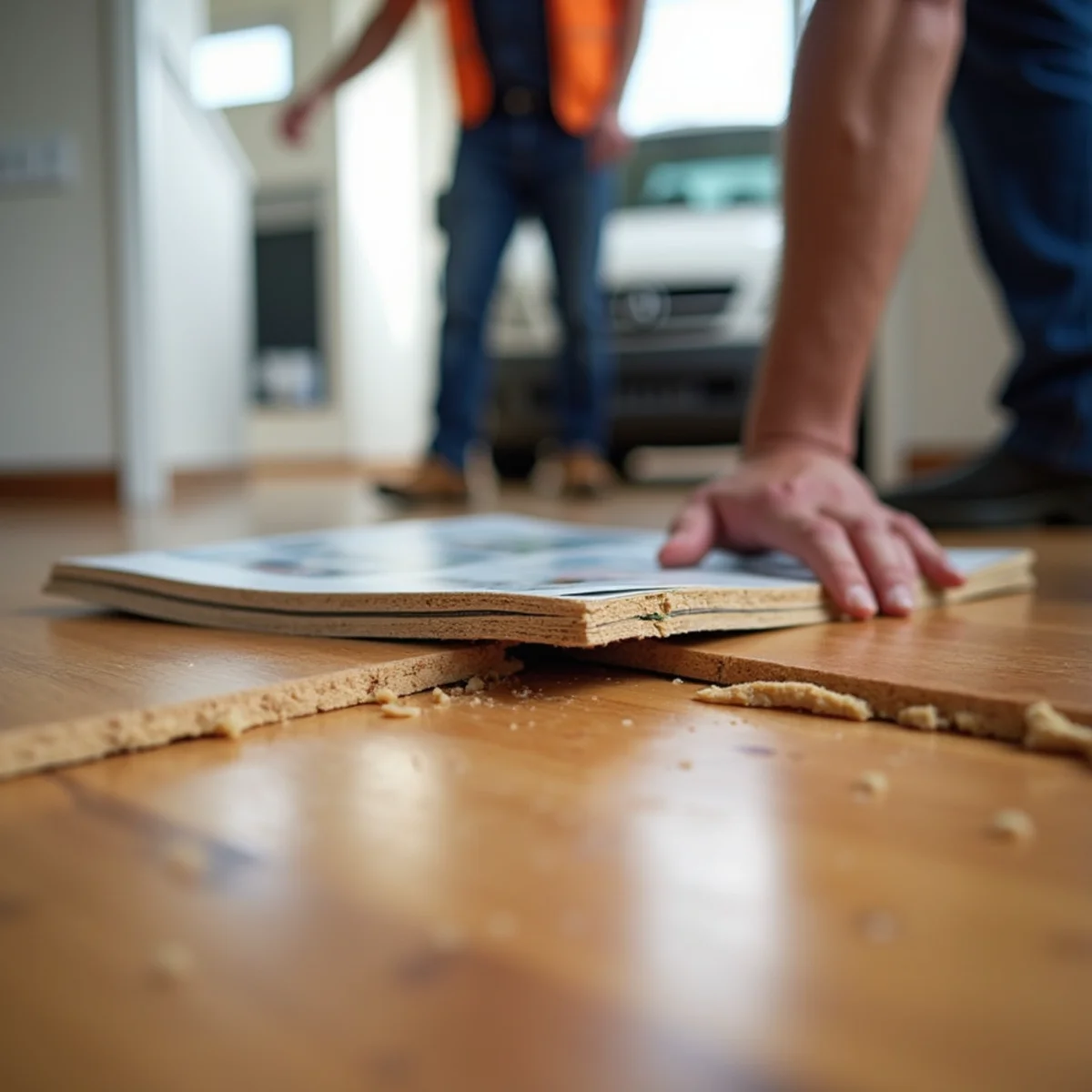
Floors that feel soft, cup, or lift are absorbing water from below or within. Laminate that swells and chips at the seams, solid hardwood that cups into ridges, engineered wood that delaminates, tile grout that cracks or tile that loosens, and vinyl that bubbles all point to moisture in the subfloor. By the time flooring visibly reacts, the leak has usually been active for a while and the subfloor beneath is holding water a meter would confirm — which is why this sign, more than most, means the damage has moved past the surface.
What to Do When You Spot the Signs
One sign might be nothing; two or three together mean you should act before it gets worse.
- Run the meter test to confirm water is actually moving with everything shut off — it turns a hunch into a fact.
- Shut off the main water supply if you suspect an active leak and can't find the source, to stop it from feeding while you sort out the next step.
- Photograph any stains, warping, or mold before anything is disturbed, with dates, in case an insurance claim follows.
- Call a professional to locate the leak with moisture meters and thermal imaging rather than opening walls at random and hoping.
- Address both the leak and the damage it caused — fixing the pipe doesn't dry the wall, and wet framing left behind will keep feeding mold.
The Slab-Leak Connection
Several of these signs — warm floors, a spiking bill, the sound of running water, damp or buckling flooring — cluster together in one specific problem: a slab leak. Because so many Daly City, Millbrae, and Hillside homes sit on slab foundations with copper or galvanized supply lines run through the concrete, we see this pattern constantly, and the salt-laden coastal air only accelerates the corrosion that starts it. If the signs point under your floor, our slab leak water damage specialists use electronic leak detection and thermal imaging to pinpoint the source, so we open only the small section of floor we have to and dry the structure without tearing up more than necessary.
Your home talks to you before it fails — a warm spot, a musty closet, a bill that doesn't add up, a hiss in the wall at night. Learn to listen, and you can catch a hidden leak while it's still a repair instead of a rebuild. If something in your house isn't adding up and you'd rather know than wonder, call Water Damage Daly City at (201) 277-9344 for a free inspection, and our water damage restoration team will find the source and stop the damage before it spreads any further.
A visual walk-through





Frequently asked questions
Turn off every faucet, appliance, and fixture that uses water — including the ice maker and any irrigation — then write down your meter reading or note the position of the small leak-indicator dial. Wait about an hour without using any water and check again. If the reading changed or the indicator moved, water is flowing through your system somewhere it shouldn't be. To tell inside from outside, shut the valve where the main enters the house and repeat: still moving means the leak is on the buried supply line. It's the quickest way to confirm a hidden leak before calling for help.
Yes, and it's one of the most common ways mold takes hold. Mold only needs moisture, a food source like the paper on drywall or wood framing, and time — it can grow inside a wall cavity or under a floor with no visible water at all, feeding on nothing more than the dampness a slow pinhole leak provides. In Daly City's fog-belt climate, where the marine layer keeps ambient humidity high and materials slow to dry, a hidden leak is one of the most frequent sources of the mold we find, and it's often discovered by smell long before anyone sees it.
It's better not to. Cutting into walls blindly usually misses the source — water travels sideways, so the wet spot you see is rarely directly over the leak — and every wrong opening is more drywall to patch. Professionals use non-invasive moisture meters and thermal-imaging cameras to map the wet area and pinpoint the source first, so any opening we make is small, targeted, and in the right place. That finds the real leak faster and saves you the repair bill for exploratory holes.
A plumber stops the water; a restoration crew dries and repairs what the water ruined. Fixing the pipe doesn't remove the moisture already soaked into your framing, insulation, and subfloor — and that trapped moisture will keep feeding mold and warping materials if it isn't actively dried out with air movers and dehumidifiers to a verified standard. Both jobs need to happen, usually plumber first to stop the source, then restoration to dry the structure and rebuild. Skipping the second half is how a fixed leak still turns into a mold problem months later.