
Storm Damage Restoration in Daly City, CA
Answered live 24/7 Free inspection Direct insurance billing
Get a Free Estimate
Use the form or call our 24-hour hotline at (201) 277-9344.
- 24/7 Emergency Service
- Free On-Site Inspection
- Direct Insurance Billing
- Local Daly City Crews
Trusted Storm Damage Restoration in Daly City
Storm damage restoration is the emergency-through-rebuild response to wind and rain intrusion — tarp the breach, extract the water, dry the structure, and rebuild the roof and interior — and our crews are on call around the clock through Daly City's storm season. When an atmospheric river parks over the Peninsula, it doesn't knock politely. Wind-driven rain finds the gap under a lifted shingle, the tired seal around a skylight, the flashing that pulled loose last winter. Water pushes in sideways, runs down inside the wall, and surfaces as a ceiling stain two rooms away. By the time you notice, the storm has already been working for hours.
Daly City and the coastside catch the worst of it. Storms roll straight off the Pacific into Pacifica, Montara, and Moss Beach with nothing to slow them down, and the same "Pineapple Express" systems can drop inches of rain on Westlake and Serramonte in a single night. Add salt-heavy air that corrodes roof fasteners and flashing, and slopes where hillside runoff arrives faster than drains can take it, and a roof that held for years can fail all at once. Every hour rain keeps entering, the damage pushes further into insulation, framing, and drywall.
We respond fast, tarp the breach to stop the water, then dry and rebuild what the storm damaged — the same crew from the emergency tarp to the final weather-tight repair. If wind or rain has gotten into your home, call (201) 277-9344 and we'll get there to stop the intrusion before it soaks the next room.
What’s included
- Emergency roof tarping and shrink-wrap to stop active leaks in the middle of the rain
- Board-up of broken windows, doors, and wind-damaged openings to secure the home
- Water extraction from flooded rooms, garages, and lower levels with pumps and truck-mounted units
- Structural drying of soaked ceilings, walls, insulation, and floors with air movers and LGR dehumidifiers
- Debris removal and safe cleanup of storm-blown branches, shingles, and material
- Moisture mapping with thermal imaging to find water that traveled far from the entry point
- Roof, ceiling, and interior reconstruction back to pre-storm condition
When to call for storm damage
Catching these early keeps a small problem from becoming a major one.
Ceiling stains after heavy rain
A brown ring or spreading damp patch on the ceiling means the roof, flashing, or a wall penetration let water in. Wind-driven rain often enters well away from where the stain appears, riding along a rafter before it drips.
Water intrusion around windows and doors
During a coastal blow, rain gets forced horizontally into failing seals and worn flashing. Damp sills, bubbling paint, and puddles at the base of a window are the tell that the envelope is leaking under pressure, not just pooling.
Flooded garage or ground floor
When storm drains back up or hillside runoff arrives faster than the ground can absorb it, water pushes under garage doors and into lower rooms. It's common on Daly City's slopes and on the flatter Bayshore lots near the Cow Palace where water has nowhere to go.
Missing shingles or visible roof damage
If you can see lifted, cracked, or missing shingles after a windstorm, assume water found its way underneath. Salt-corroded fasteners let shingles lift in the wind here more than inland. Tarp first, then inspect the interior.
What to do before our crew arrives
Safe, simple steps that limit the damage while help is on the way.
- 1
Put buckets or a plastic sheet under active drips and move furniture, rugs and electronics away from the leak.
- 2
Stay off the roof in wind and rain; a fall is a far bigger loss than a leak, and a tarp can wait for a crew with proper gear.
- 3
Keep well clear of downed power lines and report them to PG&E, or call 911 if a line is sparking or blocking the street.
- 4
Photograph exterior damage from the ground, including missing shingles, fallen limbs and broken windows.
- 5
Close interior doors to wet rooms and lay towels at the thresholds to keep water off dry flooring.
- 6
If a ceiling is bulging, keep everyone out from under it and close off the room.

How we handle storm damage
- 1
Stop the water first
The moment we arrive we tarp the roof breach or board the opening — even in driving rain — so no more water enters. Nothing else matters until the intrusion stops, because every gallon we prevent from coming in is a gallon we don't have to chase through the walls later.
- 2
Extract and remove debris
We pump and vacuum out standing water and clear storm debris — branches, shingles, blown-in material — so we can see the full scope of what's wet and what's structurally damaged underneath.
- 3
Find the hidden moisture
Wind-driven rain travels far from where it entered. We use thermal-imaging cameras and moisture meters to trace where the water actually went inside walls, above ceilings, and along top plates, so nothing damp gets sealed up and left to rot or grow mold.
- 4
Dry the structure
Air movers and LGR dehumidifiers pull moisture out of framing, insulation, and drywall, with daily meter readings logged until everything reaches a stable, dry standard that matches unaffected material — not just until it looks dry to the eye.
- 5
Repair and rebuild
We restore the roof properly, replace damaged decking and drywall, and rebuild interior finishes — turning the emergency tarp into a permanent, weather-tight repair that holds through the next atmospheric river instead of leaking again.


How long storm damage takes
The emergency part of storm work is quick: tarping, board-up and water removal usually happen on the first visit, weather permitting. Drying then takes a few days or more, longer when rain soaked attic insulation or ran down inside exterior walls. The permanent fix often waits longest. After a big storm, roofers, adjusters and suppliers are busy across the whole region at once, and roofing can't be done in steady rain, so the tarp may need to hold for a while. Jobs involving structural framing, a fallen tree, or a separate flood claim alongside a wind claim also take longer to settle and schedule.
How to keep it from happening again
- Clean gutters and downspouts each fall before the first storm, and again after windy weather drops leaves and needles.
- Have the roof, flashing, skylights and chimney checked before winter, looking for cracked sealant; if a stain appears after rain, see roof leak water damage.
- Seal stucco cracks and gaps around window and door trim, where wind-driven rain gets behind the wall.
- Trim limbs that overhang the roof, and hire a licensed tree service for anything near the power service line.
- Keep a tarp, plastic sheeting and a few sandbags on hand before the forecast turns.
What goes into your estimate
Every water loss is different, so we never quote blind. After a free inspection we give you a clear, itemized estimate. These are the factors that move the price:
- The size and location of the roof or envelope breach
- How long rain entered before the leak was stopped or tarped
- How far water traveled into insulation, ceilings, and wall cavities
- The volume of standing water and storm debris to remove
- Whether flooring, drywall, and insulation must be replaced or can be dried in place
- The scope of roof and exterior reconstruction needed for a lasting, weather-tight repair
- The category of water involved if storm drains or ground flooding backed up into the home
Why Daly City trusts us for this
Ready when the storm hits
Atmospheric rivers strike at night and on weekends, not during business hours. We answer live and roll crews during the storm, not after it clears, because a tarp installed at hour one saves rooms full of insulation and drywall that would otherwise be soaked by morning.
Coastside experience
We work the exposed coast — Pacifica, Montara, Moss Beach — where salt air and unbroken Pacific wind are brutal on roofs and flashing. We know how these homes fail, which fasteners corrode first, and how to seal them back up so they hold.
Emergency tarp to final rebuild
We don't just stop the leak and hand you off. The same team dries the structure and rebuilds the roof and interior, so you deal with one company from the crisis at 2 a.m. through the finished, refinished room.
We chase the water down
Storm leaks hide, and wind-driven rain rarely drips where it entered. Our moisture mapping finds water that traveled well past the visible stain, so the repair is complete and mold never gets the damp cavity it needs to start.
Related Services
Helpful Reading
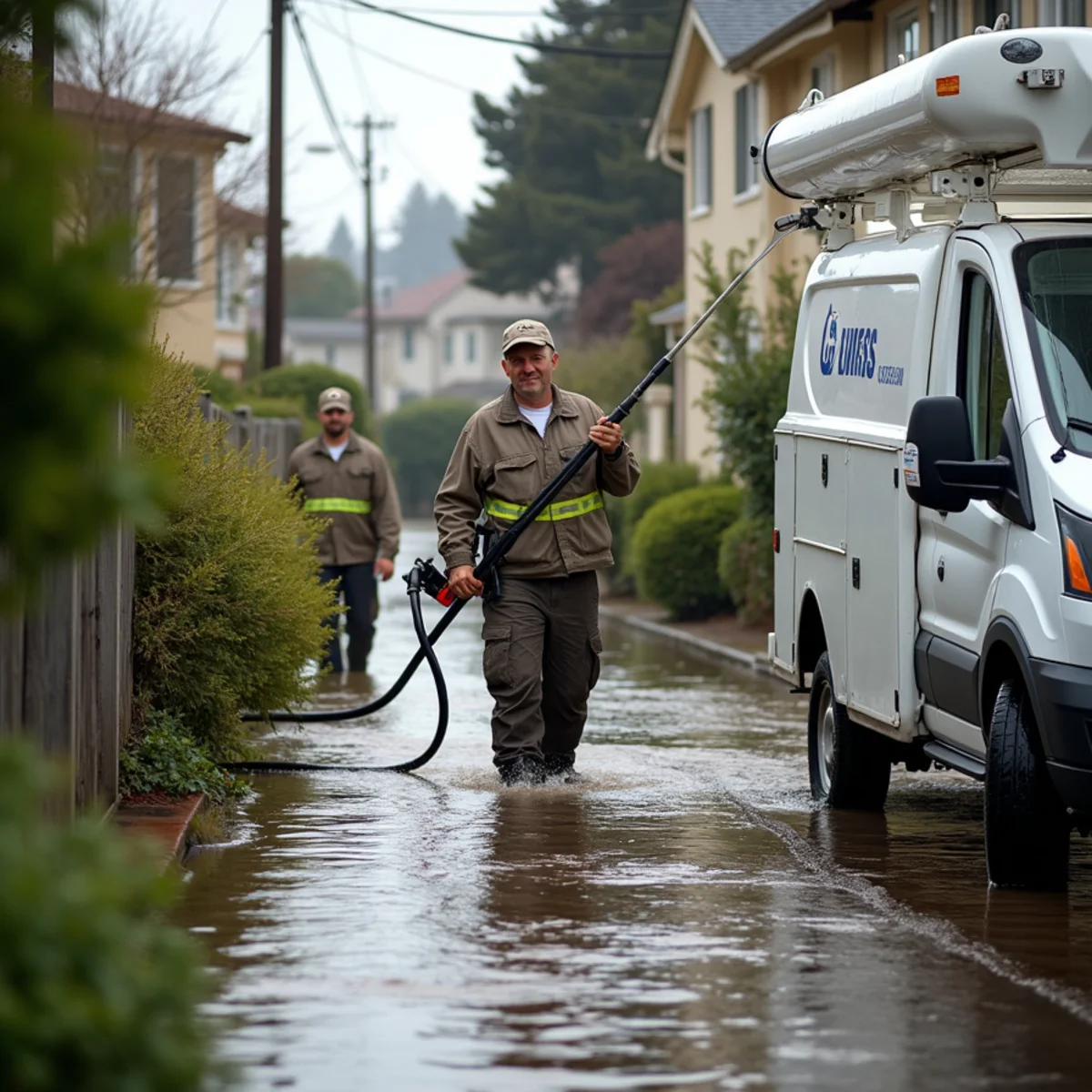
Daly City Flooding Guide: Why Streets Flood, Who Supplies Your Water, and Who to Call
Most Daly City flooding comes from storm drains that can’t keep up, not from rivers. Here’s where it happens, which utility serves you, and who to call for what.
Read article
Atmospheric Rivers on the Peninsula: Flood Preparedness for Daly City Residents
The “Pineapple Express” storms are hitting harder and wetter. Here’s how Daly City homeowners can get ahead of the next one.
Read article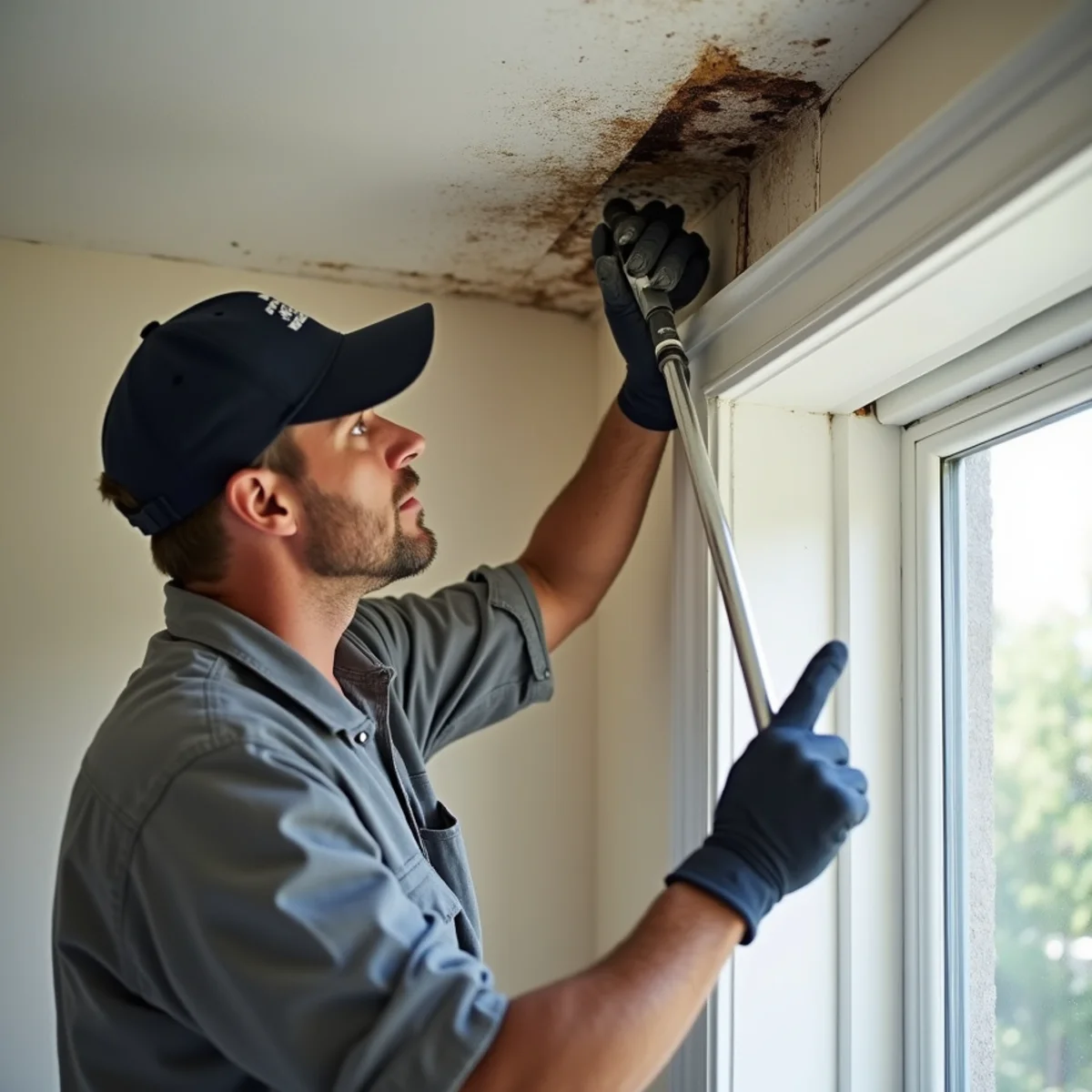
Water Stain on Your Ceiling? What Causes It, How to Tell If It’s Active, and What to Do
A ceiling stain is a message from whatever sits above it. Here is how to read it, test whether it is still wet, and decide what happens next.
Read articleStorm Damage across Daly City & the Peninsula
We provide storm damage throughout Daly City’s neighborhoods and the surrounding Peninsula — from the fog-belt hills to the coast to the bay. Not sure if we reach you? Call (201) 277-9344 and ask.
Storm Damage questions, answered
Yes. Stopping active water is the entire point of an emergency call, so we tarp roofs and board openings in the rain and wind, not after the weather passes. A tarp installed at the first sign of a leak can be the difference between a patch repair and rebuilding a whole ceiling, since the damage scales with how long the water keeps coming in. Call (201) 277-9344 the moment you see water entering.
Wind-driven rain rarely enters directly above where you see the damage. It gets forced under a shingle or through failing flashing, then runs along a rafter or the top plate of a wall until it reaches the lowest point it can escape — which might be two rooms away from the actual breach. That's why we trace the real path with thermal imaging and moisture meters rather than guessing from the stain, so we fix the leak instead of just the symptom.
Pacifica, Montara, and Moss Beach take Pacific storms with no landmass to blunt them, so they see stronger sustained wind and heavier horizontal rain than inland towns. The constant salt air also corrodes roof fasteners, nail heads, and metal flashing over time, so an envelope that shed water fine last year can give way in a single big system when a corroded fastener finally lets a shingle lift.
Sudden storm damage — a wind-torn roof, rain intrusion through a new breach, a fallen limb through the roof — is typically covered by standard homeowners policies, while rising floodwater from outside usually falls under separate flood coverage, not your standard policy. We document the cause and the damage carefully, separate wind and rain damage from any flood component, and bill your carrier directly for the covered work.
Immediately. Every hour of intrusion soaks more insulation and drywall and moves mold's clock forward, since it can start within 24 to 48 hours on wet material. Tarp it or call first, then worry about the paperwork — stopping the water is always step one, and it's the step that keeps a minor repair from becoming a full ceiling rebuild. We can tarp now and document for your claim at the same time.
24/7 Emergency Response
Need storm damage in Daly City? Call now.
Call now for a free inspection. A real person answers day or night and dispatches a crew right away.