The first day decides how much you lose. Here’s exactly what to do — and what to avoid — in the first 24 hours after water damage in Daly City.
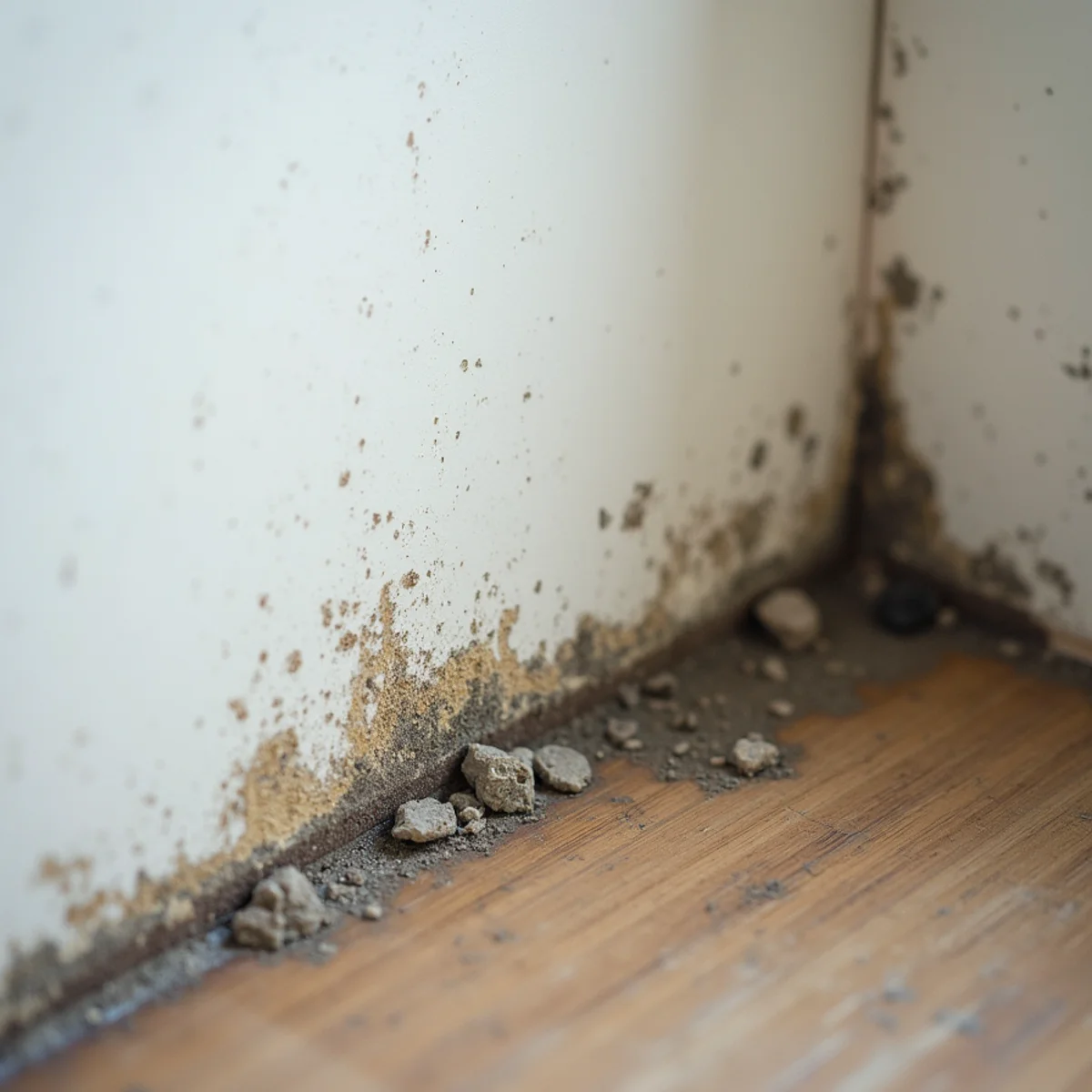
In the first 24 hours after water damage, do four things in order: stop the water at its source, cut power to any wet rooms, photograph everything for your claim, then get an IICRC-certified crew extracting and drying. Mold can start within 24 to 48 hours, so the clock — not the cleanup — is what you are racing.
The water is still spreading and your mind is racing. A supply line let go under the kitchen sink, a washing-machine hose split, or wind-driven rain pushed in around a window frame. What you do in the next few hours decides how much of your home you keep and how much you tear out. This is a calm, hour-by-hour checklist for a Daly City home — work it in order. When you are ready for a crew, our 24/7 emergency water damage team answers a live phone and is usually on-site within about an hour.
Hour 0: Stop the water at the source
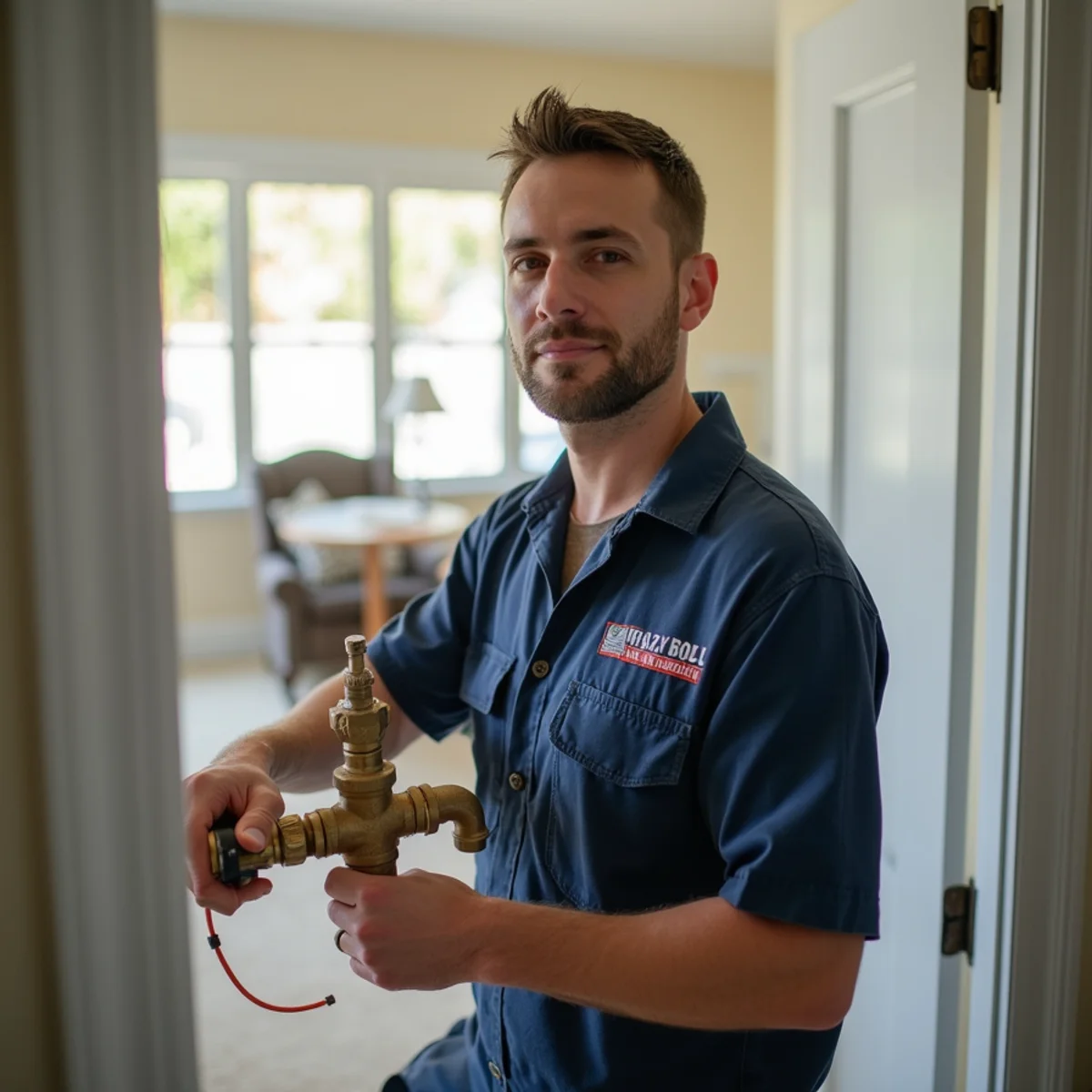
Every gallon you stop now is a gallon you do not have to extract, dry, or replace later. If the water is coming from a fixture, close its local shutoff — the small oval or football-shaped handle under a sink or behind a toilet. Turn it clockwise until it stops. If it will not budge or you cannot find one, go to the main. In many 1950s Doelger tract homes in Westlake and St. Francis Heights, the main sits near the front hose bib, inside the garage, or at the meter box by the sidewalk; you may need a meter key to reach the curb valve.
A word of caution on those older homes: the original galvanized-steel supply lines are now 60 to 70 years old and brittle with internal corrosion. Force a seized valve and the stem can snap off in your hand, turning one leak into a fountain. If a valve weeps or feels frozen, leave it and shut the house down further upstream. If the source is a roof or a window during a storm, you cannot valve it off — move straight to containment: buckets under the drip, towels at the wall base, and a tarp or plastic sheet angled to channel water toward a drain or door instead of into the ceiling cavity.
Hour 0–1: Deal with electricity and safety
Water and power do not mix. If water is near outlets, light fixtures, the panel, or an appliance, and you can reach your breaker box without standing in water, shut off power to the affected rooms. If the panel itself is wet, or you would have to wade through standing water to reach it, stop — call an electrician or the utility. Energized water is a drowning-and-shock hazard you cannot see, and no belonging is worth it.
- Do not run a household vacuum or shop vac on standing water near live circuits.
- Keep children and pets out of the affected area, especially with any drain or sewage involvement.
- Watch your footing — wet tile, hardwood, and sheet vinyl turn slick, and a soaked particleboard subfloor can flex or give way.
- If the water may be gray (appliance overflow) or black (from a toilet, drain, or outside), treat it as contaminated and avoid skin contact.
- Prop soaked doors open so they do not swell shut and trap you out of a room you still need to work.
Hour 1–3: Document everything for insurance
Before you move or throw anything away, photograph and video the damage from every angle. Capture the source, the standing water at its high-water line, wet walls and baseboards, soaked furniture, and the make, model, and serial number on the failed appliance or fixture. Shoot wide for context and close for detail. This visual record is the backbone of your claim, and it also fixes a timeline — proof the loss was sudden, not a slow leak you ignored. Save every receipt for emergency supplies: a wet/dry vac, tarps, box fans, mops. Those out-of-pocket costs are often reimbursable under your policy's mitigation coverage.
If you are unsure how coverage works in California, our plain-English guide on what homeowners insurance covers for water damage walks through sudden versus gradual losses and the endorsements most owners overlook. Document first, call your carrier second — the clearer your evidence, the smoother the claim, and the harder it is for anyone to reclassify a burst pipe as deferred maintenance.
Hour 2–6: Remove water and start airflow — if it is safe
Once power is handled and the water is confirmed clean, you can start removing it. Mop, towel, or wet-vac the standing water. Lift furniture legs onto aluminum foil or wood blocks so they stop wicking and bleeding stain into carpet. Pull up loose area rugs before the dyes migrate. Blot, do not rub, upholstery. Resist the urge to throw open every window: on a foggy Daly City afternoon the outside air is often more humid than the air inside, so a fan pushing damp marine air around the room actually slows the dry-down.
Here is the hard truth about homeowner drying — box fans and open windows move surface water, but they do nothing for the moisture already wicked into drywall, framing, insulation, and the subfloor. That water sits behind the paint and under the floor where you cannot feel it. Professional water extraction and structural drying is what changes the outcome: truck-mounted or portable extractors pull water from carpet and pad, LGR (low-grain refrigerant) dehumidifiers wring moisture out of the air so materials can release it, and penetrating and non-penetrating moisture meters plus thermal-imaging cameras find the water you cannot see.
Hour 6–24: Call a restoration pro and protect belongings
Sooner beats later, but by the end of day one you want an IICRC-certified crew on the way. A proper crew works to the S500 standard: they map moisture behind walls and under floors, establish a drying plan and target moisture content, set air movers and dehumidifiers, and stop the damage from migrating into rooms that still look fine. Drying is measured, not eyeballed — the goal is to bring wood framing back into the mid-teens for moisture content and match the readings of unaffected areas, then prove it with daily logs. In the meantime, move photos, documents, electronics, and irreplaceable items to a dry room, wipe down solid-wood furniture so finish does not blush, and keep the affected area ventilated but secured.
- Confirm the source is fully stopped or contained.
- Verify power is off to wet areas, or that the area is safe to enter.
- Finish your photo and video documentation, including model and serial numbers.
- Call your insurer to open a claim and write down the claim number.
- Call a certified restoration company to begin extraction and drying.
What not to do in the first 24 hours
Do not wait to see if it dries on its own — hidden moisture rarely does, and the mold clock is already running. Do not run your central HVAC if you suspect the ducts or the return got wet, since the blower can push spores and damp air through the whole house. Do not lay drywall or flooring back down because the surface feels dry; a moisture meter tells a different story than your palm. Do not throw away damaged materials before they are photographed. And do not assume a small ceiling stain is minor — in Broadmoor and Westlake homes we routinely trace a fist-sized brown ring back to a saturated cavity fed by a pinhole leak in an old galvanized line one floor up.
You have done the hard part by acting fast. When you want certified hands finishing the job — full extraction, structural drying, and repair — reach our Daly City water damage restoration team any hour of the day at (201) 277-9344. We answer live, we bring the extractors and LGR dehumidifiers that actually pull the water out, and we turn a stressful first day into a controlled, documented recovery.
Frequently asked questions
Start within hours, not days. Mold can begin colonizing damp materials within 24 to 48 hours, and Daly City's foggy, humid air can speed that up. Removing standing water and getting professional dehumidifiers and air movers in place quickly is the single biggest factor in limiting damage and avoiding remediation. Surface drying alone will not get the moisture out of framing and subfloor.
If water is near outlets, fixtures, or appliances and you can reach your breaker panel without standing in water, shut off power to the affected rooms. If the panel is wet or you would have to walk through water to reach it, stay clear and call an electrician or the utility. Energized standing water carries a real shock risk you cannot see, so when in doubt, do not enter.
Fans move surface water but do not pull moisture from drywall, framing, or subfloor, and on a foggy day opening windows invites more humid marine air in than it lets out. Professional extractors and LGR dehumidifiers remove the hidden, wicked-in moisture that causes lasting damage and mold. We measure materials with moisture meters and dry to a documented target rather than guessing by feel.
Capture the water source, standing water at its high-water line, wet walls and baseboards, damaged flooring and furniture, and the make, model, and serial numbers on any failed appliance or fixture. Shoot wide for context and close for detail, and photograph everything before you move or discard items. Keep receipts for emergency supplies, since those mitigation costs are often reimbursable.