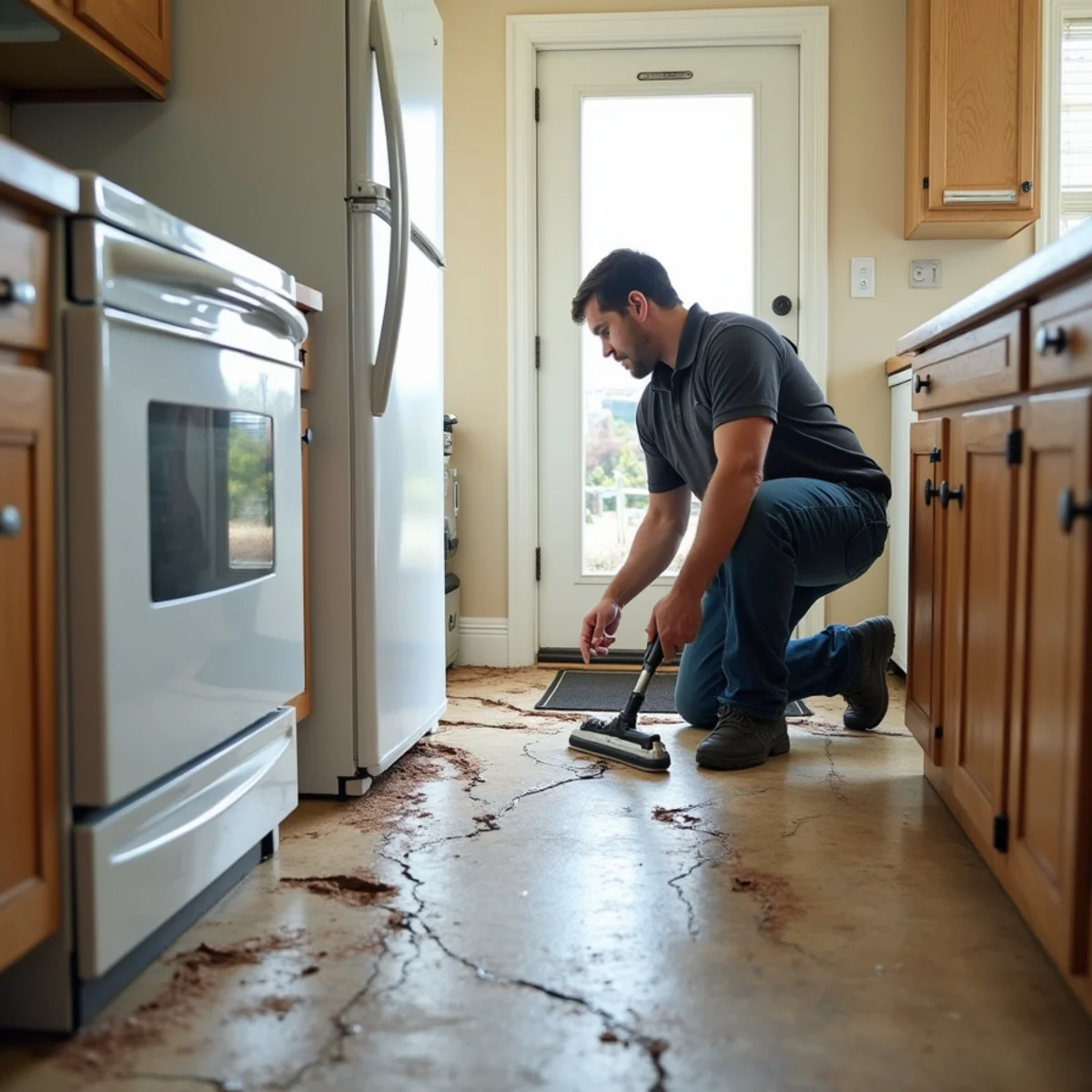
Refrigerator & Ice Maker Line Leak Cleanup in Daly City, CA
On-site in ~60 minutes Licensed & insured IICRC-certified
Get a Free Estimate
Use the form or call our 24-hour hotline at (201) 277-9344.
4.9 / 5 rating
Based on 127 reviews
- IICRC Certified
- Licensed, Bonded & Insured
- 24/7 Emergency Service
- On-Site in ~60 Min
Trusted Refrigerator / Ice Maker Line Leak in Daly City
Water Damage Daly City finds and dries refrigerator water-line leaks 24/7, and this is the leak almost nobody watches for. It's a slim plastic or copper tube running to the ice maker and door dispenser, tucked behind an appliance that weighs a few hundred pounds and never moves. When a compression fitting loosens or the line develops a pinhole, it doesn't gush. It weeps, a drop at a time, straight down behind and under the fridge where no one will look for months.
That slow, steady drip is exactly what makes it so damaging. The water spreads under the flooring, wicks into the subfloor, and creeps toward the cabinets on either side. Solid hardwood cups and darkens along the grain. Engineered plank and laminate lift and swell at the seams. And in that constantly damp, unventilated space beneath the appliance, mold takes hold and quietly grows in the dark. People discover these leaks not by seeing water but by noticing a soft spot in the kitchen floor, a plank that suddenly won't sit flat, or a musty smell that won't go away no matter how they clean. By then the subfloor is often the real casualty.
We find and dry refrigerator and ice-maker line leaks throughout Daly City, from Westlake's original Doelger kitchens to remodeled townhomes in St. Francis Heights. We locate every inch of trapped moisture with thermal imaging, dry the subfloor and cabinet cavities to standard, and address any mold that started in the dark behind the unit. Call (201) 277-9344 for a free moisture inspection, any hour.
What’s included
- Safely pull the refrigerator and shut off its water supply to stop the drip at the source
- Locate the full extent of moisture with a thermal-imaging camera and moisture meters under and behind the unit
- Lift warped or delaminated flooring where water is trapped beneath it
- Extract standing water and residual moisture from the subfloor and cabinet bases
- Set targeted air movers and an LGR dehumidifier to dry the subfloor and framing
- Test for and remediate any mold that took hold in the damp cavity under S520
- Verify the structure reads dry against an unaffected reference before any rebuild
When to call for fridge line leak
Catching these early keeps a small problem from becoming a major one.
A soft or springy spot in the kitchen floor
If the floor near the fridge gives slightly underfoot or feels different from the rest of the room, water has likely been soaking the subfloor from a slow line leak for weeks. A soft deck is structural, not cosmetic, and it means the plywood or OSB below has lost strength.
Cupped, darkened, or lifting flooring near the fridge
Hardwood cupping across the grain, laminate curling at the seams, or vinyl bubbling in front of the refrigerator points to moisture wicking up from below. That upward migration is the signature of a long-running ice-maker line leak rather than a spill from above.
A persistent musty odor in the kitchen
A damp, earthy smell you can't source is often mold growing in the hidden space under and behind the appliance. Daly City's marine humidity keeps that enclosed cavity moist and helps a colony spread well before you ever see it.
Higher water use with no obvious cause
A pinhole that's been running for weeks quietly adds up on the meter. If nothing else in the home changed and your water use crept upward, a slow appliance line is worth checking before the damage compounds.
Rust, mineral streaks, or dampness behind the unit
When you pull the fridge out, a rusty ring on the floor, white mineral streaking down the wall, or a damp patch on the drywall behind it all point to a line or fitting that's been weeping. Those marks trace back to where the water has been landing and spreading.
How we handle fridge line leak
- 1
Move the fridge and stop the leak
We carefully pull the refrigerator, shut off the supply, and confirm whether the failure is the plastic line, the compression fitting, or the saddle valve. Until the drip is stopped, the space can't actually dry, so this is always the first move.
- 2
Map the hidden moisture
A weeks-long leak spreads far and shows almost nothing on the surface. We use a thermal-imaging camera and both pin and pinless moisture meters to trace it under the flooring, into the subfloor, and toward the neighboring cabinets before we start drying, so we treat the whole wet area and not just the visible warp.
- 3
Open up trapped water
Warped flooring and delaminated underlayment that seal moisture underneath come up so we can reach and dry the subfloor and framing directly. Materials that trap water against the deck do more harm left in place than removed.
- 4
Dry the structure
We aim air movers across the affected floor and into the cabinet bases and run an LGR dehumidifier, logging readings daily until the subfloor and framing read as dry as an unaffected section of the same floor. That reference comparison is how we know it's genuinely dry, not just dry on top.
- 5
Address the mold
Because these leaks run so long before discovery, mold is common in the enclosed cavity. We test, contain, and remediate under S520 as the situation calls for, then apply an EPA-registered antimicrobial to affected surfaces so nothing is left to regrow.
- 6
Restore the kitchen
We repair or coordinate replacement of the damaged flooring and cabinetry and confirm the refrigerator line is reconnected and leak-tested so you don't repeat the problem. You get the moisture documentation for your records and any claim.
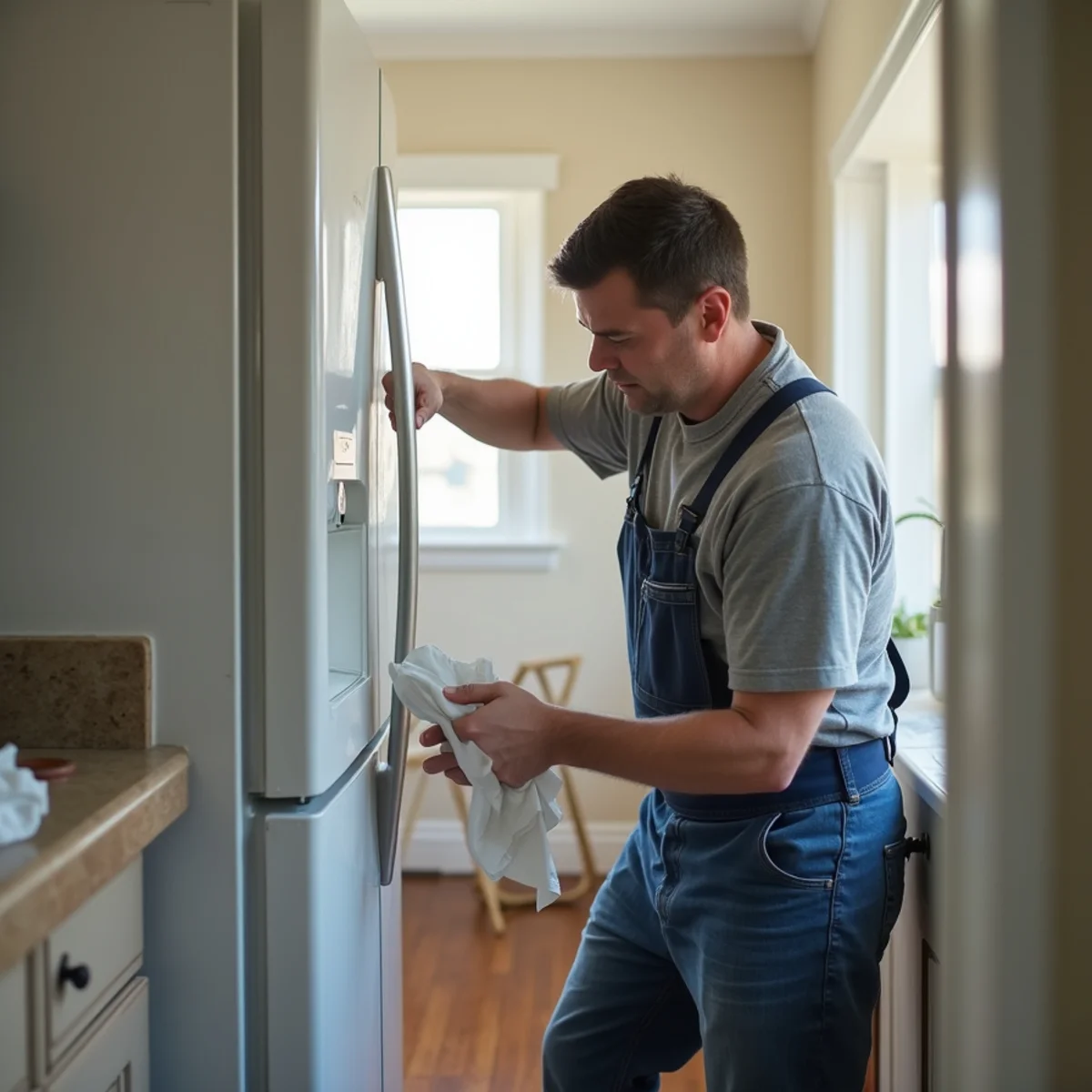
What goes into your estimate
Every water loss is different, so we never quote blind. After a free inspection we give you a clear, itemized estimate. These are the factors that move the price:
- How long the line leaked before discovery, which drives how far the moisture spread
- The type and amount of flooring affected, since solid hardwood, engineered wood, laminate, and tile differ in drying and repair
- Whether the subfloor can be dried and saved or has softened past the point of replacement
- Whether mold established in the enclosed cavity and requires containment and remediation under S520
- The number of cabinets touched by the migrating water
- Access to the space, since a built-in or counter-depth fridge in a tight galley kitchen takes more to reach and dry
- Reconstruction scope for flooring and cabinetry
- Whether the water reached an adjacent wall cavity or neighboring room
Why Daly City trusts us for this
We find leaks that hide for months
A refrigerator line leak leaves almost no surface clue until the floor fails. Our thermal-imaging camera and moisture meters map exactly where the water went, so we dry the whole affected area rather than just the one cupped plank you happened to notice.
We save subfloors when we can
Reaching a slow leak early often means we can dry the plywood subfloor rather than tear it out. We push for the drying solution first and only recommend replacement when the deck has softened or delaminated past the point where it can carry load safely.
Built for Daly City kitchens
From tight Doelger galley kitchens to updated townhome layouts, we know how these floors are built, how deep the subfloor sits, and where a slow leak likes to travel under them. That familiarity means we look in the right places instead of guessing.
Mold-aware from the start
Because these leaks run long in a warm, humid, closed space, we treat mold as likely rather than a surprise. We test and remediate to S520 so the fix is complete, not just dry on the surface with a colony still living underneath.
Related Services
Helpful Reading
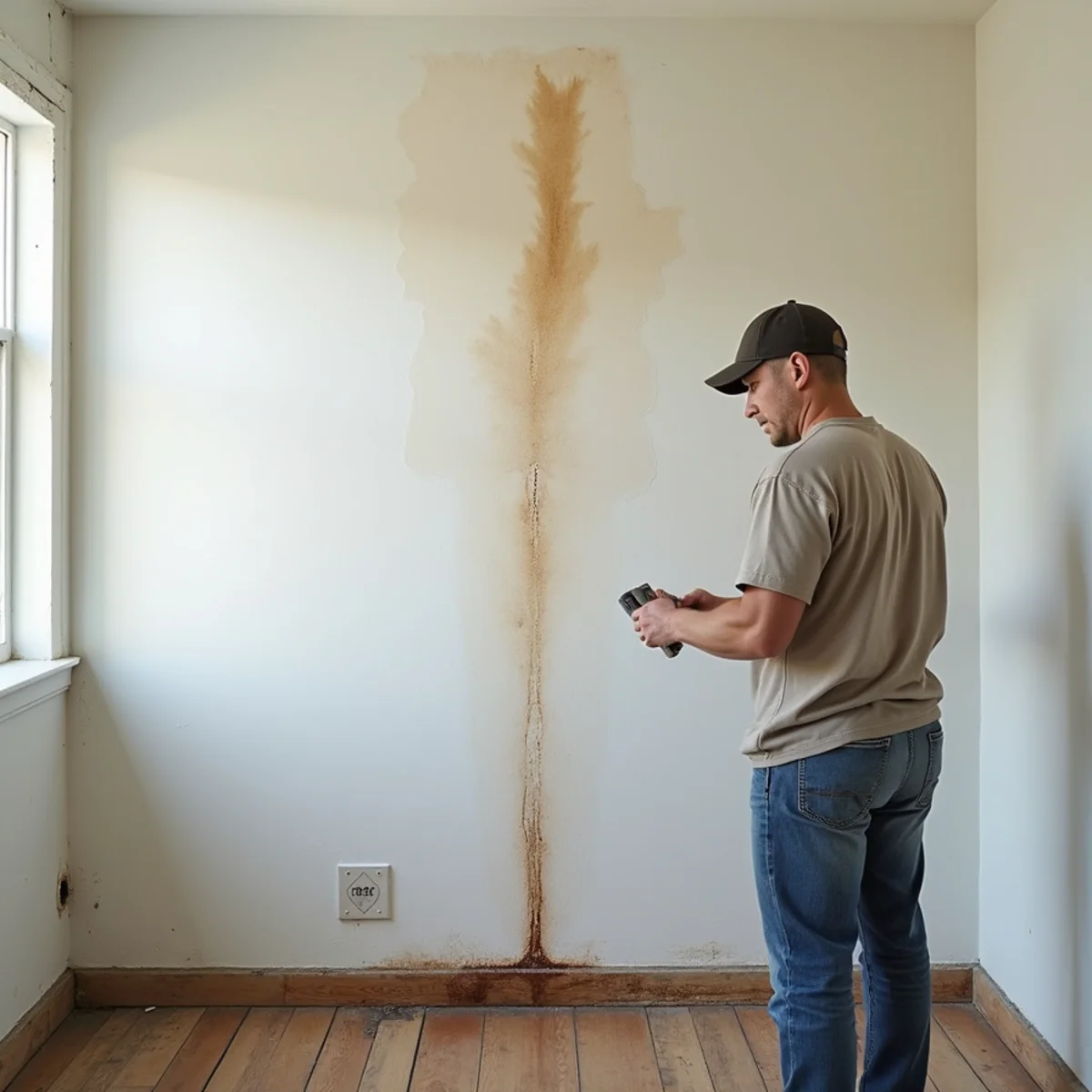
10 Warning Signs of a Hidden Water Leak in Your Home
Most water damage starts small and silent. Catch these ten warning signs early and you can stop a leak before it becomes a rebuild.
Read article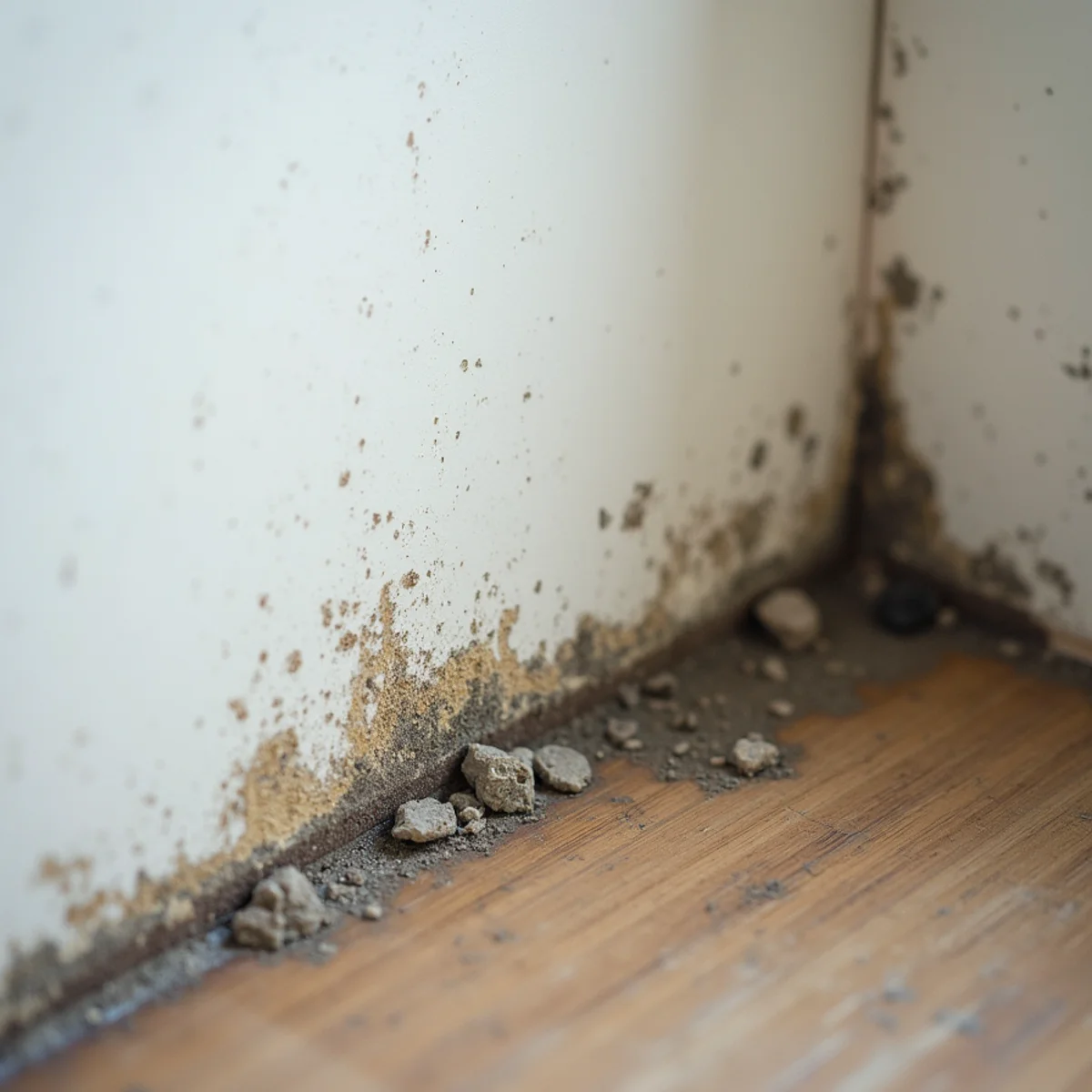
How Fast Does Mold Grow After Water Damage? The 24–48 Hour Rule
Mold doesn’t wait. In Daly City’s damp, foggy climate it can take hold in a day. Here’s the real timeline and how to beat it.
Read articleFridge Line Leak across Daly City & the Peninsula
We provide fridge line leak throughout Daly City’s neighborhoods and the surrounding Peninsula — from the fog-belt hills to the coast to the bay. Not sure if we reach you? Call (201) 277-9344 and ask.
Fridge Line Leak questions, answered
Often weeks or even months. Because the line drips slowly behind a heavy appliance nobody moves, the first sign is usually warped flooring, a soft spot, or a musty smell rather than visible water. By the time those show up, the subfloor is frequently affected, which is why we map with a thermal camera to find the true edge of the damage.
The water is under the flooring, sitting in and on the subfloor and wicking up into the planks, which is what cups and lifts them. That upward path is typical of a slow line leak. We'd confirm it with a moisture meter and thermal-imaging camera to map how far the water spread before deciding what has to come up and what can be dried in place.
Not if the moisture source and the trapped water are both handled. Mold needs moisture to survive and spread. Once we stop the leak, dry the structure to a verified standard, remediate what grew under S520, and treat the surfaces, there's nothing left to feed it, and it won't simply return in the same spot.
It varies by policy. Sudden line or fitting failures are frequently covered, while very gradual, long-term seepage that went unnoticed for months is sometimes excluded as maintenance. We document the loss carefully, note the likely cause and timeline from what the moisture pattern shows, and bill your carrier directly where the claim is covered.
Our focus is the water damage — drying out the floor, cabinets, and subfloor and removing any mold that took hold. We do not service appliances, but we will help you identify whether the failure was the supply line, the valve, or the fridge itself so your plumber or appliance tech can make the right fix. Getting that line repaired matters, because drying the floor does no good if it keeps leaking.
Swap a cheap plastic supply line for a braided stainless steel one, which resists the pinhole splits that plastic develops over time, and check the connection at the valve once or twice a year. Pull the fridge out occasionally and look for staining or warping behind and beneath it, since these leaks hide until the damage is done. In older Daly City kitchens, an aging shutoff valve is often the weak point worth replacing.
24/7 Emergency Response
Need fridge line leak in Daly City? Call now.
Call now for a free inspection. A real person answers day or night, and we’re on-site in about 60 minutes.