That damp-basement smell is a moisture problem announcing itself. Here is where it usually comes from in fog-belt homes, how to track it down, and why air fresheners only buy time.
A musty smell in a house almost always means moisture is feeding mold, mildew, or bacteria somewhere, often somewhere you cannot see. The most common sources are a slow hidden leak, condensation on cold exterior walls, a damp crawl space, carpet pad that got wet and never dried, and an HVAC drain pan or ductwork holding water. Find the moisture and you have found the smell.
Air fresheners, candles, and open windows can make a musty house tolerable for a day, but the smell returns because whatever is producing it is still wet. Below is how to work out where it is coming from, how to tell mustiness from sewer gas, which quick checks are worth doing yourself, and when it is time for professional odor removal or a mold inspection to find what the nose cannot.
What a musty smell actually is
That stale, earthy, damp-basement odor is produced by microorganisms, mostly molds and bacteria, as they grow on damp materials. The gases travel through walls and ductwork, so you can smell growth you cannot see. The EPA's mold course is direct about it: a moldy odor suggests that mold is growing in the building and should be investigated. Nearly every one means something is staying wet.
The most common causes, roughly in the order we find them
1. A hidden plumbing leak
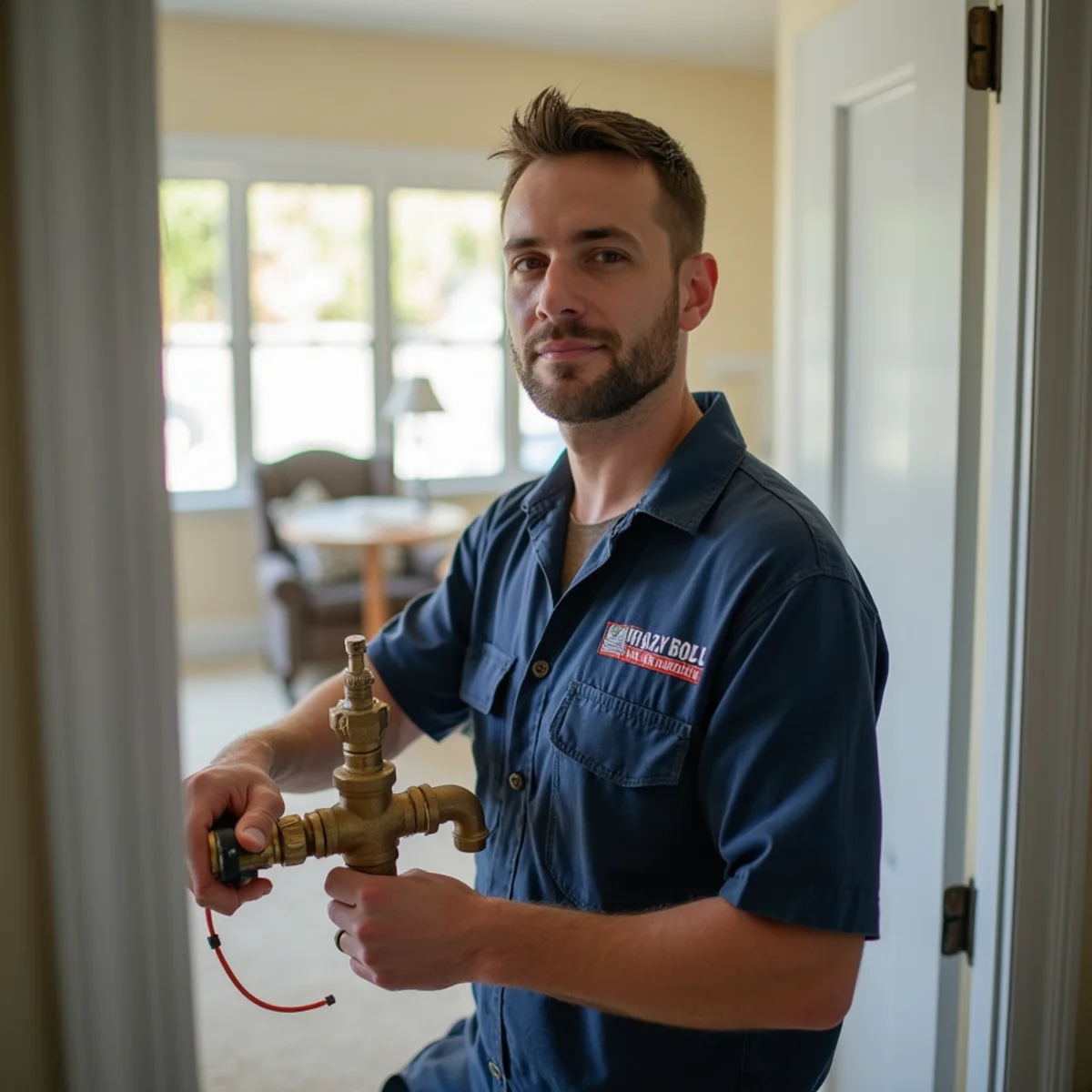
A weeping supply fitting inside a wall, a toilet wax ring that leaks a little with every flush, a cracked shower pan, or a slow drip at a sink trap can wet drywall and framing for months without ever showing on the surface. The smell is usually strongest in one spot and does not go away on dry days. Older Doelger-era homes with original galvanized supply pipe are particularly prone to pinhole leaks. Our list of signs of a hidden water leak covers the meter test and other ways to confirm it, and leak detection can pinpoint the source without opening walls at random.
2. Condensation on cold exterior walls and windows
In the fog belt, exterior walls, especially north and west-facing ones, stay cool for much of the year. Warm indoor air carrying moisture from cooking, showers, and breathing condenses on those cold surfaces, particularly where air does not circulate: inside closets, behind dressers and beds pushed against the wall, and on single-pane aluminum window frames. The result is a musty closet or bedroom corner with no leak at all. Our post on fog-belt moisture and mold explains why this happens so often in Daly City and Pacifica.
3. A damp crawl space or ground-level garage
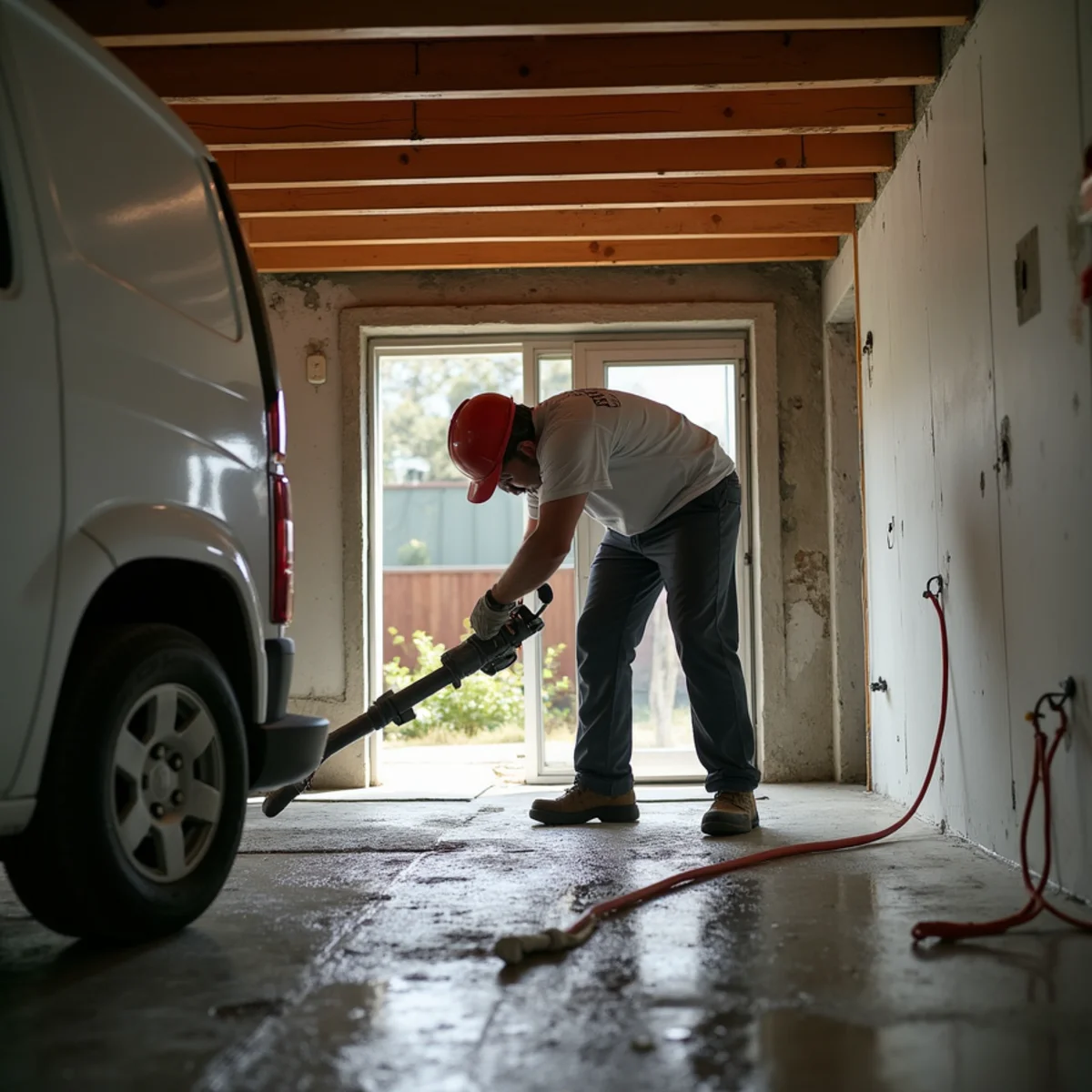
Air moves upward through a house, and in homes with a raised floor much of it comes from the crawl space. If the soil down there is wet, a drain line is leaking, or storm runoff collects against the foundation, that damp, earthy air rises into the rooms above. In split-level and hillside homes, the same thing happens with ground-level garages and in-law units built against the slope. Crawl space water removal and drying deal with the source rather than the symptom.
4. Carpet pad that got wet and never dried
Carpet surfaces dry quickly, so a spill, a pet accident, an overflowing aquarium, or a small leak can look fully dried on top while the pad underneath stays damp. The pad then grows mold and bacteria against the subfloor. The smell is usually sour-musty, concentrated in one area, and worse on warm days or after vacuuming. Wet pad generally needs to be replaced; see our page on carpet water damage for when carpet can be saved.
5. HVAC drain pan, coil, or ductwork
If the smell gets stronger when the furnace or air handler kicks on and spreads through the whole house, look at the HVAC system. A clogged condensate line, a rusted drain pan holding standing water, or ducts that took on water during a leak can all grow microbes and send the odor through every register. The EPA advises against running an HVAC system you suspect is contaminated with mold. HVAC water leak cleanup addresses the pan, the surrounding materials, and any water damage below the unit.
6. Laundry area and dryer vent
Front-loading washers trap water in the door gasket and detergent drawer, which turn musty quickly if the door stays shut between loads. A dryer vent that has come loose inside the wall, crawl space, or garage dumps warm, moist air where it cannot escape. A washer drain hose that drips a little with each cycle wets the floor behind the machine. These are often the easiest causes to fix.
7. Wind-driven rain getting in
If the smell shows up a day or two after a storm and fades in dry weather, suspect water entering the building envelope. Coastal storms drive rain sideways into window flashing, cracked stucco, door thresholds, and roof-to-wall joints. The wall cavity gets wet with every storm and never fully dries between them in the winter fog.
Musty smell vs. sewer gas: how to tell them apart
People often describe both as "a bad smell in the bathroom," but they have different causes and fixes. A musty smell is earthy and stale, like a damp basement or old books, and it comes from microbial growth on wet materials. Sewer gas smells like rotten eggs or sulfur and comes from the drain system itself. The most common cause of sewer gas is a dry trap: a guest shower, floor drain, or unused sink that has not had water run through it for weeks, letting its water seal evaporate. Running water in every drain for half a minute often fixes it. If the sulfur smell persists, a toilet wax seal, a cracked drain line, or a blocked plumbing vent may be to blame, which is a job for a plumber. If sewage has actually backed up into the home, treat it as contaminated water and call for sewage cleanup rather than mopping it up yourself.
Where the smell is strongest, and what it usually means
| Where the smell is strongest | Most likely cause | What to check |
|---|---|---|
| Closet on an exterior wall | Condensation on a cold wall with no air movement | Back wall and corners behind clothes; baseboard; boxes stored against the wall |
| Under the kitchen or bathroom sink | Slow drip at the trap, supply line, or faucet base | Cabinet floor for swelling or stains; feel connections with a dry paper towel |
| Bathroom | Failed caulk or grout, leaking wax ring, no exhaust fan | Floor around the toilet base; tile that sounds hollow; ceiling above the shower |
| One patch of carpet | Carpet pad that stayed wet after a spill or leak | Lift a corner; check the pad and tack strip for dampness or staining |
| Whole house, stronger when heat runs | HVAC drain pan, coil, or ductwork | Drain pan and condensate line; registers; furnace closet floor |
| Hallways and rooms with floor registers | Damp crawl space | Look in from the crawl space hatch for standing water or wet soil |
| Ground-level garage or in-law unit | Damp slab, runoff against the foundation, stored items against walls | Base of walls; behind shelving; cardboard boxes on the floor |
| Near the washer or laundry closet | Washer gasket, drain hose drip, loose dryer vent | Door gasket; floor behind the machine; vent connection |
| Anywhere, mainly after rain | Wind-driven rain entering walls or windows | Window sills and corners; stucco cracks; wall below windows on the weather side |
| Near windows on foggy mornings | Condensation running off frames | Window tracks, sills, drywall returns, carpet tack strip below |
How to find the source safely: a room-by-room checklist
- Start with a fresh nose. Step outside for ten minutes, or check first thing in the morning after the house has been closed overnight, when odors are most concentrated.
- Walk the house room by room and rate the smell in each one. You are looking for a gradient: the place where it is strongest is usually closest to the source.
- In the strongest room, open closets and cabinets, pull furniture a few inches away from exterior walls, and smell low near baseboards. Musty odors often concentrate near the floor.
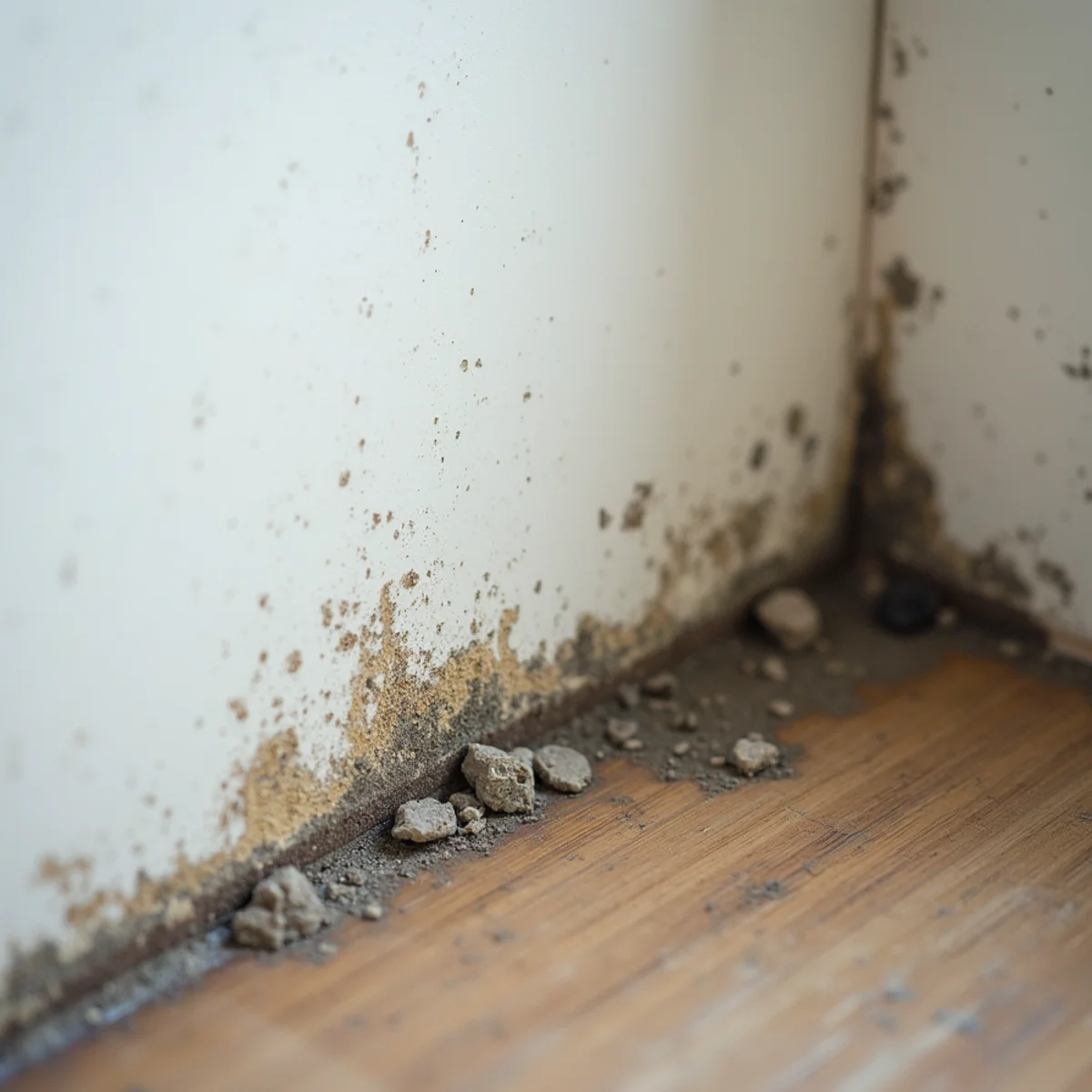
- Look for supporting evidence: stains, bubbling paint, swollen baseboards, soft drywall, rust on nail heads, or a tide line on the bottom of stored boxes.
- Check the water meter with every fixture off. If it moves, there is a leak somewhere in the supply plumbing.
- Run the furnace fan and see whether the smell gets stronger at the registers.
- Look into the crawl space from the access hatch with a flashlight. Do not crawl in if there is standing water, sagging wiring, or visible heavy growth.
- Photograph anything you find before you clean or move it.

Quick checks: what your hygrometer should read
An inexpensive digital hygrometer is the most useful tool for a musty house. The EPA's brief guide to mold and moisture recommends keeping indoor relative humidity below 60 percent, ideally between 30 and 50 percent. Put the hygrometer in the room that smells worst and leave it for a few days, including foggy mornings. Readings that sit above 60 percent point to a humidity and ventilation problem. Readings in the normal range with a smell that stays localized point more toward a specific wet material, such as a leak, wet pad, or damp wall cavity.
Opening windows is a common reaction, but on a foggy day it can bring in more moisture than it removes. A dehumidifier in the problem room, bathroom exhaust fans run during and after showers, and a little space between furniture and exterior walls usually do more good.
What masks the smell vs. what actually fixes it
What only masks it
- Air fresheners, plug-ins, scented candles, and room sprays.
- Bowls of baking soda or charcoal, which absorb some odor but leave the source alone.
- Painting over stains, which hides the evidence while growth continues underneath.
- Spraying bleach on a wall, which can lighten the surface while the material behind it stays wet.
- Shampooing carpet over a wet pad, which adds more moisture to the problem.
What actually fixes it
- Stopping the water: repairing the leak, sealing the window, correcting drainage, or clearing the condensate line.
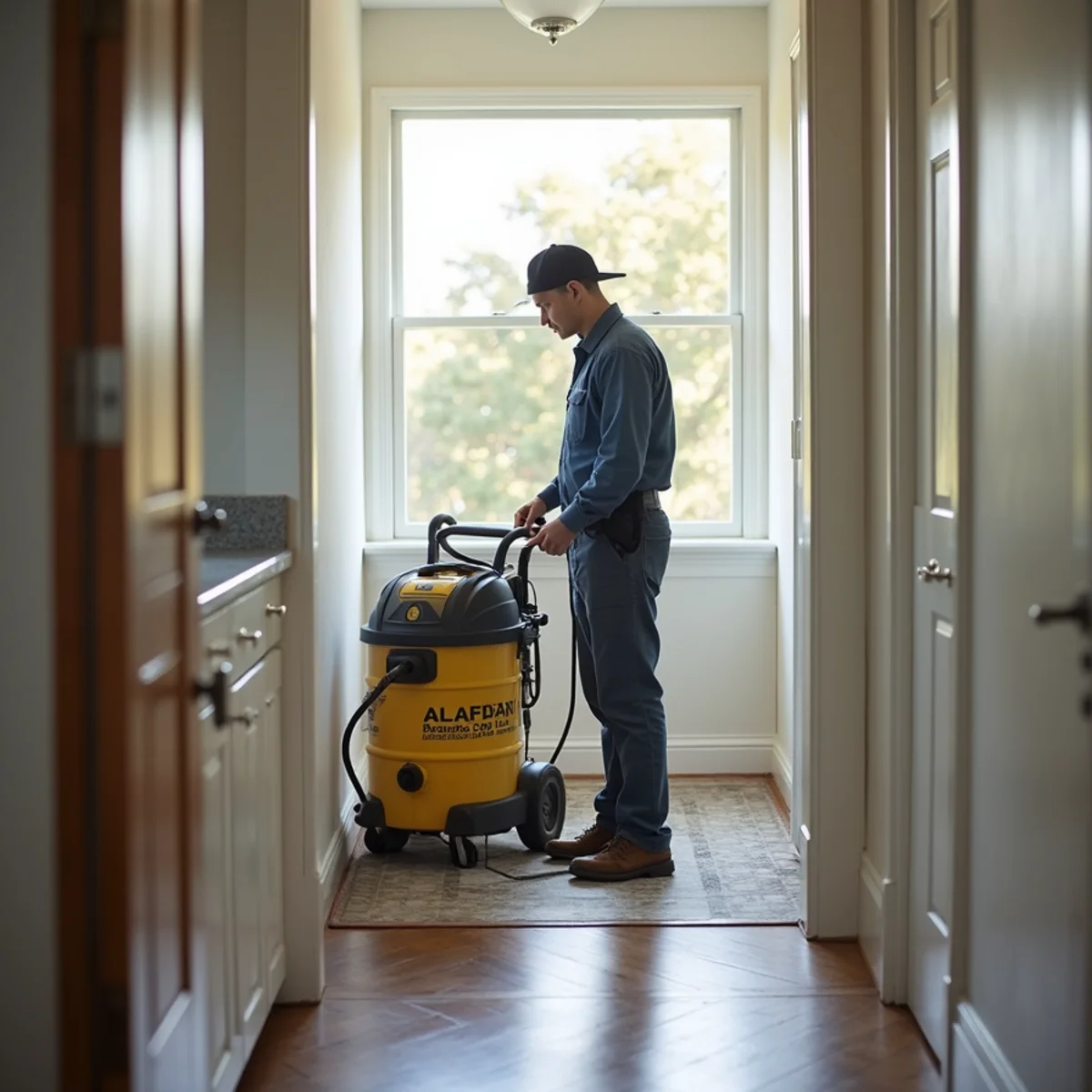
- Drying the affected materials completely, using dehumidifiers and air movers, and confirming the result with a moisture meter.
- Removing materials that grew mold, such as wet carpet pad or moldy drywall, and cleaning what can be cleaned.
- Bringing indoor humidity into the 30 to 50 percent range and improving air movement.
- Then, once the source is gone, deodorizing whatever odor lingers in the air and porous surfaces with HEPA filtration and hydroxyl or ozone treatment as appropriate.
Deodorizing before the source is fixed only buys a few days.
When a musty smell means mold
Mustiness that is localized, persistent, and stronger when a room has been closed up is very likely coming from mold or mildew growing on something damp. The odds go up if you also see spotting, staining, or peeling paint nearby, if the smell started after a leak or storm, or if it returns within days of cleaning. Some people notice stuffy noses, itchy eyes, or more frequent asthma symptoms in certain rooms; mold can aggravate allergies and asthma in some people, so that pattern is worth mentioning to a doctor. If you find growth and are not sure what it is, our guide to mold vs. mildew helps tell surface mildew from growth that has rooted into a material.
When to call a professional
- The smell persists after you have dried the obvious spots and fixed humidity.
- You cannot find the source, or the evidence points inside a wall, under a floor, or into a crawl space.
- The water meter test suggests a hidden leak.
- You see mold covering more than about 10 square feet, roughly the size the EPA uses as the upper limit for do-it-yourself cleanup.
- The smell follows a flood, sewage backup, or storm water entering the house.
- It spreads through the house when the HVAC runs.
- Someone in the home has asthma, allergies, or a weakened immune system.
If your house smells musty and you have run out of places to look, call Water Damage Daly City at (201) 277-9344 for a free inspection. We will trace the smell to its source with moisture meters and thermal imaging, fix or dry what is wet, and only then deodorize, so the smell does not come back with the next foggy week.
Frequently asked questions
In fog-belt homes the usual cause is condensation on the closet's exterior wall. Clothes, shoes, and boxes block air movement, the wall stays cold, and moisture collects behind them. Growth often starts on the back of stored items or low on the wall where you cannot see it. Pull everything out, check the wall and baseboard, and leave the door open with a small dehumidifier running for a week. If the smell persists or the drywall feels damp, have the wall checked with a moisture meter for a leak.
The smell itself is a signal rather than the main concern. It points to microbial growth that can release spores and other particles into the air. According to the CDC, mold exposure can cause a stuffy nose, sore throat, coughing or wheezing, burning eyes, or skin rash in some people, and people with asthma, mold allergies, or weakened immune systems can react more strongly. Many people notice nothing. If symptoms seem tied to a particular room or to time spent at home, talk to a doctor and get the source found.
A dehumidifier helps when the cause is general dampness: a closed-up room, a closet on a cold wall, or a garage that sits under the marine layer. Bringing humidity into the 30 to 50 percent range slows growth and the smell often fades over a week or two. It will not fix a leak, dry carpet pad, or reach a wet wall cavity. If the smell stays localized and strong after a week of dehumidifying, there is likely a wet material that needs to be found.
Testing is most useful in exactly this situation: a persistent musty smell with no visible growth. A good inspection starts with moisture readings and thermal imaging to find wet materials, then uses air or surface sampling where it helps confirm hidden growth or compare a problem room with outdoor air. If you can already see the growth and know the source, the EPA notes sampling is usually unnecessary, and the money is better spent on fixing the moisture and removing the growth.