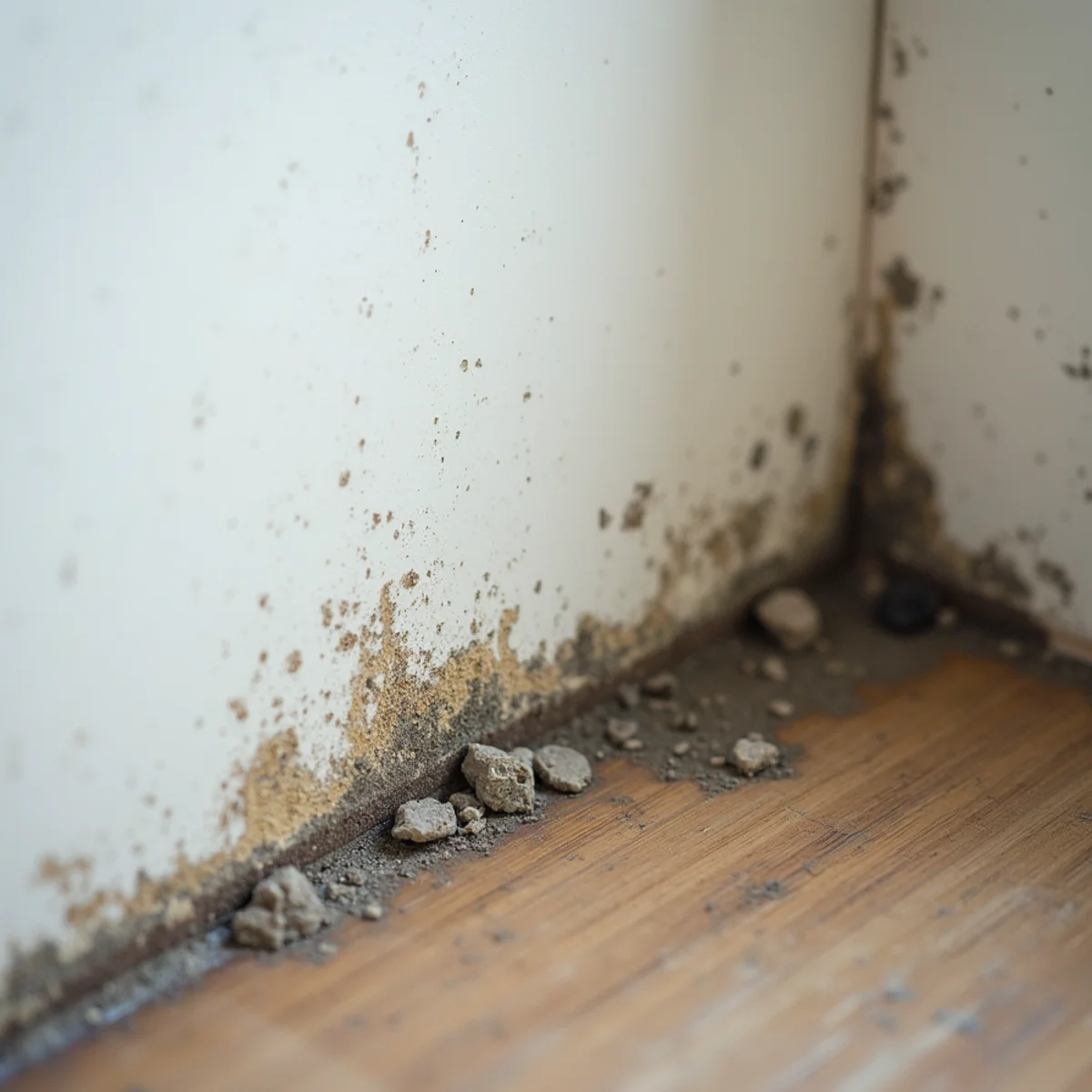
Mildew wipes off. Mold roots into what it grows on. Here is how to tell which one you have, what the bleach spot test really shows, and when a sponge stops being enough.
Mildew is flat, powdery surface growth, usually white, gray, or yellowish, that sits on top of damp, smooth surfaces like shower grout, window sills, and painted bathroom ceilings. Mold, in the everyday sense, is fuzzy or slimy, often green, black, or dark brown, and grows into porous materials such as drywall paper, wood, and carpet backing. Mildew usually wipes off; mold that has rooted into a material usually has to be cut out.
Biologically they are close cousins. "Mildew" is the common name for certain fungi that stay on the surface, while "mold" covers a much wider group, many of which spread threads down into whatever they are feeding on. For a homeowner the label matters less than what the growth is doing: a gray film on tile is a cleaning job, while dark spotting that keeps coming back on a closet wall points to moisture inside the wall. If you are looking at growth you cannot identify, or smelling something you cannot see, a professional mold inspection answers the question with moisture readings instead of guesswork.
Mold vs. mildew at a glance
| Mildew | Mold | |
|---|---|---|
| Color | White, gray, or light yellow; can darken with age | Green, black, brown, blue, orange, or white |
| Texture | Flat, dry, powdery or downy | Fuzzy, raised, slimy, or blotchy |
| Growth pattern | Stays on the surface | Can grow into porous materials |
| Typical spots | Shower grout and caulk, window tracks, bathroom ceilings, leather and fabric | Drywall, wood framing, carpet pad, insulation, cabinet bases, crawl spaces |
| Smell | Mild, damp, stale | Stronger and earthier; can fill a closed room |
| Damp-wipe test | Usually lifts off cleanly | Stains remain or growth returns quickly |
| Typical fix | Clean the surface, then reduce moisture | Find the moisture source; remove or clean affected materials |
| When to call | If it keeps returning or covers a large area | Beyond about 10 sq ft, on porous materials, or after a leak |
How to tell them apart by looking
Color is a weak clue
People tend to assume white means mildew and black means dangerous mold. Neither holds up. The EPA's mold course points out that molds come in many colors, including white, and that "black mold" and "toxic mold" are not species at all. A white, cottony growth on a basement joist can be a mold that has been working into the wood for months. A dark line of growth on shower caulk can be a surface problem that a scrub brush handles. Use color as a starting point and texture and location as the real tests.
Texture and depth tell you more
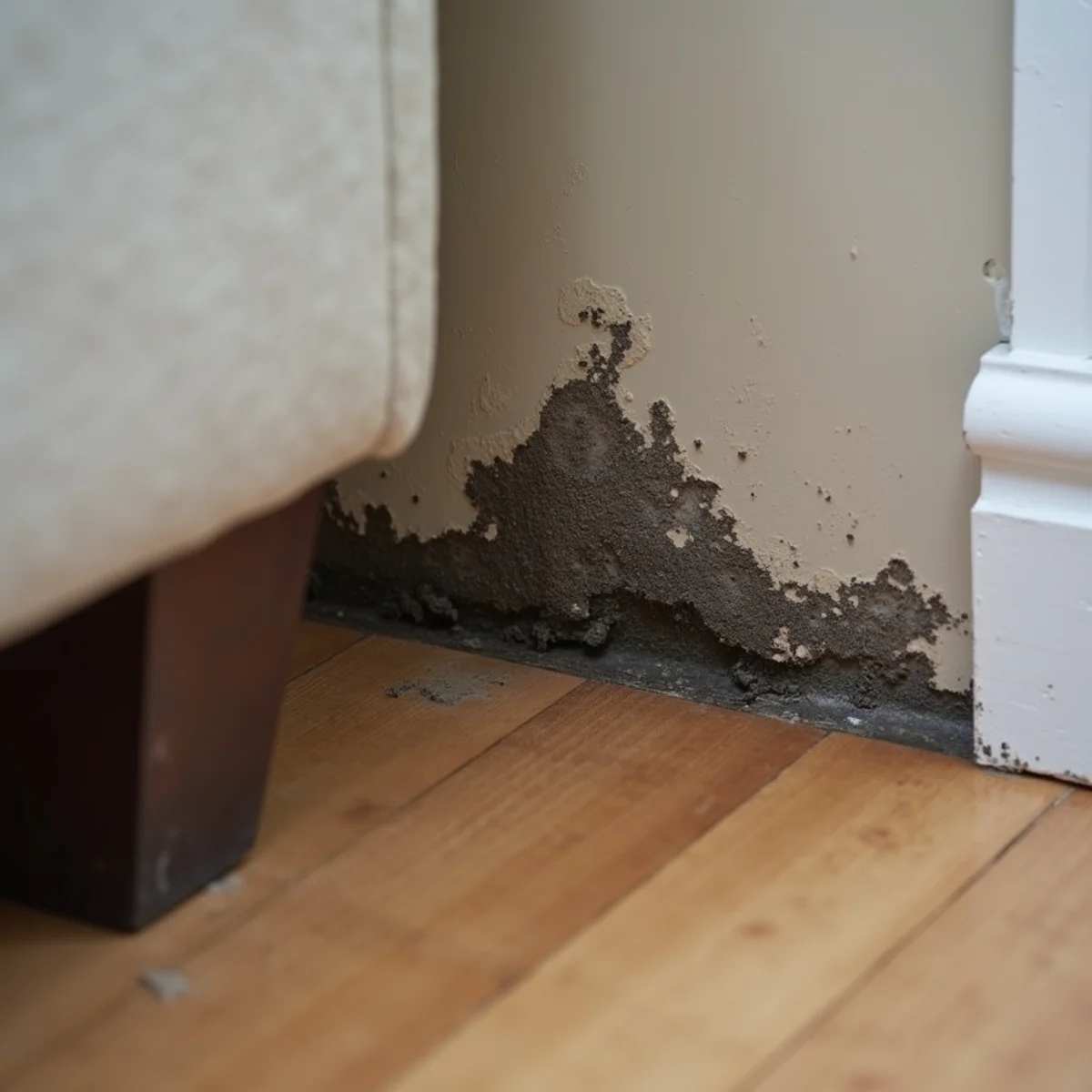
Run a gloved finger or a damp paper towel across it. Mildew tends to be flat and dusty and comes away cleanly, leaving the surface underneath looking intact. Mold growth is usually raised or fuzzy, and when you wipe it you often find staining left behind, a soft or crumbly surface, or paint that is bubbling over the spot. On drywall, look at the edges: a patch with a darker, spreading halo or one that shows through a fresh coat of paint is feeding on the paper facing, not sitting on top of it.
Where it is growing matters as much as what it looks like
Growth on non-porous surfaces that get wet every day, such as tile, glass, sealed countertops, and the aluminum window frames common in mid-century Peninsula homes, is usually surface mildew fed by condensation or shower steam. Growth on porous materials that should be dry, such as the bottom of a wall, the back of a closet, the underside of a sink cabinet, or the baseboard behind a couch, means water is reaching that material from somewhere. That second category is the one to take seriously, regardless of what the growth looks like.
Does mold smell different from mildew?
Both produce the stale, earthy odor most people call "musty." That smell comes from gases released by actively growing fungi, and the EPA notes plainly that a moldy odor suggests mold is growing in the building and should be investigated. Mildew on a shower wall tends to smell faint and only up close. Mold growing inside a wall or under carpet often smells stronger and fills a closed room, especially first thing in the morning or when you open a closet that has been shut for days. If you smell it but cannot find it, our guide to a musty smell in the house walks through where to look, room by room.
How long does it take mildew and mold to grow?
Both follow the same moisture rules. The EPA's brief guide to mold, moisture, and your home says that if wet or damp materials are dried within 24 to 48 hours after a leak or spill, in most cases mold will not grow. Miss that window and growth can begin, though it often takes longer to become visible. Mildew on a surface that gets wet every day, like grout in a shower without an exhaust fan, typically shows up within days to a couple of weeks and keeps coming back as long as the daily wetting continues. Our post on how fast mold grows after water damage covers the timeline after a leak in more detail.
A simple at-home check: the bleach spot test
A commonly cited quick check helps tell fungal growth from ordinary dirt or soot. It does not tell mold from mildew, and it is not a diagnosis, but it can save you from scrubbing a dirt stain or ignoring a growth problem.
- Open a window or run the bathroom fan, and put on gloves and eye protection.
- Dilute a little household bleach in water. The CDC's cleanup guidance uses no more than 1 cup of bleach per gallon of water, and a small cup of that mix is plenty.
- Dip a cotton swab and dab a single spot on a hard, light-colored surface. Do not use it on fabric, carpet, wood finishes, or anything bleach would damage.
- Wait a minute or two. If the spot lightens noticeably, it is likely mold or mildew. If it stays the same, it is more likely dirt, soot, or a mineral stain.
- If it lightened and comes back within a few days after cleaning, there is ongoing moisture feeding it.
Is mildew less harmful than mold?
Small patches of surface mildew are mostly a cleaning and moisture issue. Larger mold growth is a bigger concern because there is more of it releasing spores and fragments into the air. According to the CDC, mold exposure can cause a stuffy nose, sore throat, coughing or wheezing, burning eyes, or skin rash in some people, and people with asthma, mold allergies, or weakened immune systems can react more strongly. Most people living with a little bathroom mildew will not notice anything, but if anyone in the home has breathing problems, it is a reason to deal with growth promptly and to check with a doctor about symptoms. The EPA also notes that dead mold can still be allergenic, which is why removal matters more than killing it in place.
When cleaning it yourself is reasonable
The EPA's guidance on mold cleanup in your home says that if the moldy area is less than about 10 square feet, roughly a 3-by-3-foot patch, in most cases you can handle it yourself. DIY makes sense when all of these are true:
- The growth is on a hard, non-porous surface such as tile, glass, metal, sealed stone, or a gloss-painted window frame.
- It covers well under 10 square feet and you can see all of it.
- It did not come from sewage, floodwater, or a long-running leak.
- Nobody in the home has asthma, a mold allergy, or a weakened immune system that would make the work risky.
- You know the moisture source, such as shower steam or window condensation, and can reduce it.
For surface mildew, scrub with detergent and water, dry the surface completely, and then deal with the moisture: run the bath fan during and after showers, wipe window tracks on foggy mornings, and keep indoor humidity in check. The EPA does not recommend biocides such as bleach as a routine practice, because cleaning and drying is what actually removes growth. Absorbent materials like ceiling tiles and carpet that have grown mold may need to be thrown away rather than cleaned.
When to call a professional
- The growth covers more than about 10 square feet, or you suspect it continues behind what you can see.
- It is on drywall, wood framing, carpet pad, insulation, or cabinet particleboard.
- It keeps coming back in the same spot after you clean it.
- You smell mustiness strongly but cannot find visible growth.
- It followed a leak, an overflow, or storm water that soaked materials for more than a day or two.
- The water involved was sewage or floodwater.
- You suspect mold in the heating ducts. The EPA advises not running an HVAC system you suspect is contaminated.
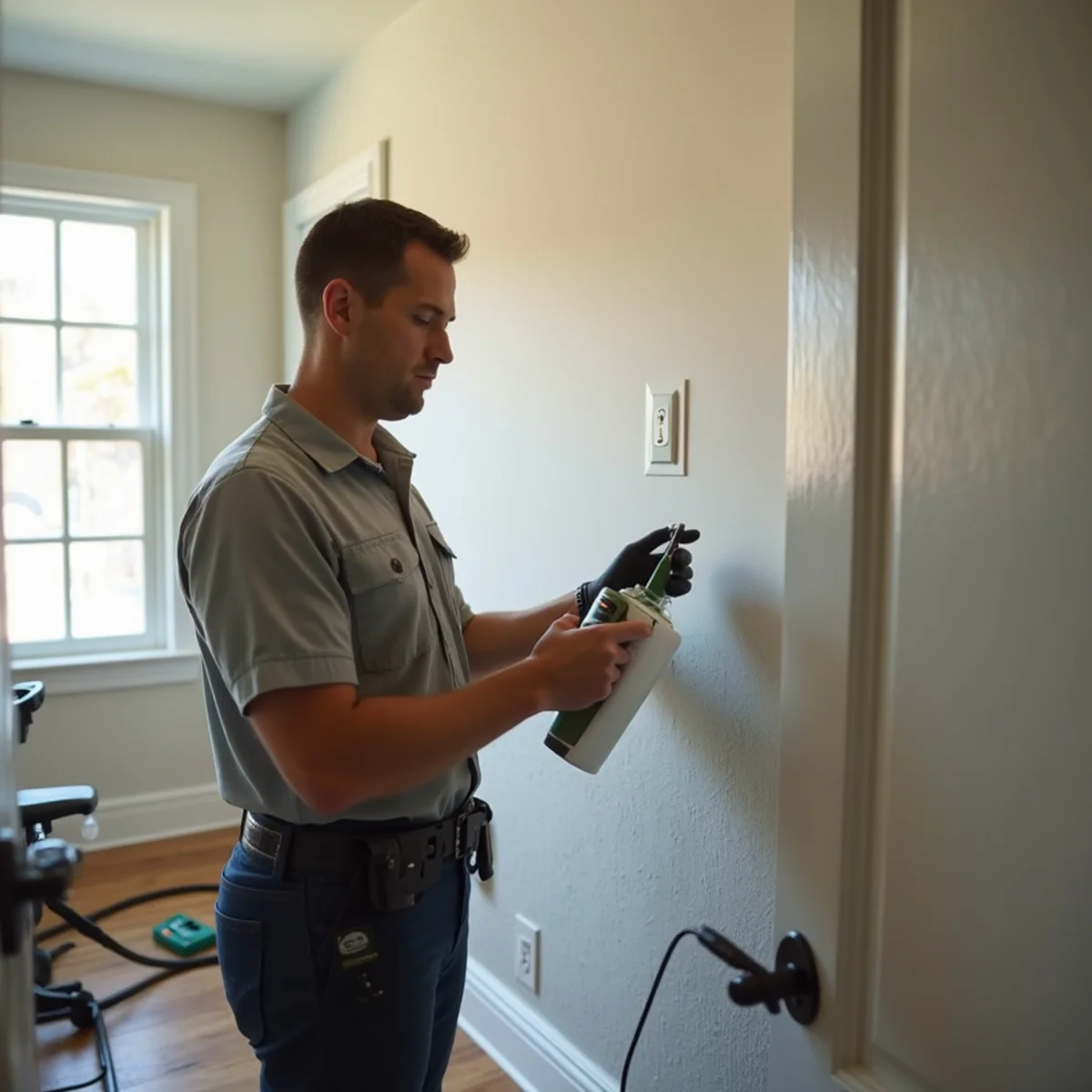
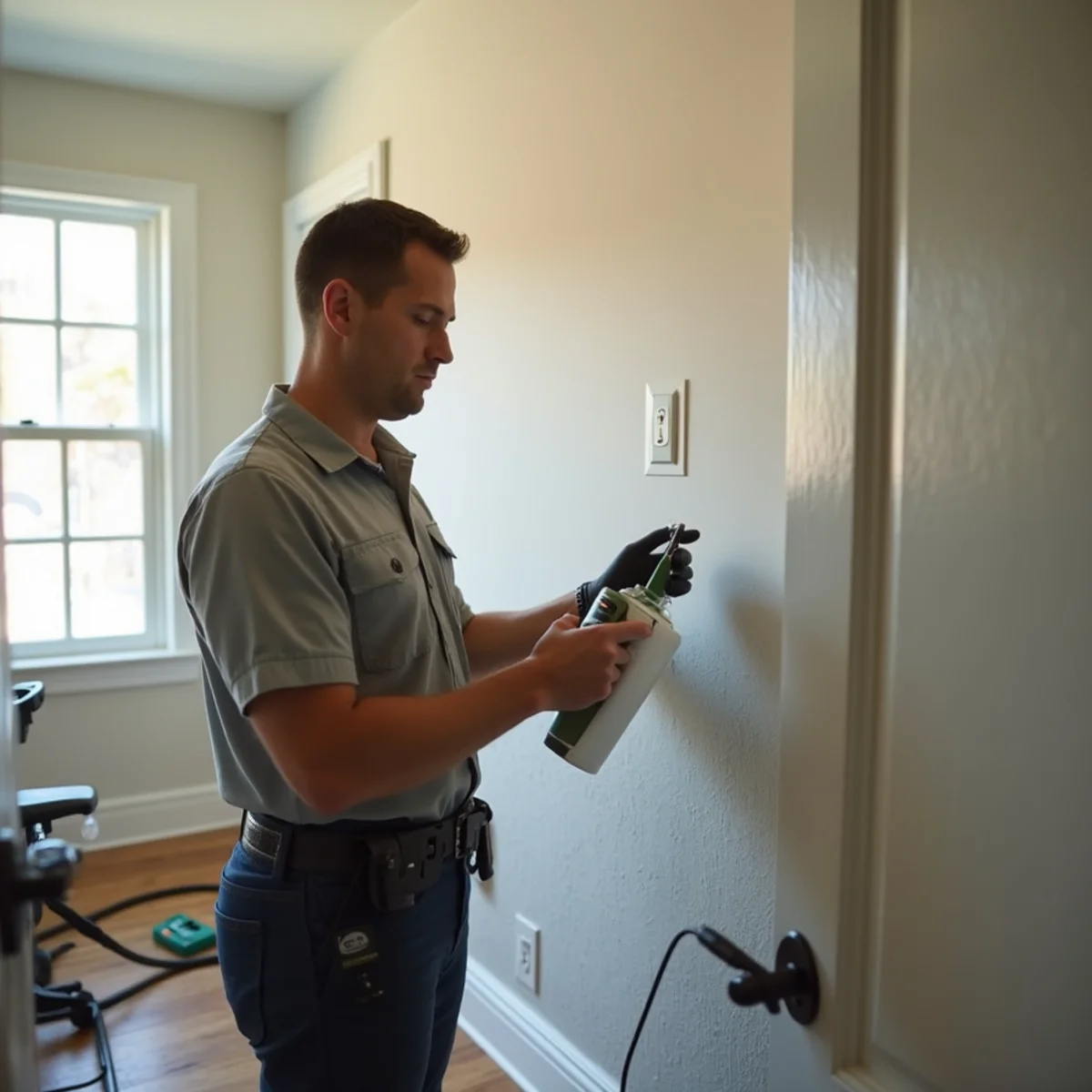
In those cases the job moves from cleaning to professional mold removal, where the moisture source is found, the area is contained, and affected materials are removed rather than wiped. If you want to know what that looks like before anyone shows up, our walkthrough of the mold remediation process explains each step.
Fog-belt hot spots: where Daly City homes grow mildew and mold
On the western side of the Peninsula, indoor surfaces cool down under the marine layer and stay damp longer, so both mildew and mold show up in predictable places. These are the spots we check first in Westlake, St. Francis Heights, and along the Pacifica coast:
- Bathrooms without a ducted exhaust fan, which describes many original 1940s to 1960s Doelger-era bathrooms that relied on a small window. Mildew forms on the ceiling above the shower and on grout lines; mold forms behind loose tile or in the wall beside the tub.
- Single-pane aluminum window frames, where condensation runs down every foggy morning and soaks the sill, the drywall return, and the carpet tack strip below.
- Closets on exterior walls, especially north and west-facing ones, where cold wall surfaces and stagnant air let condensation build up behind hanging clothes and stored boxes.
- Ground-level garages and in-law units, where the slab and lower walls stay cool and damp and anything stored against the wall can grow mold on its back side.
Mildew in these spots is largely a ventilation and humidity issue. Mold in these spots, particularly on drywall or behind stored items, often means condensation or a slow leak has been wetting the material for a long time. Our post on the fog-belt moisture problem goes deeper on why these homes hold so much moisture and how to change it.
If you have scrubbed the same spot three times and it keeps coming back, or you cannot tell whether that dark patch is surface mildew or something growing inside the wall, call Water Damage Daly City at (201) 277-9344. We will take moisture readings, trace the source, and tell you plainly whether it is a cleaning job you can handle or something that needs to come out. The inspection is free.
Frequently asked questions
Mildew does not transform into a different organism, but the conditions that grow mildew on a surface can also support other molds nearby. If a window sill or shower wall stays wet day after day, the moisture eventually works into caulk joints, the drywall return, or the wood behind the trim, and growth there behaves like mold: it spreads into the material and will not wipe away. That is why recurring mildew is worth treating as a moisture warning, not just a cleaning chore.
No. Paint, even mildew-resistant paint, applied over active growth traps it rather than removing it, and the stain usually bleeds through or the paint blisters within weeks. Clean the surface first, let it dry completely, and fix whatever is wetting it. Mildew-resistant bathroom paint is useful as a preventive finish on a clean, dry wall, but it is not a treatment. On drywall where mold has grown into the paper, the affected section usually needs to be cut out and replaced.
It is usually mold that has grown into the caulk itself, which is why scrubbing lightens it but never quite gets it out. Silicone and acrylic caulk are soft enough for growth to work into, and shower caulk stays wet daily. The practical fix is to cut out the old caulk, clean and dry the joint thoroughly, and re-caulk, then run the exhaust fan during showers and for a while afterward. If the tile or wall behind the caulk feels soft, water may be getting into the wall.
Usually not. The EPA notes that when visible mold growth is present, sampling is generally unnecessary, because the growth needs to be cleaned up and the moisture fixed regardless of the species. Testing becomes useful when you smell mustiness but cannot find growth, when you suspect hidden mold inside walls or ducts, when someone in the home has health concerns, or when you want verification that a remediated area is clean before it is closed up.