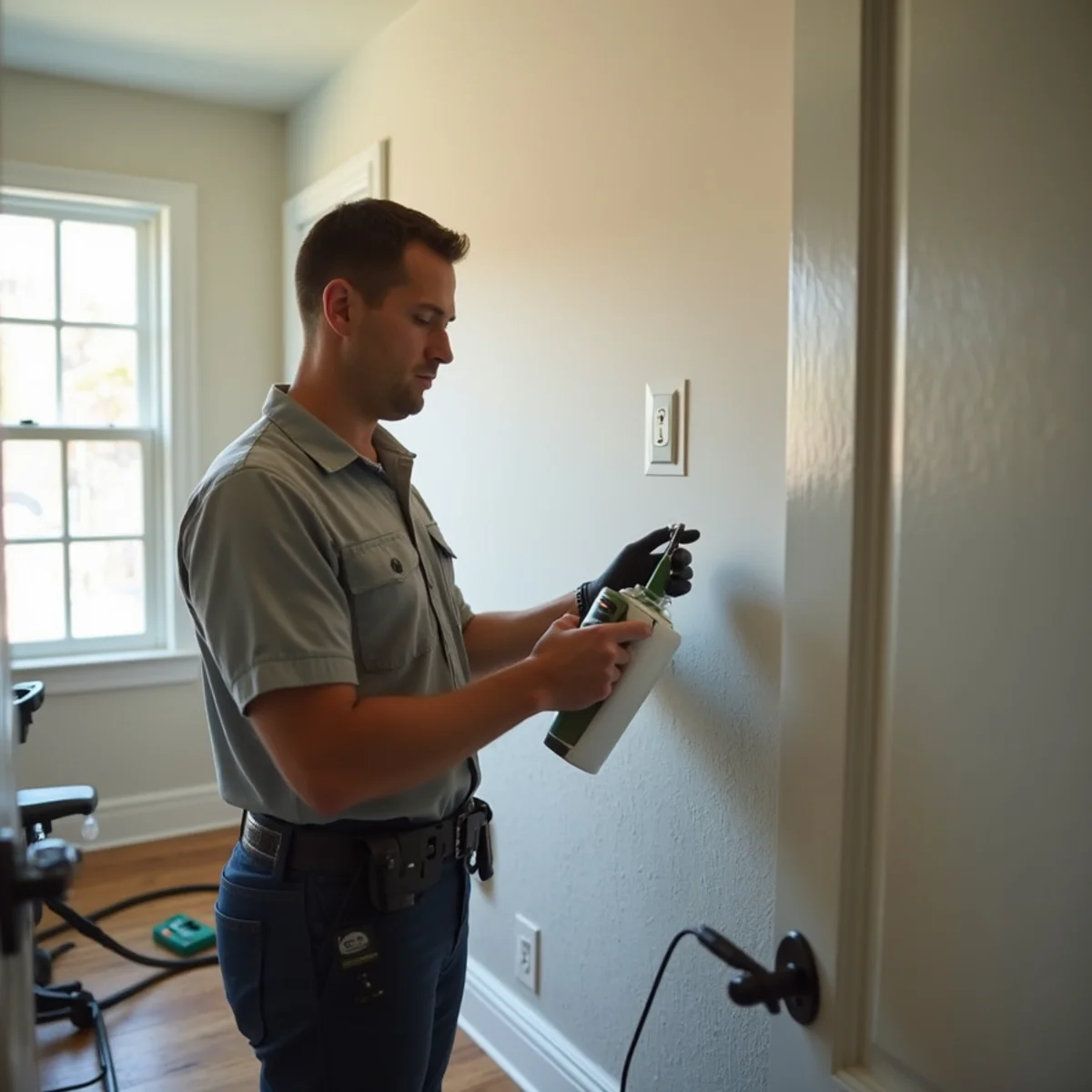
Mold Inspection & Testing in Daly City, CA
On-site in ~60 minutes Licensed & insured IICRC-certified
Get a Free Estimate
Use the form or call our 24-hour hotline at (201) 277-9344.
4.9 / 5 rating
Based on 127 reviews
- IICRC Certified
- Licensed, Bonded & Insured
- 24/7 Emergency Service
- On-Site in ~60 Min
Trusted Mold Inspection & Testing in Daly City
Mold Inspection & Testing from Water Damage Daly City tells you exactly what's growing in your home, how much, and what's feeding it — a walkthrough, moisture mapping, air and surface sampling sent to an accredited lab, and a written report you can act on. You caught a whiff of something musty in the back closet. Maybe there's a faint smudge on a baseboard, or a past leak you're not sure ever fully dried.
Guessing in either direction is a bad idea. Ignore it and a hidden problem grows behind the finish; tear open a wall in a panic and you can spread spores through the whole house. Daly City makes the guessing game harder than most places. The fog belt holds humidity high year-round, and the persistent damp over Westlake and St. Francis Heights lets mold grow slowly and quietly in garages, closets, crawl spaces, and behind walls — often with no dramatic water event to point back to. A crawl space over the high water table near Colma can stay damp for months without a single visible drip. A stain the size of a coin on the surface can sit over a colony many times larger in the cavity behind it, because what you see is only where the growth broke through the paint.
We replace the guessing with data. We map where moisture is hiding with thermal imaging and moisture meters, collect air and surface samples for lab analysis against an outdoor baseline, and give you a plain-language written report on what's present, how much, and — just as important — what moisture source is driving it. Whether it's for your own reassurance, a real estate transaction, an HOA dispute, or to confirm a past remediation actually worked, call us at (201) 277-9344 to schedule an inspection.
What’s included
- Walk the property and inspect the usual fog-belt trouble spots — closets, garages, crawl spaces, attic, and behind fixtures and appliances
- Map hidden moisture with thermal-imaging cameras and penetrating and non-penetrating moisture meters to find damp the eye can't see
- Collect indoor air samples and pair them with an outdoor baseline so the indoor numbers have real context
- Take surface samples by swab or tape lift from suspect growth for laboratory identification
- Send every sample to an accredited independent laboratory for analysis, not a snap judgment on the spot
- Trace the moisture source with a hygrometer and meters so the report explains the why, not just the what
- Deliver a clear written report — findings, locations, levels, and recommendations — you can act on, share, or hand to another party
When to call for mold inspection
Catching these early keeps a small problem from becoming a major one.
A musty smell with no visible mold
That earthy, damp-basement odor is often the first and only sign of hidden growth, produced by mold actively feeding out of sight. Moisture mapping and sampling can locate the source behind walls or under floors before you start opening things up and risk spreading it.
You're buying or selling a Daly City home
A fog-belt house with sixty-year-old pipes and a vented crawl space deserves a look before money changes hands. An inspection with lab results tells buyers and sellers what's actually present instead of leaving a musty closet to assumptions and a stalled deal.
Someone in the home has unexplained symptoms
Mold can contribute to respiratory irritation and allergy-like symptoms in some people, particularly those with asthma or sensitivities. If health concerns are on the table, air testing can tell you whether elevated indoor spore levels are part of the picture rather than a guess.
You had a leak that you think dried on its own
A supply-line drip or roof leak that seemed to dry can leave saturated framing and insulation inside a wall where air never reaches it. Weeks later that trapped moisture is exactly the quiet, hidden condition where mold establishes without a visible clue.
You had remediation done and want to be sure it worked
Post-remediation verification checks that a previous cleanup actually cleared the growth and, critically, that the underlying moisture was resolved. Without it you're taking the last contractor's word for it — and in a damp climate that's how people end up paying twice for the same wall.
How we handle mold inspection
- 1
Listen and inspect
We start with your history — the leaks, the smells, the spots you've noticed — because that story points us where to look. Then we walk the property and inspect the areas Daly City's climate tends to hit hardest: crawl spaces, closets, garages, attic, and the walls behind plumbing.
- 2
Map the moisture
Mold needs water, so we find the water first. Thermal imaging shows temperature differences that flag damp framing, and moisture meters confirm wet cavities and materials that aren't visible, pointing us toward hidden growth and, just as importantly, toward its source.
- 3
Collect air and surface samples
We take air samples to gauge airborne spore levels and surface samples by swab or tape lift from suspect areas — always paired with an outdoor control sample, because indoor numbers only mean something measured against the outdoor air on the same day.
- 4
Analyze at an accredited lab
Samples go to an independent accredited laboratory that identifies the mold genera present and quantifies the spore counts. This is the step that turns a hunch or a color into documented data — the kind a buyer, insurer, HOA, or physician will actually accept.
- 5
Report in plain language
You get a written report that states what was found, where, how much, and what moisture is feeding it, with a clear recommendation on whether remediation is warranted and how to correct the source behind it. No jargon wall — findings you can read and decisions you can make.
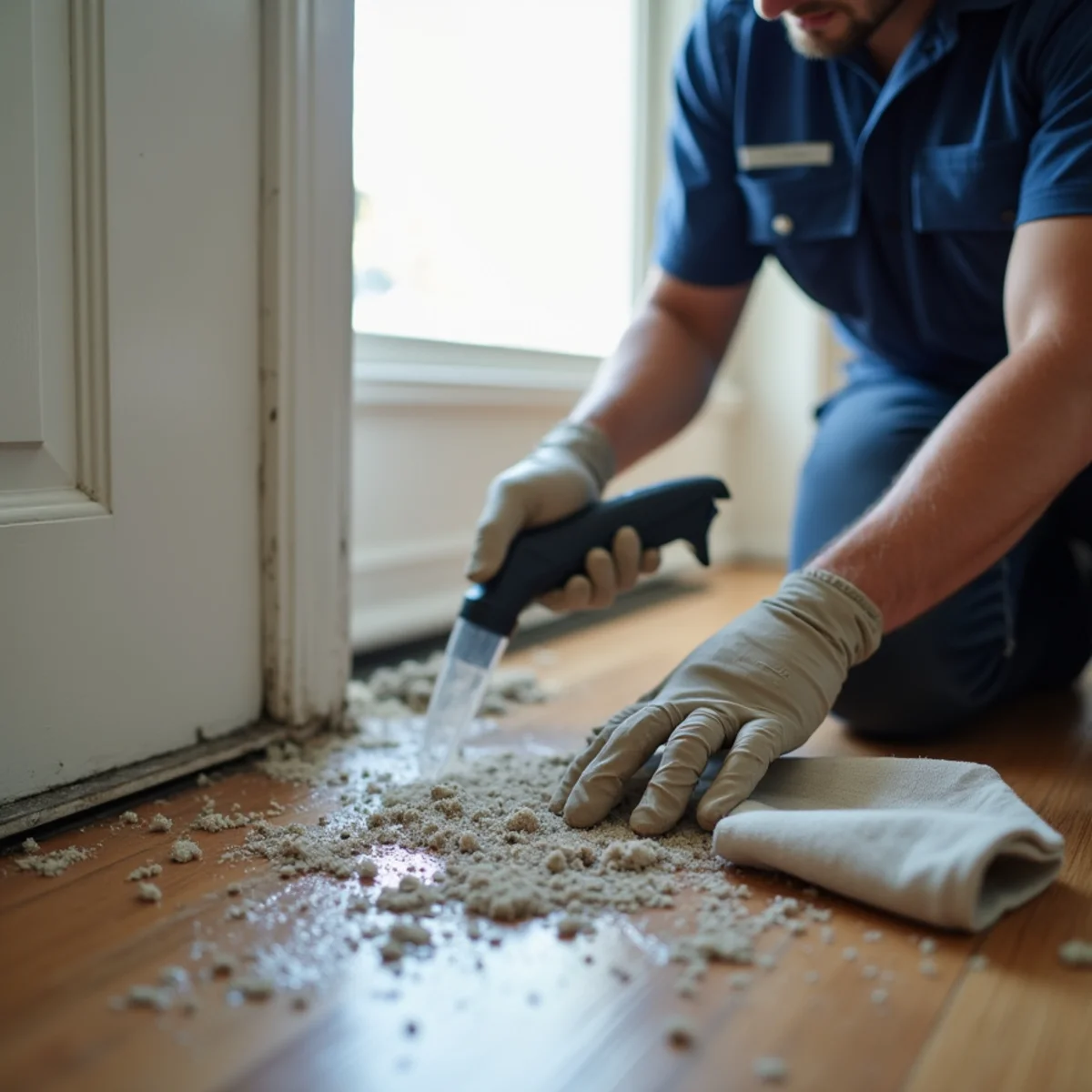
What goes into your estimate
Every water loss is different, so we never quote blind. After a free inspection we give you a clear, itemized estimate. These are the factors that move the price:
- The size of the property and how many distinct areas need to be inspected
- The number of air and surface samples collected and analyzed by the laboratory
- Whether hard-to-reach spaces like crawl spaces, attics, or wall cavities are part of the inspection
- The amount of moisture mapping required to trace hidden damp back to its source
- Whether the job is a general assessment or post-remediation verification with clearance sampling
- Lab turnaround time and the depth of reporting requested for a transaction, claim, or HOA matter
- Follow-up testing after a moisture source has been corrected and needs re-checking
- Access conditions — occupied rooms, stored contents, or tight crawl spaces that slow the inspection
Why Daly City trusts us for this
We test, and we can also fix
Because we're a full restoration company, our report doesn't stop at naming the problem — it explains the moisture driving the growth and what resolving it will take. You get the diagnosis and a realistic path forward from one team, instead of a lab sheet and a shrug.
We know how fog-belt mold behaves
Slow, hidden mold from persistent damp looks and hides differently than a post-flood outbreak. We know the Westlake closets, the garages that never fully dry, and the crawl spaces over Colma's high water table where it settles in — so we know where to point the meters.
Lab-backed, not eyeballed
We don't diagnose mold by looking at it, because color and appearance don't identify a species. Samples go to an accredited lab, so your report rests on identified genera and measured spore counts — the evidence a buyer, insurer, or doctor will actually want to see.
Clear reports you can hand to anyone
Our findings are written to be understood, not to impress. Whether the report goes to a real estate agent, an HOA board, an adjuster, or your own family, it says plainly what's there, where, how much, and what to do about it.
Related Services
Helpful Reading
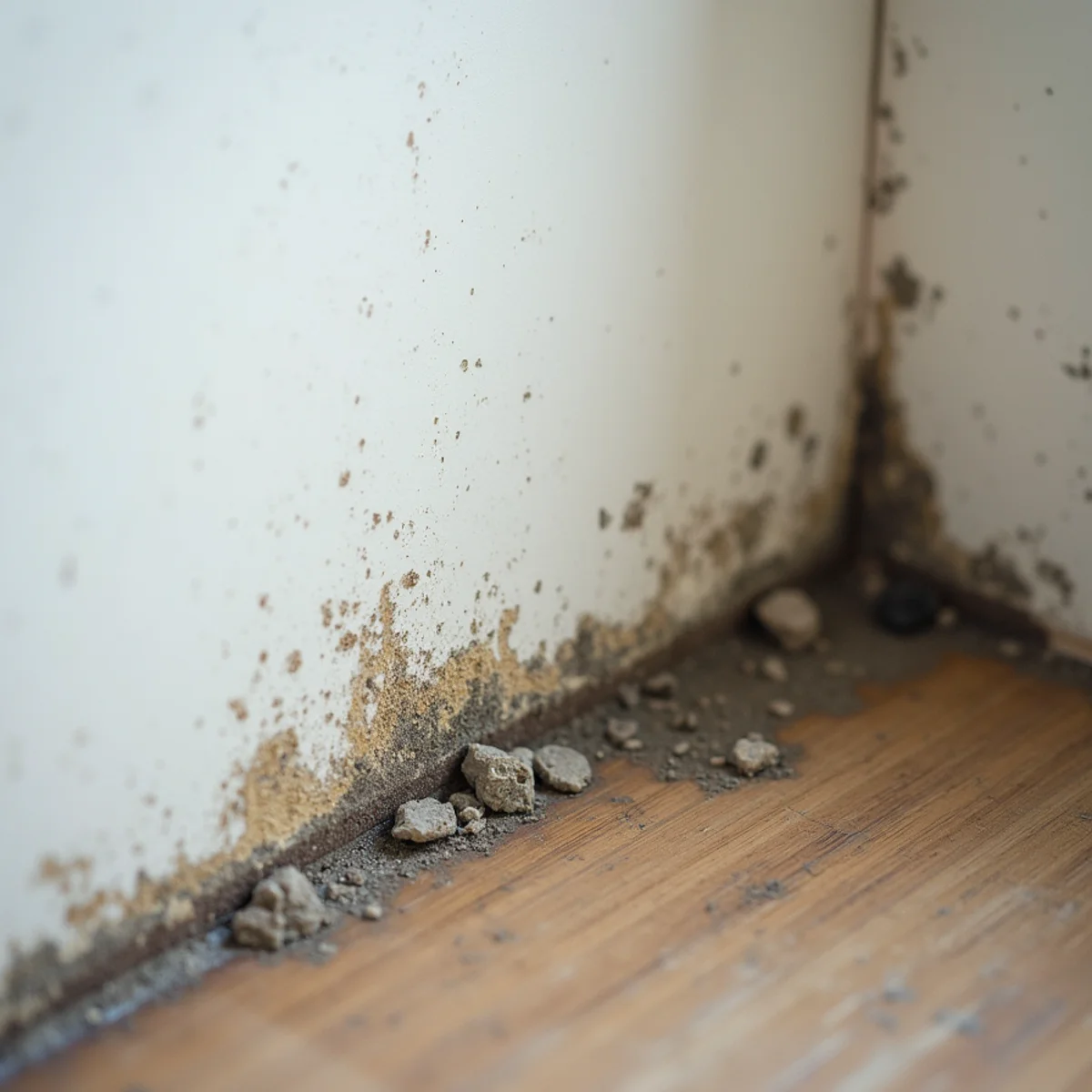
How Fast Does Mold Grow After Water Damage? The 24–48 Hour Rule
Mold doesn’t wait. In Daly City’s damp, foggy climate it can take hold in a day. Here’s the real timeline and how to beat it.
Read article
The “Fog Capital” Problem: How Daly City’s Fog Causes Hidden Moisture and Mold
The fog that defines Daly City also keeps homes damp enough to grow mold you never see. Here’s the local science.
Read articleMold Inspection across Daly City & the Peninsula
We provide mold inspection throughout Daly City’s neighborhoods and the surrounding Peninsula — from the fog-belt hills to the coast to the bay. Not sure if we reach you? Call (201) 277-9344 and ask.
Mold Inspection questions, answered
If you can see a small patch of surface mold, you know exactly what caused it, and the area is under about ten square feet, cleaning it yourself may be enough. Testing earns its keep in the harder cases: a musty smell with no visible growth, a health concern in the household, a real estate transaction, or a need to confirm the true extent behind a wall — the situations where guessing wrong is what gets expensive.
An air sample measures how many mold spores are floating in the air, compared against an outdoor baseline taken the same day, which helps reveal hidden growth you can't see. A surface sample — a swab or tape lift — identifies what a specific visible patch actually is. Together they answer two different questions, so we often run both to get a fuller picture than either gives alone.
The fog belt keeps humidity high all year, so materials in closets, garages, and crawl spaces stay damp long enough for mold to grow slowly and quietly. Unlike a burst pipe there's usually no obvious water event to warn you — the moisture is ambient and constant — so growth goes unnoticed until you smell it, see it break through a finish, or test for it. Older homes with aging galvanized pipes add slow hidden leaks on top of the ambient damp.
Lab analysis of a surface or air sample identifies the mold genera present, which can include Stachybotrys, the type most people mean by "black mold." That's the reliable way to know, because color alone doesn't identify a mold — plenty of dark growth isn't Stachybotrys, and some Stachybotrys doesn't look the way people expect. That gap between appearance and identity is exactly why we sample and test rather than judge by eye.
Post-remediation verification is a smart step, especially in a damp climate like ours where regrowth is a real risk. It confirms two things: that the cleanup cleared the growth, and that the moisture source was actually resolved. That gives you documented proof the work succeeded — useful for your own confidence, a future buyer, or a warranty claim — instead of taking it on faith that it's gone for good.
24/7 Emergency Response
Need mold inspection in Daly City? Call now.
Call now for a free inspection. A real person answers day or night, and we’re on-site in about 60 minutes.