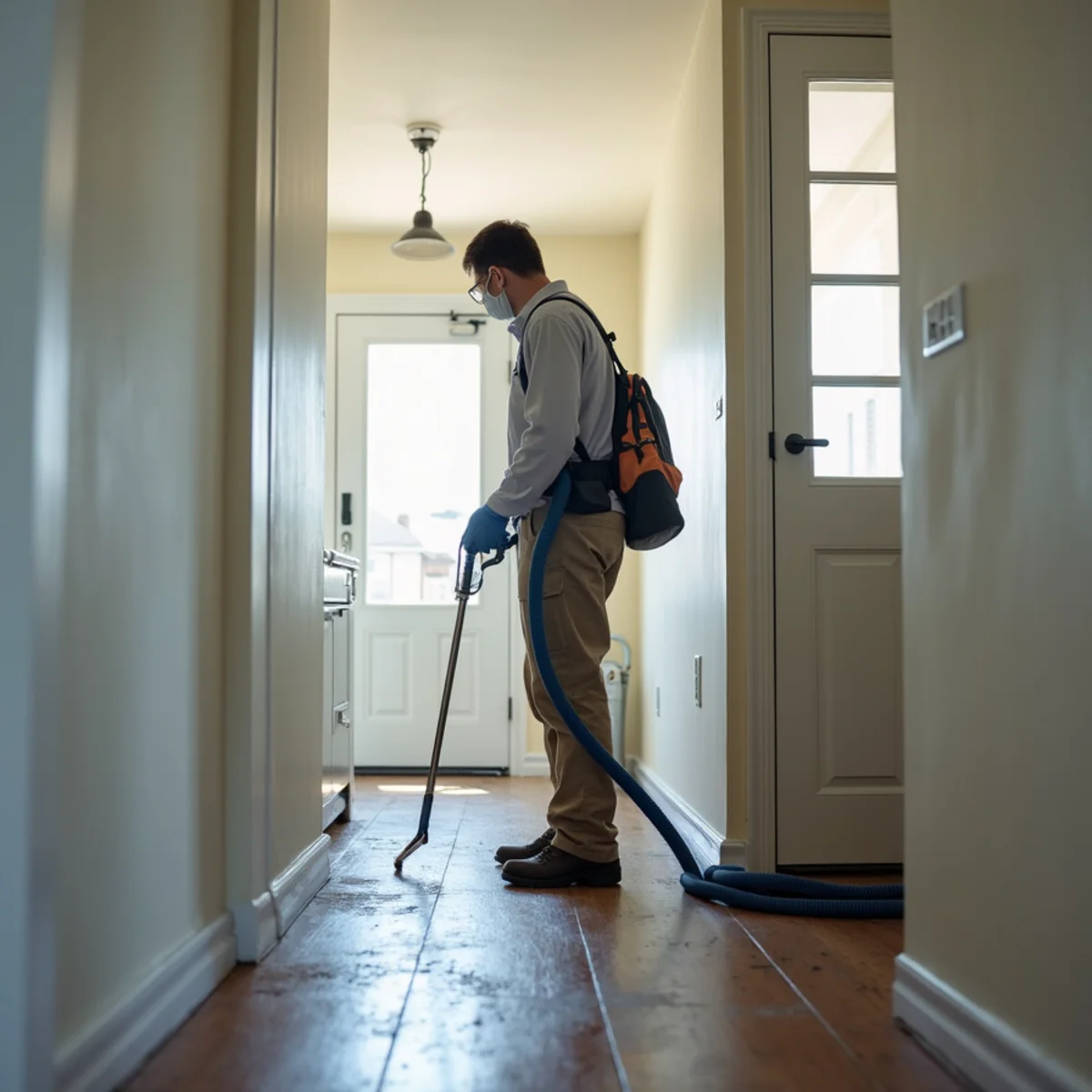
Sanitization & Disinfection in Daly City, CA
On-site in ~60 minutes Licensed & insured IICRC-certified
Get a Free Estimate
Use the form or call our 24-hour hotline at (201) 277-9344.
4.9 / 5 rating
Based on 127 reviews
- IICRC Certified
- Licensed, Bonded & Insured
- 24/7 Emergency Service
- On-Site in ~60 Min
Trusted Sanitization & Disinfection in Daly City
Sanitization & Disinfection from Water Damage Daly City is the step that makes a space genuinely safe after contaminated water — clean, dry, and disinfected with EPA-registered antimicrobials to the standard a Category 2 or 3 loss demands, not just dried. The water is gone and the floors are dry, so it feels like the crisis is over. But if that water was a toilet overflow, a sewer backup, or floodwater that ran in from outside, dry and clean are not the same thing.
Contaminated water can carry bacteria and other pathogens that stay behind on surfaces long after the moisture is gone. You can't see them, you can't smell all of them, and a household mop won't neutralize them — it mostly moves them around. The space looks fine and still isn't safe to live or cook in. This is the line between water removal and true restoration. The IICRC sorts water into three categories, and both Category 2 (gray) and Category 3 (black) leave contamination behind: sewage backups, outside floodwater, and long-standing stagnant water all fall here. Mold cleanups leave spores and residue on surrounding surfaces too. In Daly City we see this after storm flooding in low-lying Broadmoor and the flat Bayshore lots near the Cow Palace, after backups in older homes with sixty-year-old cast-iron drain lines that crack and clog, and any time contaminated water reaches the rooms where families cook, sleep, and put children on the floor.
We make the space safe again, not just dry. After the water is out and the structure is cleaned, we apply EPA-registered antimicrobials to the affected surfaces at the correct coverage and dwell time, working to the standard contaminated-water losses require. If you've had a sewage backup, a flood, or a mold problem and want the space genuinely disinfected rather than simply dried, call us at (201) 277-9344.
What’s included
- Determine the water category so contaminated Category 2 and 3 losses get the right level of treatment
- Remove porous materials too contaminated to be saved — pad, some drywall, insulation — and dispose of them safely
- Clean surfaces thoroughly first, because a disinfectant only works properly on a clean, non-greasy surface
- Apply EPA-registered antimicrobials rated for the specific contamination present
- HEPA-vacuum and treat salvageable structure and contents affected by the contamination
- Address odor at the same time, since biological contamination and smell almost always travel together
- Document the cleaning and disinfection process for your records, your insurer, and your own confidence
When to call for sanitization
Catching these early keeps a small problem from becoming a major one.
A sewage backup reached your living space
Water from a toilet or a sewer line is Category 3 and can carry bacteria and pathogens straight into the home. The affected area needs to be cleaned, unsalvageable porous materials removed, and everything disinfected — not just dried — before it's safe to use again.
Floodwater ran into your home from outside
Storm and ground floodwater picks up contaminants along the way — soil, road runoff, whatever it crossed — which is why it's treated as Category 3 regardless of how clear it looks. In the flood-prone low spots of Daly City, this is a common aftermath of a heavy atmospheric river.
You're cleaning up after a mold problem
Even after visible mold is removed, spores and residue can remain on surrounding surfaces and settle out of the air. Antimicrobial treatment of the affected area helps clear that residue so the space is left genuinely clean rather than just stripped of the obvious growth.
Clean water sat long enough to turn
Category classification isn't fixed — even a clean supply leak degrades toward gray and then black as it sits, feeds bacteria, and contacts building materials and soil. Water that ran for days before discovery often needs disinfection that a same-day clean leak would not.
The space touches food, children, or sleeping areas
Kitchens, nurseries, and bedrooms are the last places you want lingering contamination. When contaminated water reaches the rooms where you prepare food or where kids play on the floor, proper cleaning and disinfection isn't optional — it's the whole point.
How we handle sanitization
- 1
Classify the contamination
We identify the water category and what it likely carried — a gray-water appliance overflow is handled differently than black sewage or floodwater. The category sets everything that follows: how much comes out, what gets disinfected, and what level of protection the crew works under.
- 2
Remove what can't be saved
Porous materials soaked with contaminated water — carpet padding, saturated drywall, insulation — often can't be reliably disinfected all the way through, so we remove and dispose of them safely rather than risk sealing contamination inside a wall or floor to cause problems later.
- 3
Clean before you disinfect
Disinfectants don't work over dirt, grease, and organic residue, which shield the microorganisms underneath. So we clean the surfaces first, thoroughly. Skipping this step is the most common reason a rushed cleanup looks finished but doesn't actually leave a space safe.
- 4
Apply EPA-registered antimicrobials
We treat the affected structure and salvageable contents with EPA-registered products rated for the contamination present, applied at the coverage and dwell time the label requires to do their job. The right product used the right way is what turns a clean surface into a disinfected one.
- 5
Verify, deodorize, and document
We confirm the area is clean, dry, and treated, address any lingering biological odor at its source, and document the whole process. You get a record of exactly what was done — which matters for your family's confidence and for a clean insurance claim.
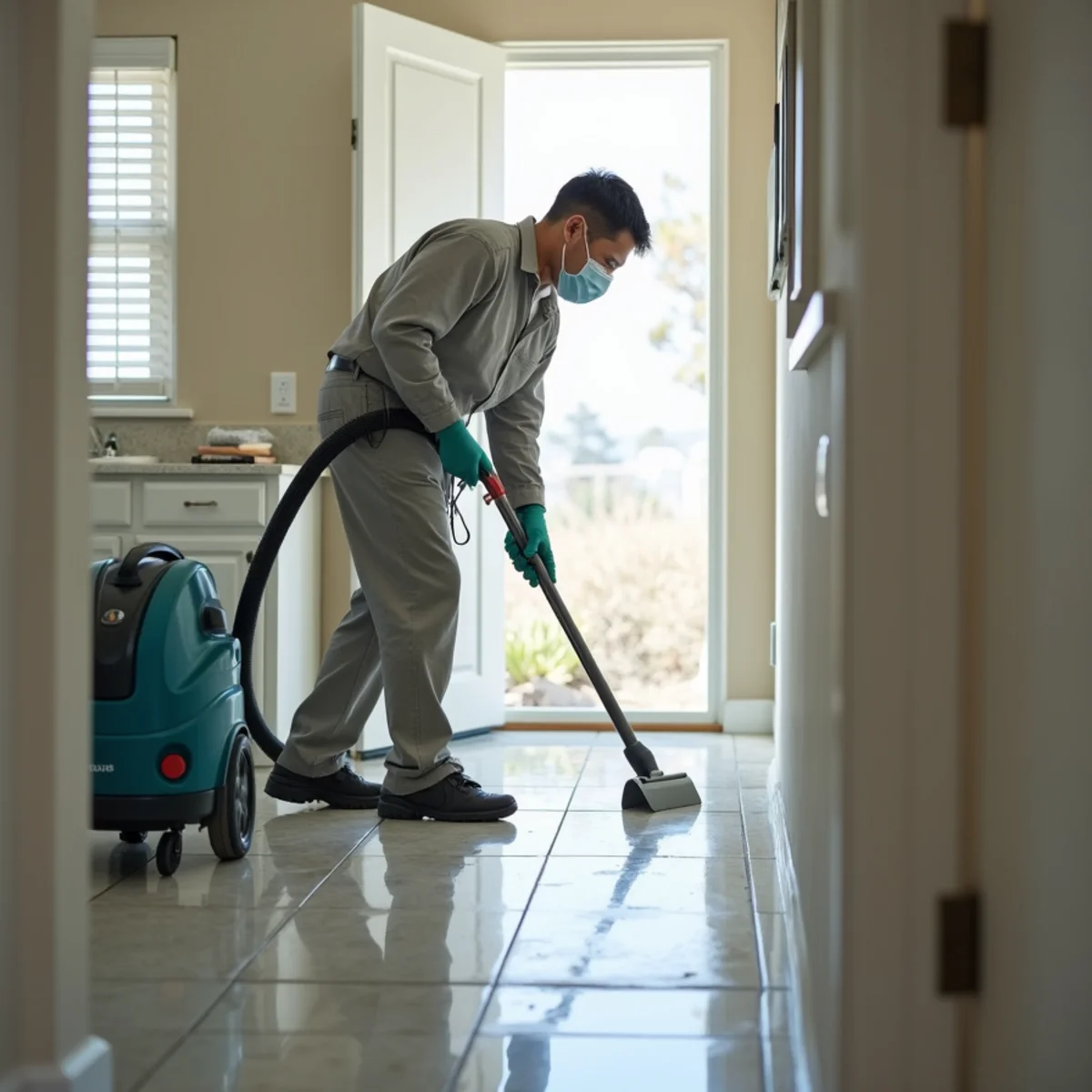
What goes into your estimate
Every water loss is different, so we never quote blind. After a free inspection we give you a clear, itemized estimate. These are the factors that move the price:
- The category of water and the level of contamination present
- The size of the affected area and how many rooms or surfaces need treatment
- How much porous material must be removed and disposed of versus cleaned and treated in place
- The type and quantity of EPA-registered antimicrobial products the job requires
- Whether contents and belongings need individual cleaning and treatment
- Any odor treatment needed alongside the disinfection
- Documentation and any verification requested for insurance or the property owner
- Access and protection needed to keep contamination out of unaffected areas during the work
Why Daly City trusts us for this
We know clean and safe aren't the same
A dried, tidy-looking room can still carry contamination from Category 3 water on surfaces you'd never suspect. We treat the losses that need it to a standard that makes the space genuinely safe to live and cook in, not merely presentable to the eye.
The right products, used the right way
We use EPA-registered antimicrobials matched to the contamination, applied after proper cleaning and held for the correct dwell time. The product on the label matters, but so does the method behind it — and skipping the cleaning or rushing the dwell time is how disinfection quietly fails.
One team from water to sanitized
Because we handle the extraction, drying, and disinfection together, nothing falls through the cracks between separate contractors. The crew that pumped out the water is the one that dries the structure and makes the space safe, so the whole loss stays on one accountable set of hands.
Measured, honest guidance
Contaminated water can carry bacteria and pathogens, and we take that seriously without overstating the danger to sell more work. We tell you plainly what a Category 2 or 3 loss actually requires, why each step matters, and where a clean-water loss wouldn't need this at all.
Related Services
Helpful Reading
Sewage Backup in Your Home: Safety Steps You Must Take Immediately
Sewage water carries bacteria and viruses. Before you touch anything, read these safety steps.
Read article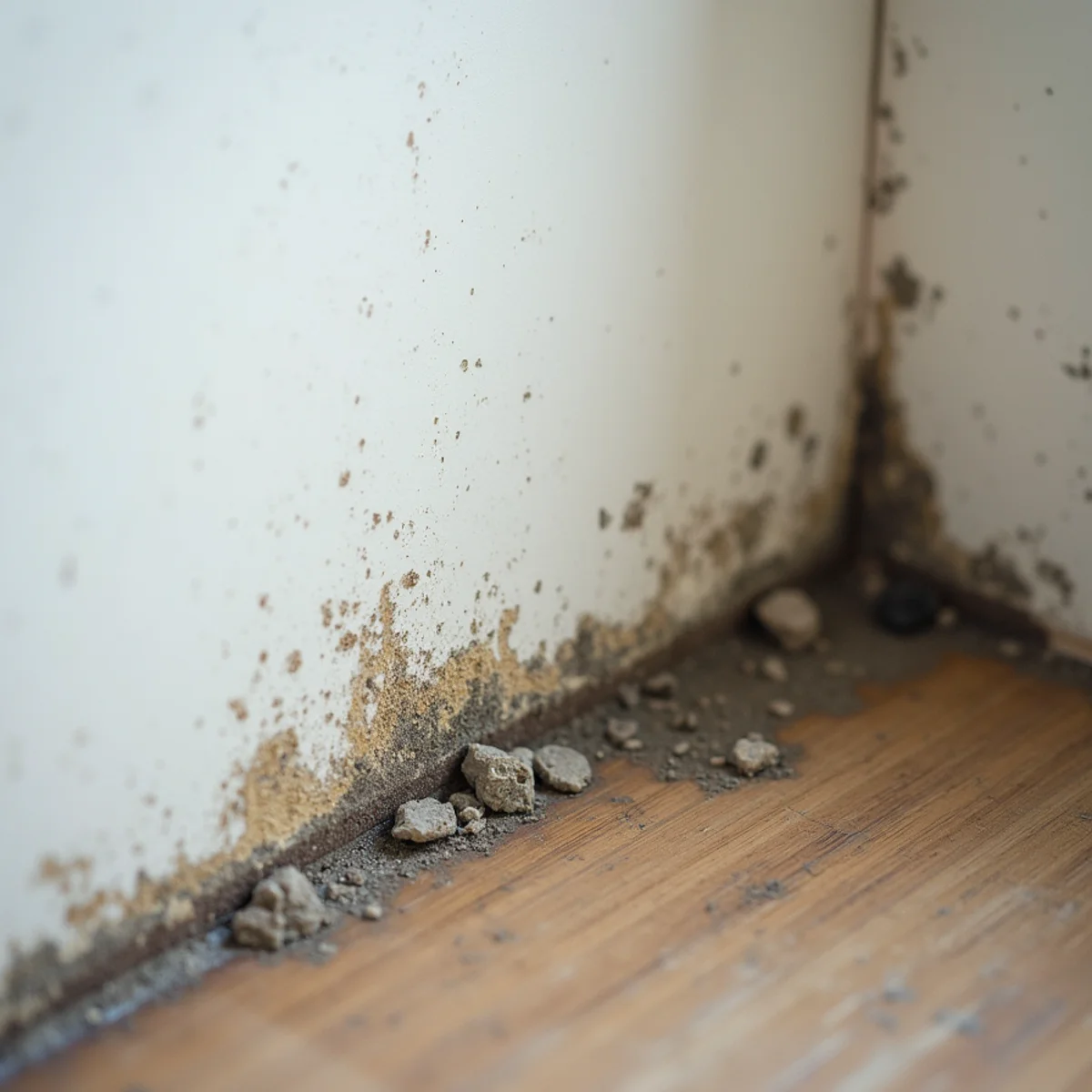
How Fast Does Mold Grow After Water Damage? The 24–48 Hour Rule
Mold doesn’t wait. In Daly City’s damp, foggy climate it can take hold in a day. Here’s the real timeline and how to beat it.
Read articleSanitization across Daly City & the Peninsula
We provide sanitization throughout Daly City’s neighborhoods and the surrounding Peninsula — from the fog-belt hills to the coast to the bay. Not sure if we reach you? Call (201) 277-9344 and ask.
Sanitization questions, answered
Not after contaminated water. Drying removes moisture, but Category 2 and 3 water — from sewage backups, outside flooding, or water that sat long enough to grow contamination — can leave bacteria and pathogens on surfaces even once everything feels dry. Those need to be cleaned and then disinfected, which is a separate step from drying. A space can be bone dry and still not be safe to prepare food in or let a child play on.
It means the disinfecting product has been reviewed and registered with the Environmental Protection Agency for its intended use against microorganisms, with tested directions for how to apply it. We select products rated for the specific contamination present and apply them at the coverage and dwell time the label requires, because a disinfectant that's wiped off too soon or spread too thin doesn't actually do what it's rated to do.
Clean-water losses — a fresh supply-line leak caught quickly, for example — usually just need extraction and drying. Disinfection comes into play with contaminated water: sewage backups, outside floodwater, or clean water that sat long enough to degrade toward gray or black, as well as after a mold cleanup. The water category is the deciding factor, and when there's doubt about how long it sat or what it touched, we treat it as the more contaminated case.
Yes, and it's exactly the kind of job that needs it. Backups in homes with aging cast-iron drain lines are Category 3, so we remove the unsalvageable porous materials, clean the affected area thoroughly, and then apply EPA-registered antimicrobials at proper dwell time before the space goes back into use. We document the whole process for your records and your claim, so you have proof the space was made safe, not just cleared of water.
Biological contamination and odor usually go hand in hand, so removing the source material and disinfecting the area resolves much of the smell on its own — the odor was coming off the contamination we just took out. Where a smell still lingers in porous surfaces, we address it directly with targeted deodorizing as part of finishing the job, rather than leaving you to mask it afterward.
24/7 Emergency Response
Need sanitization in Daly City? Call now.
Call now for a free inspection. A real person answers day or night, and we’re on-site in about 60 minutes.