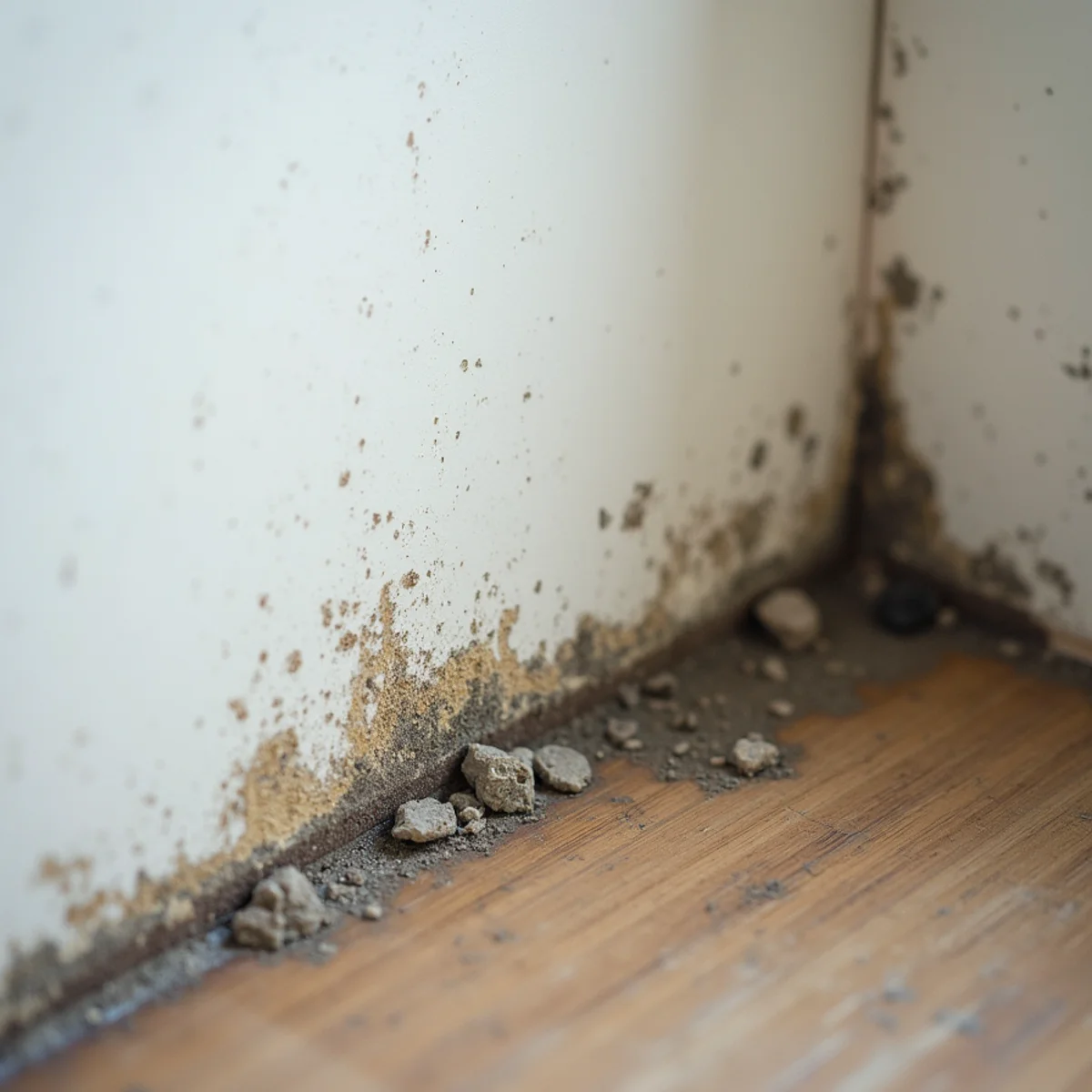
The fog that defines Daly City also keeps homes damp enough to grow mold you never see. Here’s the local science.
Yes — Daly City's fog can grow mold in a home that never flooded. Mold needs moisture and a food source, not a burst pipe. The fog belt keeps outdoor humidity high and surfaces cool for weeks at a time, so wall cavities, closets, garages, and crawl spaces stay damp enough, long enough, for mold to take hold quietly and out of sight.
Daly City earns its "Fog Capital" nickname honestly. While inland towns bake in summer sun, the marine layer pours over the ridge from Westlake to St. Francis Heights and settles on the neighborhoods for days. It's part of what makes living here comfortable. It's also, quietly, what makes local homes prone to a moisture problem most owners never see coming.
The homes that develop hidden mold here usually never had a burst pipe or an obvious leak. They just stayed a little too humid for a little too long, in the spots where air doesn't move and surfaces don't warm up. Understanding how that happens — the physics of it — is the best defense you have, and it costs nothing but attention.
Why the fog belt keeps homes damp year-round
Persistent fog and cool coastal air hold outdoor humidity high and temperatures mild, which means the surfaces in and around your home rarely get the warm, dry stretch they need to release the moisture they've absorbed. Salt-laden marine air adds to the load. Unlike a hot inland climate where summer bakes a structure out, the fog belt gives materials very little chance to dry. And building materials are hygroscopic — drywall, wood framing, and cellulose insulation pull water vapor straight out of humid air and hold it — so a wall that soaks up dampness in July may never fully dry before the next foggy week rolls in. Mold becomes active in the range above roughly 60 percent relative humidity at the surface, and it needs only 24 to 48 hours of favorable conditions to start. Over months, a wall cavity or a closet that sits in that range becomes a slow, steady colony you can't see.
Condensation: how outside fog becomes inside moisture
You don't have to leave a window open for the fog to get inside. Warm, moist indoor air — from showers, cooking, laundry, houseplants, even sleeping bodies — meets the cool surfaces of exterior walls, single-pane glass, and uninsulated garage ceilings and condenses into liquid water right there on the surface, wherever the surface temperature drops below the dew point. It's the same physics as a cold drink sweating on a warm day, just happening on the inside face of your walls where you never look. North-facing walls, which get almost no direct sun in Daly City, stay the coolest surfaces in the house and collect the most. Repeat that every day for a season, in a home that never fully dries, and you've laid down steady water and food for mold behind the drywall — no leak required.
Where hidden mold forms in a Daly City home
It shows up where two things overlap: the least airflow and the biggest temperature difference between indoor air and a cold surface. Across the fog belt, these are the spots we find it again and again:
- Garages — usually uninsulated, often north-facing, and packed with stored boxes, with damp air trapped against cold concrete and the back of the drywall.
- Crawl spaces and under-floor areas, where ground moisture rises and poor ventilation leaves it nowhere to go, condensing on the underside of the subfloor.
- Closets on exterior walls, especially north-facing ones stuffed with clothing that blocks what little air movement there is.
- Behind furniture pushed tight against an outside wall, where the surface stays cool and air simply can't circulate.
- Around single-pane windows and their sills and framing, where condensation collects and drips daily.
- Bathrooms and laundry areas without a working, outside-vented exhaust fan — including dryers vented into the garage instead of outdoors.
Staying ahead of it
Most fog-belt moisture problems are managed with habits, not renovations. The goal is simple and physical: move air, and lower indoor humidity so surfaces stay above the dew point.
- Run bathroom and kitchen exhaust fans during and for 20 to 30 minutes after showers and cooking, and confirm your dryer vents all the way outside, not into the garage.
- Leave a couple of inches between furniture and exterior walls so air can circulate against the cool surface.
- Run a dehumidifier in the dampest rooms and the garage through long foggy stretches, aiming to hold indoor humidity in the 40s — an inexpensive hygrometer tells you where you actually stand.
- Keep closet doors cracked, don't overpack them, and leave clothing off the exterior wall.
- Check crawl spaces, under sinks, and behind stored boxes a few times a year for damp, a musty smell, or the first faint discoloration.
- Fix small leaks the week you find them — a dripping trap or a slow window leak is all the fog belt needs to turn a damp spot into a colony.
When it becomes professional territory
Surface condensation you can wipe away and a well-ventilated bathroom are homeowner territory. But once growth is inside a wall cavity, under the flooring, or spread across more than a small patch, cleaning it yourself tends to aerosolize spores and miss the moisture source that started it — so it comes back. The IICRC S520 guideline is a useful line: growth beyond roughly ten square feet, or anything fed by a hidden moisture source, calls for containment and controlled removal rather than a spray bottle. If you can see mold larger than a foot or two, smell it without finding it, or you've had a leak that stayed wet, it's time for professional mold removal and remediation done under negative-air containment with HEPA scrubbers. The lasting fix is always moisture control, which is why we pair remediation with real structural drying and dehumidification and, where water intrusion is involved, full water damage restoration. Hillside homes in St. Francis Heights and the classic tract houses of Westlake show this exact pattern constantly.
The fog is part of what makes Daly City home, and it doesn't have to cost you your walls. Move air, hold humidity down, and act on the first musty smell instead of the third. If you suspect mold has already taken hold behind a wall or under a floor, don't wait for it to spread — call Water Damage Daly City at (201) 277-9344 for a free inspection with thermal-imaging cameras and moisture meters that find the damp the eye can't.
Frequently asked questions
Yes. Mold needs moisture and a food source, not necessarily standing water. Persistent high outdoor humidity and daily condensation on cool surfaces, in a home that never fully dries between foggy stretches, can keep wall cavities, closets, garages, and crawl spaces damp enough for growth with no visible leak anywhere — it's the most common way we find hidden mold in the fog belt.
North-facing walls in Daly City get almost no direct sun, so they stay the coolest surfaces in the house year-round. Warm, moist indoor air condenses on them most readily — the cold surface drops below the dew point first — and once wet, those walls take the longest to dry back out. Cool plus slow-drying is exactly the combination mold favors.
A small amount of surface mold on a sill can usually be cleaned, and it's a clear signal to cut the condensation collecting there. The real concern is what it points to: if that much moisture is gathering on the surface every day, check the wall below the window, the adjacent closet, and the corners, because the same conditions are at work where you can't see them.
It does, especially in enclosed damp spaces like garages, closets, and crawl-space-adjacent rooms where air doesn't move. Pulling indoor humidity down into the 40s keeps surfaces above the point where mold can grow, and paired with better airflow it's one of the most effective habits you can keep in the fog belt. A cheap hygrometer lets you see whether it's working.