A puddle under the water heater can be a loose fitting or a tank on its way out. Here is how to make it safe, find the source, and protect the garage or closet around it.
If your water heater is leaking, turn off its power or gas, close the cold-water supply valve on top of the tank, and keep away from the hot water and the relief valve outlet. A leak from a valve or fitting can often be repaired; water coming from the tank itself, usually from the bottom, almost always means the tank has corroded through and needs to be replaced.
A water heater holds a large volume of very hot water under supply pressure, so a leak is both a plumbing problem and a water damage problem. A plumber fixes or replaces the heater. The water already on the floor, in the drywall and under the flooring is a separate job, and that is what water heater leak cleanup covers.
Is a Leaking Water Heater an Emergency?
Treat it as one if water is spreading across the floor, the leak is coming from the tank body, water is reaching electrical outlets or the burner area of a gas unit, or the heater sits in a closet over wood flooring or next to living space. A slow drip from the drain valve or a fitting is less urgent but still needs attention within a day or two, because slow leaks soak drywall and subfloor quietly. If you smell gas at any point, leave the house and call PG&E or 911 from outside.
What to Do Right Now
- Cut the energy. For an electric heater, switch off its breaker at the panel. For a gas heater, turn the gas control knob to OFF (or to PILOT on older units) and close the gas shutoff on the supply line if you can reach it safely.
- Shut off the cold-water supply. Close the valve on the cold inlet pipe at the top of the tank. If it will not turn or there is no valve, close the main shutoff to the house.
- Protect yourself from scalding. Water in the tank and the discharge from the relief valve can be hot enough to burn. Keep hands and faces away from the relief valve outlet and give the tank time to cool before touching fittings.
- Move things out of the water. Lift boxes, tools and stored items off the garage or closet floor and pull back any rugs.
- Drain the tank if the leak is from the tank or is heavy. Attach a garden hose to the drain valve at the bottom, run it to a floor drain or outside to a point lower than the valve, open a hot-water tap in the house to let air in, then open the drain valve. Let the water cool first.
- Photograph the heater, its label, the leak point and the surrounding damage before cleanup. The label shows the model and manufacture date, which matters for warranty and insurance.
Where Is the Leak Coming From?
Dry the area with towels, wait a few minutes, and look for where fresh water appears first. A leak that seems to come from the bottom often starts higher up and runs down the side of the tank or along the jacket.
Temperature and pressure relief valve
The T&P valve sits on the top or upper side of the tank with a discharge pipe running down toward the floor. Water from the end of that pipe means the valve is opening, either because the tank is overheating or over-pressurized (a thermostat set too high, or high or fluctuating supply pressure with no expansion tank) or because the valve itself is worn and no longer seats. Both need a plumber: one is a repair to the system, the other a valve replacement.
Drain valve
The drain valve near the bottom of the tank can drip if it was not fully closed after a flush, if sediment is holding it open, or if a plastic valve has cracked. A drip from the valve outlet or around its threads is usually a valve repair or replacement, not a new heater.
Supply connections at the top
The hot and cold connections, dielectric unions and flexible connectors on top of the tank corrode and loosen over time, especially where copper meets galvanized steel in older houses. Water from here runs down the tank and pools at the base, looking like a bottom leak.
Condensation
A gas heater refilled with cold water can form condensation inside the combustion chamber, which drips and sizzles on the burner until the tank warms. That should stop within a few hours. If water keeps appearing after the tank is up to temperature, it is a leak.
The tank itself
Water seeping from under the jacket, out of the burner access area, or from a rusted seam at the base, with no valve or fitting leaking above, means the inner tank has corroded through. Tanks cannot be patched. This is a replacement, and the tank should be drained to stop further leaking until then.
| Where the water appears | Likely cause | Typical fix |
|---|---|---|
| End of the relief valve discharge pipe | Overheating, high pressure, or a worn T&P valve | Plumber diagnoses pressure and replaces valve if needed |
| Drain valve at the bottom | Valve not closed, sediment, cracked valve | Tighten or replace the drain valve |
| Top of the tank, running down the side | Loose or corroded supply fittings | Replace connectors or unions |
| Under the tank, no source above | Corroded inner tank | Replace the water heater |
| Inside burner area right after refilling | Condensation | Usually stops once the tank is hot |
Signs a Tank Is Near the End
Tank leaks rarely come without warning. Rust-colored hot water, rust or scale streaks on the outside of the jacket, popping or rumbling as the burner runs (sediment boiling under a layer of buildup), damp concrete or a ring of rust under the base, and a manufacture date on the label well into the tank's warranty period or past it all point to a heater that should be replaced on your schedule rather than at two in the morning. If you see those signs, have a plumber look before the bottom gives way.
Garage and Closet Water Heaters: Where the Damage Goes
In many Daly City homes, especially the Doelger-era houses with living space over a street-level garage, the water heater stands in the garage. On a concrete floor that sounds harmless, but water runs to the lowest point, wicks up the bottom of the garage drywall, soaks stored boxes, and can flow under the wall into a ground-level in-law unit or laundry room. Those finished rooms get carpet, pad and baseboard damage that garage flood cleanup has to address alongside the garage itself.
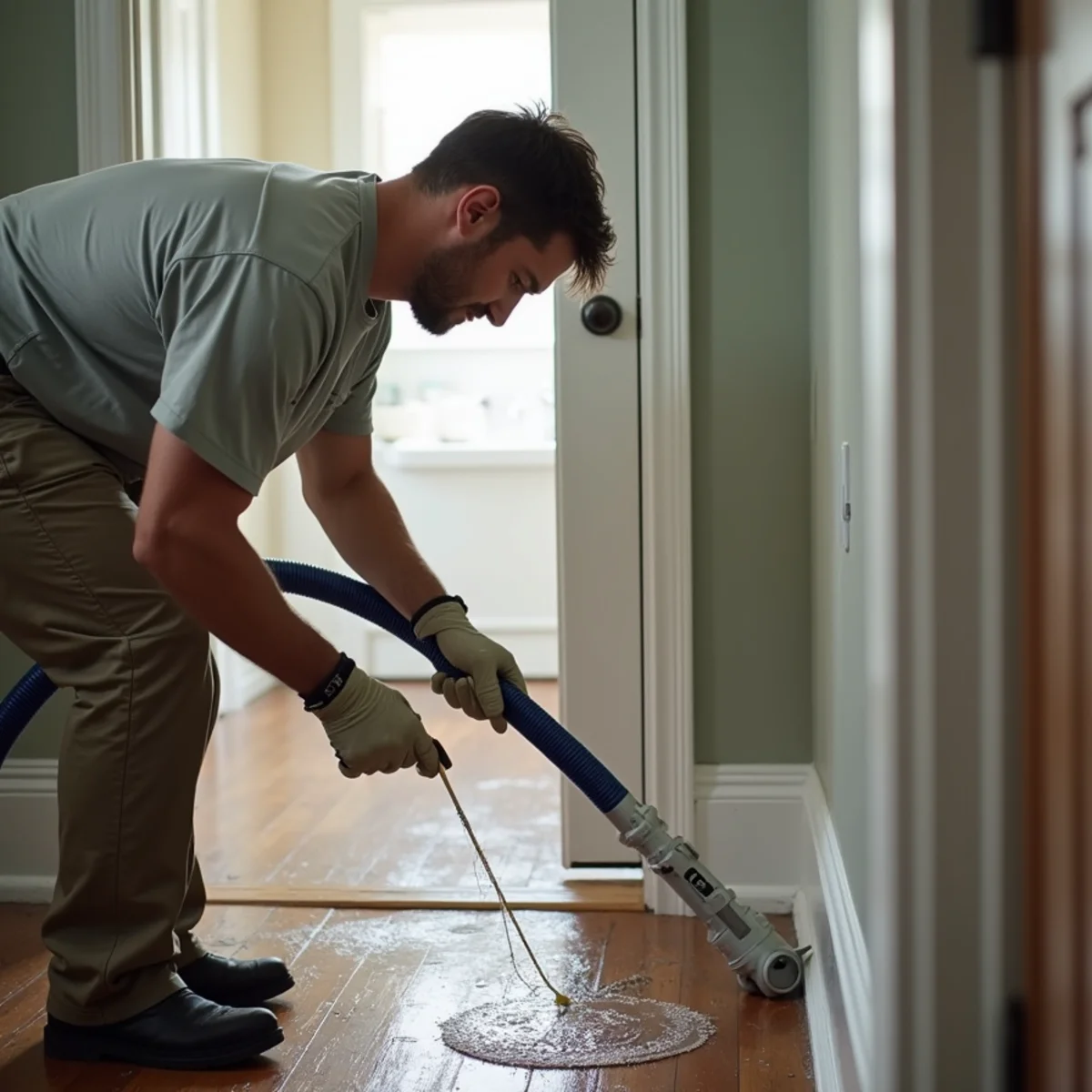
Heaters in an interior closet or under stairs are a bigger concern. They often sit on a wood subfloor, and a slow tank leak can rot the subfloor and soak the hardwood, carpet or vinyl in the hallway before anyone sees water. A drain pan piped to a drain and a simple battery leak alarm beside the tank are inexpensive protection for these locations.
California Requires Water Heaters to Be Strapped
Under California Health and Safety Code section 19211, new and replacement water heaters, and all existing residential water heaters, must be braced, anchored or strapped to resist falling or shifting in an earthquake. The same section requires sellers to certify compliance to buyers. On the Peninsula, with the San Andreas Fault running along the coast, this matters: an unstrapped tank that tips can break its gas and water connections, turning a quake into a flood or a fire risk. If you are replacing a leaking heater, make sure the new one is strapped, and while you are there, check that the straps on any existing tank are tight and intact.
Plumber or Restoration Company: Who Does What
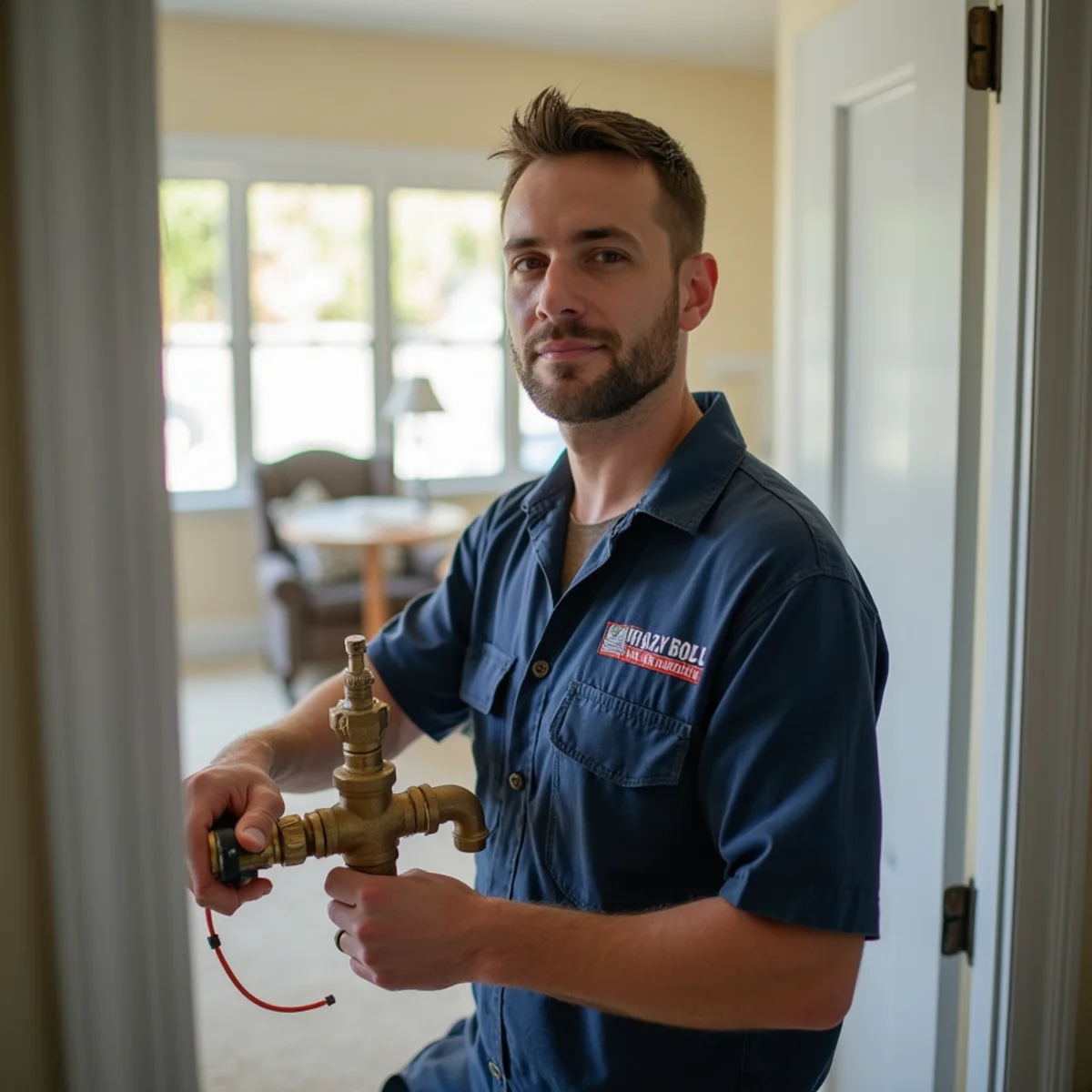
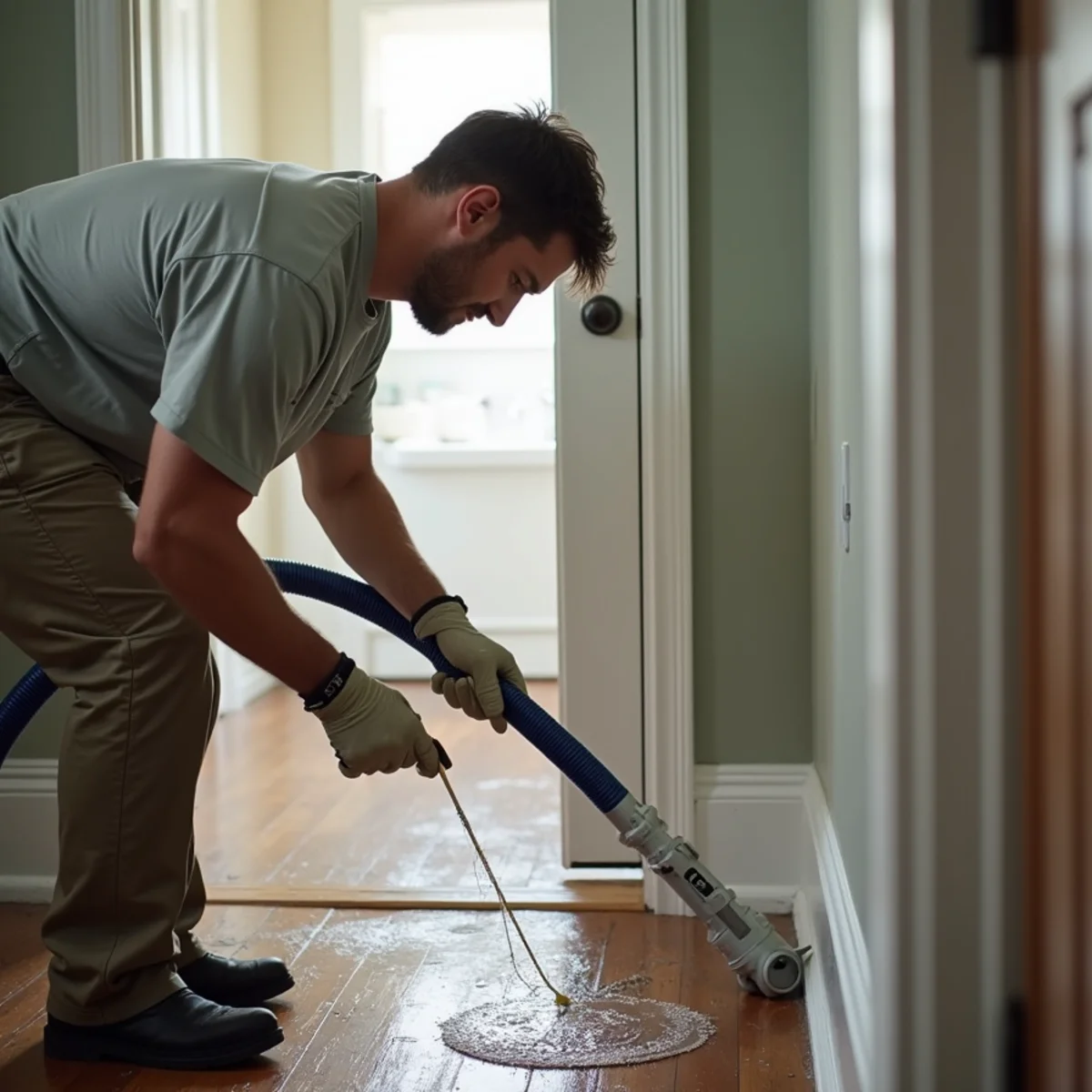
The plumber stops the leak and repairs or replaces the heater, including the T&P valve, connections and strapping. A restoration company handles what the water did to the building: extracting standing water, metering the drywall, baseboards, subfloor and wall framing, removing what cannot be dried, and running drying equipment until readings are back to normal. On a big leak both are needed, often the same day. Our guide on who to call first when your home floods explains the order, the burst pipe emergency steps cover shutoffs and documentation that apply here too, and how long water damage takes to dry sets expectations for the drying phase.
When It Needs a Professional Drying Crew
- Water reached drywall, baseboards or a finished room next to the garage or closet.
- The heater sits on a wood subfloor or near carpet or hardwood.
- The leak ran for an unknown length of time before you found it.
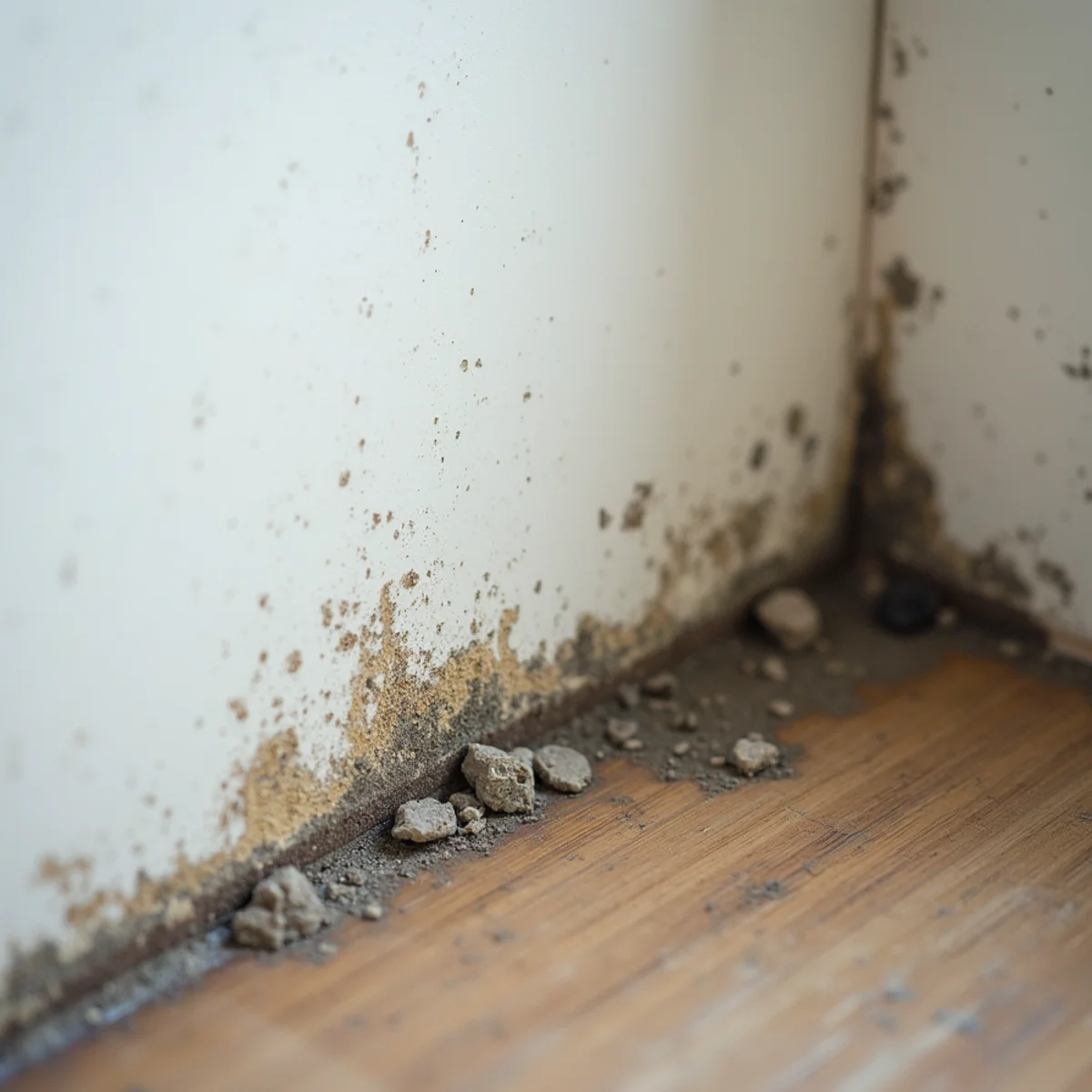
- There is a musty smell or staining at the bottom of nearby walls.
- You need moisture readings and photos to support an insurance claim.
Water heater leaked into the garage or a closet? Call (201) 277-9344 for a free inspection. We will extract the water, check the drywall and subfloor with a meter, and dry what can be saved while your plumber deals with the heater.
Frequently asked questions
If the leak is a slow drip from the drain valve or a fitting and the area is safe, some people run the heater briefly until the plumber arrives, but it is not recommended. If the leak is from the tank, the relief valve is discharging, or water is near the burner or wiring, keep the heater off and the cold supply closed. Leaving a corroded tank pressurized invites a larger release, and running it while water pools around it adds electrical and burn risks.
Look at the rating label on the side of the tank. Many manufacturers encode the manufacture date in the serial number, often as a letter or digits for the month followed by the year, and the manufacturer's website explains its format. Age matters because a tank leaking from the bottom late in its life is rarely worth repairing, while a newer unit may still be under the manufacturer's tank warranty. Photograph the label before the heater is removed.
Policies usually treat the heater and the damage separately. Replacing a worn-out tank is generally considered maintenance and is not covered, but sudden water damage to drywall, flooring and belongings from a failure is often covered. Damage from a slow leak that went on for a long time may be excluded. Report the loss promptly, keep the photos and the failed parts if the plumber can set them aside, and see our guide to [filing a water damage insurance claim](/blog/how-to-file-water-damage-insurance-claim/).
For any heater above a finished floor, such as an interior closet, attic or upstairs laundry, a drain pan piped to a drain is a worthwhile safeguard, and local codes may require one in those locations. A pan without a drain only holds a small amount. A battery leak alarm on the floor beside the tank costs little and can alert you to a slow leak before it reaches the subfloor. Smart shutoff valves that close the supply automatically when they sense water add another layer.