The minutes after a pipe bursts are the ones that count. Do these seven things while help is on the way.
When a pipe bursts, do four things fast and in order: shut the water off at the main, kill power to any wet area at the breaker, move valuables clear of the water, and call a certified restoration crew. Everything else waits. Those first minutes decide whether you dry one room or rebuild several.
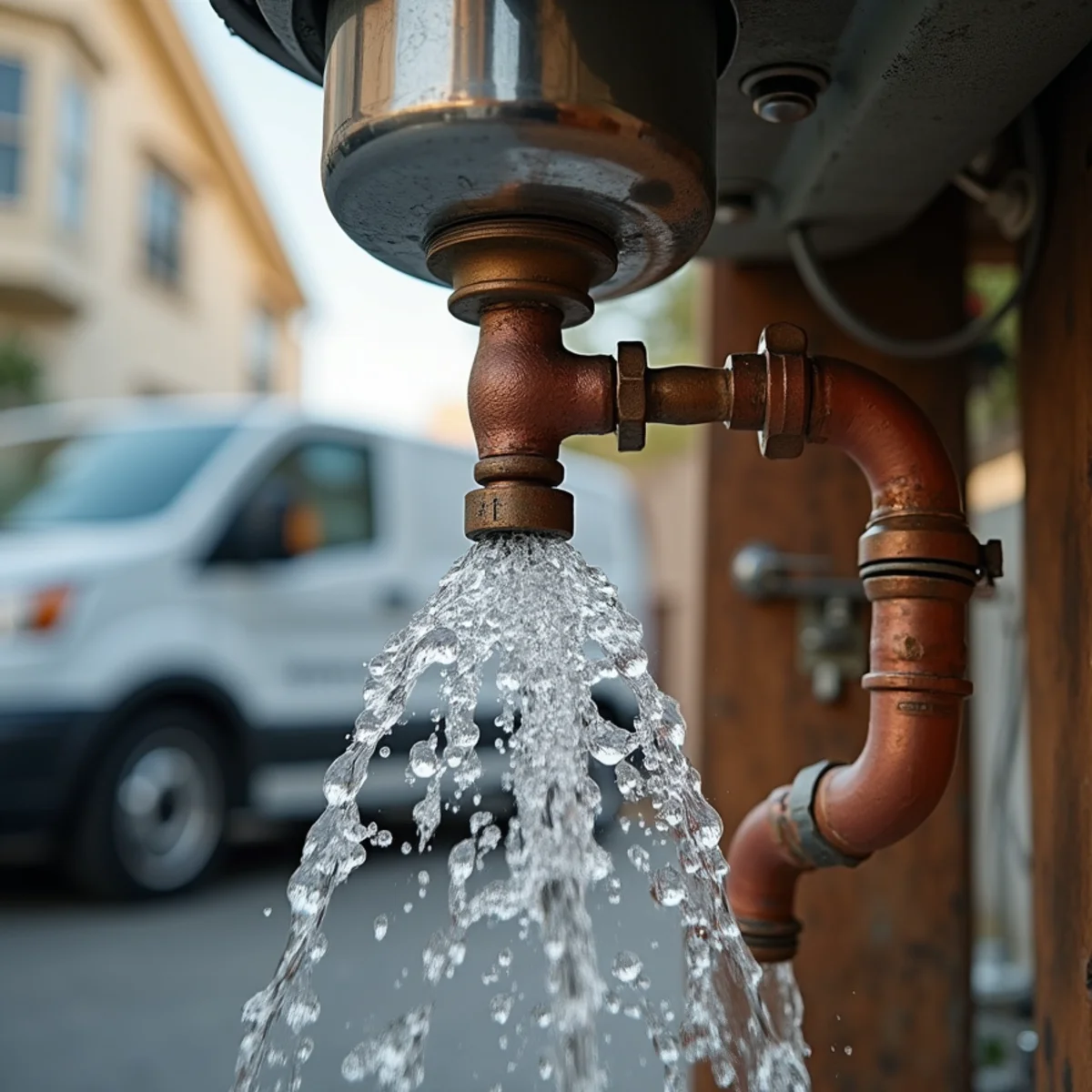
A burst pipe doesn't wait for a convenient hour. It lets go at 2 a.m., or while you're at work, and by the time anyone notices, water has already found the lowest point in the house — under the flooring, down inside the wall cavities, into the ceiling below. In an older Daly City home on original galvanized supply lines, a half-inch pipe under normal street pressure can push out several gallons a minute, hundreds of gallons before you get the water off.
Here's the part that should steady you. Most of the loss from a burst pipe happens in the first hour, and most of it is preventable if you act in the right sequence. The steps that matter most take no tools and no training — you need to know where your main shut-off is and stay calm enough to reach it. This is exactly what to do while a crew is on the way.
Step 1: Shut off the water at the main
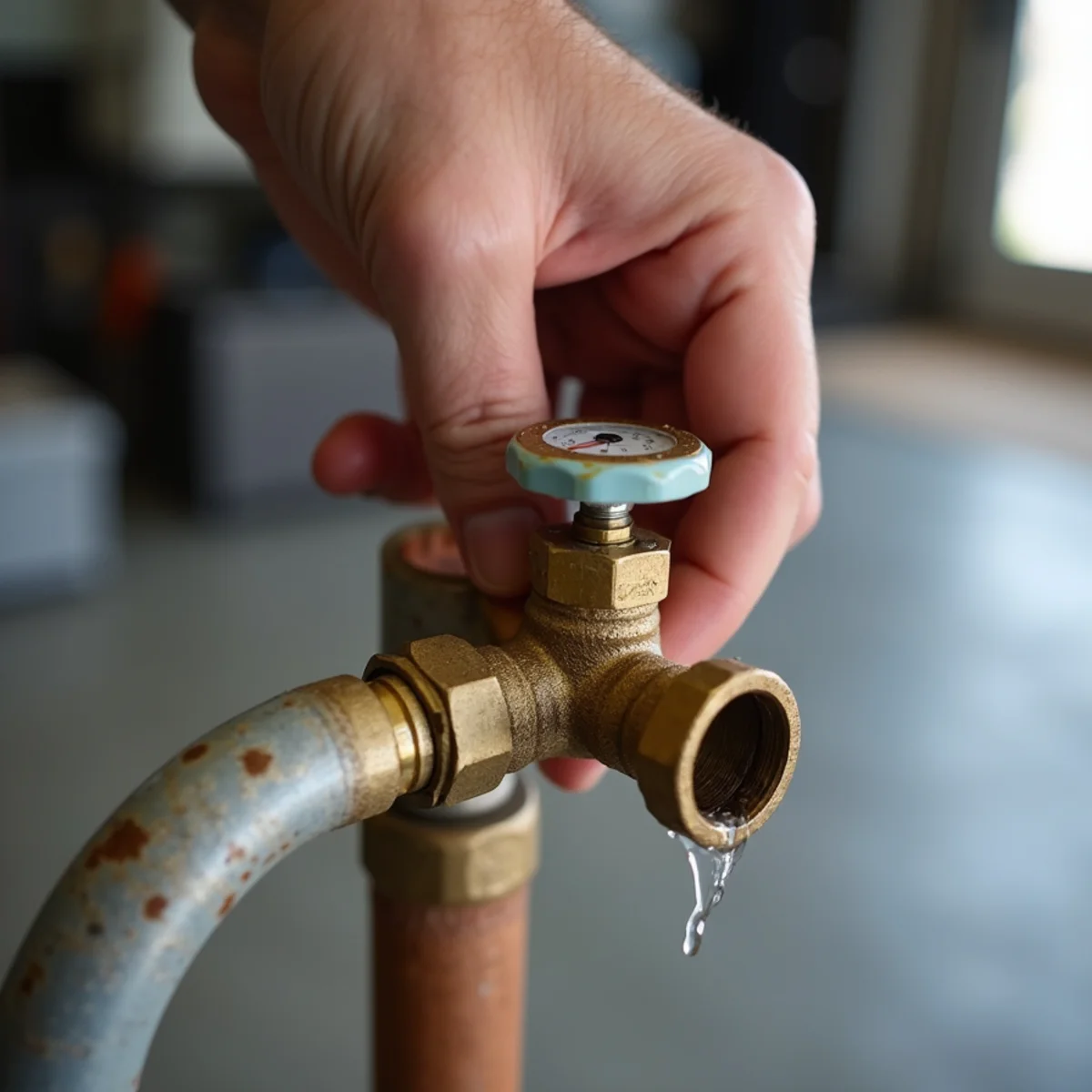
Everything starts here. Until the water stops, nothing else you do keeps up with it. Your main shut-off is usually where the service line enters the house — in the garage along the front wall, in a utility closet, or in a below-grade meter box near the sidewalk. Turn the valve clockwise until it stops; a round handle may take several full turns, a lever-style valve a quarter turn. If it's old and seized, use both hands and steady pressure rather than a sharp yank — many Daly City homes have never had the main turned in decades, so the stem can be stiff with corrosion. If it won't budge, the water company can shut it at the street.
Step 2: Cut the power to the affected area — if you can reach the panel safely
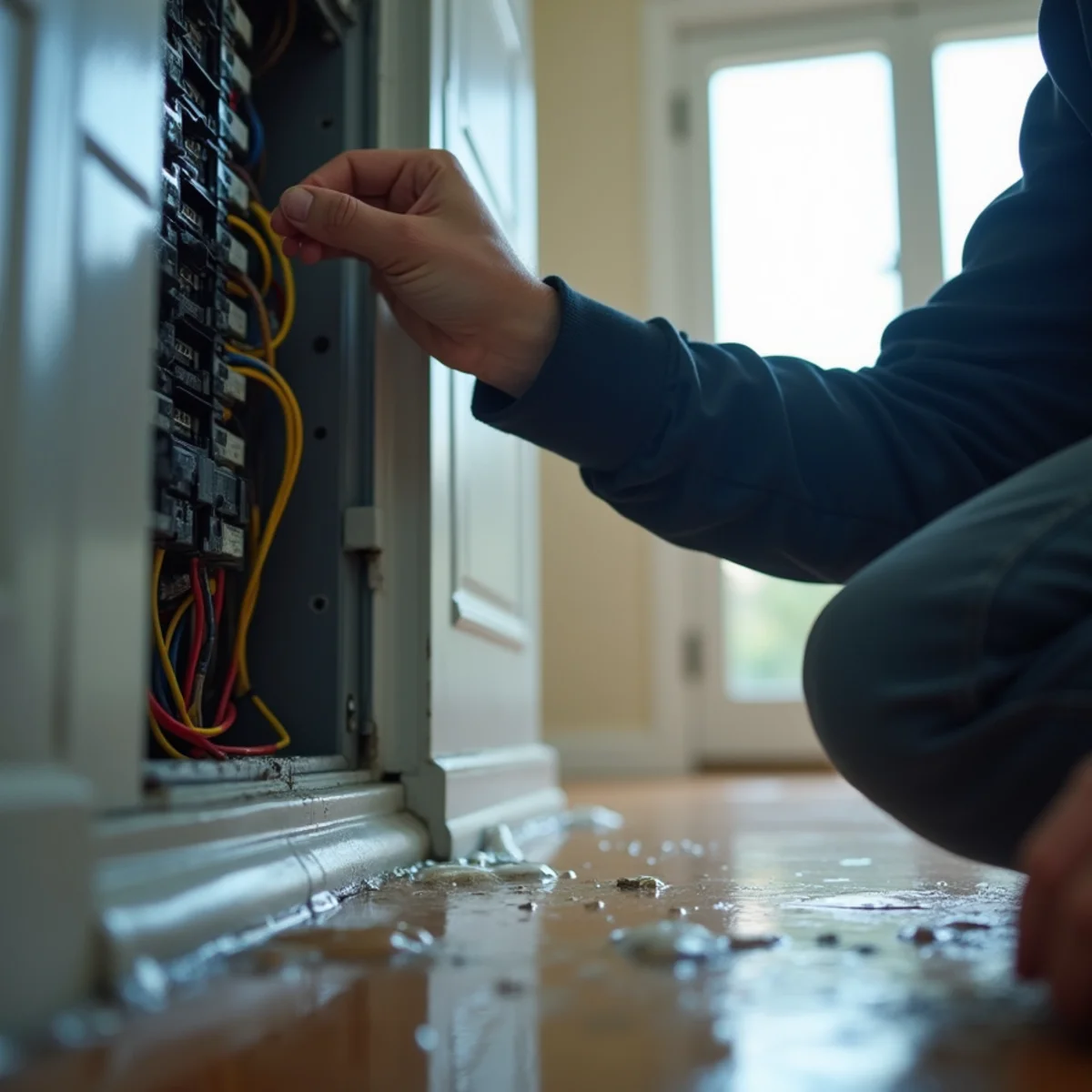
Water and electricity are a lethal combination, and energized water doesn't look any different from safe water. If the leak is near outlets, recessed lights, or a plugged-in appliance, switch off the breakers for that part of the house before you step in. Do this only if you can reach the panel on a dry floor without crossing standing water. If the panel itself is wet, or water sits between you and it, stop — don't gamble on it. Wait outside and let our 24/7 emergency crews handle it; we carry the meters and gear to work a live, wet space safely.
The full sequence, in order
- Shut off the water at the main valve — this is always first, and it stops the source.
- Cut power to the affected area at the breaker, only if the panel is dry and reachable on a dry floor.
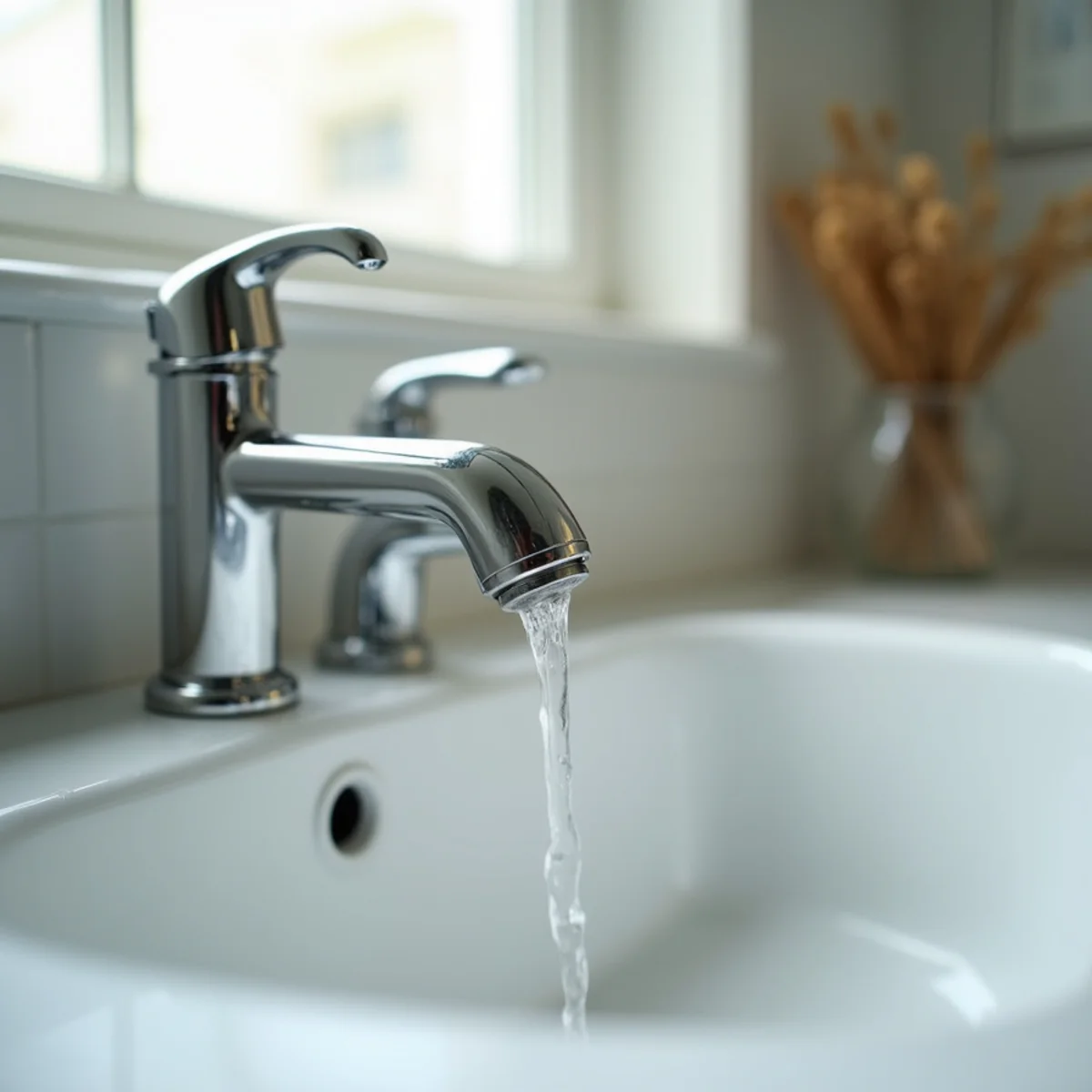
- Open the lowest faucets in the house and flush a toilet on the lowest floor to drain the water still sitting in the lines.
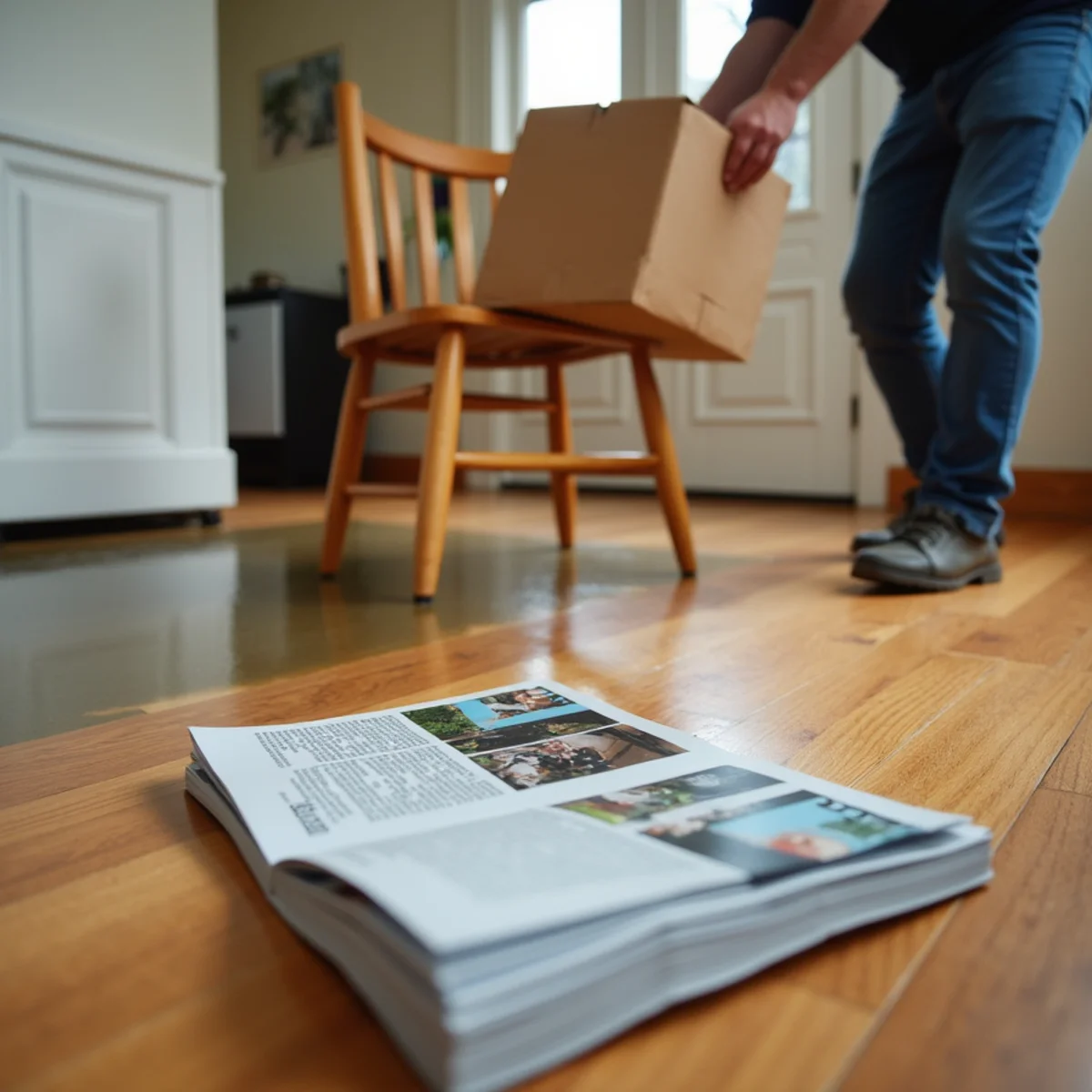
- Move furniture, electronics, boxes, rugs, and anything of value out of the water and up onto a dry surface.
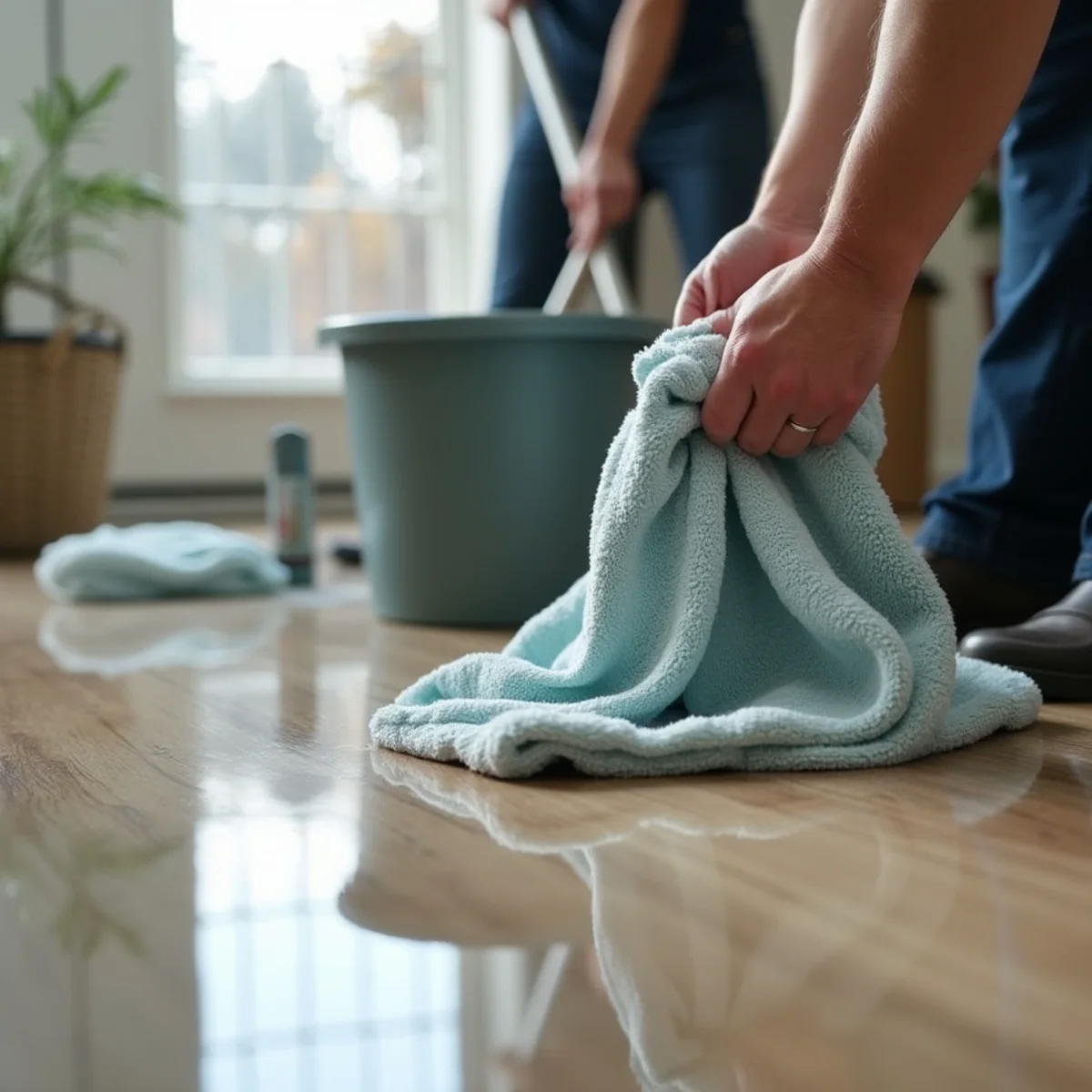
- Start pulling standing water off finished surfaces with towels, a mop, or a wet/dry vacuum — work it away from walls and baseboards first, where it wicks up fastest.
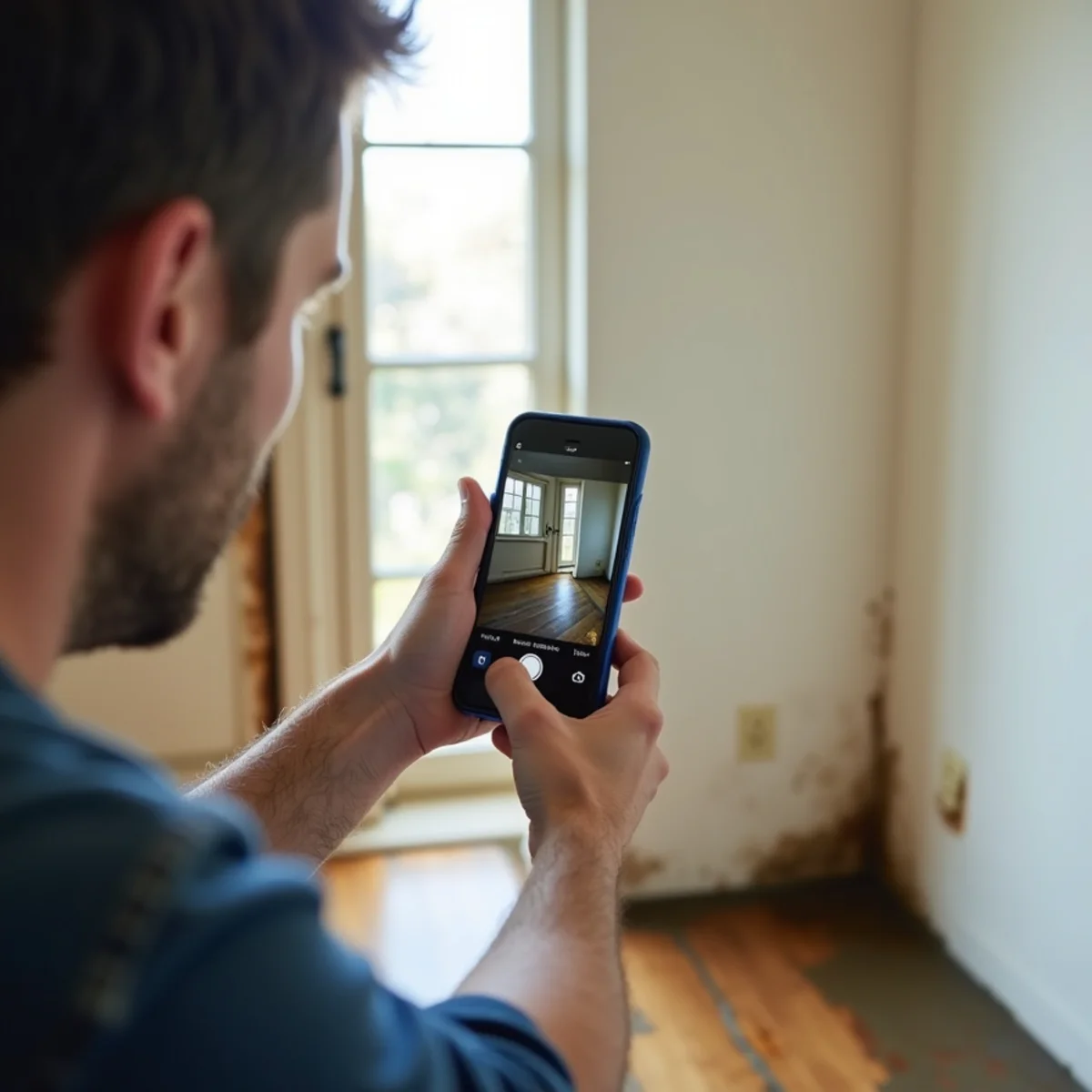
- Photograph and video everything before you move much, room by room, with the time noted, so your claim is documented at its worst point.
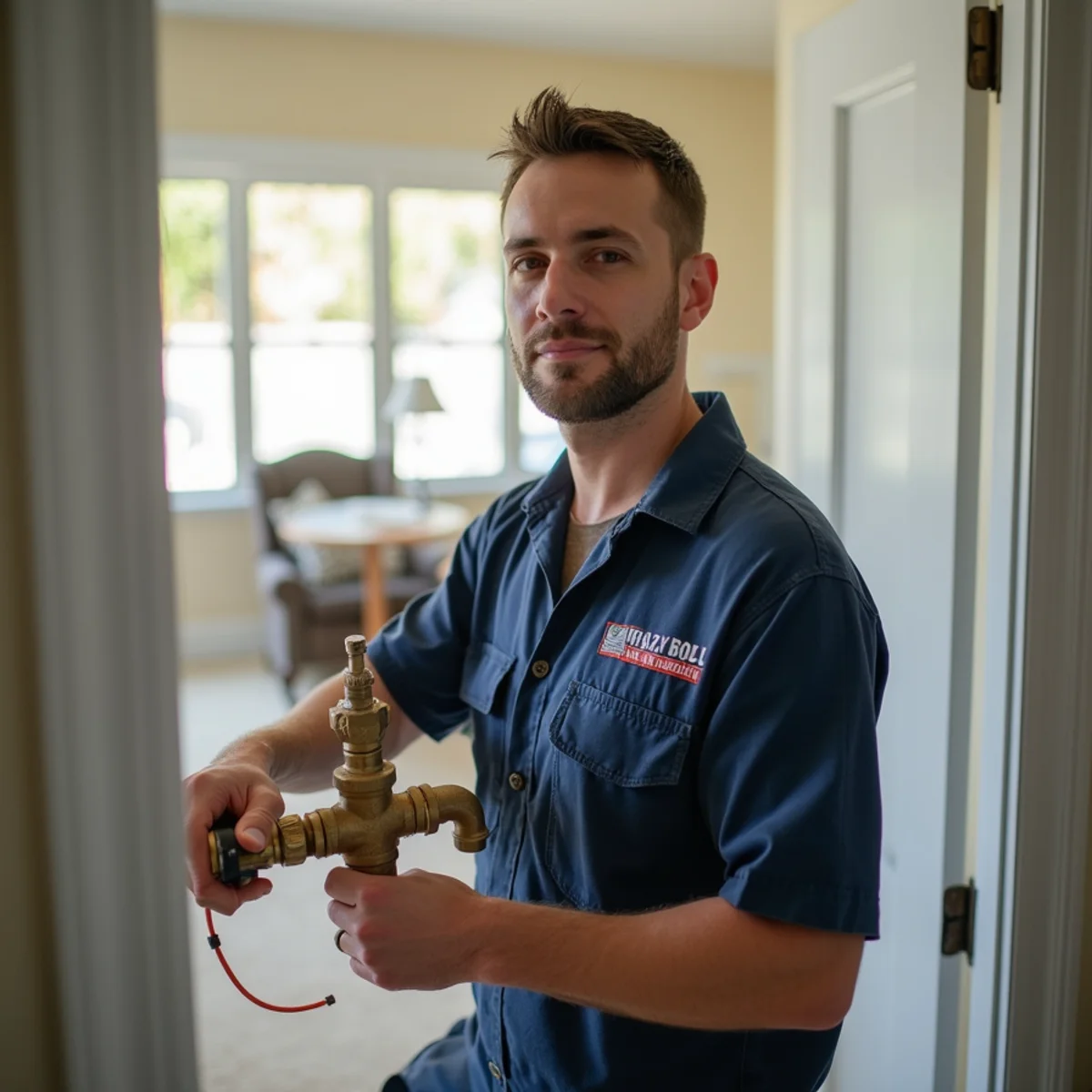
- Call a certified restoration company and your plumber — one stops the source, the other removes the water and dries the structure.
Why draining the taps matters
After you close the main, there's still a column of water sitting in the pipes above the break, and gravity keeps feeding it out through the failure. Open the lowest cold-water tap in the house and flush a ground-floor toilet. That relieves the residual pressure and empties the lines, dropping the leak from a stream to a trickle while you deal with what's already down. Then get the standing water moving toward a drain. The faster you pull it off solid hardwood, off MDF cabinet bases, and away from the paper face of drywall, the more of it you save — those materials fail by absorption, not by being splashed. If the volume is past what towels and a bucket can touch, that's the point where professional water extraction with a truck-mounted unit is the difference between drying a room and gutting it. A truck-mount lifts hundreds of gallons an hour and pulls water out of carpet and pad that a household vacuum only skims.
Document before you clean
Before you drag out the soaked rug or bin the swollen cabinet, photograph it. Wide shots of each affected room, close-ups of the damage, a slow video walkthrough, and the time on record. This is the evidence your adjuster uses to approve the claim, and once you've cleaned it up, it's gone. Keep the wet materials you remove until the adjuster or our estimator has seen them if you can. We bill most carriers directly, and part of our documentation is the same moisture-meter and thermal-camera record adjusters look for to confirm how far the water traveled.
Doelger homes and galvanized pipe — why the burst wasn't random
If you live in one of Westlake's Doelger "Little Boxes" or a similar 1950s tract home, the pipe that just failed was almost certainly original galvanized steel. That pipe has been corroding from the inside for seventy-plus years, its zinc coating long gone, the bore narrowing with rust and scale until the wall thins to a pinhole and lets go at the weakest spot. A failure in one run usually means the rest are close behind, because the whole system aged on one schedule. Our burst pipe cleanup crews see the same pattern repeat across older homes in San Bruno and the Crocker neighborhood, where the plumbing all went in the ground the same few years and is now wearing out together.
What not to do
- Don't use a household or shop vacuum that isn't rated for water — you risk a shock, and it won't lift what's already in the pad and subfloor anyway.
- Don't walk into a room where water is touching outlets, cords, or the panel until the power to that area is off.
- Don't pull down saturated drywall or ceiling material yourself — wet gypsum is heavy, holds electrical and mold hazards, and a bulging ceiling can drop without warning.
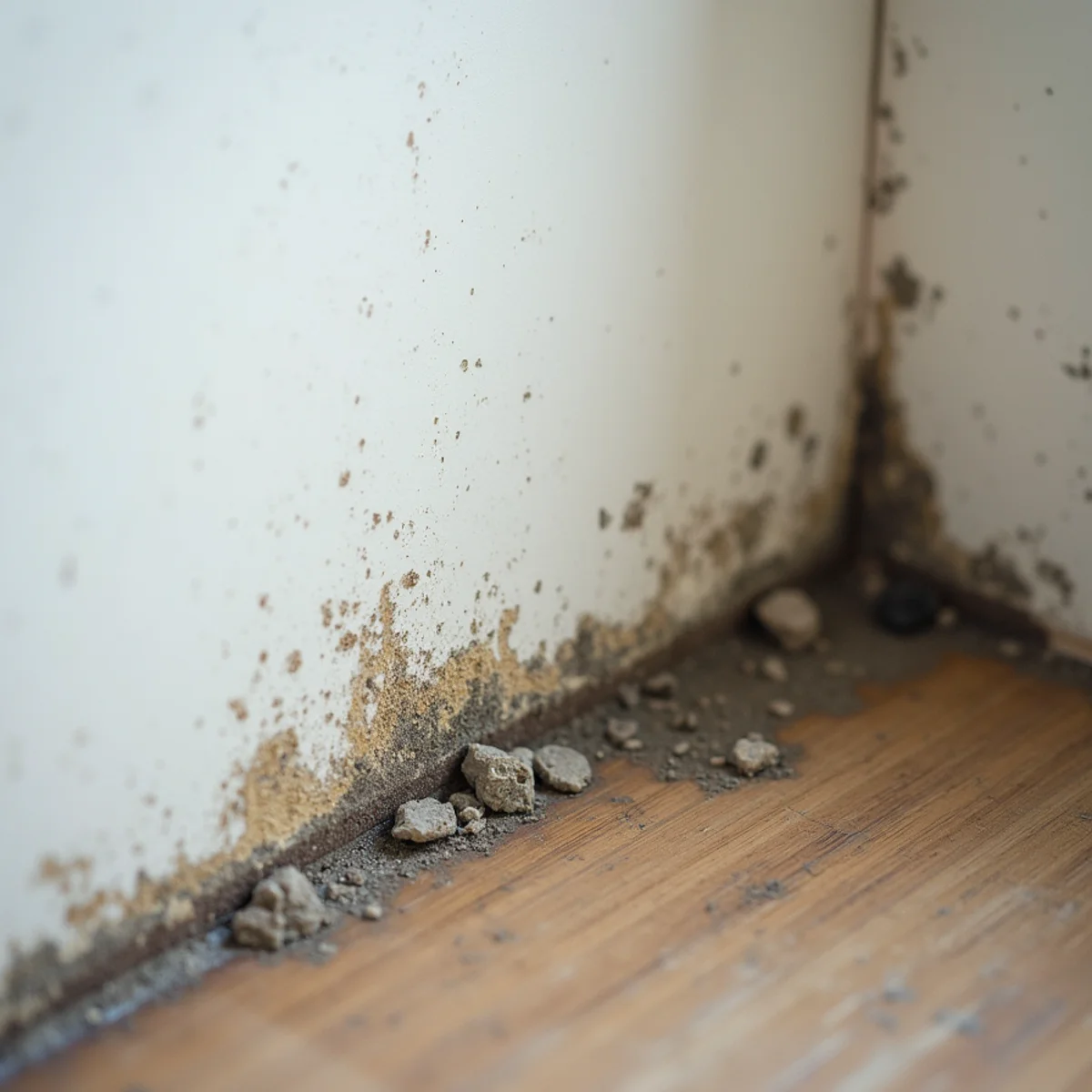
- Don't fire up box fans and assume it's handled — moving surface air over trim while the wall cavity and subfloor stay wet just hides a mold problem that starts in 24 to 48 hours.
- Don't wait to see if it dries on its own — hidden moisture behind walls and under floors reads wet on a meter long after the surface looks fine.
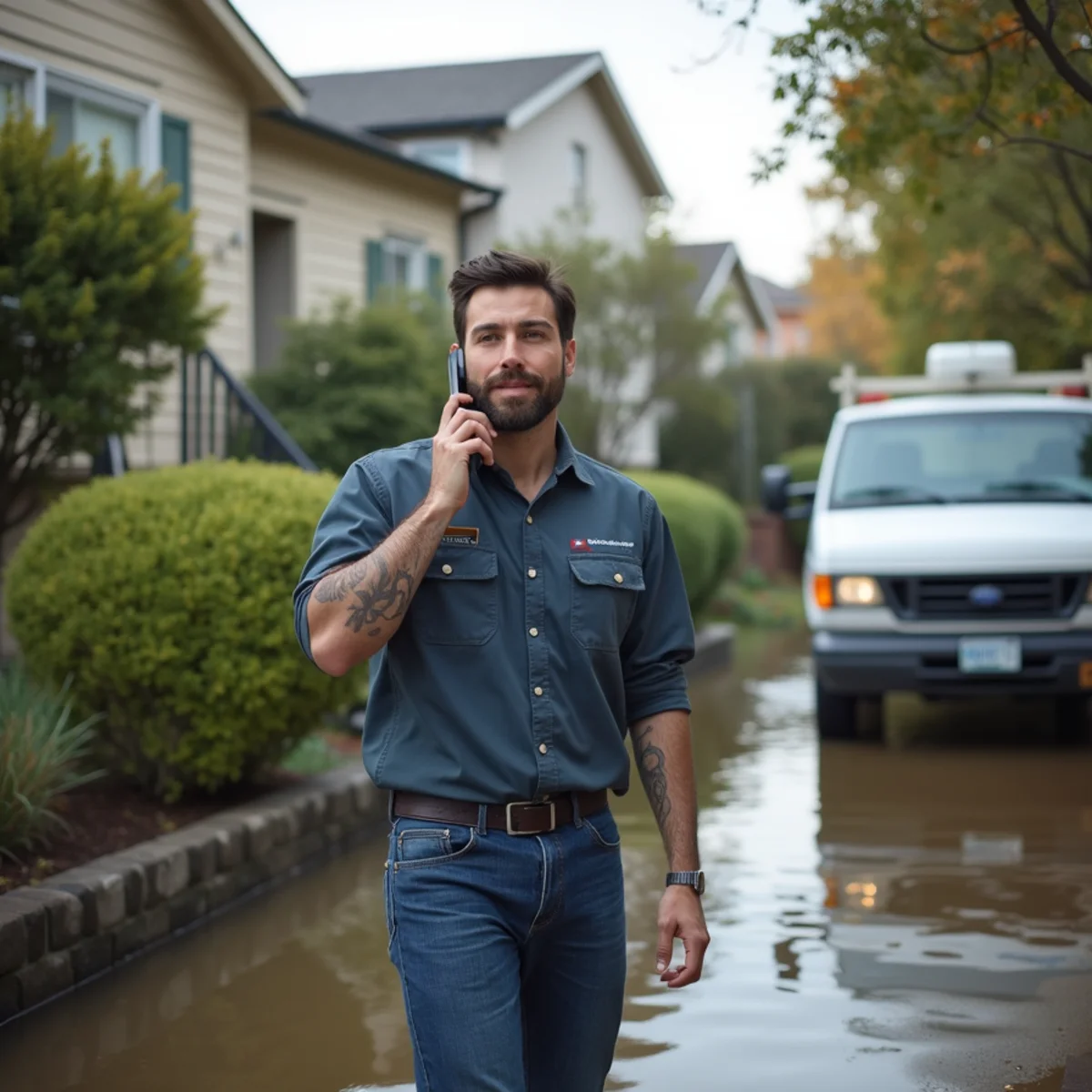
A burst pipe is a race against the water, and you don't have to run it alone. The moment the main is off and your valuables are clear, call us. We answer live, any hour, and we're on-site in about 60 minutes with submersible pumps, truck-mounted extractors, LGR dehumidifiers, and air movers to stop the loss from spreading and start drying to standard. Call Water Damage Daly City at (201) 277-9344 — the sooner we're there, the more of your home we save.
A visual walk-through

Frequently asked questions
A failed half-inch supply line at normal household pressure can put out several gallons a minute — hundreds of gallons in under an hour, and it keeps coming until the main is closed. That volume soaks into subfloor, wall cavities, and the ceiling below fast, which is why shutting the main is the single most important thing you can do before help arrives.
Call both, and don't wait on one to call the other. A plumber stops the source by repairing or replacing the pipe; a restoration company extracts the water and dries the structure so you don't trade a leak for warped floors and mold. We coordinate directly with your plumber and handle the water side start to finish — extraction, drying to a documented moisture standard, and any rebuild.
Usually yes. Supply lines often fail inside a wall or under a floor, so the puddle you see is a fraction of what has wicked into framing, insulation, and subfloor out of sight. A penetrating moisture meter and a thermal-imaging camera tell the real story in minutes, and a free inspection settles it before hidden dampness becomes hidden mold.
A sudden, accidental pipe burst is typically covered under California homeowners policies, while slow, long-term seepage that was left unaddressed often isn't. Photographing the damage before you clean and getting professional drying both strengthen the claim by showing it was sudden and handled promptly. We document to the standard adjusters expect and bill most carriers directly.