Some wet drywall dries out and is fine; some has to come out the same day. The deciding factors are the water, the clock, and what the board feels like.
Wet drywall can often be saved if it was soaked by clean water, is still firm, and is dried properly within about 24 to 48 hours. It usually needs to be replaced if the water was contaminated, the board is swollen, soft or crumbling, the paper facing is peeling away, the insulation behind it is soaked, or mold has started to grow.
Drywall is a gypsum core sandwiched between paper facings. Gypsum tolerates a short soaking and can return to full strength once dry; the paper and the glue holding it on are what fail first, and the paper is also what mold feeds on. So the real question is not just whether it got wet but how wet, with what, for how long, and what is trapped behind it. That is the assessment our drywall water damage repair visits start with, and you can do a good part of it yourself.
What Decides Whether Wet Drywall Can Be Saved
1. What kind of water it was
Restoration work sorts water into three categories. Category 1 is clean water from a supply line, a sink overflow or rain coming straight in. Category 2 carries some contamination, like washing machine or dishwasher discharge. Category 3 is sewage, toilet overflow with waste, or outdoor floodwater that has run across the ground. Clean-water drywall is the best candidate for saving. Category 3 drywall is removed: the CDC's post-disaster cleaning guidance says to remove and discard drywall and insulation contaminated with sewage or floodwater. Our explainer on water damage categories and classes goes deeper on where Category 2 falls.
2. How long it has been wet
Time matters because clean water does not stay clean. After a day or two of sitting in a warm, dark wall cavity, a Category 1 loss starts behaving more like Category 2, and mold can begin colonizing the paper facing. Drywall that has been wet for several days, or that was wet and nobody noticed, is much less likely to be worth drying.
3. What the board feels and looks like
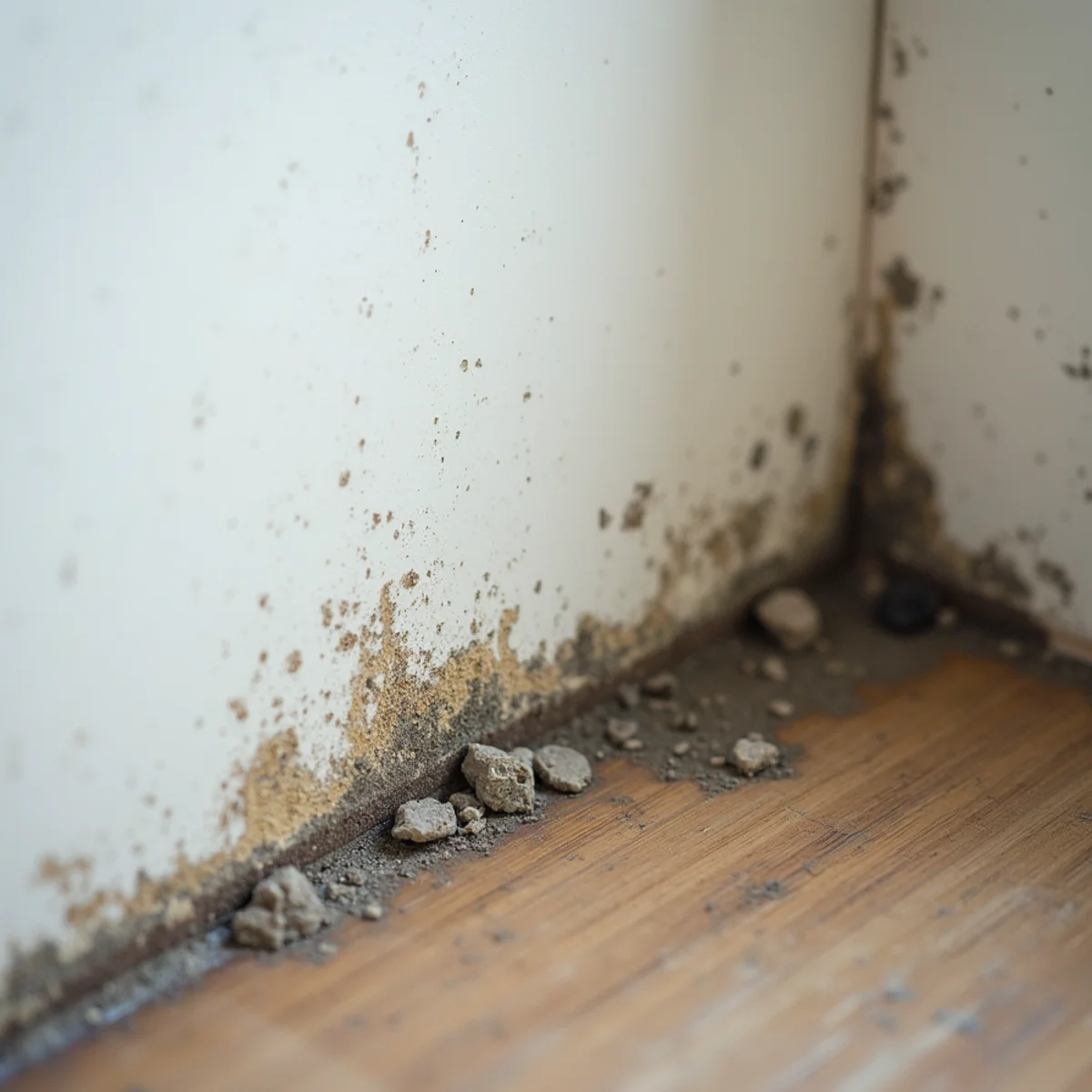
Press it. Sound drywall is hard. Ruined drywall is soft, gives under your thumb, crumbles at the bottom edge, or bulges outward. Look at the surface too: bubbling or tenting paint, paper that wrinkles or peels away from the gypsum (delamination), seams that have opened, and screws that have pulled through are all signs the board has lost its structure.
4. What is behind it
Fiberglass batts in an exterior wall act like a sponge and hold water against the studs and the back of the drywall. Wet insulation generally cannot be dried in place and has to come out, which means the drywall in front of it does too. Vinyl wallpaper, several coats of oil paint, or a plastic vapor barrier also slow drying sharply because the water has only one direction to escape.
5. Whether mold is already present
Visible growth on either face, a musty smell from the wall, or dark staining on the paper means the board is a food source that has already been used. Porous materials that have grown mold are removed rather than cleaned.
| Condition | Usually | Why |
|---|---|---|
| Clean water, firm board, caught within 24–48 hours | Save and dry in place | Gypsum regains strength once dry |
| Clean water, wet for several days | Often replace the wet section | Mold risk and paper damage rise with time |
| Swelling, softness, crumbling or sagging | Replace | The core has lost structural strength |
| Paper facing peeling or blistering | Replace | The board will not hold paint or fasteners |
| Wet insulation in the cavity behind | Remove board and insulation | Insulation holds water against framing |
| Visible mold or musty odor from the wall | Replace with proper containment | Porous material that has grown mold is not cleanable |
| Category 3 water (sewage, floodwater) | Replace | Contaminated porous material is discarded |
How to Tell If Drywall Is Ruined: A Homeowner Check
- Find the high-water line. Look for a tide mark, darker paint, or a baseboard that is swelling or separating from the wall.
- Press the wall every few inches from the floor up past the mark. Note where it changes from soft to firm.
- Look closely at the paper surface for wrinkles, blisters or peeling, especially just above the baseboard.
- Pull the baseboard on one section if you can do it without damage. The bottom edge of the drywall behind it shows crumbling or dark growth before the face does.
- Sniff close to the wall and at outlets. A musty smell suggests the cavity has been wet long enough to grow something.
- If you have a moisture meter, take readings at the floor, at the visible mark, and a foot and two feet above it. Water climbs drywall by wicking, so the wet zone often extends above the stain.
How Long Does Drywall Take to Dry?
With air movers, dehumidifiers and proper monitoring, lightly wet drywall is usually dry in a few days. Heavily saturated walls, walls with insulation behind them, or walls behind cabinets take longer. Left to household fans and an open window, the same wall can take weeks, which is longer than mold needs. In Daly City, the fog-belt air is often already damp, so open windows add moisture rather than removing it, and a dehumidifier does more of the work than airflow alone. Our guide to how long water damage takes to dry walks through the variables, but the short answer is that drywall is dry when a meter says it matches unaffected drywall in the same house, not when the surface feels dry.
How Drying in Place Works
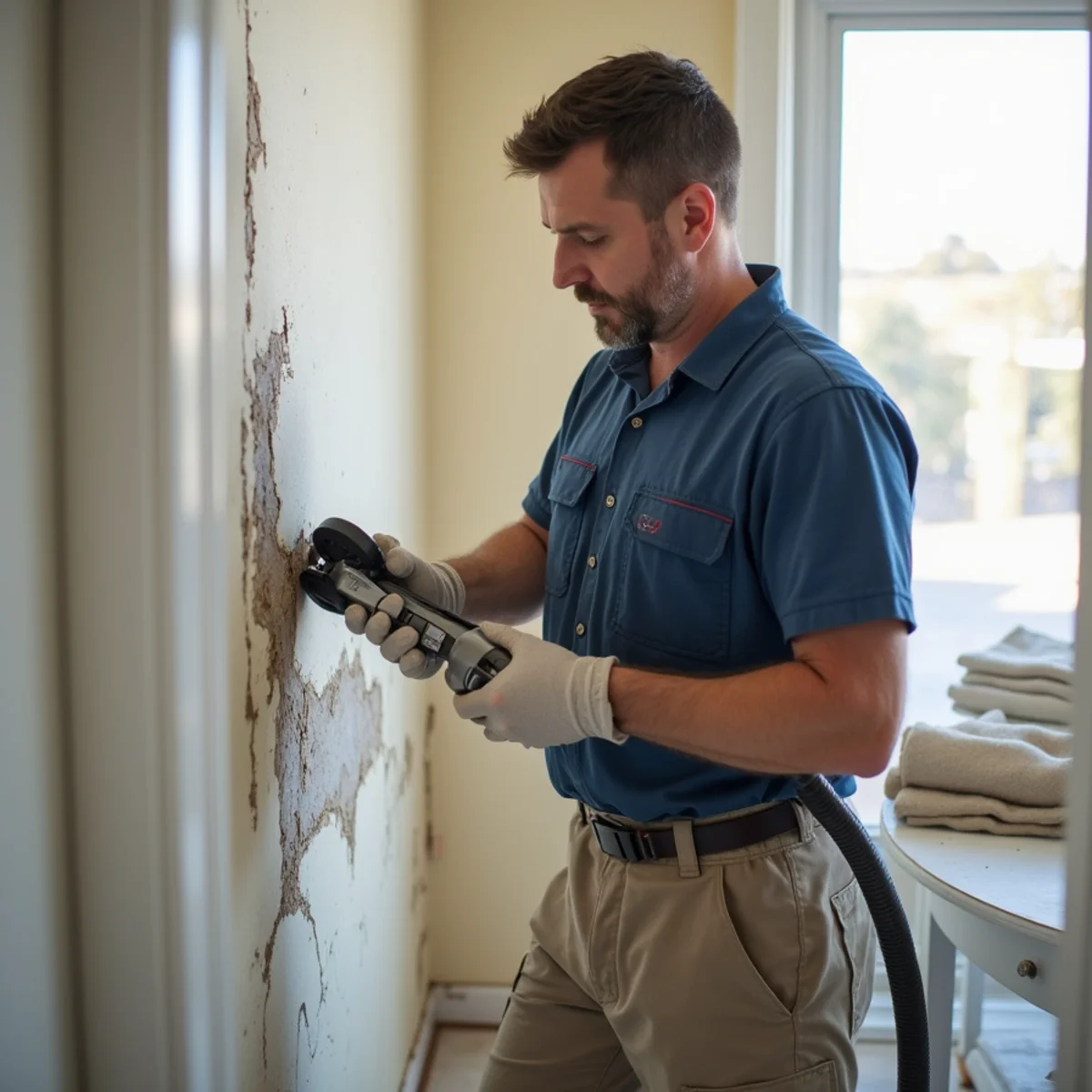
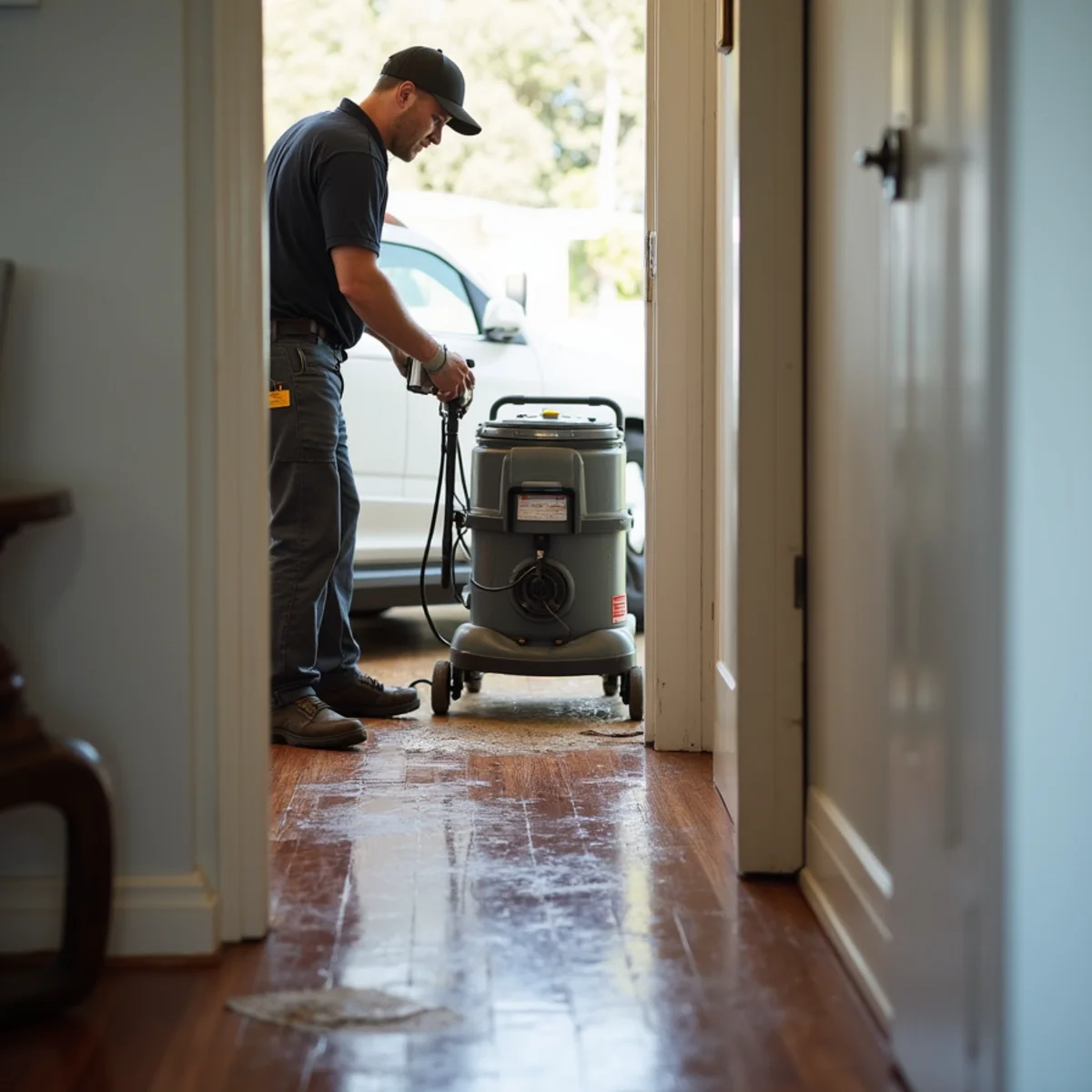
When the board is worth keeping, the goal is to get air into the wall cavity, not just across the face. Typical steps in a structural drying setup are removing baseboards, drilling small vent holes near the bottom of the wall behind where the baseboard sits so they are hidden later, directing air movers along the wall, and running dehumidifiers to pull the moisture out of the room. Specialty wall-cavity drying systems push dry air into each stud bay through those holes. Readings are taken daily at the same marked points until they reach the dry standard for that material.
When the Bottom of the Wall Has to Go: Flood Cuts
When the lower part of a wall is ruined but the upper part is sound, restorers make a flood cut: a straight horizontal cut that removes the damaged band of drywall and exposes the cavity. A common practice is to cut 12 to 24 inches above the highest wet reading, not the visible waterline, because water wicks upward past the stain. Many crews cut at 2 or 4 feet so the replacement pieces fit standard sheet sizes and the patch is easier to finish. Once the cavity is open, the wet insulation comes out, the studs and bottom plate are cleaned and dried, and new drywall goes back in after the framing is confirmed dry.
In Westlake and other slab-on-grade neighborhoods, water from a slab leak or a flooded room spreads quickly along the floor to every wall it touches, so flood cuts often run around a whole room rather than one wall.
Plaster Walls Behave Differently
Some older homes in Original Daly City, Crocker and the southern San Francisco neighborhoods have plaster over wood or gypsum lath instead of drywall. Plaster tolerates a short wetting better than drywall and often dries without losing strength, but it dries slowly, and wood lath behind it can swell and push the plaster off the wall. Look for bulges, cracks that open up as the wall dries, and plaster that sounds hollow when tapped. Patching plaster is a different trade from hanging drywall, so the repair plan should account for it before anything is cut.
What Replacing a Section Involves
When drywall does come out, the replacement is less dramatic than it sounds. The damaged section is cut back to the nearest studs, the cavity is dried and checked, new insulation goes in where needed, and a new piece of board is screwed in place. The seams are taped and finished in several coats of joint compound, sanded, textured to match the surrounding wall, primed and painted. Matching texture is the part that shows if it is done carelessly, so it is worth asking how the finish will be blended.
What You Can Do Right Now
- Stop the water and turn off power to any outlets on the wet wall if water reached them.
- Remove standing water from the floor so the drywall stops wicking it up.
- Pull furniture away from the wall and take baseboards off if they come away cleanly.
- Run a dehumidifier with doors and windows closed, plus a fan aimed along the wall.
- Photograph the waterline and any damage before anything is removed.
- Do not paint, patch or caulk anything until the wall has tested dry.
When to Call a Professional
Call for help if the water was from a toilet, sewer or outdoor flooding; if more than one wall or a ceiling is involved; if the walls are exterior walls with insulation; if the drywall has been wet longer than a couple of days; or if there is any sign of mold. A restorer can meter the walls, decide how much has to come out, dry the framing, and then carry the job through water damage repair so the wall is rebuilt, taped, textured and painted to match.
Have a wet wall and not sure whether it can stay? Call (201) 277-9344 for a free inspection. We will take moisture readings, show you where the wet zone ends, and recommend the smallest repair that will actually last.
Frequently asked questions
Only after a moisture meter confirms it is dry and the board is still firm with intact paper. Surface-dry drywall can still hold moisture in the core and at the bottom edge, and fresh paint seals that water in. If there is a stain, use a stain-blocking primer first or the mark will bleed through. If the paper is wrinkled or bubbled, painting will not fix it; that section needs to be cut out and replaced so the new finish lies flat and holds.
Moisture-resistant boards, often called green board or purple board depending on the product, resist humidity and occasional splashes better than standard drywall, and some have mold-resistant facings. They are not waterproof. A burst supply line or a flood soaks them just like regular drywall, and the same rules about category, time and softness apply. In tub and shower areas, cement board or a dedicated waterproofing membrane is what actually keeps water out of the wall.
Mostly, with one extra concern: gravity. Ceiling drywall that has softened can sag and fall, and wet insulation sitting on top of it adds weight. A firm ceiling with a clean-water stain can often be dried in place, but a ceiling that is bowing, has screws popping, or holds standing water above it is usually replaced. Our guide to a [water stain on the ceiling](/blog/water-stain-on-ceiling/) covers how to tell an old ceiling stain from an active one.
Insurers generally pay for what is necessary to return the property to its pre-loss condition, and they look for documentation. That means moisture readings, photos and a clear reason for each removal, such as Category 3 water, wet insulation, delamination or mold. Drywall that could reasonably have been dried may be questioned if it was torn out without that record. Coverage itself depends on the cause and your policy, so check how the loss is classified before demolition starts.