The carpet you see and the pad you do not are two different decisions. Here is how to make both, and how to dry what can be kept.
Wet carpet can often be saved if it was soaked by clean water, is extracted and dried within about 24 to 48 hours, and has not delaminated. The pad underneath is a separate decision and is usually replaced, because it holds water and dries slowly. Carpet and pad soaked by sewage, toilet waste or outdoor floodwater should both be discarded.
Wall-to-wall carpet is really three layers: the face fibers, a backing system glued together with latex, and a foam or fiber pad stapled or glued to the subfloor. Each layer reacts differently to water, and each has its own repair-or-replace answer. Our carpet water damage visits work through them in the order below, and the same logic applies if you are handling a small spill yourself.
The Water Category Decides First
Before anything else, identify what the water was. Clean water from a supply line, a sink or rain coming in a window (Category 1) gives the carpet a good chance. Gray water from a washing machine or dishwasher (Category 2) means the carpet may be cleaned and kept if handled quickly, but the pad is replaced. Black water, meaning sewage, a toilet overflow with waste, or outdoor floodwater (Category 3), means carpet and pad are removed and thrown away. The CDC's cleanup guidance lists carpeting and carpet padding among items to throw away if they cannot be cleaned and dried quickly. If you are not sure which category you are dealing with, our guide to water damage categories and classes lays it out.
| Situation | Carpet | Pad |
|---|---|---|
| Clean water, extracted within 24–48 hours | Usually keep | Often replace; sometimes dried if lightly wet |
| Clean water, wet longer than 48 hours | Case by case; replace if odor or delamination | Replace |
| Washing machine or dishwasher overflow | Keep only if cleaned and dried quickly | Replace |
| Sewage, toilet waste or outdoor floodwater | Replace | Replace |
| Backing separating (delamination) | Replace | Replace |
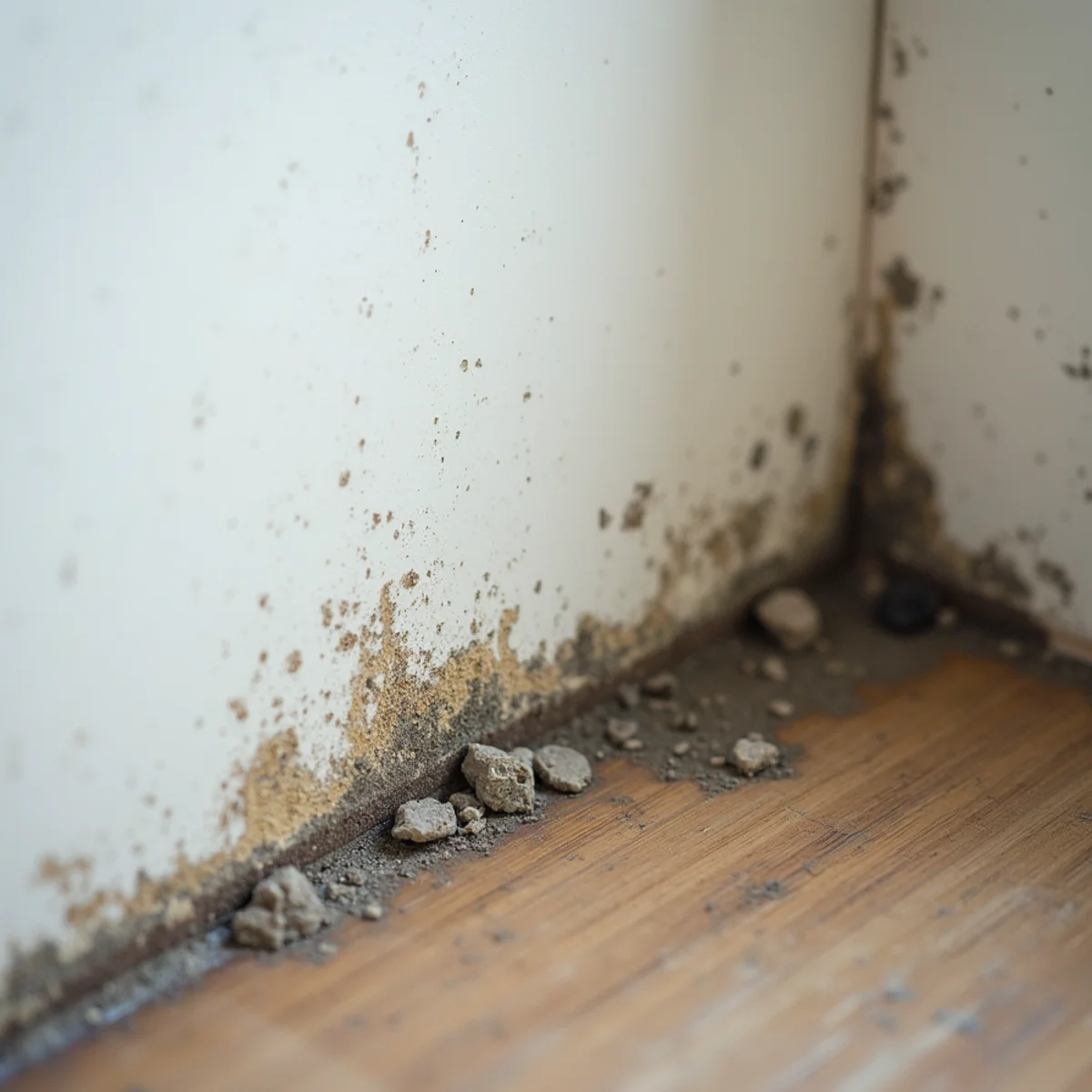
| Visible mold or persistent musty smell | Replace | Replace |
Why the Pad Is Usually Replaced
Rebond foam pad, the multicolored kind in most homes, soaks up water and releases it slowly. It sits in the dark between the carpet backing and the subfloor, where airflow barely reaches. It is also the cheapest layer to replace and the most likely to start smelling. For those reasons, the common professional approach after a real soaking is to pull the wet pad, dry the carpet and subfloor separately, and install new pad under the saved carpet. That keeps the expensive layer and removes the one most likely to cause problems later.
Timing: The 24 to 48 Hour Window
The EPA recommends drying water-damaged materials within 24 to 48 hours to prevent mold growth, and carpet is one of the materials it names as hard to clean once mold has taken hold. The clock also changes the water itself: clean water sitting in carpet for a couple of days picks up soil and bacteria and starts to smell. The faster the water is pulled out, the more of the floor you keep.
How to Dry Wet Carpet: Extraction Before Fans
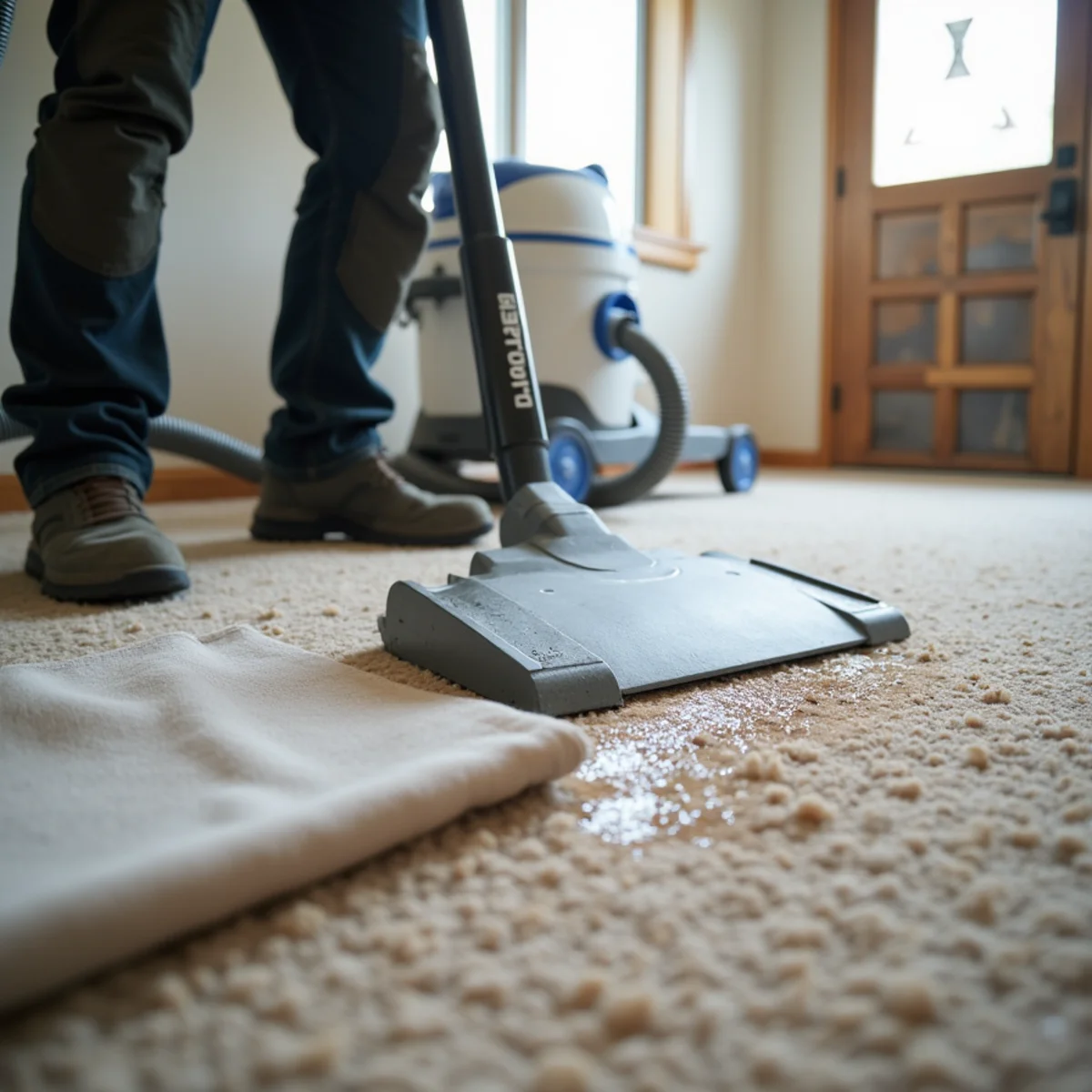
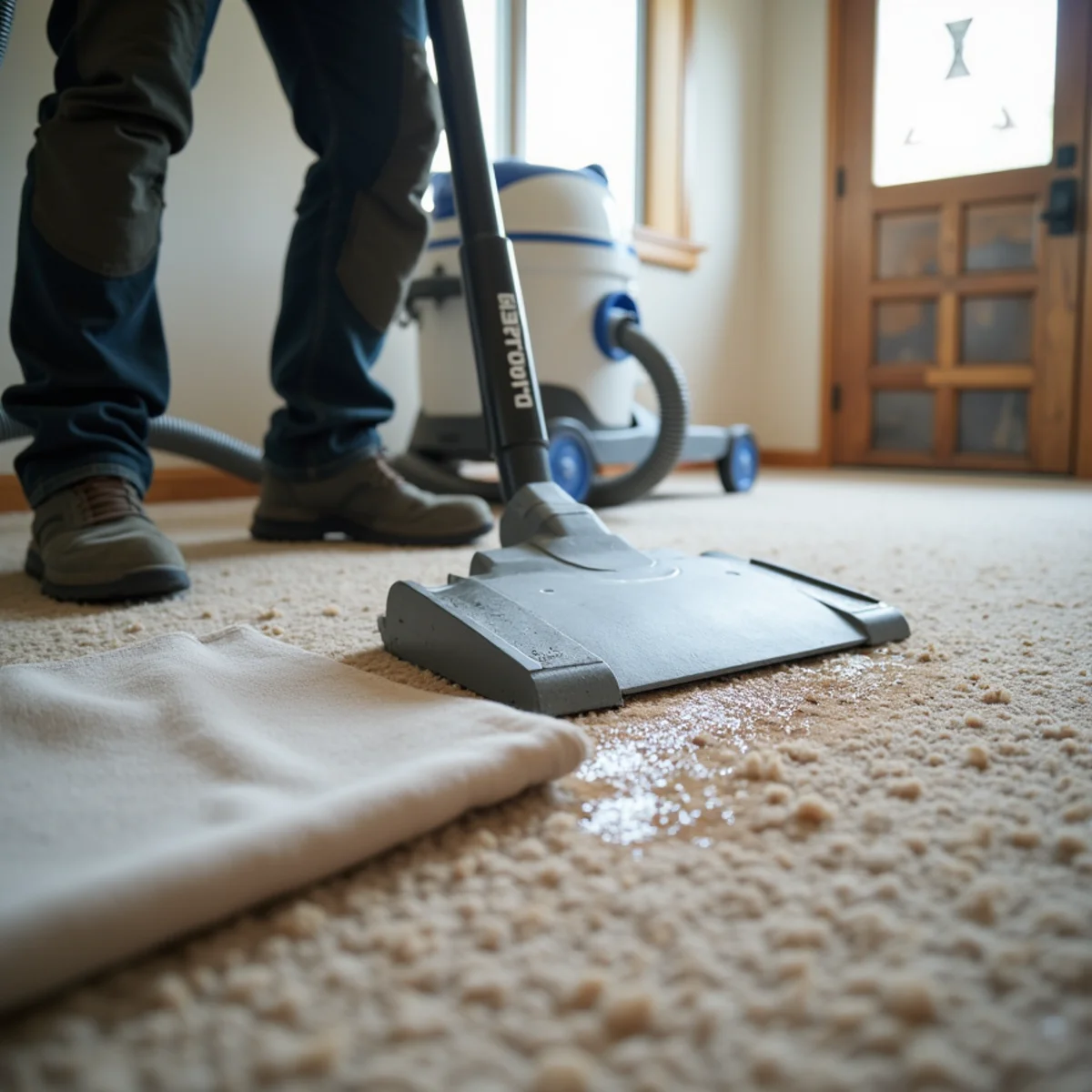
Fans move air across the surface; they do not remove the water held in the pad and backing. Extraction does. Professional water extraction uses truck-mounted or high-powered portable units, and weighted or stand-on extraction tools that compress the carpet and pad to squeeze out water a household wet vac leaves behind. The more water removed this way, the shorter and more predictable the drying.
Floating the carpet
For clean-water losses, restorers often float the carpet: they release it from the tack strip at one edge, then run an air mover underneath so it lifts on a cushion of air and dries from both sides while dehumidifiers pull moisture from the room. When the pad is being replaced, the carpet is folded back, the wet pad is cut out, and the carpet is dried on its own before being re-stretched over new pad.
Drying in place
For a small, lightly wet area over a pad that is only damp, thorough extraction followed by air movers and a dehumidifier can dry carpet and pad without lifting either. It only works if the readings confirm the pad and subfloor are dry, not just the face fibers.
Delamination: The Sign the Carpet Itself Is Done
Carpet has a primary backing that holds the tufts and a secondary backing glued on with latex. Water, heat and time can weaken that glue so the two layers separate. Pinch the carpet and try to slide the face over the back; if it moves independently, or if you see bubbles, ripples or loose areas that will not stretch flat, the carpet has delaminated. Delaminated carpet cannot be re-stretched properly and should be replaced. Pulling wet carpet off tack strip roughly can also cause edge delamination, which is why it is released carefully with a knee kicker.
Check the Subfloor and Tack Strip
Plywood or particleboard subfloors absorb water through the pad and can swell, especially at seams. Particleboard that has swollen will not return to flat and usually has to be replaced. Concrete slabs, common in Westlake and other mid-century tract homes, hold moisture for a long time and need to be metered before new pad goes down. Tack strip is wood with nails; once it has been soaked in contaminated water, or has rusted or started to grow mold, it is replaced along with the pad.
How Long Does Wet Carpet Take to Dry?
After thorough extraction, a clean-water carpet that is floated or dried in place with air movers and dehumidifiers is commonly dry in a few days. The pad and the subfloor set the pace, not the face fibers, and a concrete slab can hold moisture well after the carpet above it feels dry. Skip the extraction and rely on household fans, and the same room can stay damp for a week or more. Foggy stretches slow things further, because the air in the room is already close to saturated and has little capacity to take on more water. Our guide to how long water damage takes to dry explains why dehumidification, not airflow alone, is what finishes the job.
Before Anything Gets Pulled Up
If there is any chance of an insurance claim, document first. Photograph each wet room wide and close, including the waterline on baseboards. Before carpet or pad is discarded, cut a small square of each and keep it in a bag, and photograph the label on the back of the carpet if you can find one, since it identifies the product. Adjusters may ask for these to price the replacement, and once the carpet is in a dumpster there is no way to show what it was.
Wet Carpet Smell: What It Is Telling You
A sour or musty smell from carpet means microbial growth has started, usually in the pad or at the backing. Air fresheners and carpet powders cover it briefly; they do not fix it. If the smell persists after drying, the pad or subfloor is still wet, or growth has already taken hold and the affected material needs to come out. Once the source is removed, professional odor removal deals with what remains in the room. Our article on a musty smell in the house covers the other places that odor can come from.
DIY Steps for a Small Clean-Water Spill
For a few square feet wet from a clean source, like an overflowed sink or a tipped-over bucket, you can usually handle it yourself:
- Stop the source and move furniture off the wet area. Put foil or plastic under any legs you cannot move so they do not stain.
- Extract with a wet/dry vacuum, making slow overlapping passes until almost nothing more comes up.
- Stand on old towels over the spot to wick out more water, swapping them as they soak.
- Run a fan across the area and a dehumidifier in the room with windows closed, especially on foggy days.
- After a day, press a dry paper towel firmly into the carpet. If it comes up damp, the pad is still wet.
- If it is not dry in about two days, or it starts to smell, lift the corner and check the pad, or call for help.
When Wet Carpet Needs a Professional
- Any Category 2 or Category 3 water.
- More than a small area, or water that spread under walls into other rooms.
- Carpet that has been wet for more than a day or two.
- A musty smell, visible mold, or a delaminating backing.
- Wet carpet on a slab or over a subfloor that may be holding water.
Carpet soaked and not sure if it can stay? Call (201) 277-9344 for a free inspection. We will identify the water category, meter the pad and subfloor, and tell you what can be dried and what needs to go.
Frequently asked questions
A rental carpet cleaner is built to spray and recover a small amount of water from the face fibers. It removes some surface water, but it does not have the suction to pull water out of a soaked pad, and its spray adds moisture before it removes any. For a small clean spill, a wet/dry vacuum used in slow passes does more. For a soaked room, the pad is the problem, and it needs either professional extraction with weighted tools or removal.
The top fibers may feel dry within a day or two, but the pad and subfloor underneath can stay wet much longer without airflow and dehumidification. That gap is where odors and mold start. In foggy coastal weather, drying is slower still because the indoor air is already holding moisture. If you are leaving it to dry, check the pad directly by lifting a corner, not just the surface, and act if it is still damp after a couple of days.
Often, if the water was clean and the rug is dried quickly. Lift it off the wet floor immediately so the floor and the rug can both dry, and dry the rug flat or draped so air reaches both sides. Wool and hand-knotted rugs can bleed dye or shrink and are best sent to a rug cleaner. Rugs soaked by sewage or floodwater are generally discarded unless they are valuable enough for specialist cleaning.
When the cause is a covered event, such as a supply line that suddenly fails, carpet and pad are typically part of the claim. Outdoor flooding is normally excluded from standard homeowners policies and needs separate flood coverage. Claims go more smoothly with photos taken before anything is removed, a sample of the carpet and pad kept for the adjuster, and moisture readings. Our guide to [filing a water damage insurance claim](/blog/how-to-file-water-damage-insurance-claim/) explains what to collect.