No two water losses cost the same. Here are the real factors that move the price in Daly City — and why we never quote blind.
Water damage restoration cost in Daly City is not one number — it is driven by a handful of specific factors: the category of water, how large an area got wet and how far it spread, which materials were soaked, how many days of drying the structure needs, whether mold has started, and how much reconstruction it takes to put the home back together. Insurance then decides what you actually pay out of pocket.
Anyone who quotes a firm number over the phone, before seeing the water, is guessing — and a low guess usually means surprises later. This guide walks through what genuinely moves the price, and how insurance separates the total cost from your out-of-pocket cost. You will not find dollar figures here, because a responsible estimate comes from an on-site inspection, which we provide free. When you want real numbers for your specific loss, our water damage restoration team will inspect, measure, and put it in writing.
Factor 1: The category of water
Not all water is equal, and the category drives everything downstream. Restoration pros classify water into three categories, and every step up the scale means more protective equipment, more disinfection, and more porous material that cannot be saved and has to be removed and replaced.
- Category 1 (clean): from a supply line, water heater, or another fresh-water source. The most straightforward to dry and restore, with the best chance of saving materials.
- Category 2 (gray): from a dishwasher or washing-machine overflow, a leaking aquarium, or similar — carrying some contamination and requiring more caution and disinfection.
- Category 3 (black): from sewage, drain backups, or storm flooding — hazardous water that can carry bacteria, requiring full protective protocols, containment, and removal of porous materials like carpet, pad, and drywall.
A clean-water dishwasher leak and a sewage backup of the very same size are simply different jobs. The black-water loss brings containment, HEPA filtration, disinfection, and disposal that a clean-water dry-out never touches — and it often means tearing out and replacing what clean water could have kept.
Factor 2: The affected area and how far it spread
Square footage matters, but so do depth and travel. Water follows gravity and wicks sideways through porous materials, so a leak that started in one room may have run under a wall plate into the next room, soaked down into the subfloor, or found a ceiling penetration and dropped into the level below. The size of the wet area, the number of rooms and floors involved, and how far the water migrated before anyone caught it all shape the scope. This is exactly why fast water extraction pays off — the sooner water is pulled out, the less it spreads, and the smaller the affected area stays.
Factor 3: The materials affected
What the water touched matters as much as how much water there was. Some materials dry in place and stay; others have to come out no matter how fast you got there. Sealed concrete and solid hardwood can often be dried and saved with the right approach, while soaked carpet padding, fiberglass insulation, and the paper-faced drywall behind a baseboard usually cannot. Engineered and laminate flooring tends to delaminate once its core swells, and an MDF or particleboard cabinet base under a sink wicks and crumbles. Higher-end finishes, custom cabinetry, and specialty flooring add to both removal and replacement scope. In older Daly City homes, water reaching original lath-and-plaster or genuine hardwood raises different salvage questions than water in modern drywall.
Factor 4: Drying time and equipment
Drying is not instant, and the harder a structure is to dry, the more it involves. The number of air movers and LGR dehumidifiers, how many days they run, and how closely the job must be monitored with daily moisture readings all factor into the scope. Daly City's climate is a real variable here: the persistent fog and marine humidity, especially in Westlake and near the coast, mean the surrounding air is already carrying a heavy moisture load, so materials can take longer to reach a documented dry standard. A slab-on-grade floor holds and releases moisture differently than a raised foundation over a crawl space, too. Professional structural drying with LGR dehumidifiers is built for exactly that damp-climate challenge, pulling water out of the air so the structure can finally give it up.
Factor 5: Mold and hidden complications
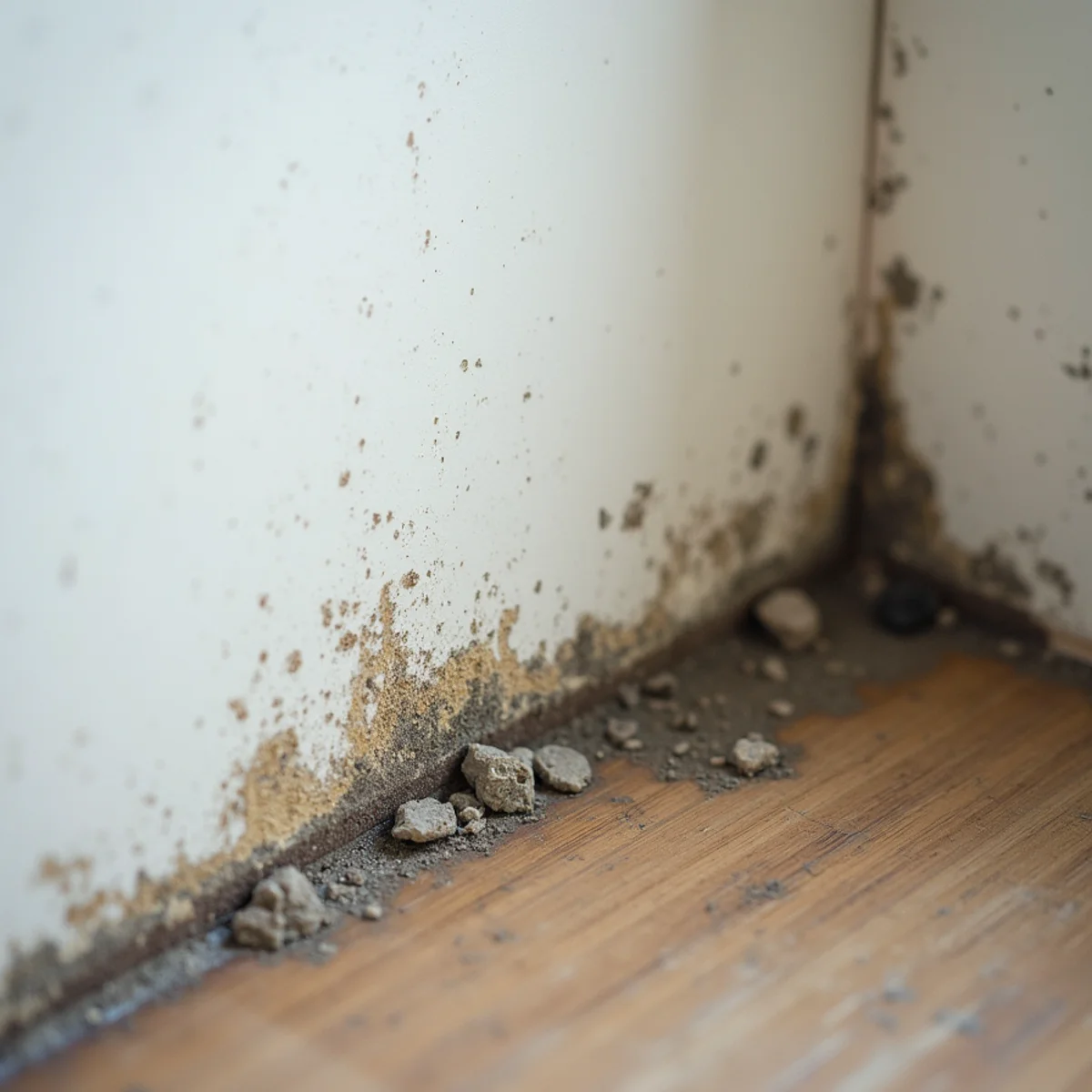
If mold has already started — and it can within 24 to 48 hours — remediation becomes part of the job, which means containment barriers, HEPA filtration, negative-air machines, removal of affected materials, and post-remediation clearance. Water that sat before anyone noticed, or an old undetected leak behind a cabinet, routinely brings mold into the picture. Other hidden complications add scope too: asbestos or lead concerns in mid-century materials that must be tested before demolition, electrical or HVAC involvement, and structural issues that only surface once the wet materials are opened up and removed.
Factor 6: Reconstruction scope
Restoration runs in two phases: mitigation — stopping and drying the damage — and reconstruction, which is putting the home back together. A loss that only needed extraction and drying is a very different job from one that needs new drywall, flooring, paint, trim, and cabinetry rebuilt to match. The more that had to be removed to dry the structure safely, the larger the rebuild, and the finish level you want to restore to shapes that phase directly — a builder-grade repair and a custom-match restoration are not the same line item.
How insurance changes what you actually pay
The total cost of a job and your out-of-pocket cost are two different numbers, and insurance is what separates them. If your loss is a covered, sudden-and-accidental event, your policy typically pays the covered restoration scope minus your deductible — so your real question shifts from the full price to your deductible. Getting the loss documented to the carrier's standards from the first minute is what keeps that covered work moving without pushback.
- Document the loss thoroughly from the first minute, before moving anything.
- Open your claim and write down the claim number.
- Choose a restoration company that bills insurance directly and documents to their standards.
- Understand your deductible — on a covered loss, that is often your real out-of-pocket figure.
We bill all major carriers directly and document every moisture reading and affected material for the adjuster, which keeps covered work moving and your out-of-pocket predictable. Whether your home is in Daly City, San Bruno, or Hillsborough, the honest way to price your loss is to look at it. Call our team at (201) 277-9344 for a free, no-obligation inspection and a written estimate built on what the moisture meters actually find.
Frequently asked questions
Because the water you can see is rarely the full extent. Moisture meters and thermal imaging routinely reveal water inside wall cavities and under floors that no phone estimate could account for, and the category of water and materials affected change the scope dramatically. A firm, honest number comes from an on-site inspection that measures the real damage, which we provide free.
The biggest drivers are the category of water (clean, gray, or black), the size and spread of the affected area, which materials were soaked and whether they can be saved, how many days of drying the structure needs, whether mold is present, and how much reconstruction follows. Two losses that look identical on the surface can differ widely once the meters reveal how far the water traveled.
If your loss is a covered, sudden-and-accidental event, your policy typically pays the covered restoration scope minus your deductible. In that case your deductible is often your real out-of-pocket cost. We bill major carriers directly and document every reading and material to their standards, which keeps the covered work moving and reduces surprises during the claim.
It can. The persistent fog and marine humidity, especially in Westlake and coastal areas, mean the surrounding air already carries a heavy moisture load, so materials can take longer to reach a documented dry standard. Longer drying can mean more equipment days and closer monitoring, which factors into the overall scope of the job.
Mold turns a drying job into a remediation job, adding containment, HEPA filtration, negative-air machines, removal of affected materials, and post-remediation clearance. Because mold can start within 24 to 48 hours, fast extraction and drying is the best way to keep it out of the picture entirely and hold the scope — and the cost — down.