Shared walls and stacked units mean one leak can touch several homes. Here’s how Serramonte owners and HOAs should handle it.
In a Serramonte condo or townhome, one leak rarely stays in one unit. Water follows gravity and shared framing — down through the floor assembly into the unit below and sideways along common ceiling cavities into neighbors' units — so a single failed supply line, water heater, or overflowing tub can damage two or three homes within an hour. Fast, coordinated response is what keeps it contained.
In a single-family house, a leak is your problem and yours alone. In a Serramonte condo or townhome, the same leak becomes three families' problem, because water doesn't respect the wall between your unit and your neighbor's — it follows the framing, and shared construction gives it a lot of places to go. Serramonte's 1970s and 80s condos and townhomes were built with shared walls, stacked units, and common plumbing, which is efficient right up until water gets loose. This guide covers how a single leak spreads through these buildings, how owners and HOAs should coordinate, and why fast multi-unit response matters more here than almost anywhere else. If you own or manage in Serramonte, it's worth understanding before the first drip.
How One Leak Becomes Everyone's Problem
A failed water heater on an upper floor, a burst supply line, or an overflowing tub sends water straight down through the floor assembly into the unit below — and outward along the subfloor and top plates into adjacent units. A shared wall gives water a hidden vertical path down the stud cavity; a common ceiling cavity lets it travel sideways across joists before it finds a seam and drips. What starts as one owner's supply line can show up as ceiling water damage two rooms away in a neighbor's unit, with no visible connection between the two. In stacked construction, the unit that caused the leak is often the last to notice it, because the water drops away from the source before it pools anywhere the owner would see.
The Shared-Wall and Stacked-Unit Reality
Multi-unit buildings behave differently from houses in three ways that matter during a water loss:
- Water crosses ownership lines — the damage rarely stays in the unit where the leak began, so the person who has to clean up isn't always the person who sprang the leak.
- Access is complicated — drying the source often means getting into a neighbor's unit or a common chase, which takes coordination, permission, and sometimes the property manager's key.
- Responsibility is split — the HOA, one or more owners, and separate insurance policies may all have a stake in the same puddle, and none of them can dry it alone.
None of that changes the physics: the water is still spreading while everyone figures out whose job it is. The building assemblies that make these homes affordable — a shared floor-ceiling assembly between stacked units, a party wall framed continuously between neighbors, a common plumbing chase serving a whole stack — are the same assemblies that carry water sideways and down once a pipe lets go. A leak that would stay in one room of a detached house can wet three ceilings here before anyone notices the first drip, which is why the response has to be built around the building, not around a single unit.
Why Speed Matters More in Multi-Unit Buildings
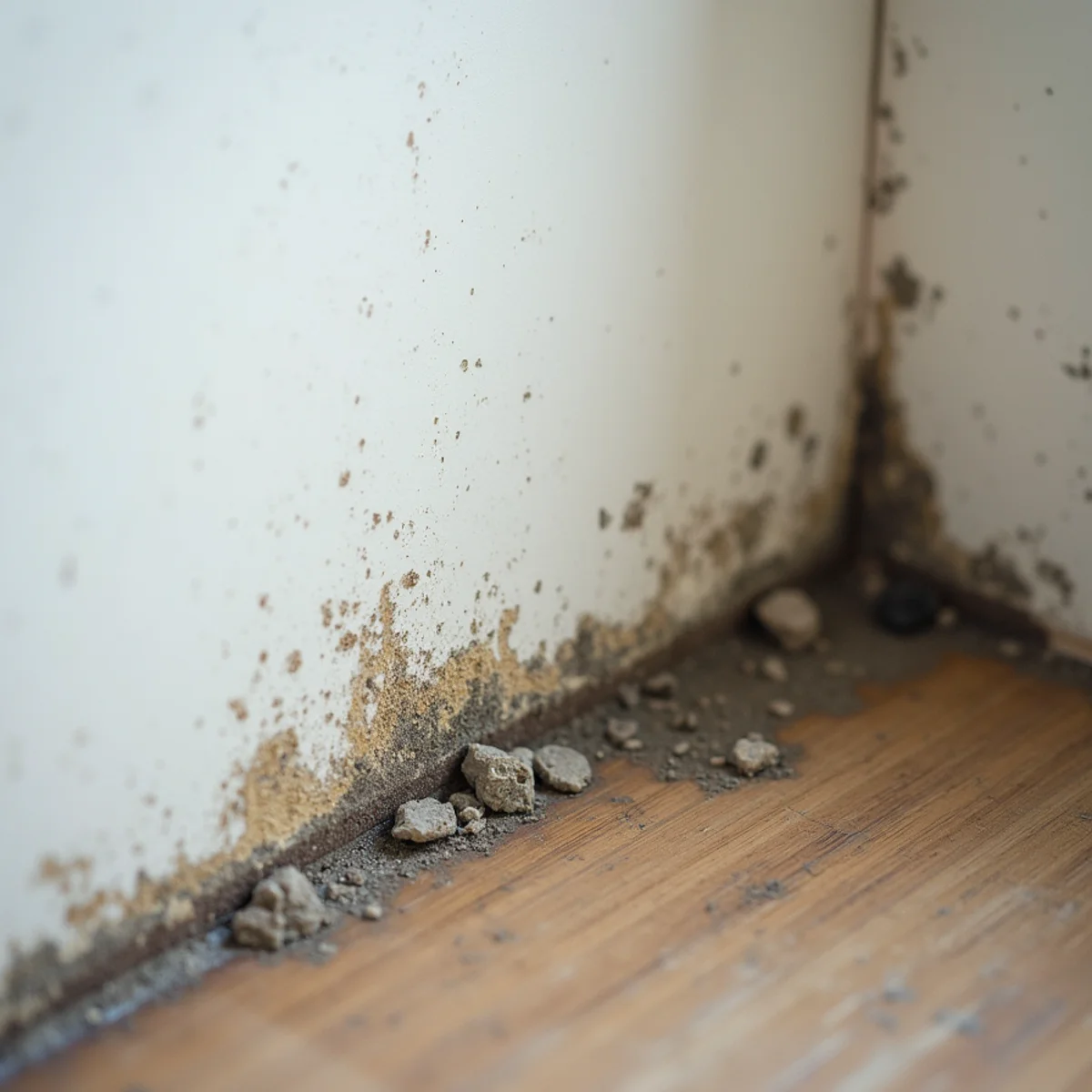
In a single home, a slow response costs one owner. In a shared building, delay multiplies — more units get wet, more materials stay saturated, and mold gets a foothold across a larger area and more ownership lines. Mold can begin growing within a day or two of the water, and Serramonte's cool, damp fog-belt air doesn't help materials dry on their own; the marine layer keeps humidity high enough that wet framing sits wet without mechanical drying. The faster water is extracted and the structure dried to a verified standard, the fewer units end up in the claim and the smaller each owner's share of the loss. When mold has already taken hold in a wall or floor assembly, our mold removal crews contain the area with negative-air machines and HEPA filtration before it spreads further through the shared cavities into a clean neighboring unit.
How Owners and HOAs Should Coordinate
The buildings that recover cleanly are the ones where owners and the association move together instead of waiting on each other — every hour spent deciding who calls whom is an hour the water keeps spreading.
- The owner who discovers the water stops the source if possible — or has the upstairs neighbor shut off their supply — and notifies the HOA or property manager immediately, in writing.
- The affected owners open claims with their own HO-6 policies while the manager engages the master policy, so no one's deadline slips while responsibility is sorted out.
- One restoration company is brought in to handle all affected units, so the drying is coordinated on a single plan instead of piecemeal by unit.
- Access to neighboring units is arranged early, before saturated shared walls sit overnight and wick the water further.
- Everyone documents their own damage with dated photos and keeps a shared timeline of when water was found and when each call was made.
Document Everything, From Every Side
In a multi-unit loss, documentation protects each party individually. Photograph the source, the path, and the damage in every affected unit before drying begins, and get moisture readings on record. Note the time water was discovered and when each call was made — to the neighbor, the manager, the board, and each insurer. Keep receipts for anything you buy and a log of every conversation. When several owners and two or more insurers are involved, the paper trail is what keeps one owner from being stuck with damage that started somewhere else, and it's the record that gets each claim paid without a fight over who did what and when. Verbal accounts blur within a week; timestamped photos and a written log don't.
A Note for HOAs, Boards, and Managers
If you manage property in Serramonte or the mixed-use blocks over toward Bayshore, you already know these calls come at the worst hours, usually from the owner below the leak. Having a restoration company that answers live, mobilizes quickly, and understands both the construction and the coordination saves you the scramble of lining up access and adjusters while water spreads. For larger buildings and commercial properties, our commercial water damage team handles multi-unit scope, after-hours mobilization, and direct insurance billing, and keeps a single point of contact for the board so you can keep tenants and owners informed with one consistent story instead of three.
In a shared building, water is a shared problem — but with fast action and clear documentation, it doesn't have to become a shared disaster. Move quickly, loop in the HOA in writing, and get one crew on every affected unit before the moisture crosses one more wall. If a leak is spreading through a Serramonte condo or townhome right now, call Water Damage Daly City at (201) 277-9344. We answer around the clock, coordinate with owners, boards, and managers, and stop the water before it reaches the next unit.
Frequently asked questions
Get the source stopped first — ask your upstairs neighbor to shut off their water, or cut the building supply if you can't reach them and it's still running. Then photograph and video the damage before you move anything, notify your HOA or property manager in writing so the master policy is engaged, and open a claim with your own HO-6 insurer even if you think the loss is the neighbor's or the association's. Finally, get a restoration crew in fast; the sooner extraction and drying start, the less water spreads into the shared walls and down into anyone below you.
It depends on the cause and your building's CC&Rs. The HOA's master policy may cover the structure and common elements, while each owner's HO-6 covers their own interior finishes and belongings; a neighbor who caused the loss through negligence may be responsible for the damage they caused, and a large master-policy deductible can come back to owners as a loss assessment. It's rarely one simple answer, which is exactly why prompt claims and thorough documentation matter so much — they decide who ends up paying for what. This is general guidance, not legal advice; your CC&Rs and policies control.
Yes, and it's the better approach by far. A single crew can trace the moisture across unit lines with meters and thermal imaging, coordinate access with each owner and the manager, dry everything on one coordinated plan, and give the HOA a single clear scope with one set of documentation and readings. That prevents the uneven drying and finger-pointing that happen when three contractors each work their own unit — and it's uneven drying that lets mold survive in a shared wall after everyone else has called the job done.
We answer live any hour and aim to be on-site quickly. Serramonte is right in our core Daly City service area, so response times are short — which matters a great deal when water is moving between units by the minute and every hour of delay pulls another neighbor into the claim. We come equipped to start extraction on arrival and to coordinate access across multiple units the same visit, rather than making you wait on a scheduling window while the damage spreads.