Multi-Family & Apartment Water Damage Restoration in Daly City, CA
On-site in ~60 minutes Licensed & insured IICRC-certified
Get a Free Estimate
Use the form or call our 24-hour hotline at (201) 277-9344.
4.9 / 5 rating
Based on 127 reviews
- IICRC Certified
- Licensed, Bonded & Insured
- 24/7 Emergency Service
- On-Site in ~60 Min
Trusted Multi-Family & Apartment Water Damage in Daly City
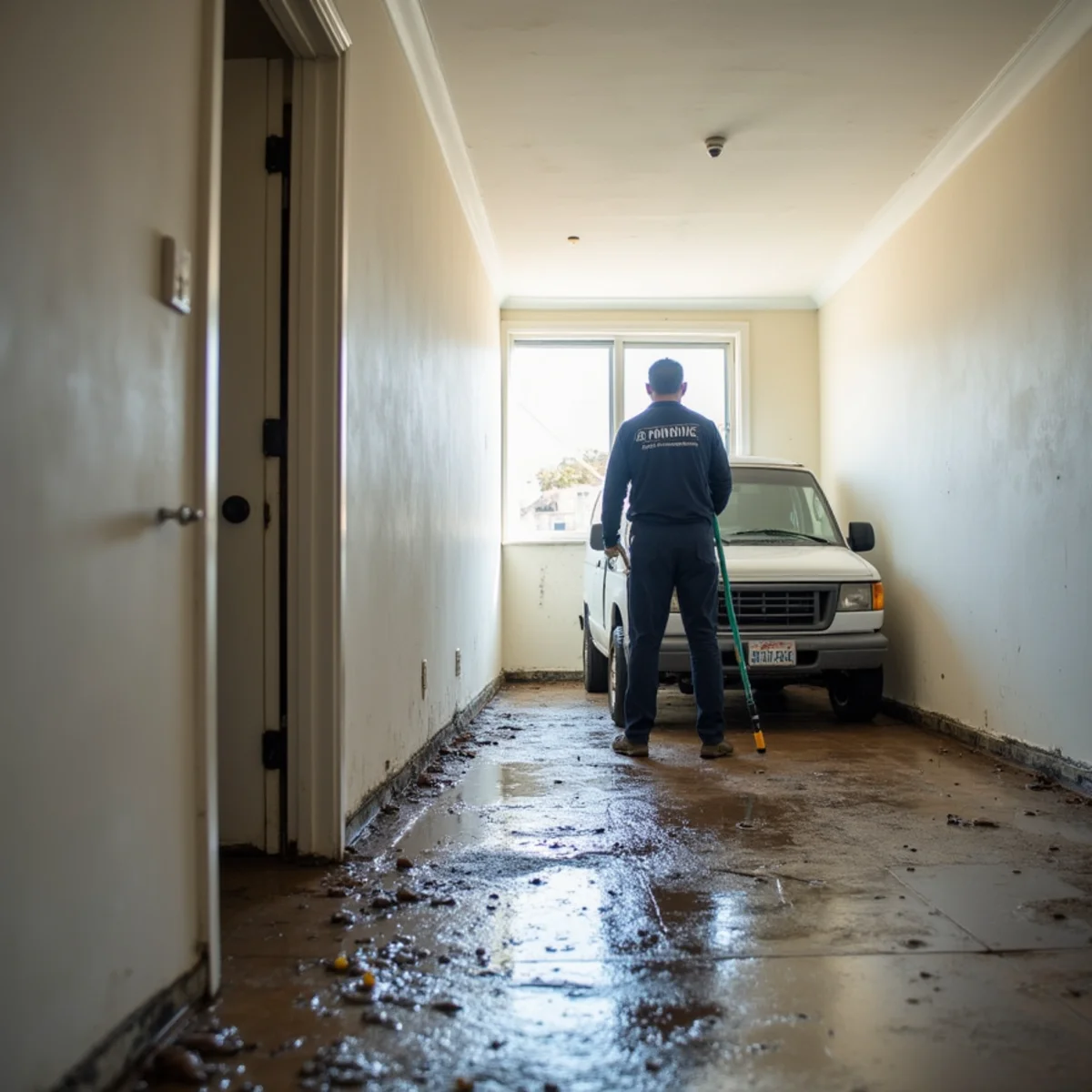
Water Damage Daly City responds to apartment and multi-family water losses across the city 24/7, with a crew sized to dry more than one unit at once and reach the building in about 60 minutes. In an apartment building, water never stays in one apartment. A supply line lets go in a third-floor unit at two in the morning, and before anyone calls it in it has run down through the ceiling of the unit below, along a shared wall, and out into a hallway where the carpet is now soaked. One leak, three units, several tenants awake and upset, and a manager fielding calls about damage in apartments that never had a leak of their own.
That is the real challenge with multi-family water damage. It is not just bigger, it is connected. Water follows the framing and the floor assemblies between units, so containing and drying it means working across several apartments at once, coordinating access with tenants and the owner, and documenting each unit separately so the claim and the responsibility stay clear. Move too slowly and a single overnight leak becomes mold complaints in units the water only passed through.
We are IICRC-certified, we answer live around the clock, and we scale the response to the building, from the older walk-ups near Bayshore and the Cow Palace to the larger complexes off Mission Street. We stage enough air movers and dehumidifiers to dry every wet apartment on the same clock, and we keep each unit's documentation on its own file. Owners and property managers can reach us directly at (201) 277-9344, day or night.
What’s included
- 24/7 dispatch for owners and property managers, on-site in about 60 minutes
- Rapid containment to stop a leak from spreading further between units
- Simultaneous extraction and drying across multiple affected apartments
- Coordination of unit access with tenants and building staff
- Separate documentation and photos for each affected unit and the common areas
- Mold control in the wall and ceiling cavities the water traveled through
- Reconstruction and direct insurance billing once every unit is dry
When to call for apartment
Catching these early keeps a small problem from becoming a major one.
A ceiling leak into the unit below
The most common multi-family call is water from an upstairs apartment coming through the downstairs ceiling. By the time it stains and drips below, the floor and ceiling assembly between the two units is already wet, and it needs drying from both sides to reach standard.
Water traveling along a shared wall
A leak inside a wall shared between units wicks sideways into the neighboring apartment, showing up as a damp baseboard or bubbling paint next door. What starts as one unit's problem becomes two, often before anyone opens the wall to look.
A soaked hallway or common area
When water reaches a shared corridor, lobby, or laundry room, it is now a building-wide issue with foot traffic tracking it further into carpet and under thresholds. Common areas need the same fast extraction and drying as the units themselves.
Repeat leaks in aging building plumbing
Older Daly City apartment buildings often run on original galvanized supply and cast-iron drain lines serving many units at once. When one section fails, it usually points to plumbing at the end of its life, and the recurring leaks affect more residents each time.
Leaks that follow the same vertical stack
When the same column of units, one above another, floods more than once, the cause is usually the shared vertical plumbing stack that serves all of them, not any single tenant. A stack that keeps failing will keep flooding the units below it until the run itself is addressed.
How we handle apartment
- 1
Assess the full path, not one unit
We trace where the water started and every unit and common area it reached, using moisture meters and thermal imaging across floors and shared walls. In multi-family the wet area almost always crosses more units than the first call reported, so we map the whole path before setting equipment.
- 2
Contain and stop the spread
We stop the source and contain the affected areas so water and moisture do not keep migrating between apartments through framing and cavities while the drying gets underway. Early containment is what keeps the loss from adding units by the hour.
- 3
Coordinate access and extract
Working with the manager and tenants, we arrange access to each affected unit and extract standing water from all of them with pumps and truck-mounted units, prioritizing the apartments taking active water first. The scheduling is half the job in an occupied building.
- 4
Dry across units together
We set axial air movers and LGR dehumidifiers in every wet apartment and in the shared cavities between them, drying the connected structure as one system and taking daily readings until each space meets dry standard. Drying one unit at a time leaves the others feeding moisture back.
- 5
Document each unit separately
We photograph and record the damage in every affected apartment and common area on its own file, with its own readings, which keeps the insurance claim and the question of responsibility clean for the owner and management. Clear per-unit records are what keep a multi-party claim moving.
- 6
Rebuild and restore each space
Once every unit is dry, we rebuild the drywall, ceilings, flooring, and finishes affected, returning each apartment and common area to pre-loss condition and billing insurance directly. Tenants get their units back finished, not left mid-repair.
What goes into your estimate
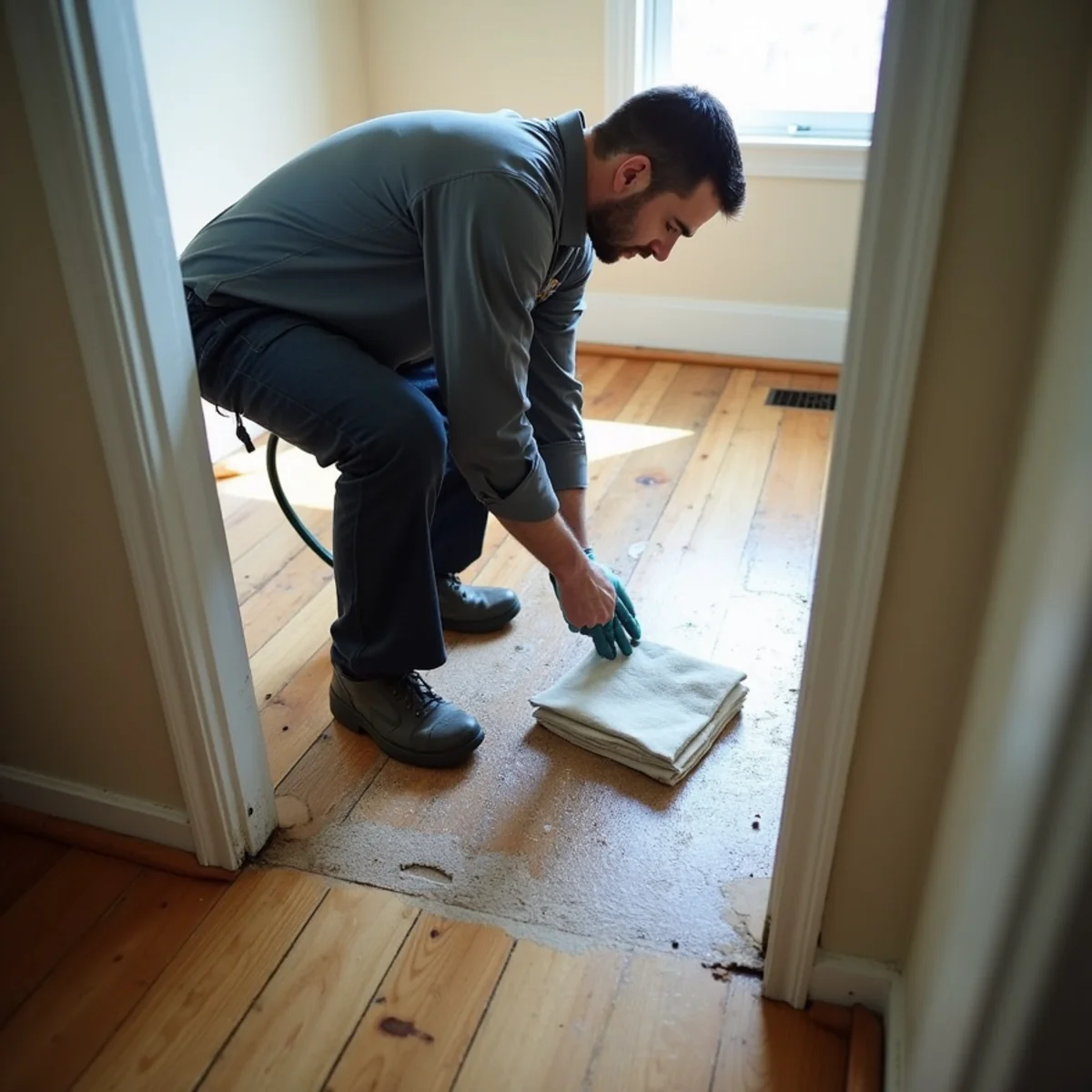
Every water loss is different, so we never quote blind. After a free inspection we give you a clear, itemized estimate. These are the factors that move the price:
- The number of units and common areas the water reached
- The category of water and whether contamination requires added handling and disposal
- The total affected square footage across every involved apartment
- The extent of damage in the shared walls, ceilings, and floor assemblies between units
- Coordination and access scheduling across multiple occupied units
- Whether mold has begun in the cavities and assemblies the water traveled through
- The reconstruction scope to return each affected unit and common area to pre-loss condition
- After-hours and overnight mobilization when a unit is actively flooding
Why Daly City trusts us for this
We are staffed for more than one unit
A leak that hits three apartments needs a crew that can dry three apartments at once, not one unit today and the next tomorrow. We size the response and the equipment to the building so the whole loss dries on the same clock.
Clean documentation per unit
Owners and managers need to know what happened where, and so do the insurers. We document each affected apartment and common area separately, with its own photos and readings, so the claim and the responsibility are clear from the start rather than tangled together.
We work with your tenants, not around them
Coordinating access to occupied units is half of a multi-family job. We schedule with residents and building staff, keep the disruption in any one apartment as short as the drying allows, and keep everyone informed as we move between units to monitor the equipment.
Local and fast when a unit is flooding
We answer live and reach Daly City buildings in about 60 minutes, which matters most when water is actively moving from one unit into the next and every minute adds an apartment. Getting containment and extraction started quickly keeps a one-unit leak from becoming a building-wide claim.
Related Services
Helpful Reading
Water Damage in Condos & HOAs: Who Is Responsible — Owner, HOA, or Neighbor?
A leak from the unit above raises one urgent question: whose problem is it? Here’s how condo and HOA responsibility really works.
Read article
Water Damage in Serramonte Condos and Townhomes: A Guide for Owners and HOAs
Shared walls and stacked units mean one leak can touch several homes. Here’s how Serramonte owners and HOAs should handle it.
Read articleApartment across Daly City & the Peninsula
We provide apartment throughout Daly City’s neighborhoods and the surrounding Peninsula — from the fog-belt hills to the coast to the bay. Not sure if we reach you? Call (201) 277-9344 and ask.
Apartment questions, answered
Yes. We treat the loss as one connected event across every affected unit and common area, drying the shared walls and floor assemblies as a single system rather than one apartment at a time. We also document each unit separately, with its own photos and readings, which keeps the insurance claim and the question of responsibility clean for the owner and the residents. Drying only the unit that reported the leak leaves the neighbors wet and the mold clock running.
We do it on every multi-family job. We schedule access with the property manager and each occupied unit, work efficiently to keep the disruption in any one apartment as short as the drying allows, and keep building staff informed as we move between units and monitor the equipment. Good coordination is half of a multi-family job, since the drying only works if we can actually reach every wet space on the same schedule.
Responsibility depends on the source of the leak and the terms in your leases and building policies, which is not something we determine or take sides on. What we provide is thorough, unit-by-unit documentation, photos, moisture readings, and a clear record of what was wet where, so the owner, the manager, and the insurers can sort responsibility out on facts rather than guesses. That clean record is often what keeps a multi-party claim from stalling.
We answer live 24/7 and are typically on-site at Daly City apartment buildings in about 60 minutes. With multi-family losses that speed matters even more than usual, because an unchecked leak keeps adding units the longer it runs, migrating through shared walls and floor assemblies into apartments that were dry an hour ago. Getting containment and extraction going quickly is what keeps a one-unit leak from becoming a building-wide claim.
We bill your insurance carrier directly whenever the policy allows, so you're not floating the cost while a claim is processed. We document the loss with photos, moisture readings, and a written scope that adjusters recognize, and we work with all major carriers. If the damage crosses between a tenant's policy and the building's, we keep the paperwork clean for each party.
Yes. After the structure is dry and passes our moisture checks, our crew handles the reconstruction, from replacing drywall and baseboards to refinishing floors. Keeping drying and repairs with one team means no gap where a second contractor has to relearn the damage. You get a single point of contact from the first extraction to the final coat of paint.
24/7 Emergency Response
Need apartment in Daly City? Call now.
Call now for a free inspection. A real person answers day or night, and we’re on-site in about 60 minutes.